
Nghe An is making good preparations for the 2025 shrimp farming season.
From February onwards, the North will experience more periods of intense cold, so shrimp farmers in Nghe An need to pay close attention to strictly adhering to the schedule and selecting suitable shrimp fry for the 2025 farming season.
Strictly adhere to the planting schedule.
To prepare for the 2025 shrimp farming season, on December 31, 2024, the Nghe An Department of Agriculture and Rural Development announced the framework for the 2025 aquaculture farming season. Accordingly, shrimp farmers in Nghe An province are simultaneously permitted to release shrimp fry for the main farming season of 2025. Specifically:
For whiteleg shrimp farming, the stocking period starts from April 1st to June 30th. The stocking density depends on specific production conditions. For ponds lined with tarpaulin, stocking density is 70-100 shrimp/m².2For earthen ponds, only stock 30-50 fish per square meter.2Areas with adequate infrastructure and water quality meeting technical requirements, where temperature and other conditions can be controlled proactively during the winter, can stock from September 1st to October 30th, 2025; at a higher density of 80-120 shrimp/m².2.
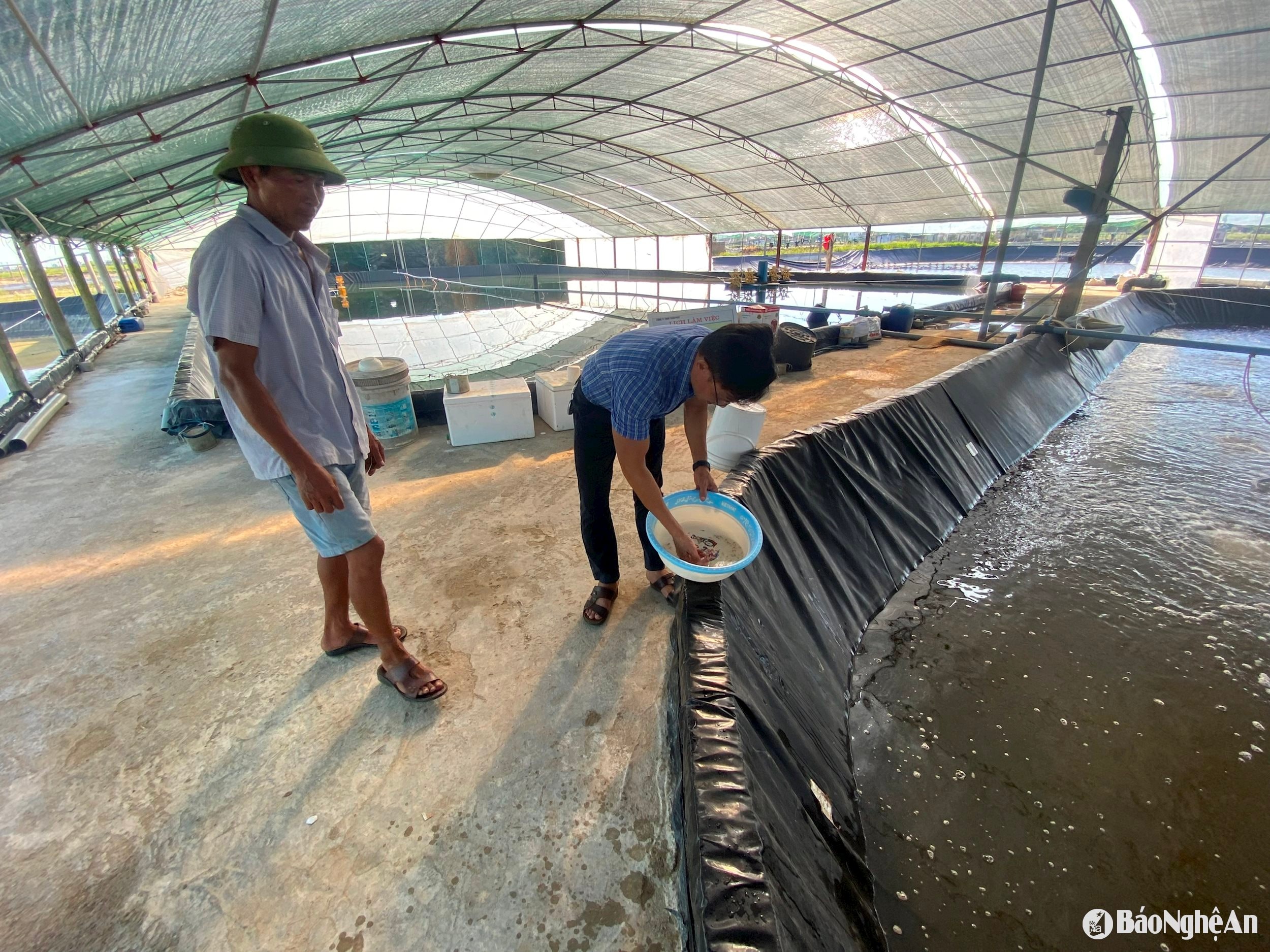
Specifically for high-tech, intensive shrimp farming methods, the stocking density ranges from 200 to 400 shrimp per square meter.2The size of shrimp larvae in all farming methods must reach a minimum of P12.
Besides issuing the framework for the 2025 aquaculture farming season, the Department of Agriculture and Rural Development has directed specialized units to organize numerous workshops and conferences to discuss solutions. Recently, at the conference summarizing and replicating the model of production linkage and cooperation in the shrimp industry, organized by the Nghe An Department of Agriculture and Rural Development in coordination with the National Agricultural Extension Center and the Fisheries Department on November 3rd and 4th, 2024, in Quynh Luu district, Mr. Tran Xuan Hoc - Deputy Director of the Department of Agriculture and Rural Development - outlined several directions for the sustainable development of the shrimp industry, adapting to climate change, and ensuring efficiency and responsibility. He emphasized the need for harmonious integration with other economic sectors, while also upholding a high sense of responsibility in environmental protection and avoiding negative impacts on the interests of other production sectors.
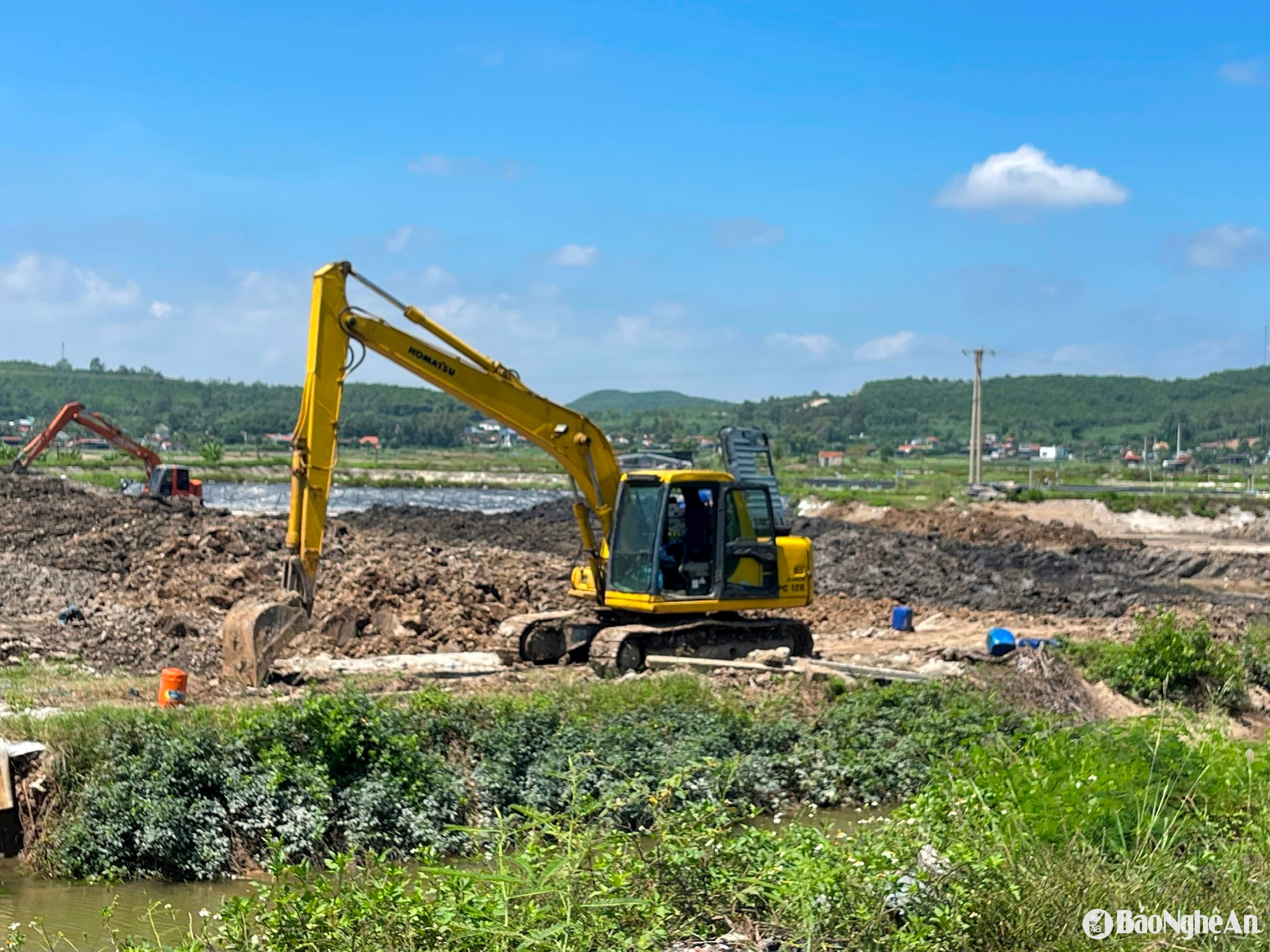
According to the Fisheries and Aquaculture Inspection Department, in 2025, the main aquaculture species in Nghe An will still be whiteleg shrimp, raised intensively. In addition, it is necessary to apply advanced scientific and technical advancements in aquaculture, and continue to encourage farmers to apply scientific advancements, VietGAP farming, multi-stage farming, and Biofloc. The use of antibiotics should be avoided, and chemicals should be minimized in all farming methods and stages of the shrimp production and distribution chain.
At the same time, farmers also need to strictly adhere to regulations and standards to improve productivity and product quality, ensuring food safety while protecting the environment in the farming area. Currently, the department's leadership has assigned specific tasks to the sub-departments: Fisheries - Fisheries Inspection, Animal Husbandry and Veterinary Medicine, Agricultural, Forestry and Fisheries Quality Management, and agricultural extension and aquatic seed centers to effectively manage fisheries...
"Hard" techniques for shrimp farming
Learning from the difficulties of 2024 such as EHP disease, white feces syndrome, hepatopancreatic necrosis, etc., shrimp farmers are now urgently renovating ponds and lagoons, drawing water, and finding sources of quality shrimp fry to stock in time for the season. They should also pay attention to solutions for preventing common shrimp diseases.
Currently, farmers are complying with regulations and recommendations from authorities, such as seasonal schedules, dredging ponds, removing black mud from ponds (for old ponds), and carrying out mechanized pond renovation (applied to both old and new ponds). However, the pond renovation process needs to ensure criteria such as an appropriate pond area of 0.3 - 0.5 hectares, a water depth of 1.2 - 1.5m, and the application of lime (CaO or CaCO₃).3With a recommended dosage of 700 - 1,000 kg/ha (soil pH > 6), the pond should be left to dry for 7 - 10 days to eliminate all pathogens from the previous farming season.
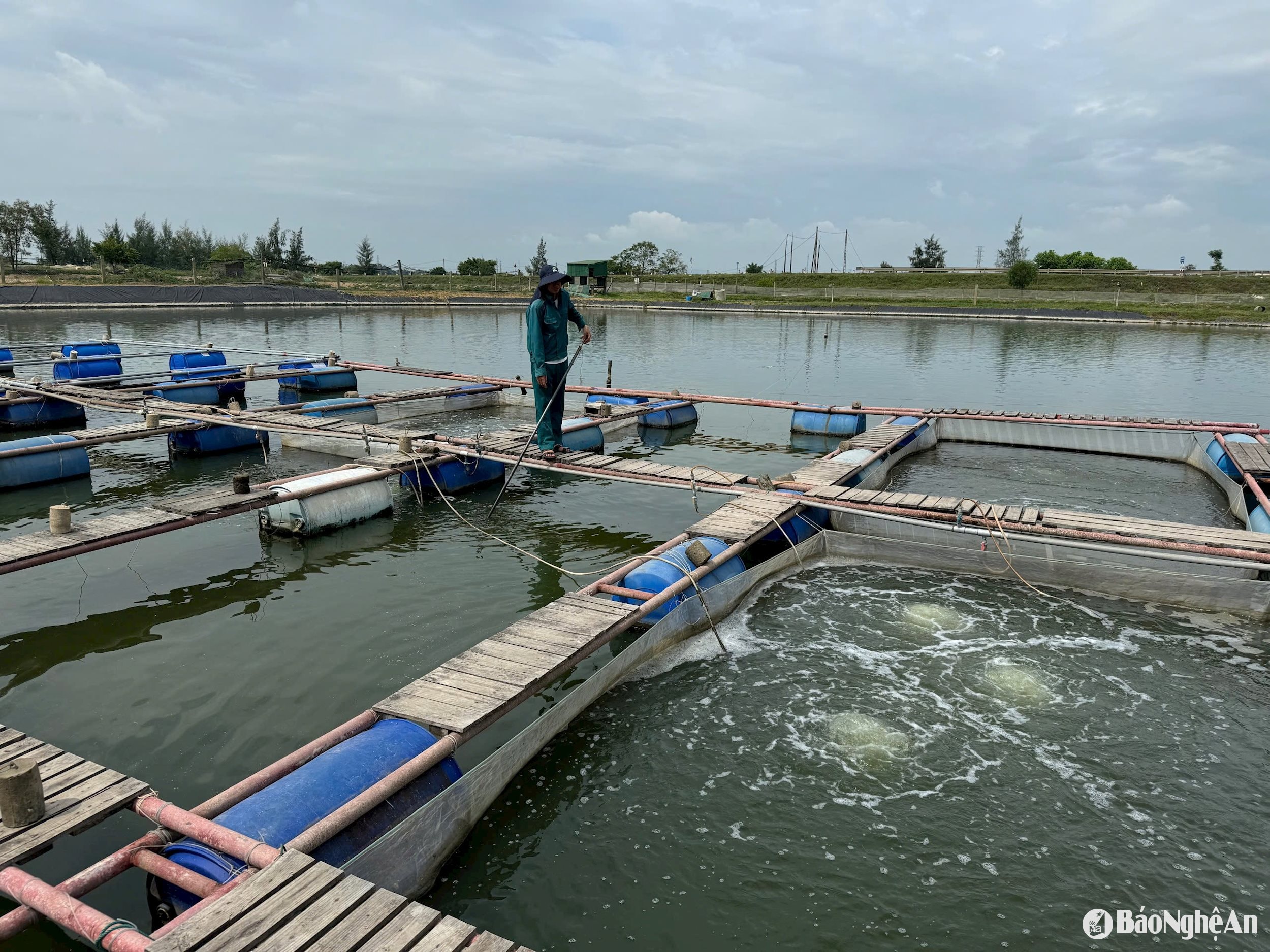
In addition, water is collected and treated through a system of reservoirs and settling ponds, accounting for approximately 70% of the total area, to proactively supply water to the fish ponds. Farmers must regularly monitor environmental monitoring results whenever they need to draw water into the ponds.
Water supplied to the ponds needs to be filtered and treated in a settling pond by letting the water sit for 3-5 days with the use of aerators to ensure all crustacean eggs hatch. After that, farmers should eliminate unwanted organisms using saponin at a dosage of 15-20 kg/1,000m².3or some products permitted for use by the Ministry of Agriculture and Rural Development; disinfect ponds and kill bacteria and viruses using chlorine at a dosage of 25-30 kg/1,000 m².3Formaldehyde at a dosage of 20-30 liters/1,000m².3; or potassium permanganate (KMnO4), dosage 5 - 8 kg/1,000m²3.
Farmers should use products containing key ingredients such as beneficial microorganisms (Bacillus subtilis, Lactobacillus, etc.), vitamins, and essential amino acids according to the manufacturer's instructions. For ponds that are difficult to color, farmers can use biological preparations in combination with urea fertilizer (2-3 kg/1,000m²).3), fish meal (0.5 - 1 kg/1,000m²)3) continuously for several days until the pond meets the standards for water clarity (30 - 40cm), pH (7.5 - 8.5), alkalinity (80 - 120 ppm), toxic gases (< 0.1 ppm)... in order to create a greenish-yellow color in the pond water, then proceed to release the shrimp fry.
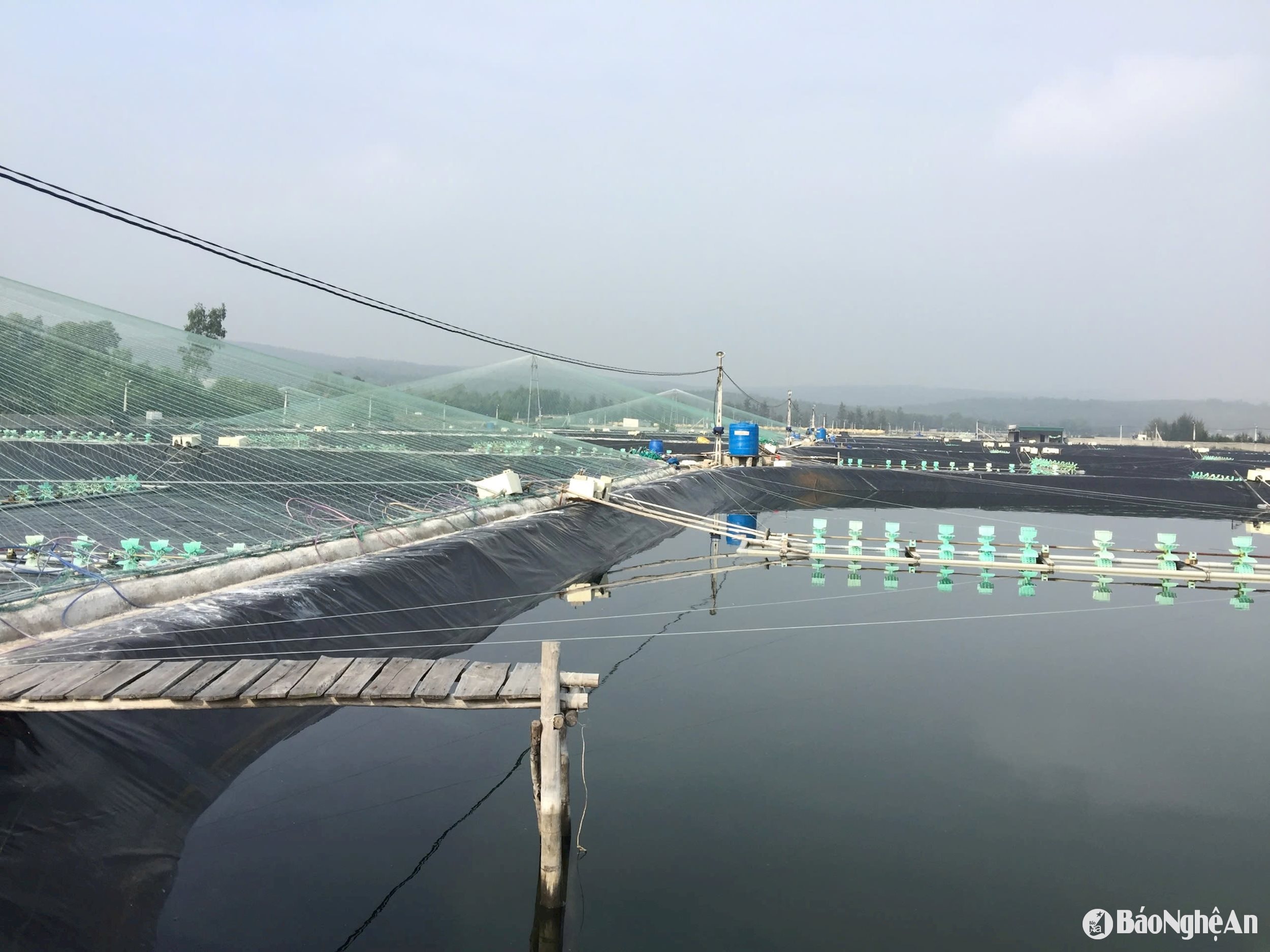
When selecting shrimp larvae, choose those that meet the Post 12 standard for whiteleg shrimp. Simultaneously, visually assess the quality of the larvae based on criteria such as uniform size, large intestine, a standard intestine-to-muscle ratio of 1/4, and active swimming. Next, shock the shrimp by suddenly lowering the salinity to 50% (from 20‰ to 10‰), or shock with formaldehyde at a dosage of 2 liters/10 liters of water for 1 hour. If the survival rate of the shrimp is above 90%, it meets the requirements. Conduct PCR testing of the shrimp larvae at the provincial aquatic seed quarantine agencies to ensure they are healthy, disease-free, and of high uniformity within the stock.
Regarding stocking, farmers should request that hatcheries acclimatize the salinity between the nursery and the rearing pond or tank.
Regarding management and care, farmers need to uphold the principle of "prevention is better than cure" and "shrimp farming is water farming" to guide effective shrimp care. Feed the shrimp sufficient quantities, mix in vitamins, minerals, and feed to increase their resistance, and regularly monitor water quality to address issues promptly. Throughout the farming process, comprehensive disease prevention measures should be applied.


