
Nghe An in the journey of 50 years of national reunification.
During the war of resistance against the US (1954-1975), Nghe An – the homeland of President Ho Chi Minh, a land rich in revolutionary traditions – strongly promoted patriotism and unwavering will, becoming one of the exemplary localities of the socialist North, serving as both a solid rear base and a direct frontline enduring the fierce destruction of the enemy. Nghe An left a profound mark on the great epic of our nation's resistance.
.png)
Kim LuuApril 28, 2025
.png)
With its strategically important location as the "choke point" of Central Vietnam, the starting point of the Trường Sơn strategic supply line - the legendary Ho Chi Minh Trail, Nghe An was always a key target of bombing by the US Air Force and Navy.
However, the more they were attacked, the more strongly the revolutionary spirit, patriotism, and indomitable will of the people and soldiers of Nghe An were forged. With the action slogan "All for the front lines, all to defeat the American invaders," the entire political system and people of the province engaged in a decisive, comprehensive, and effective manner.
.jpg)
Hundreds of thousands of outstanding young people from Nghe An enthusiastically enlisted in the army, joining the youth volunteer force and civilian labor force on the front lines, directly participating in combat and supporting combat operations across various battlefields.
In the period from 1965 to 1972 alone, the entire province mobilized 139,570 people to serve on the battlefield, including 103,505 soldiers (of which 3,332 were women), 11,585 volunteer youth (6,005 women), and 24,480 civilian laborers on the front lines.
In battlefields B and C, Nghe An had 16,581 people directly involved in combat, including 13,483 soldiers and 3,098 cadres and workers - a number that clearly demonstrates the spirit of "cutting through the Truong Son Mountains to save the country" of the people of Nghe An.
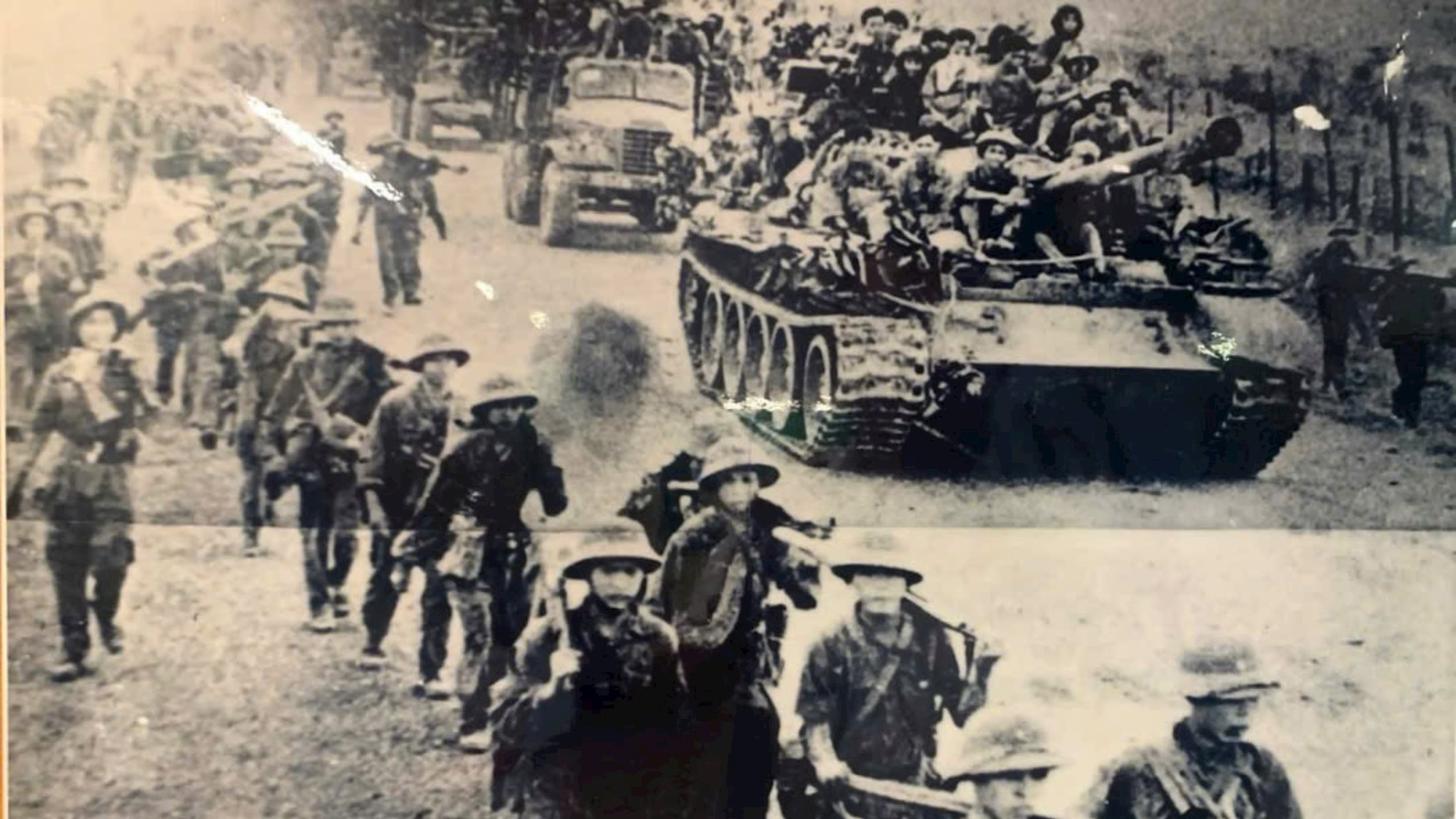
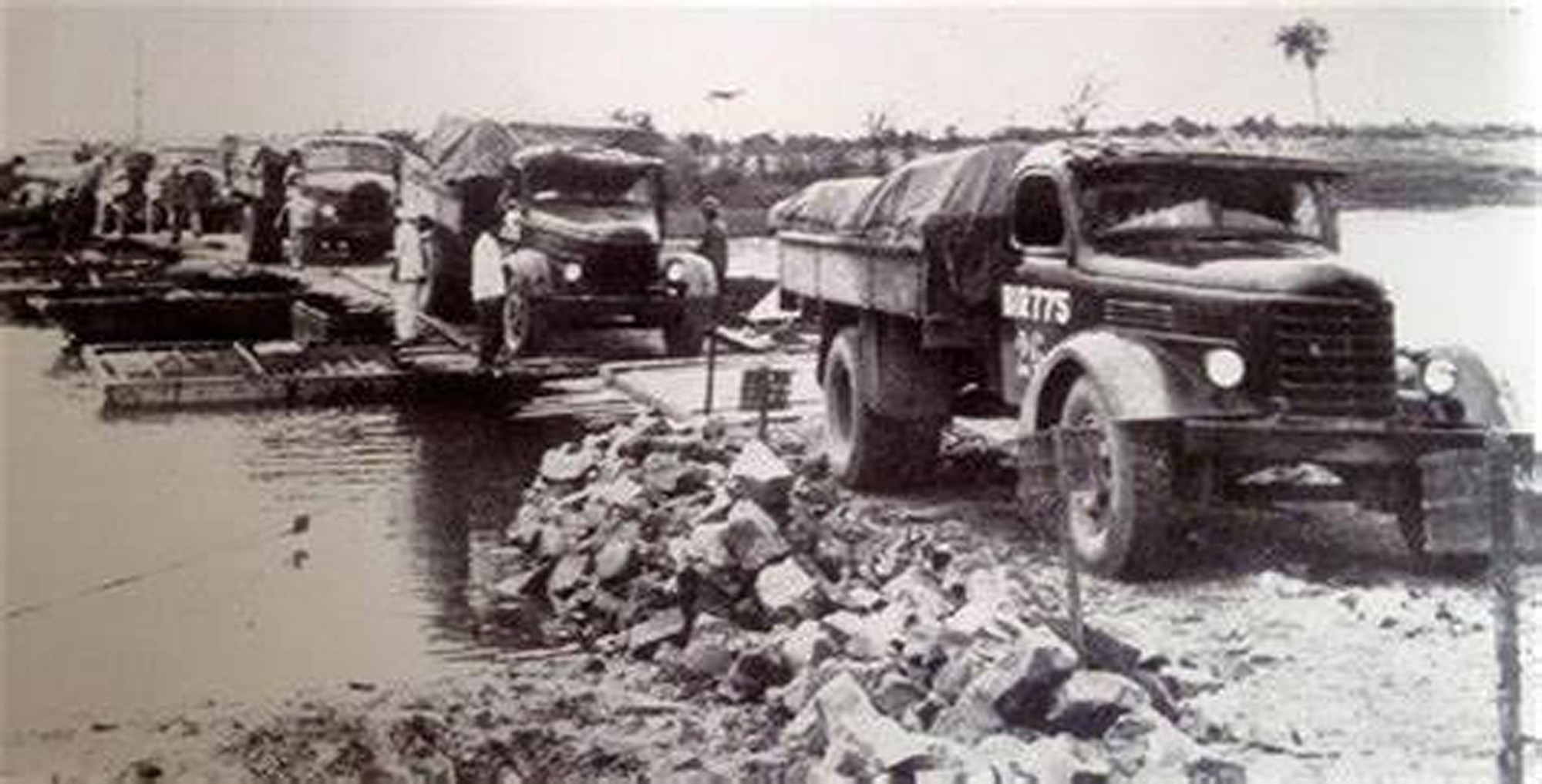
Besides providing manpower, Nghe An was also a crucial strategic location for transportation, receiving and transshipping supplies and goods to the southern front.
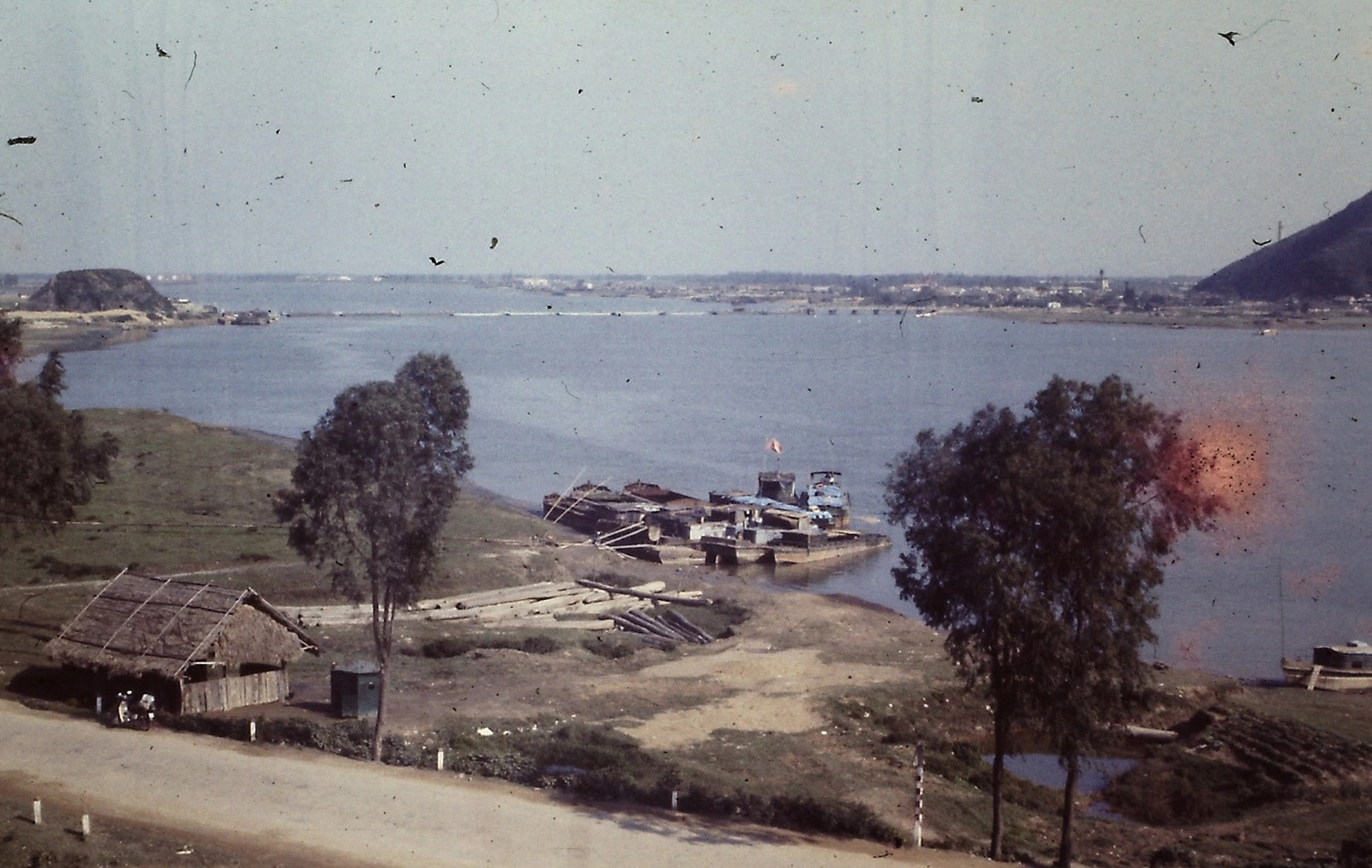
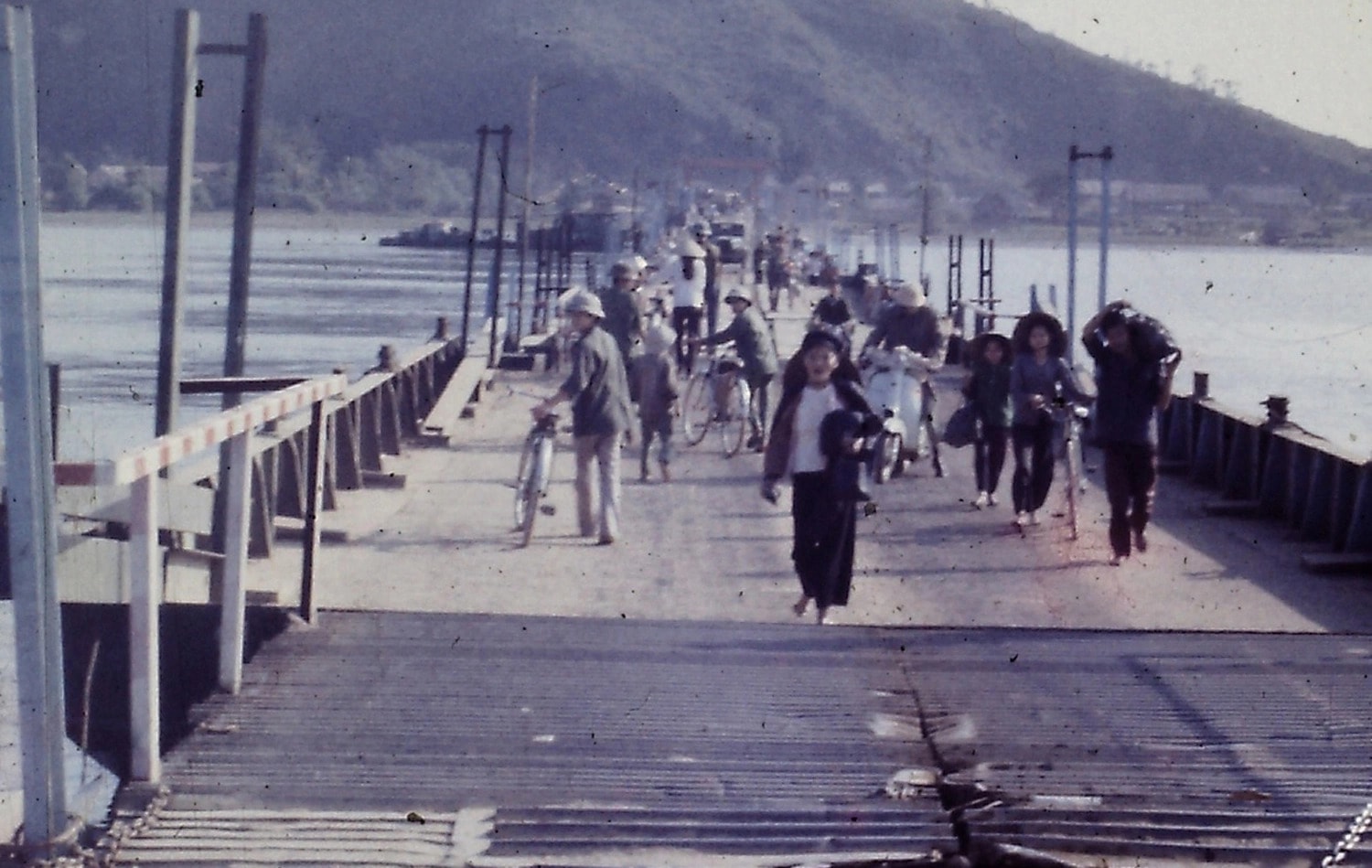
Places like Ben Thuy Ferry and Truong Bon have become symbols of indomitable spirit, strategic "choke points" connecting the rear with the front lines. Ben Thuy Ferry - the gateway to the North-South transportation route - was not only an important transit point but also the site of hundreds of devastating bombing raids by the US Air Force.
Amidst fierce bombing and shelling, cadres, soldiers, volunteer youth, and the local people remained steadfast, holding their ground and maintaining this vital transportation artery.
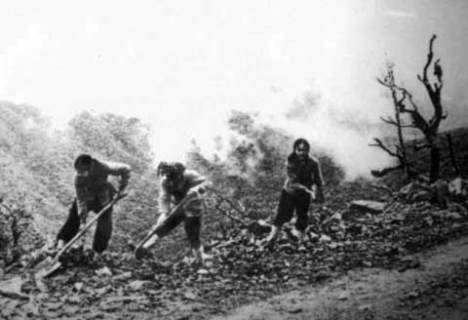
In particular, Truong Bon - the "fire zone" of Route 15A, located in the heart of the US Air Force's bombing campaign - has become legendary as a vivid symbol of courage and unwavering loyalty.
Over 1,200 bombs rained down on this small area of just a few hundred square meters, but the young volunteer soldiers of Nghe An, exemplified by Squad 2 – Company 317, still worked day and night filling bomb craters and clearing roads, ensuring the safe passage of every convoy to the front lines.
The heroic sacrifice of 13 young volunteers in the bombing raid on the morning of October 31, 1968, has become an immortal epic, bringing glory to their homeland of Nghe An and living forever in the hearts of generations of Vietnamese people.
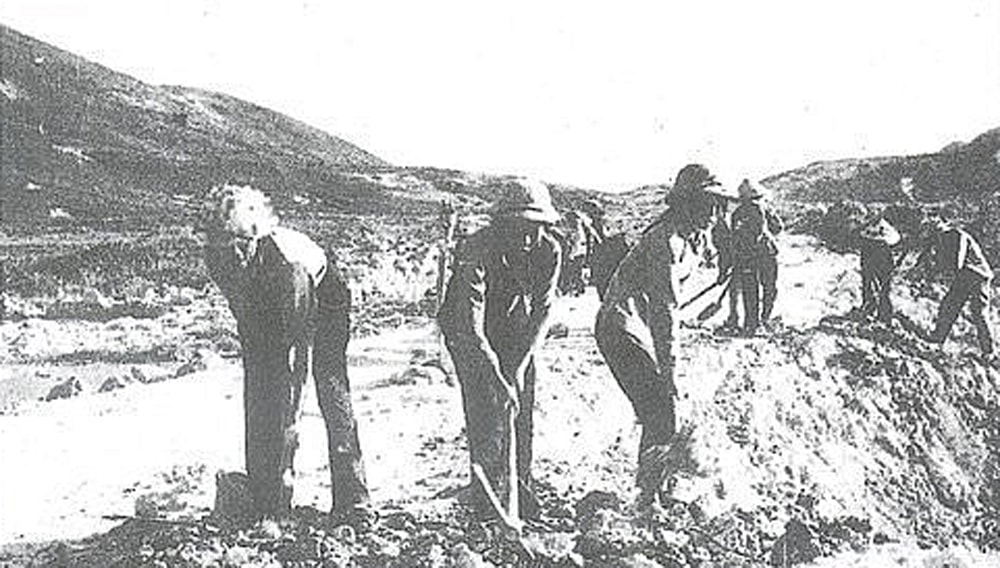
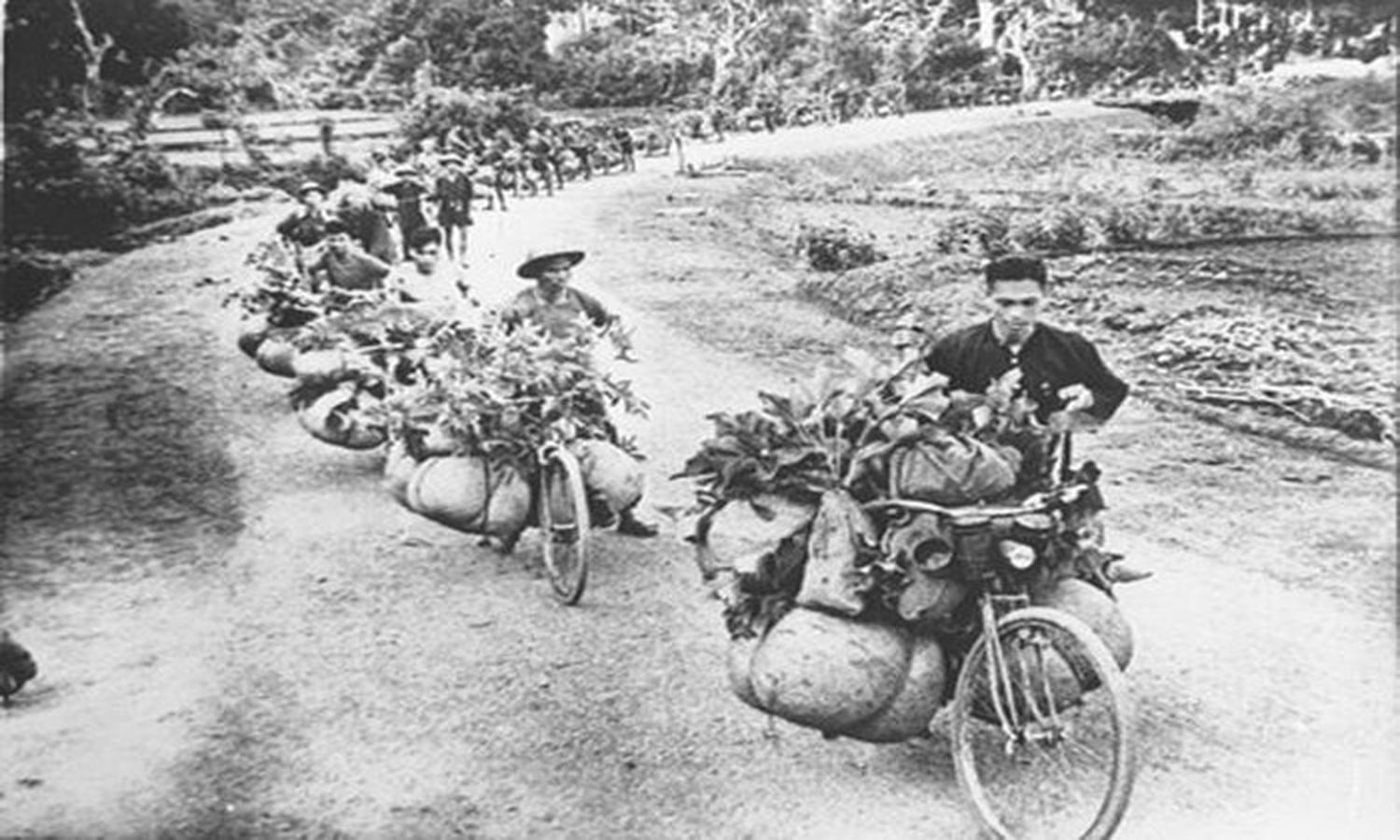
During the two wars of destruction, Nghe An mobilized 38,367,834 man-days of labor and transported 7,310,000 tons of goods to the Southern battlefield – a colossal amount demonstrating the extraordinary resilience and unwavering will of the great rear area.
The province constructed 11,622 km of trenches, 1,097,008 A-shaped bunkers, 2,305,555 individual foxholes, 3,346 boat hiding places, 533 vehicle shelters, 193,335 bunkers and fortifications for storage, and 106,364 underground houses and ramparts – forming a solid and innovative defense network.
Agricultural production was maintained despite the devastation caused by bombs and bullets. Through vibrant emulation movements such as "plow in one hand, gun in the other," and "steady with the hoe, firm with the gun," Nghe An not only achieved food self-sufficiency and ensured stable living conditions for its people but also provided the South with over 6 million tons of food and 300 tons of other supplies.
Notably, in 1972 – the peak of the bombing campaign – Nghe An still had 6 districts achieving a yield of 5 tons/ha on stable two-crop rice fields, creating a great sensation nationwide and demonstrating the vitality and strong internal strength of the rural areas of Nghe An.
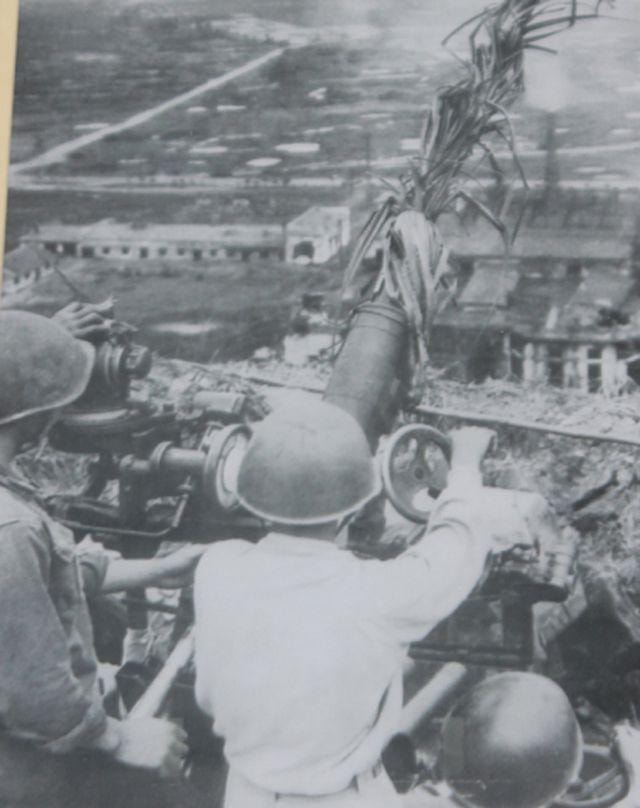
Not only was Nghe An a strong rear base, but it was also a resilient frontline. The province's army and people directly fought to protect the skies and seas of their homeland. The entire province shot down 553 American aircraft, ranking second in the entire North; and destroyed or sank 36 American and South Vietnamese warships and commando boats, ranking fourth in the North.
These figures are not just achievements, but the culmination of the patriotism, intelligence, courage, and unwavering will of the people of Nghe An in the battle to defend the Fatherland.
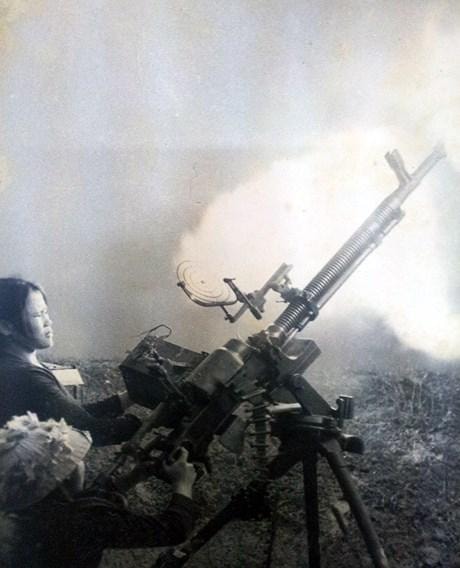
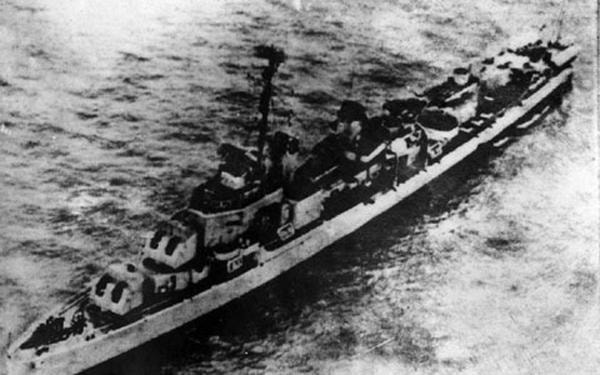
Together with the people and armed forces of the whole country, Nghe An has written an immortal epic in the Ho Chi Minh era – an epic of loyalty, courage, and revolutionary heroism that permeates every person and every village in Nghe An.
Hundreds of thousands of the province's finest sons and daughters went to fight under the sacred banner of the Party and President Ho Chi Minh. Among them, more than 45,000 brave sons and daughters heroically sacrificed their lives, forever resting on battlefields across the country – from the Truong Son mountain range to the Saigon River, from the southwestern border to the neighboring countries of Laos and Cambodia.
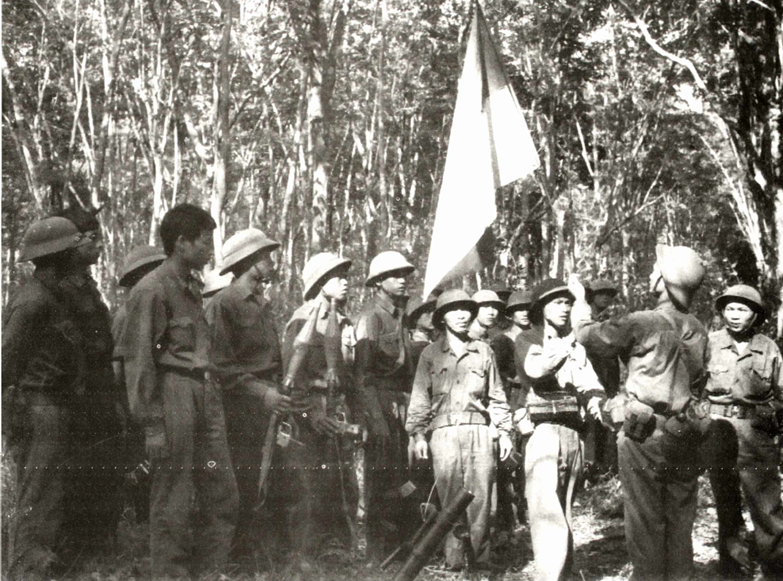
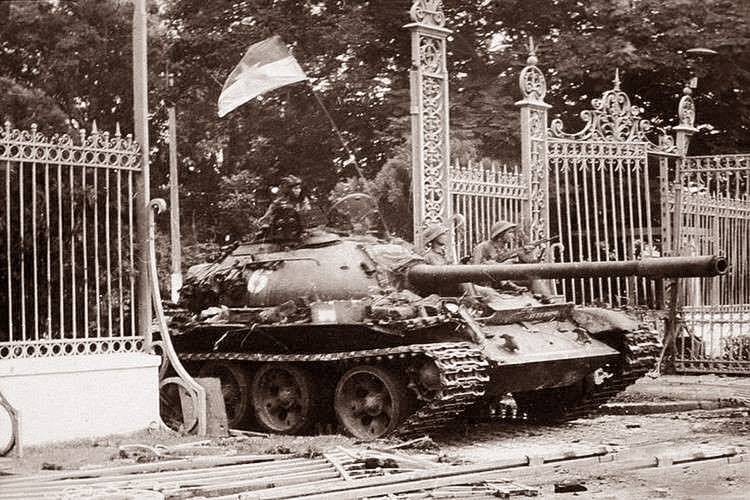
The historic victory of April 30, 1975 – a brilliant symbol of Vietnamese revolutionary heroism – not only brought an end to a painful period of war, but also opened a new era for the country, the nation, and the heroic Soviet homeland.
From its resilient tradition in the struggle for national liberation to its spirit of innovation and integration in construction and development, Nghe An has been demonstrating its ability to creatively apply lessons from history to today's practice.
.png)
After the reunification of the country, along with the rest of the nation, Nghe An province made strenuous efforts to overcome difficulties and mobilize all resources to rebuild and develop its homeland. From a backward agricultural province with food shortages, Nghe An has now basically ensured food security and has export products.
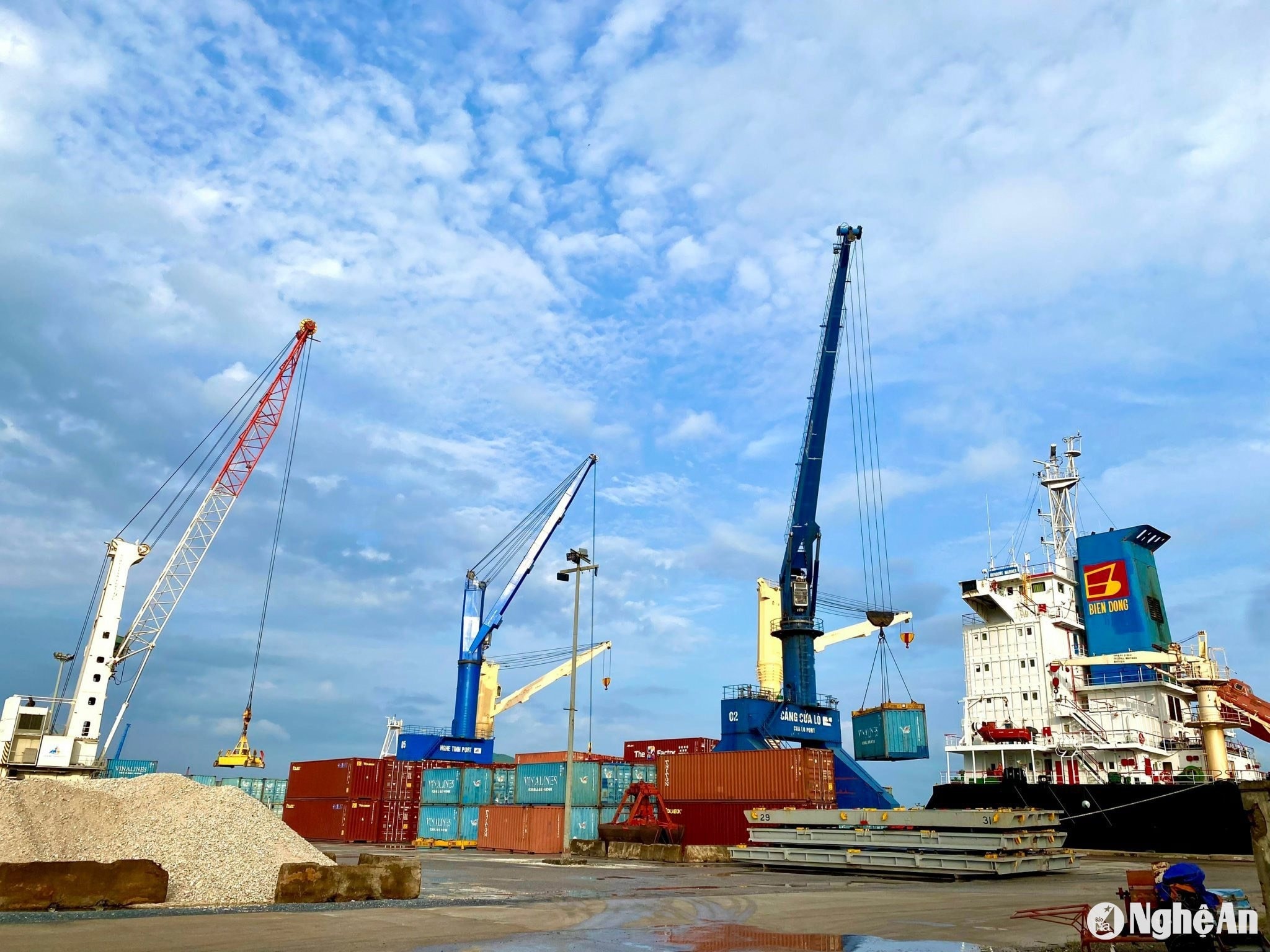
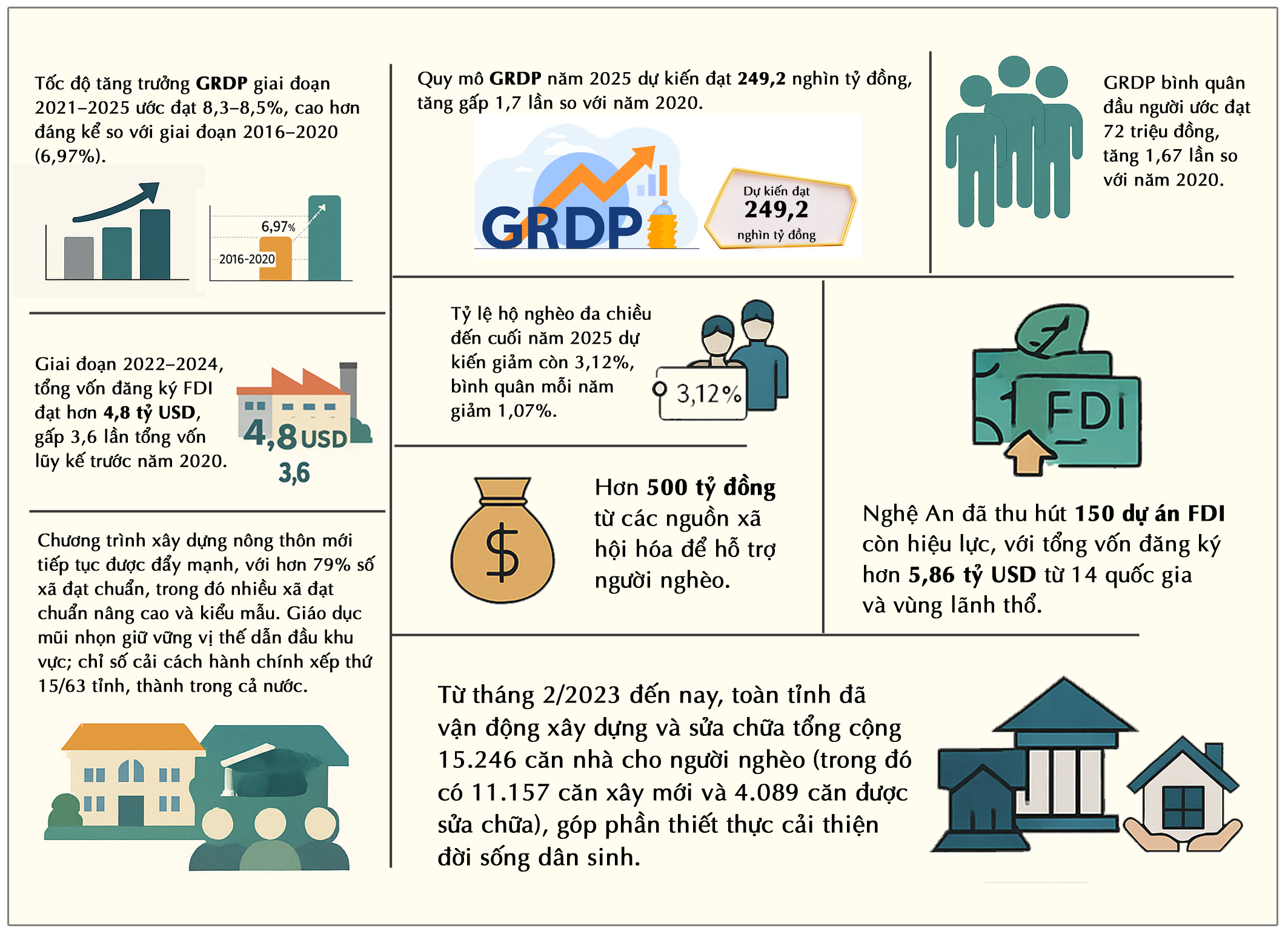
Nghe An's GRDP growth rate for the period 2021-2025 is estimated at 8.3-8.5%, significantly higher than the 2016-2020 period (6.97%). The GRDP in 2025 is projected to reach VND 249.2 trillion, a 1.7-fold increase compared to 2020, placing Nghe An 10th in the country. GRDP per capita is estimated at VND 72 million, a 1.67-fold increase compared to 2020.
In the field of investment attraction, the province has made remarkable progress, especially in FDI. During the 2022-2024 period, the total registered FDI capital reached over US$4.8 billion, 3.6 times the cumulative capital before 2020. To date, Nghe An has attracted 150 active FDI projects with a total registered capital of over US$5.86 billion from 14 countries and territories, placing the province among the top 10 localities nationwide in attracting foreign investment for three consecutive years.
The New Rural Development Program continues to be promoted, with over 79% of communes meeting the standards, including many communes achieving advanced and model standards. High-quality education maintains its leading position in the region; the administrative reform index ranks 15th out of 63 provinces and cities nationwide. Poverty reduction efforts have seen many positive changes. The multidimensional poverty rate is expected to decrease to 3.12% by the end of 2025, averaging a reduction of 1.07% per year.
The province has mobilized over 500 billion VND from social sources to support the poor. In particular, Nghe An is one of the leading localities nationwide in the movement to eliminate temporary and dilapidated houses. From February 2023 to the present, the entire province has mobilized resources to build and repair a total of 15,246 houses for the poor (including 11,157 newly built houses and 4,089 repaired houses), making a practical contribution to improving people's lives.
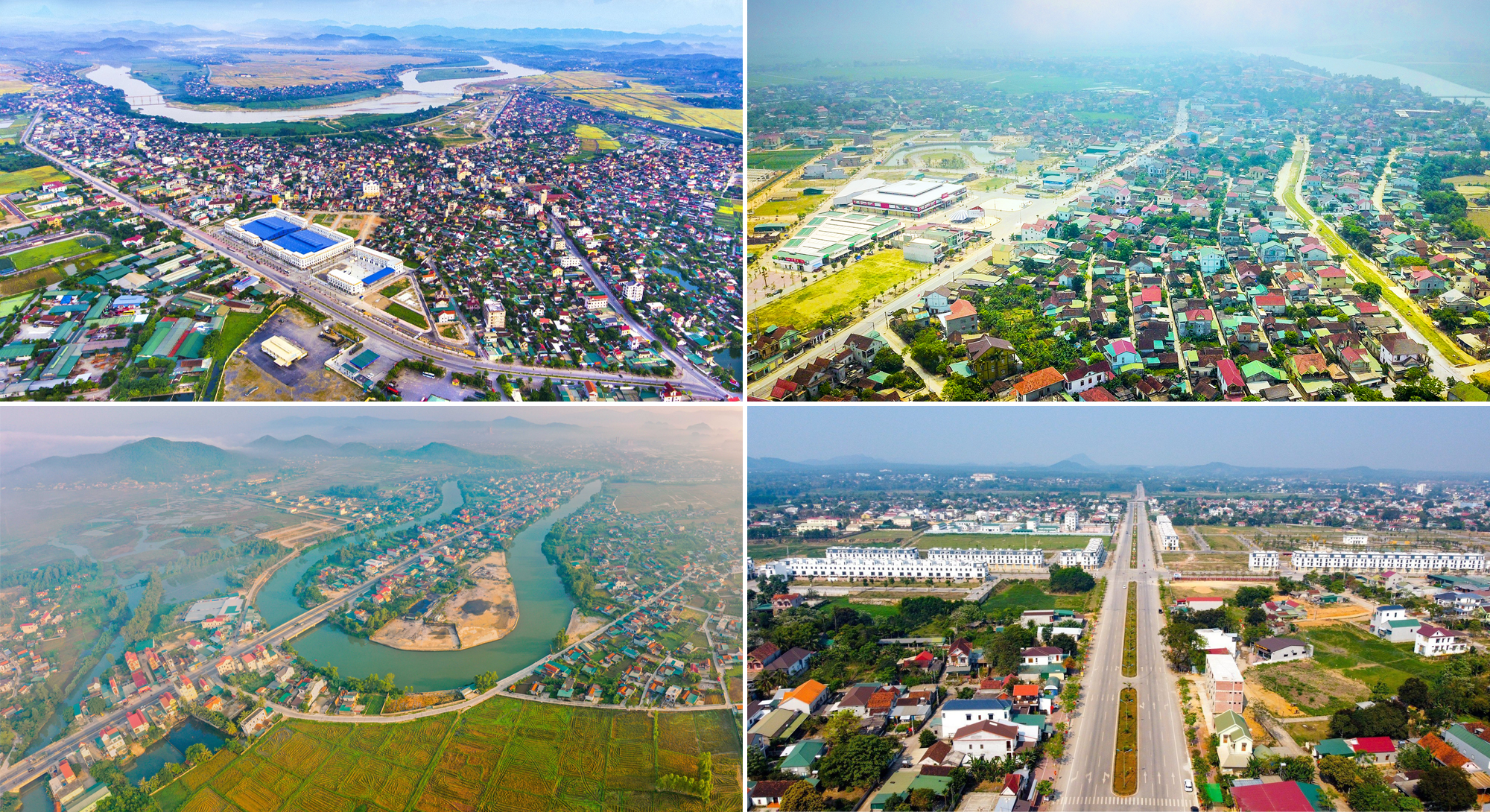
The outstanding achievements in socio-economic development over the past years have affirmed Nghe An's increasingly prominent position in the North Central region, making a positive contribution to the overall development of the country.
The dramatic transformation in planning, investment, infrastructure, human resources, and digital transformation is creating a solid foundation to realize the aspiration of becoming the region's economic, cultural, educational, scientific, and technological hub by 2030.
Furthermore, according to Resolution 39-NQ/TW of the Politburo, by 2045, Nghe An strives to become a rapidly developing, sustainable, comprehensive, and modern province; an important growth pole in the North Central region, a place that fully embodies cultural, historical, and revolutionary values, preserved and promoted; with improved living standards for the people; with maintained national defense, security, and territorial sovereignty; a strong political system; and continuously strengthened national unity.
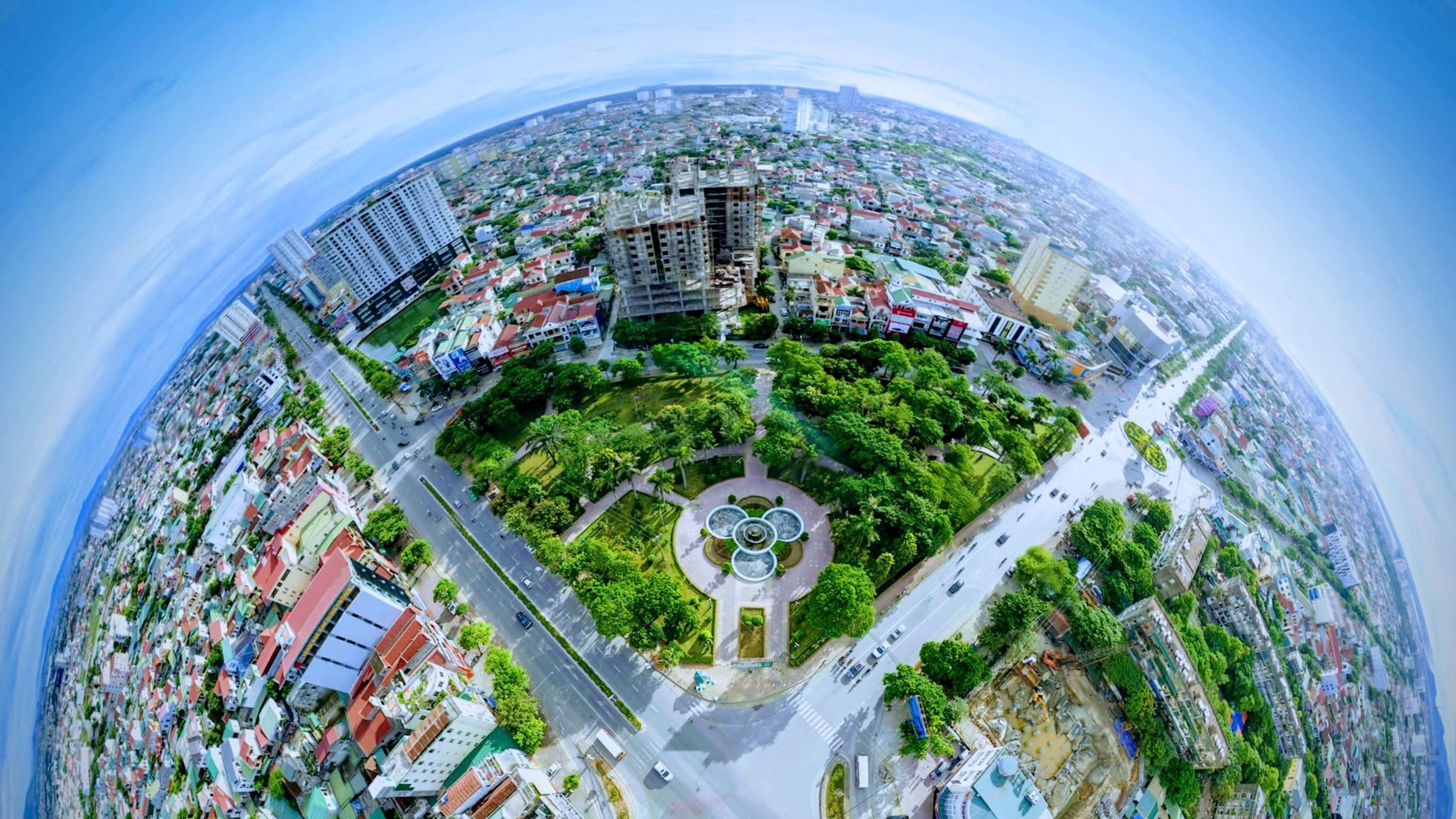
To realize its development aspirations, Nghe An needs to continue innovating its thinking, promoting the leadership role of the Party, and fostering a sense of responsibility and pioneering spirit among its cadres. Simultaneously, it needs to build a culture of innovation throughout society. In this, people – with their courage, intelligence, dedication, and patriotism – remain the central element of all development strategies.
For Nghe An, the tradition of patriotism, the spirit of solidarity, and the rich cultural identity, shaped by the depth of history, revolution, and humanism, are important spiritual foundations for creating breakthroughs in the new era. These are values forged through generations, from the arduous years of resistance to the current journey of national reconstruction.
The development journey of Nghe An today continues and builds upon the traditions of the past, affirming that tradition is the driving force for development. In the context of integration and transformation, the spirit of "all for our beloved South" needs to be inherited and developed into the spirit of "all for the sustainable development, prosperity, and rich identity of our homeland and country." This is how each citizen of Nghe An can live up to the sacrifices of previous generations, contributing to building and protecting the Fatherland in a time of peace and deep integration.


