
People in Nghe An province are coping with rising prices.
Prices of goods have increased by 10-30% over the past few months. Besides the government's price control measures, people are also finding ways to cope…
.jpg)
From July 1st, civil servants, public employees, and members of the armed forces received a 30% salary increase. However, many have not yet received their new salaries; according to the guidelines, they will only officially receive them in August and be entitled to retroactive payment for July.
However, the prices of goods have been rising steadily, causing living expenses to increase significantly. “In June alone, our family’s living expenses increased by 25% compared to before. Food costs alone rose by 30% as meat, fish, and vegetables all increased in price,” shared Ms. Nguyen Thi Hien Anh, a civil servant in Doi Cung ward (Vinh City).
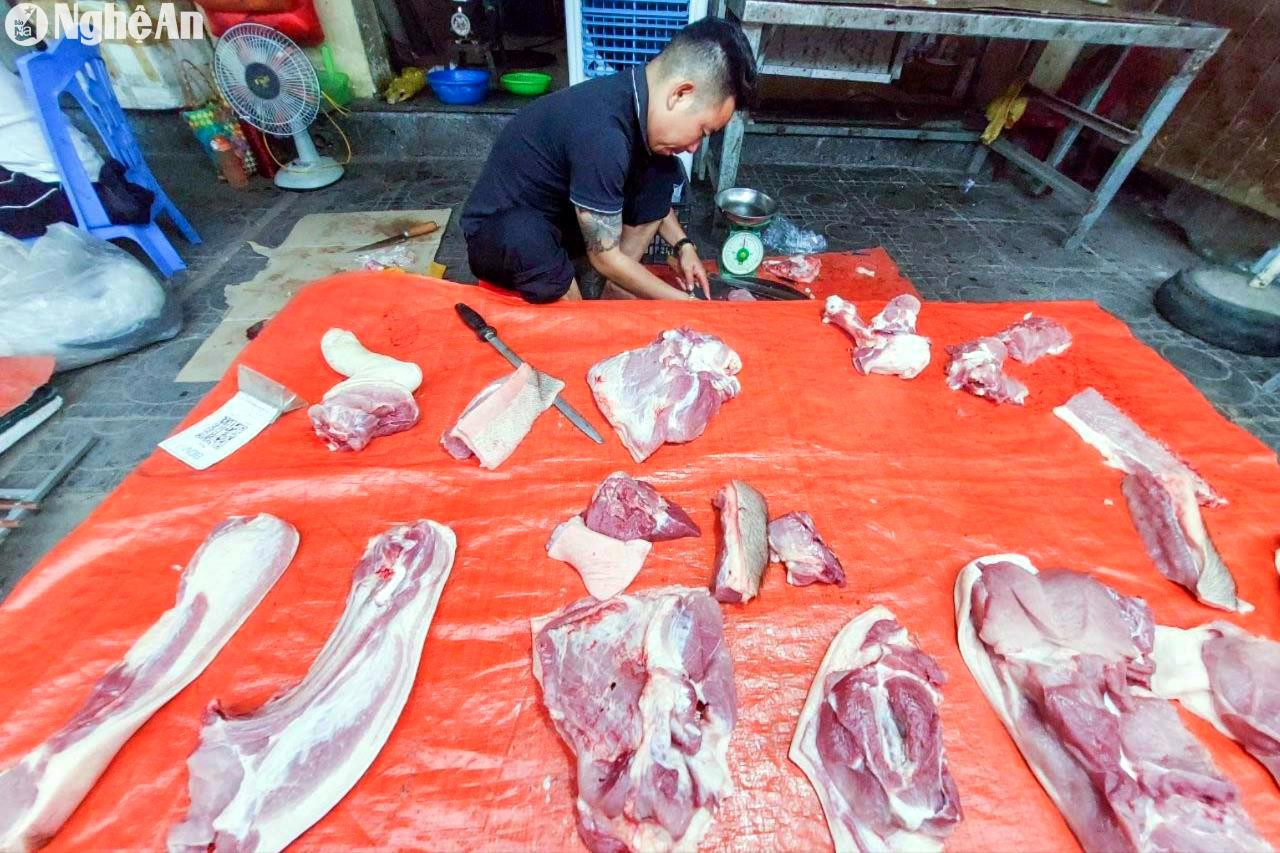
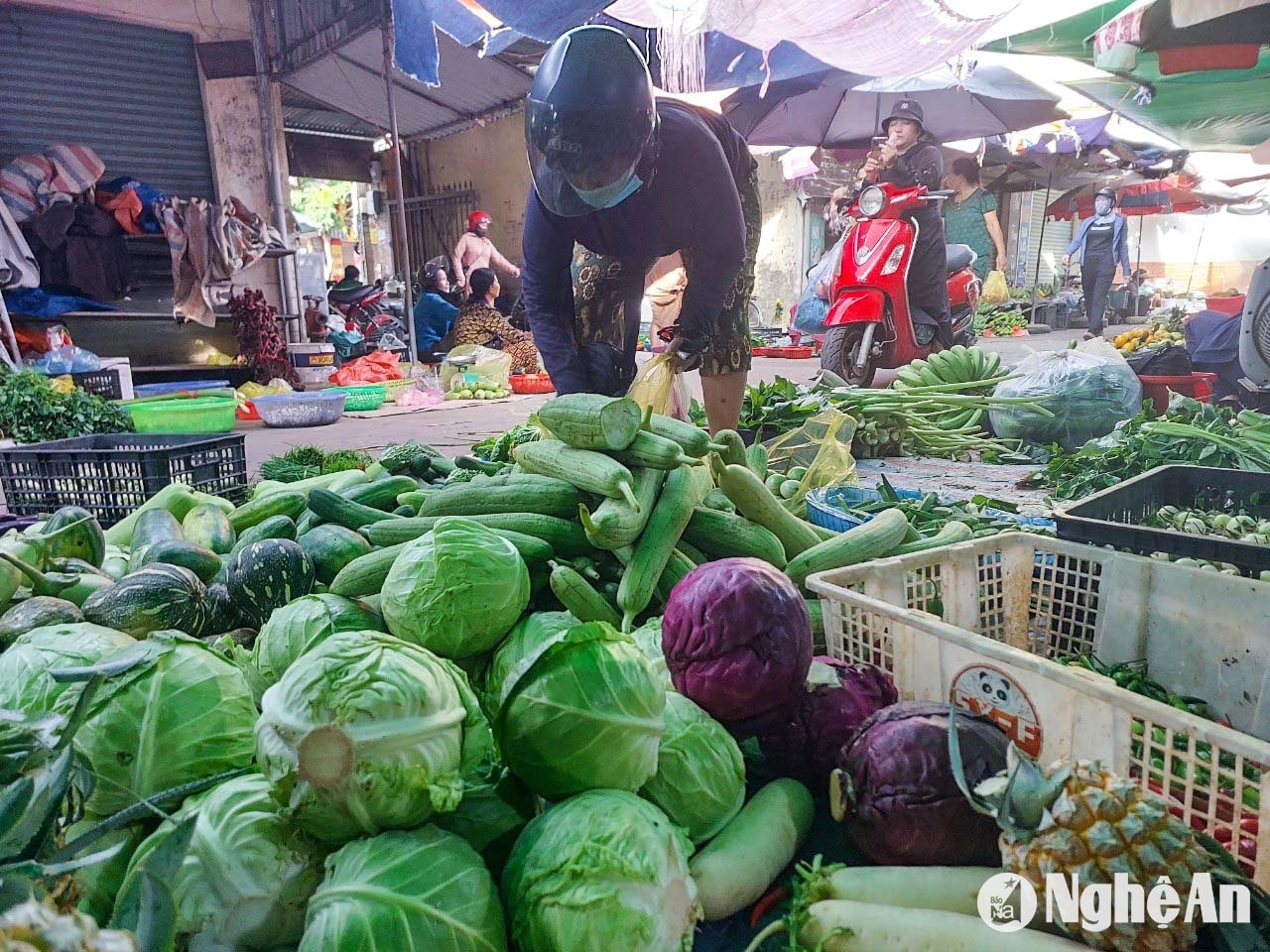
According to surveys, in recent months, especially from the beginning of June until now, the prices of goods, particularly food items, have increased sharply. Specifically, in local markets, the price of various types of meat has increased by 10,000 - 20,000 VND/kg; green vegetables have increased by 3,000 - 5,000 VND/kg; chicken eggs have increased from 30,000 VND/dozen to 35,000 VND/dozen; duck eggs have increased from 35,000 VND/dozen to 38,000 VND/dozen; and various types of fruit have also increased in price by 3,000-5,000 VND/kg.
Due to rising input costs, some services such as food and beverages have begun to adjust prices upwards. Each bowl of pho or vermicelli has increased by 3,000 - 5,000 VND; soft drinks have increased by 2,000 - 3,000 VND per cup…
Consumer prices are rising due to many reasons, but this increase is causing significant hardship for workers. Wage adjustments mainly occur in the public sector, which is relatively small in the economy, accounting for less than 8% of the workforce. Furthermore, public sector wages are significantly lower than private sector wages. Therefore, price increases due to wage hikes negatively impact the population, forcing them to find ways to cope.
As the person in charge of the family's finances, Ms. Le Minh Hanh in Hung Hoa commune (Vinh City) closely follows the fan pages of supermarkets and food stores, and joins groups and forums to hunt for promotions and discounts in order to save money.
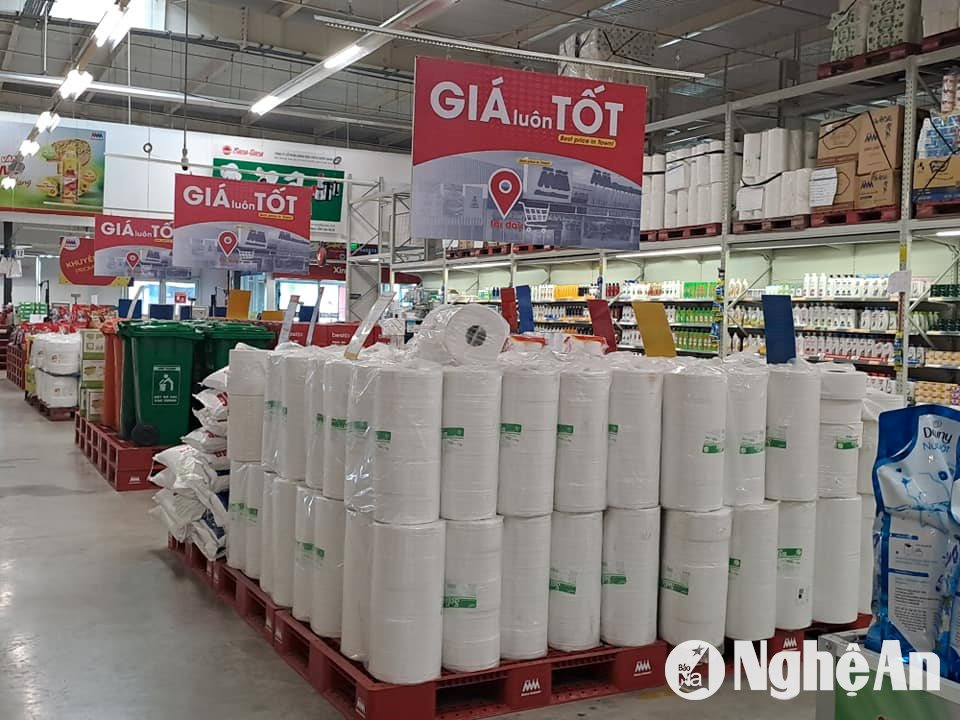
“Large supermarkets often organize various promotional programs at their outlets, such as fixed-price markets. Vegetables, fruits, meat, poultry, etc., are sold at a flat price starting from just 7,000 VND or more during specific time slots; you can buy combo deals or hunt for bargains during peak hours… Therefore, you can save quite a bit on your expenses,” said Ms. Minh Hanh.

In the context of rising prices, many retailers, brands, and businesses have implemented sales and promotional programs to reach customers and gain market share.
Mr. Nguyen Huu Tuyen, director of a company specializing in the production of laundry detergent and dishwashing liquid in Nam Dan district, said: “The product was launched at the beginning of this year and is on track to reach the market. Therefore, while well-known brands are increasing prices, we are pursuing a policy of selling at no profit to create a competitive advantage. At the same time, we are organizing mobile sales points at markets and industrial zones, targeting people with average incomes.”
Therefore, many people are turning to consumer goods from new brands and labels to try them out while saving money.
In addition, buying seasonal vegetables and fruits also helps housewives save money. "Usually, out-of-season vegetables and fruits are expensive and scarce, so at this time of year, when I go to the market, I choose vegetables and fruits that are in season. This way, the prices are cheaper and it's easier to choose," said Mrs. Trinh Thi Hieu, a housewife.
In particular, the Government and all levels and sectors are currently implementing a comprehensive set of fiscal solutions: Increasing bank interest rates to mobilize temporarily idle funds, avoiding localized price increases due to excessive spending, and boosting market demand; Strengthening price controls for individual goods, especially those groups of goods whose prices are set or stabilized by the State, such as electricity, water, gasoline, oil, and public services...
.jpg)
Strengthen inspections and checks to control prices. For goods where businesses self-declare prices and take responsibility, strictly handle violations. Therefore, it is predicted that speculation, hoarding, and unreasonable price increases will not occur.


