
How can a thin person gain weight?
Being thin or underweight can have many negative health consequences. Increasing food intake, eating more healthy fats, exercising regularly, getting enough sleep, and reducing stress are effective measures to help thin people gain weight.
1. Causes of being underweight
According to Dr. Nguyen Trong Hung, Head of the Adult Nutrition Counseling Department at the National Institute of Nutrition, a body mass index (BMI) below 18.5 is considered underweight or chronically deficient in calories.
There are many causes of being underweight, including:
- Due to genes:Some people have a naturally low BMI due to inherited physical traits in their family.
- Metabolism:Metabolism is the process of converting food into energy for the body to function. People with a fast metabolism will consume calories faster than average and may not gain much weight even when eating high-energy foods.
- Regular physical activity:Athletes or those who engage in high-intensity physical activity, such as runners, can burn a significant amount of calories, resulting in lower body weight.
- Having a physical illness or chronic disease:Certain illnesses can cause frequent nausea, vomiting, and diarrhea, making it difficult to gain weight. Chronic conditions such as cancer, thyroid disorders, diabetes, and other digestive conditions (Crohn's disease, ulcerative colitis) can reduce appetite, leading to malnutrition and low weight.
- Mental illness:Poor mental health conditions such as depression, obsessive-compulsive disorder, and eating disorders can affect the ability to eat, potentially leading to loss of appetite.
- Poor nutrition:Insufficient energy intake, and/or an imbalance of energy-producing substances (protein, fat, carbohydrates) as well as an imbalance of non-energy-producing substances (vitamins and minerals...).

2. Methods for gaining weight for thin people
- Increase calorie intake:The most important thing you can do to gain weight is to create a calorie surplus, meaning you eat more calories than your body needs. If you want to gain weight slowly and steadily, aim for 300-500 more calories than you burn each day. If you want to gain weight quickly, aim for about 700-1,000 more calories than you burn each day.
- Increase protein intake:Consuming sufficient protein daily is essential for muscle growth, alongside other nutrients. The recommended daily protein intake for a normal adult is 1-1.3g/kg body weight. For underweight individuals, this can be increased to 2g/kg body weight, but should not exceed 3.5g/kg body weight per day.
Protein-rich foods include meat, fish, eggs, some dairy products, beans, nuts, and others. However, protein can also significantly reduce feelings of hunger and cravings, making it harder to consume enough calories. Furthermore, eating too much protein can increase the risk of heart disease.
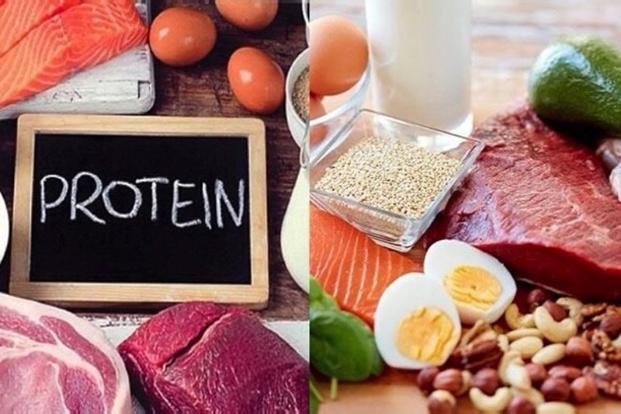
- Increase your intake of carbs and fats:Eating plenty of carbohydrate- and fat-rich foods should be a top priority at every meal. To gain weight, you should eat at least three meals a day and ensure they include plenty of fat, carbs, and protein.
- Increase your intake of energy-rich foods:To gain weight, you should consume energy-rich foods because they contain more calories relative to your weight, helping you increase your calorie intake without dieting.
Some high-energy foods that can help you gain weight include:Nuts (almonds, walnuts, macadamia nuts, and peanuts). Dried fruits (raisins, dates, prunes, and others). Full-fat dairy products (whole milk, full-fat yogurt, cheese, and cream). Fats and oils (extra virgin olive oil, avocado oil). Grains (oats, brown rice). Meat (chicken, beef, pork, and lamb; you can also choose fattier cuts). Root vegetables (potatoes, sweet potatoes, and yams) and other energy-rich foods (dark chocolate, avocado, peanut butter, coconut milk)...
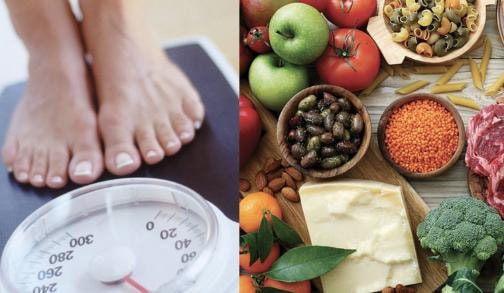
However, you should avoid eating too many fruits and vegetables if you want to gain weight, as the fiber in fruits and vegetables can make you feel full faster and leave no room in your stomach for higher-energy foods.
In addition, you should avoid drinking water before meals, eat several small meals throughout the day, choose nutrient-rich foods, get enough sleep, and exercise regularly, especially strength training, which can stimulate appetite and help you gain weight by building muscle. However, the time it takes to gain weight varies greatly from person to person.


