
"The people" will be history!
In just one more day, starting July 1st, 2025, administrative units at the provincial and centrally-administered city levels, including districts, towns, and cities, will officially cease operations. Allow me to respectfully and affectionately refer to these district, town, and city-level administrative entities as "People"...
.png)
Khanh DanJune 29, 2025
In just one more day, starting from July 1st, 2025, administrative units under provinces and centrally-governed cities, including districts, towns, and cities, will officially cease operations.
Allow me to refer to these administrative entities with the respectful and affectionate term "people".
The local government administrative system has been transformed and streamlined from three levels to two: province and commune/ward/special zone. This is a major step, demonstrating the strategic vision and strong determination of the Party and the State in reforming institutions, streamlining the apparatus, enhancing efficiency and effectiveness, and reducing budget expenditures to promote stronger development and better serve the people.
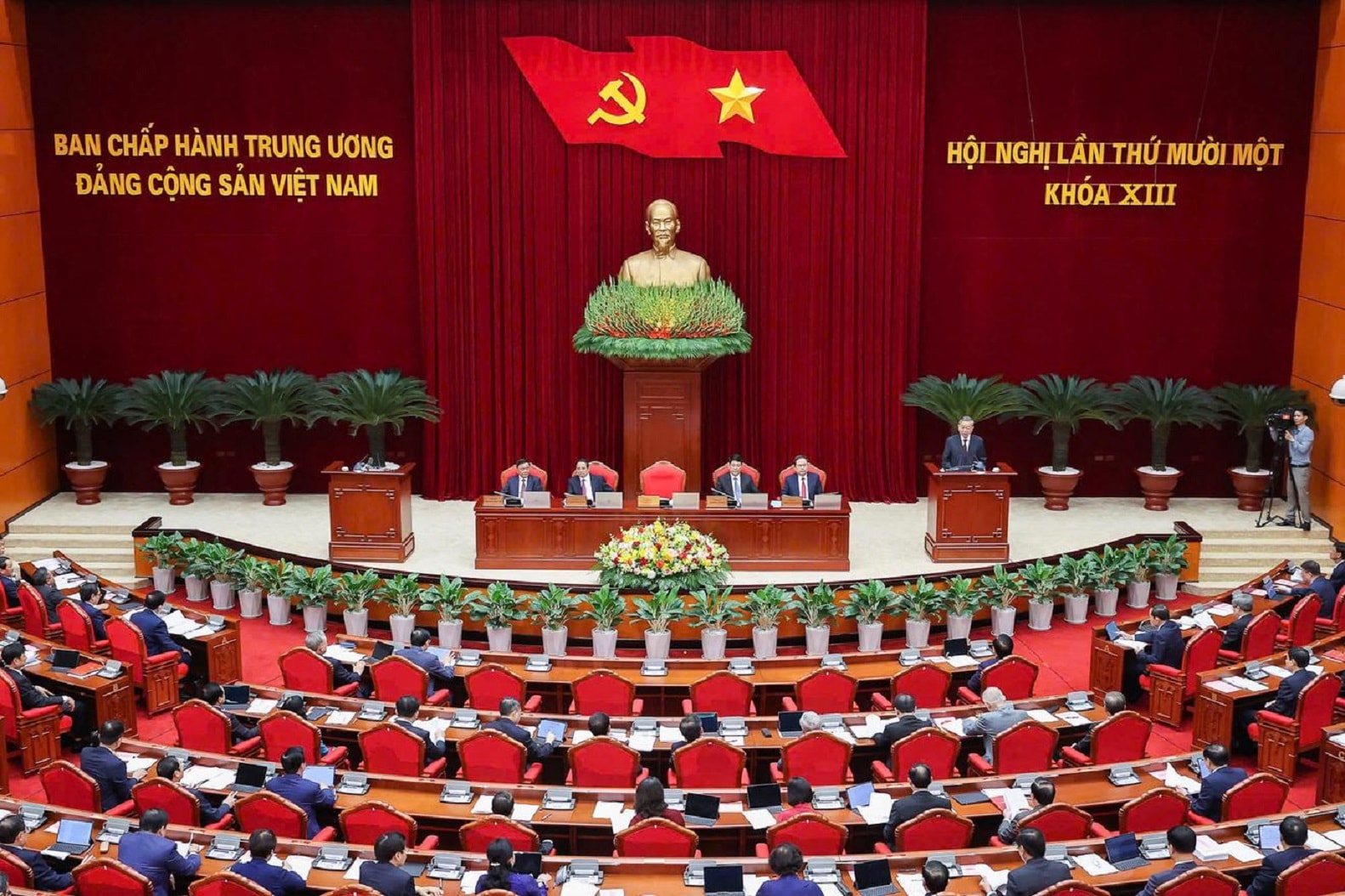
This policy is correct, aligns with the people's will, and is logically consistent with the development trend of a modern administrative system. Cadres, Party members, and the people have high consensus and confidence in the success of this revolution (as General Secretary To Lam stated), and believe that the new model will usher in a period of faster and stronger development for the country, closer to the people in its mission of service. However, amidst the bustling atmosphere of a new chapter, there will be quiet moments passing in the minds of those who have been closely associated with the district level.
There will be those who today sit silently in their familiar chairs at their desks, by the window of the office building, where in just a few hours the historical role of the district level will come to an end. I recall the words of the General Secretary, essentially saying that a revolution will inevitably bring profound changes, that some things will cease to exist, and we understand this as sacrifice. The sacrifice here is not only the rights and benefits of the officials, but also the withdrawal of their image – for they will go down in history.
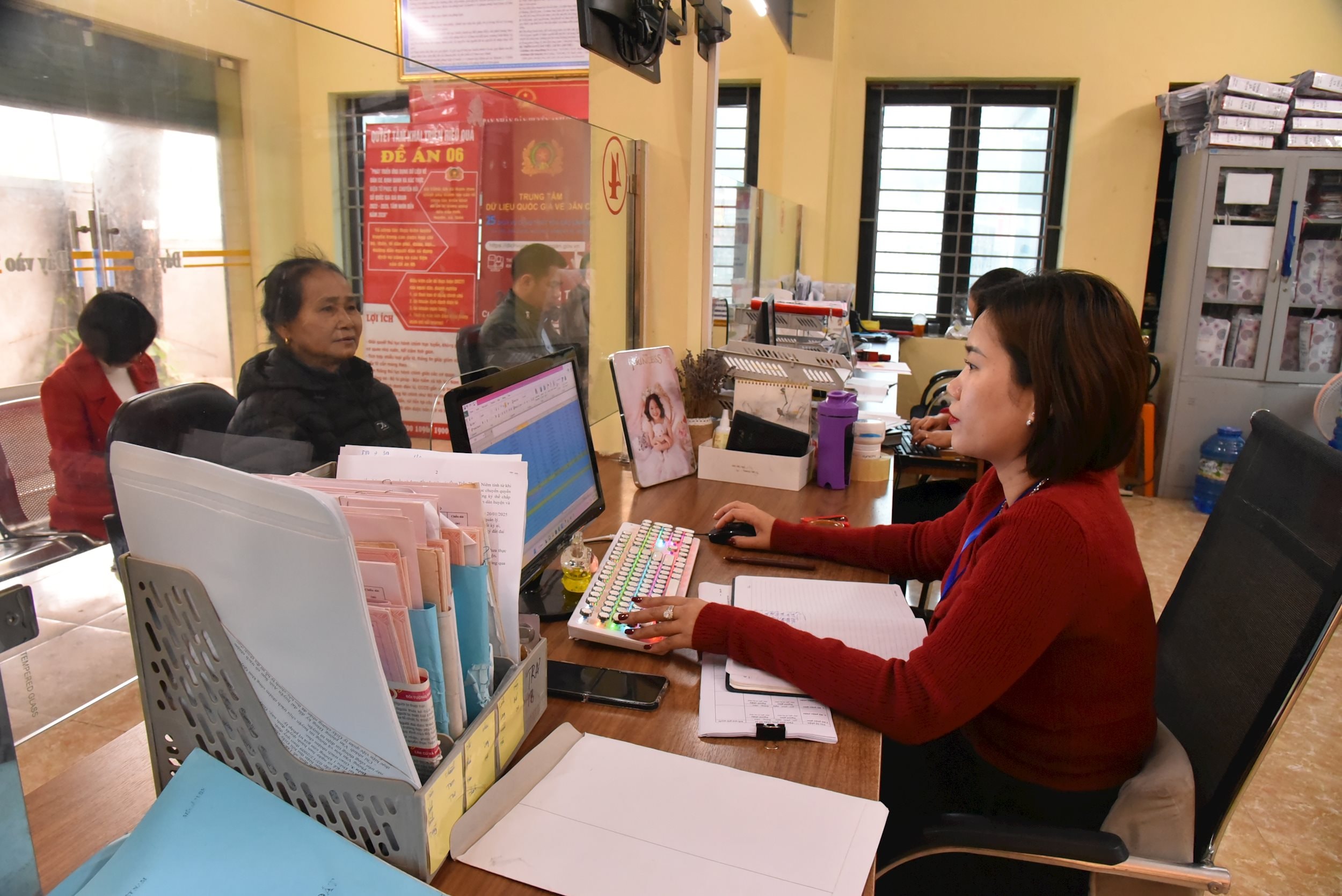
Something like a breeze will sweep through the corridors still warm with human presence, where familiar footsteps will soon fade away in the years to come. From the District Party Committee Office to the District People's Committee's Citizen Reception Room, from the Economic and Infrastructure Department to the Education and Training Department's meeting hall… everywhere is steeped in memories, recollections of a challenging yet glorious era, marked by proud milestones. So many officials have passed through these places, leaving behind their youth, intellect, faith, and silent dreams of transforming their homeland.
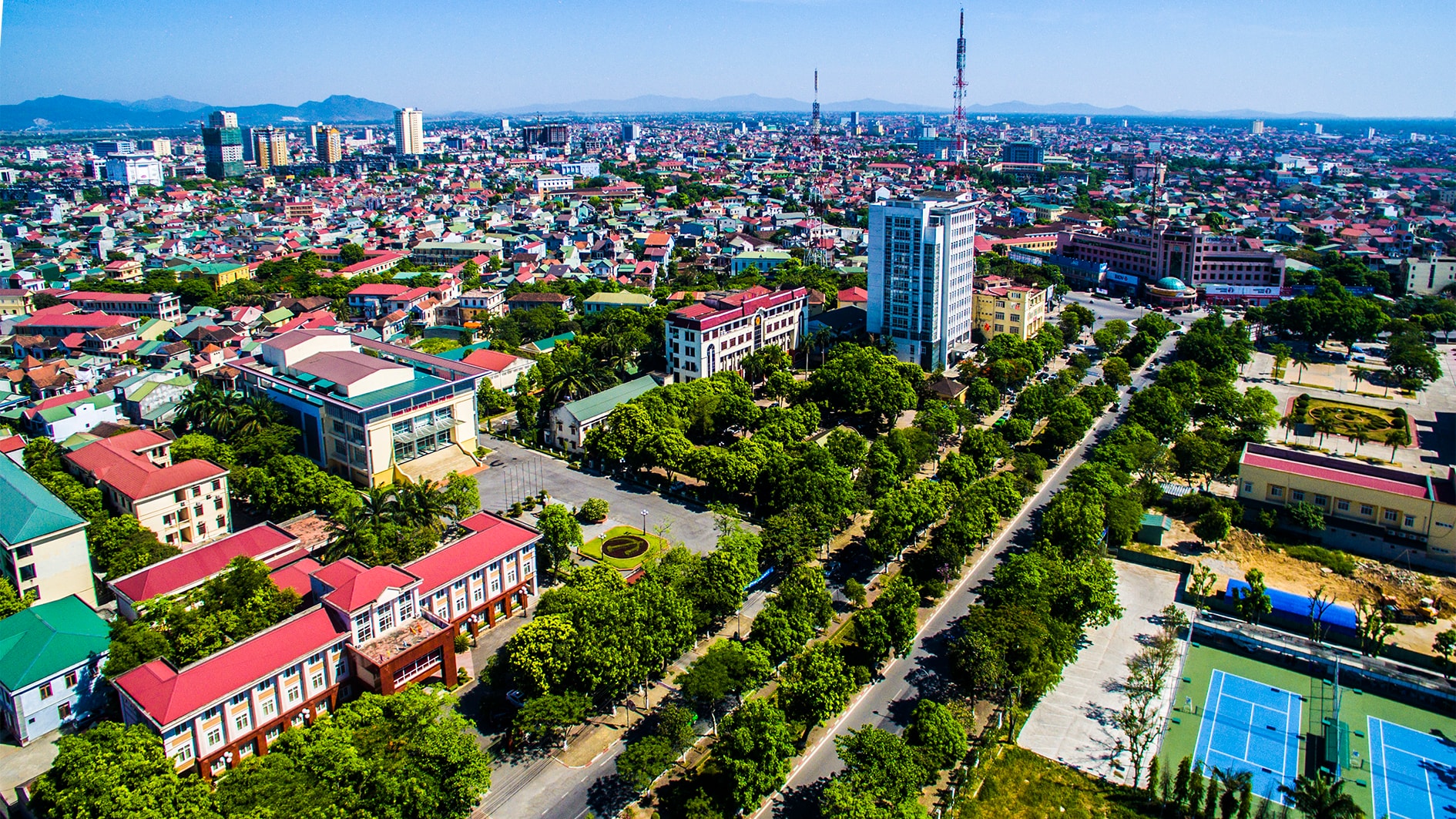
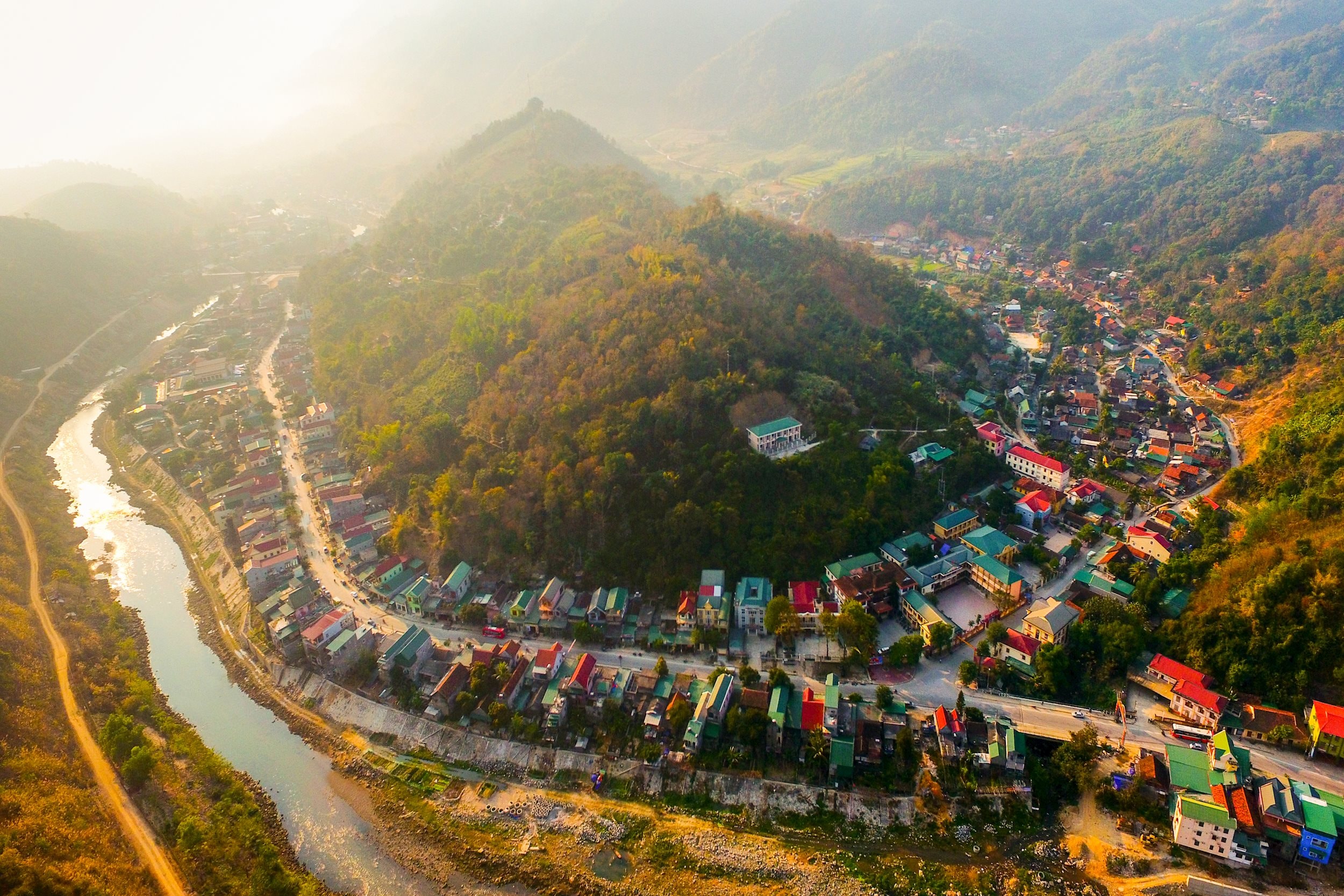
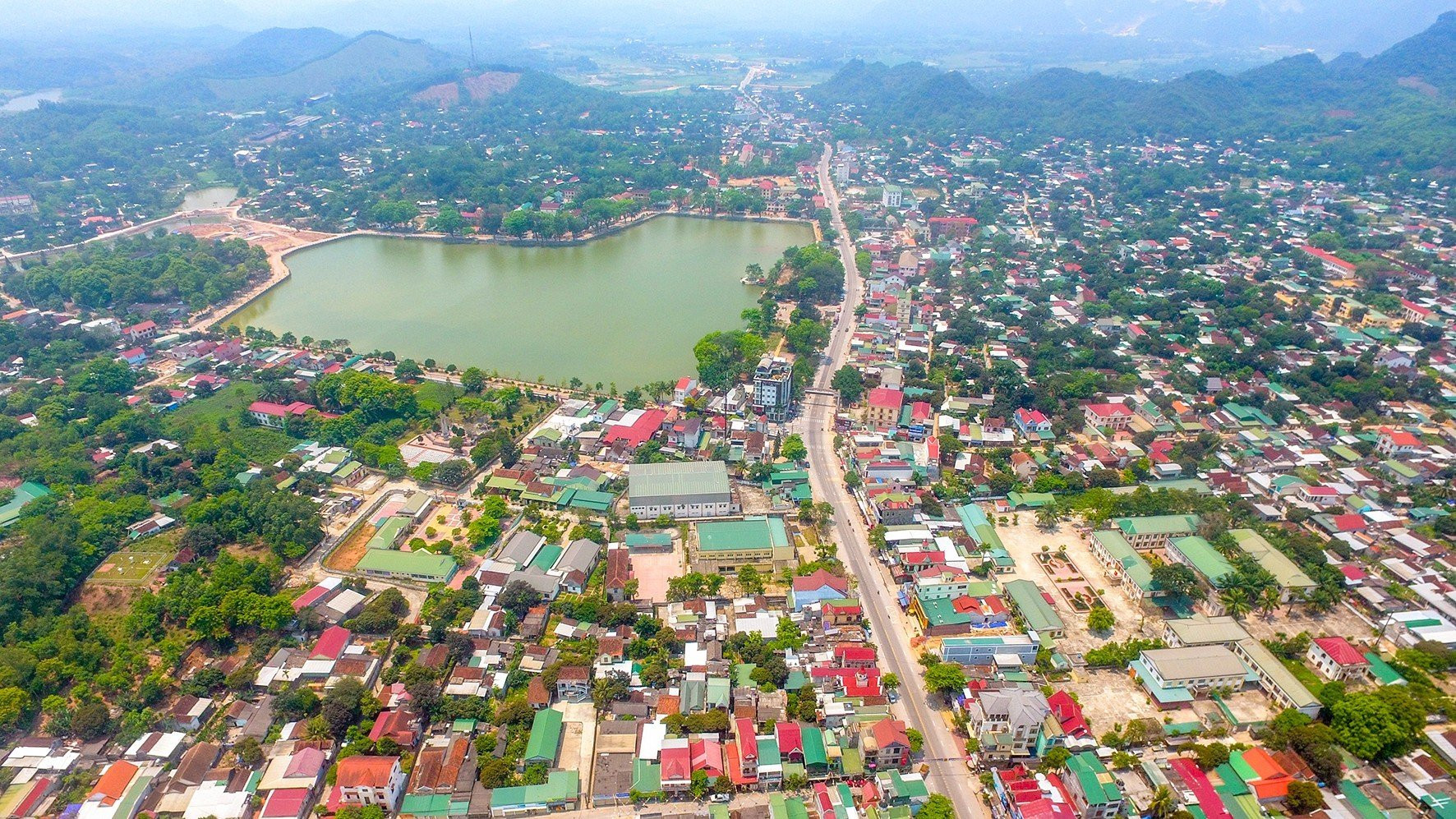
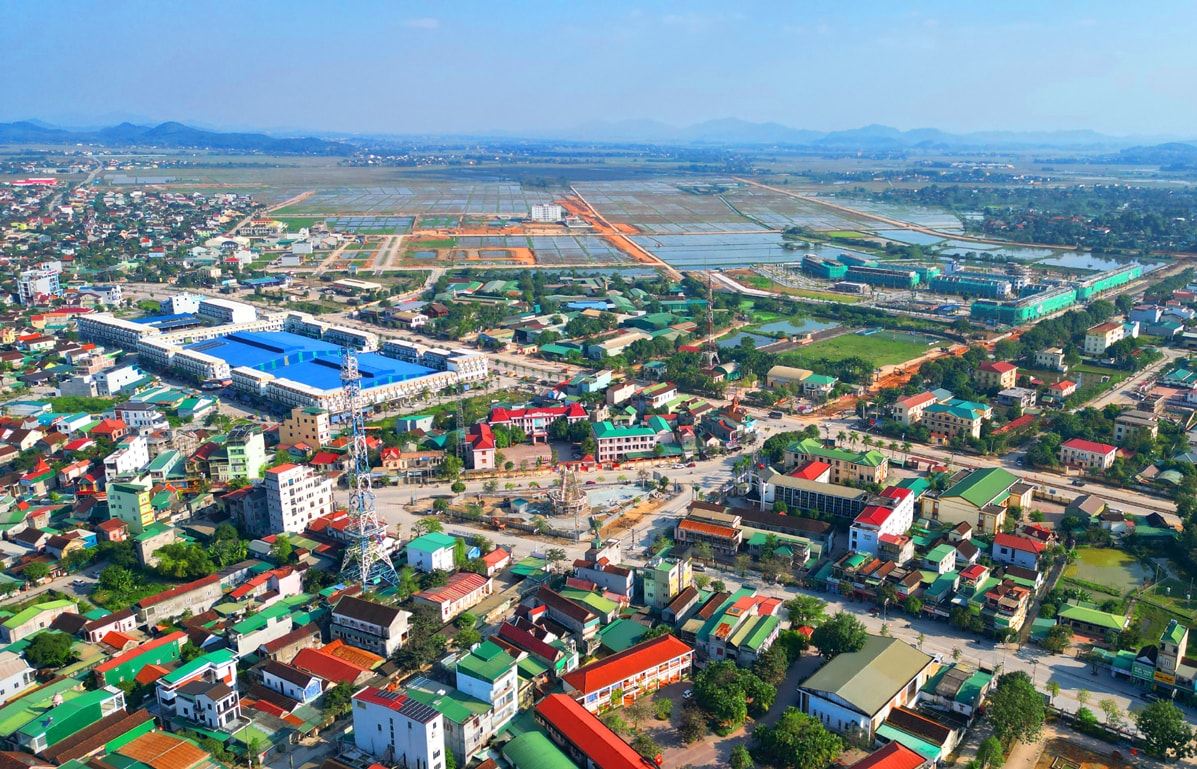
The district level – though only the "middle tier" in the three-tiered administrative system – has never diminished in importance throughout history. From the days when the country was engulfed in the flames of war, the revolutionary district-level government served as a conduit for central government orders to the grassroots, organizing logistics, mobilizing young people to go to the front, and caring for the lives of people in the rear areas. During those brutal years, district-level officials were both leaders and soldiers, sometimes messengers, other times the ones who "connected the lifeline" to keep an entire region alive…
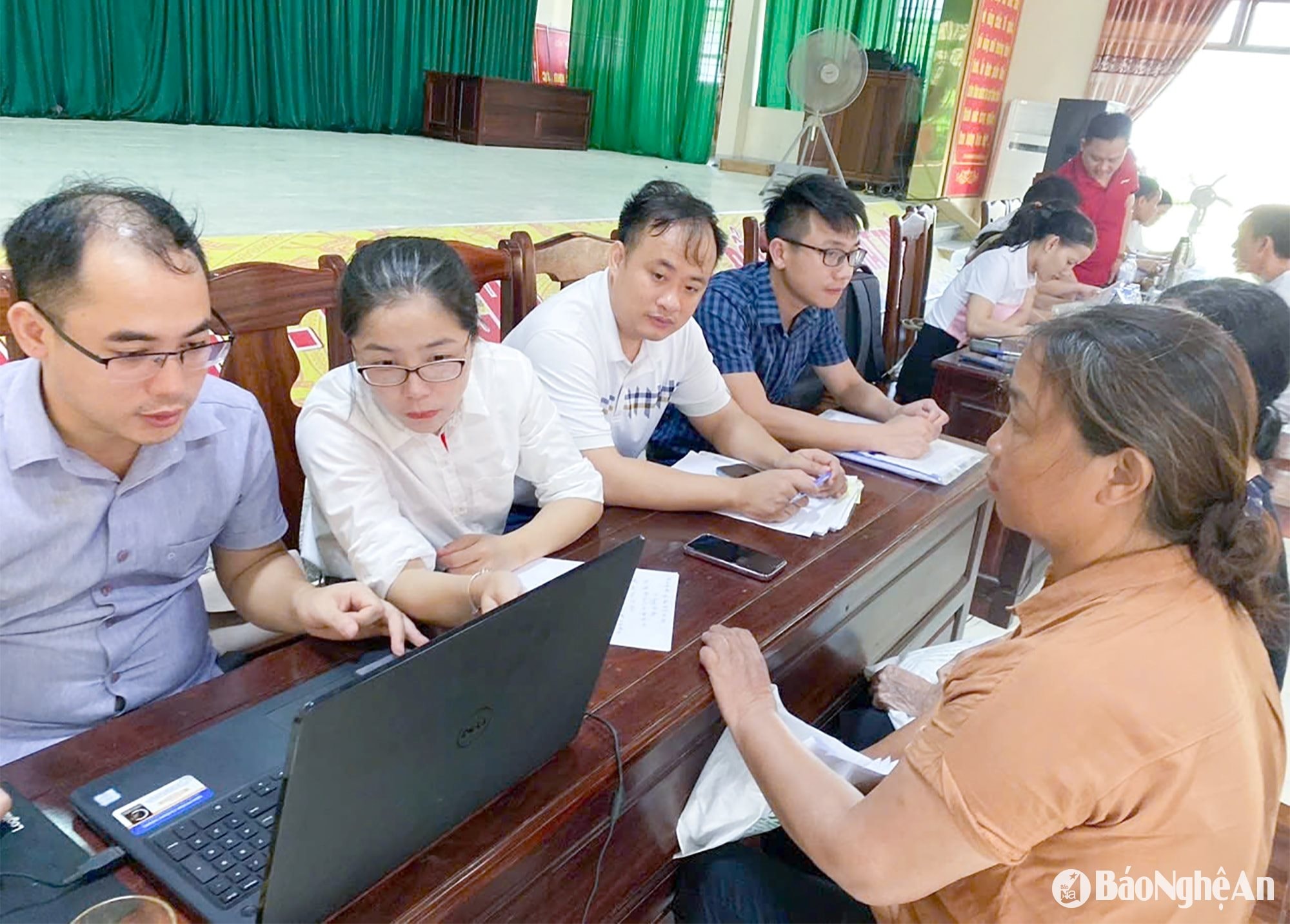
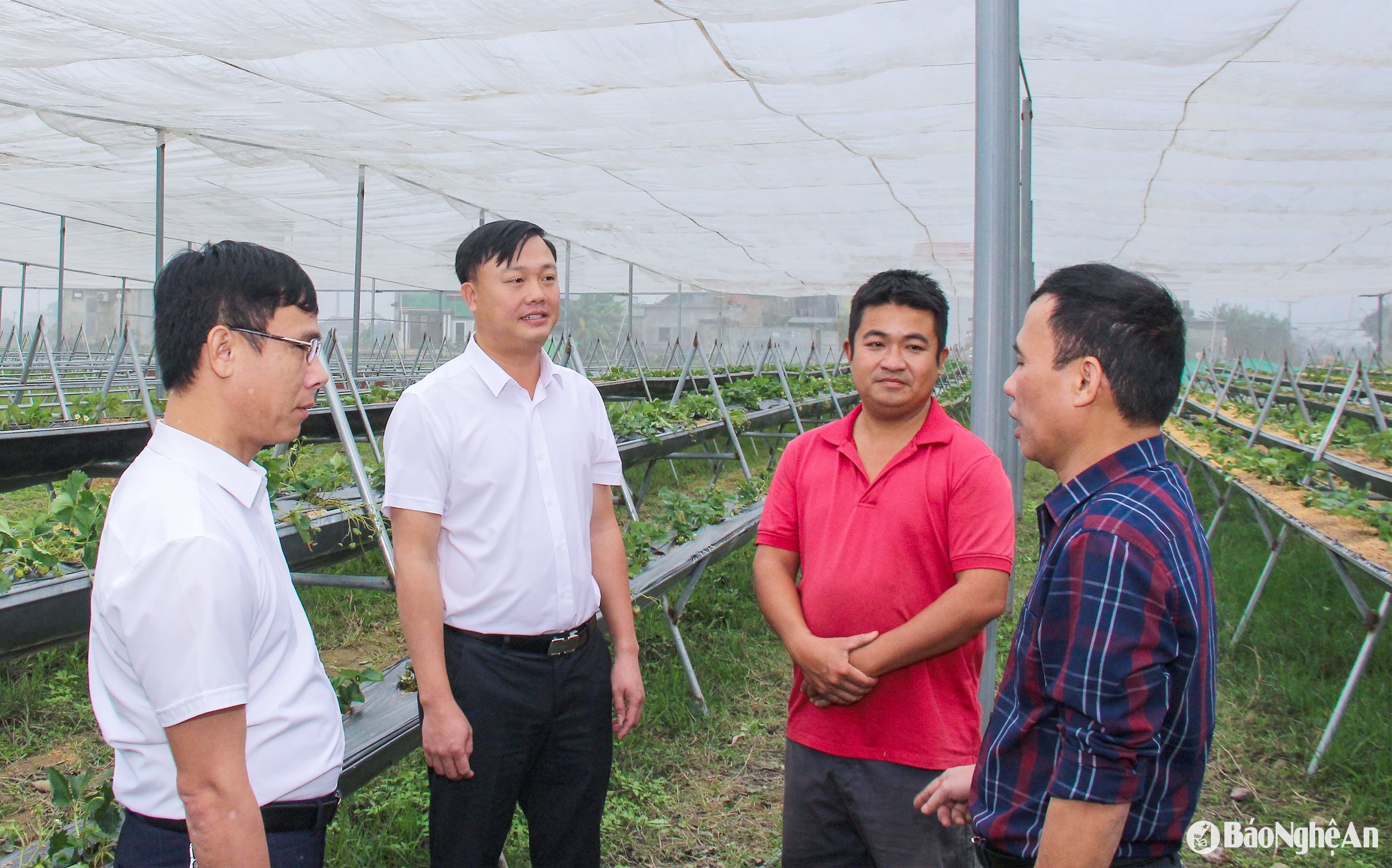
As the country entered peacetime, the district level became the place for leadership, guidance, and implementation of policies and guidelines from higher levels to the grassroots, and for serving the people in all aspects of social life. From building new rural areas, developing infrastructure, education, healthcare, poverty alleviation, cultural preservation, to administrative reform – all passed through the organizational and operational hands of district-level officials. Every paved road, every school built, every health station established, every poor commune transformed into a prosperous one – all bear the mark of the sweat and dedication of the quiet people here. The district level is also the place for training, honing, and testing cadres for the cause of building the homeland and the country. The district level is where defense zones are built and ensured, protecting the peace and security of the people's lives, and serving as a pillar of national unity throughout its history.

.jpg)
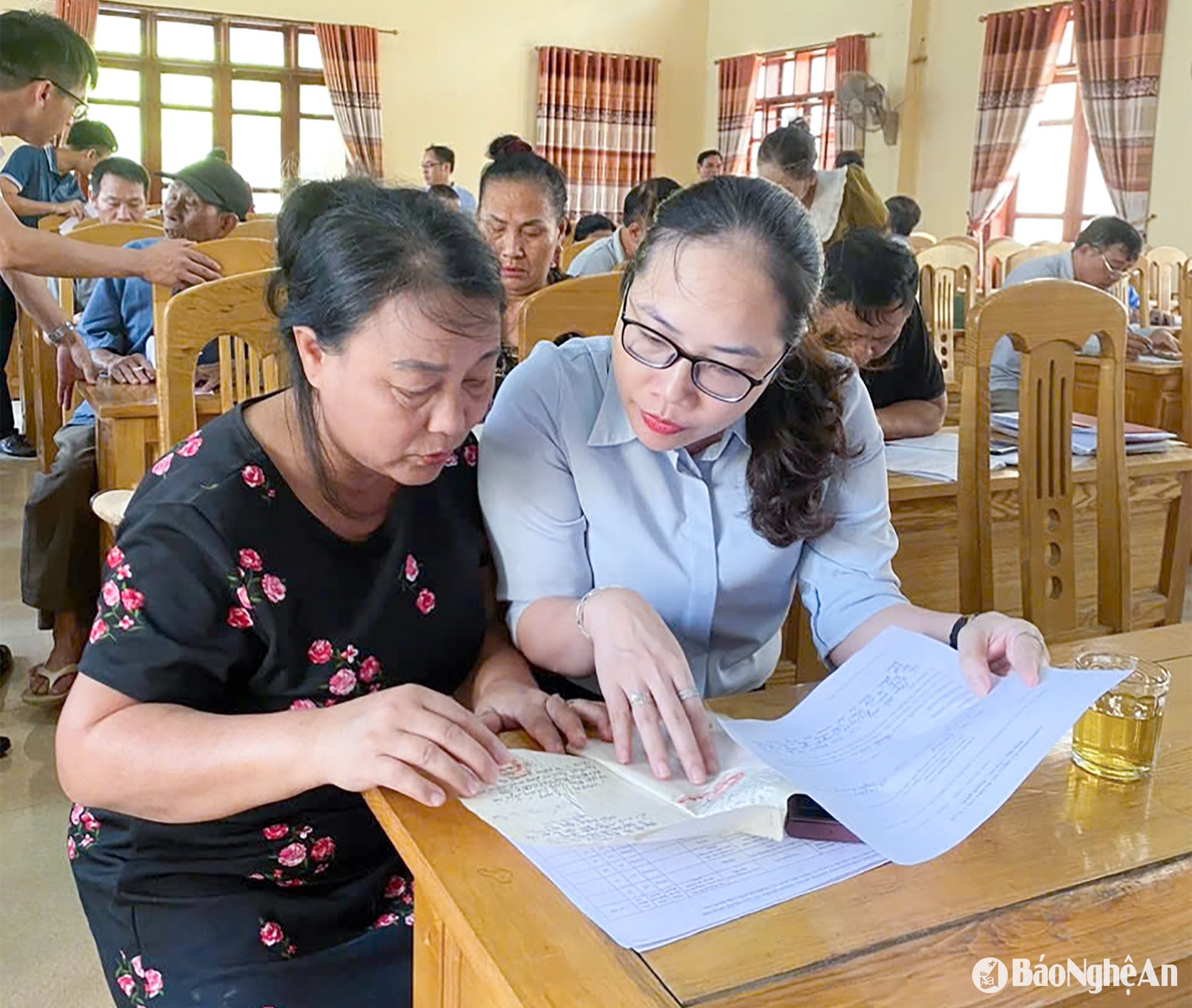
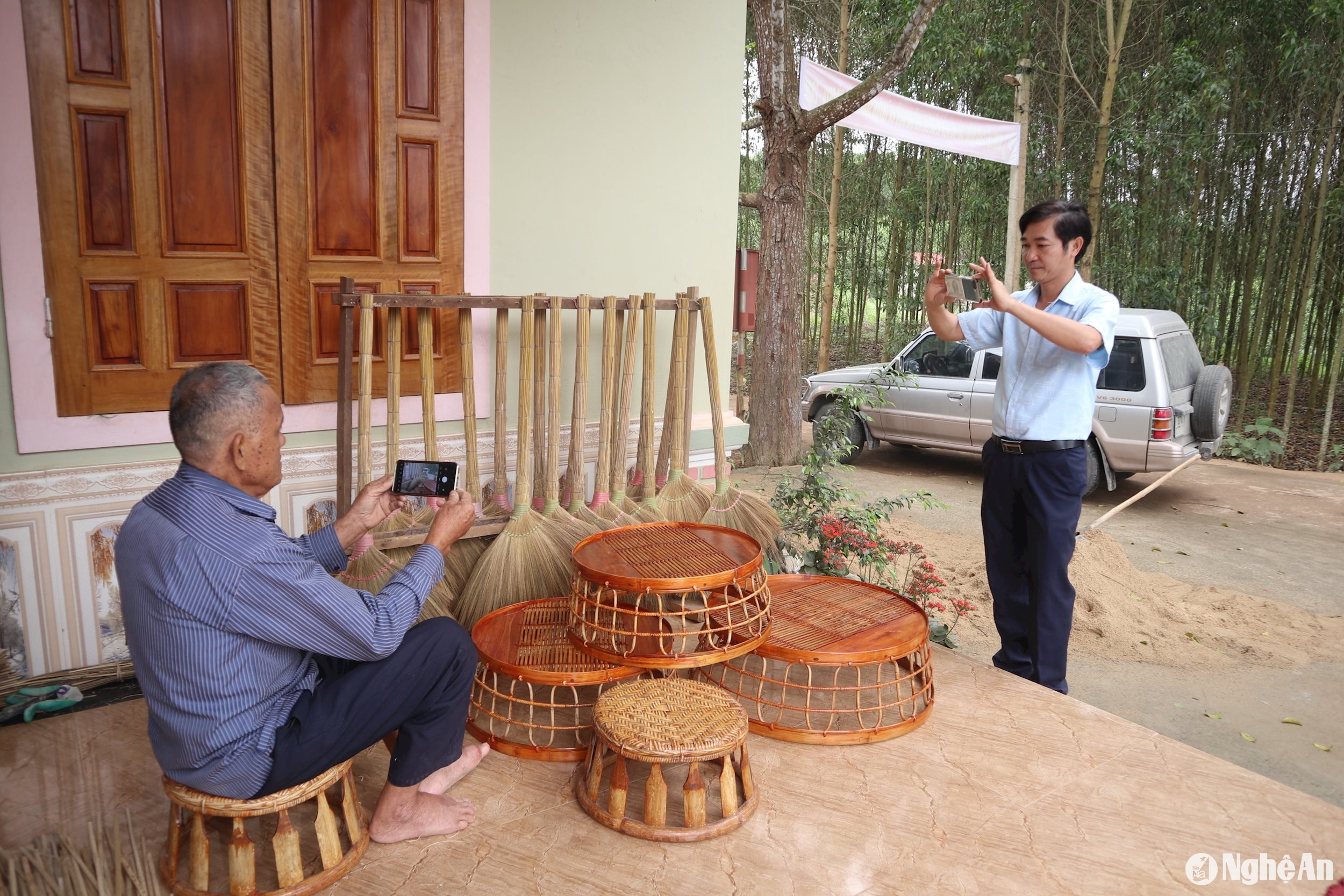
It can be asserted that, for nearly 80 years, without the district level, major policies would have been very difficult to fully and effectively reach every village and hamlet in the community. Without the district level, the path between policy and practice would be much more arduous. The district level is a strong bridge between theory and life, between guidelines and the people.
For nearly 80 years, since the country gained independence, the district level has played a pivotal role in keeping the government machinery running smoothly, continuously, and stably. Science, technology, and engineering are developing rapidly and powerfully today. So much so that, whereas in the past people couldn't imagine a mobile phone, today even talking about a "flat world" is easily ridiculed because it's still considered outdated. These achievements allow people to simplify procedures and processes, optimize operations, and increase the efficiency of the administrative apparatus, helping to overcome all obstacles of the physical space, constantly increasing labor productivity, and enabling machines and technology to do things that humans couldn't do... The change in the model of state administrative management is inevitable.
We understand that the district level, serving as an intermediate level in the local administrative system, has fulfilled its historical mission. However, the farewell to the district level inevitably causes concern among those who were once associated with it. They understand that this is an inevitable development, a necessary transformation, making way for a streamlined, modern model. But emotions are hard to suppress – how can one not feel nostalgic and wistful when looking back at the walls that once displayed portraits of Uncle Ho, along with work calendars, local maps, the place where countless emergency meetings took place during storms and floods, or where solemn ceremonies were held to admit new party members and reward dedicated officials? The familiar phrases "going to Con Cuong district," "going down to Vinh city," or "going to Dien Chau district" will no longer exist; they will only remain in the poems and songs of yesteryear and in the subconscious of generations who have lived through these historical years. We understand, the people understand, and share this very human feeling!
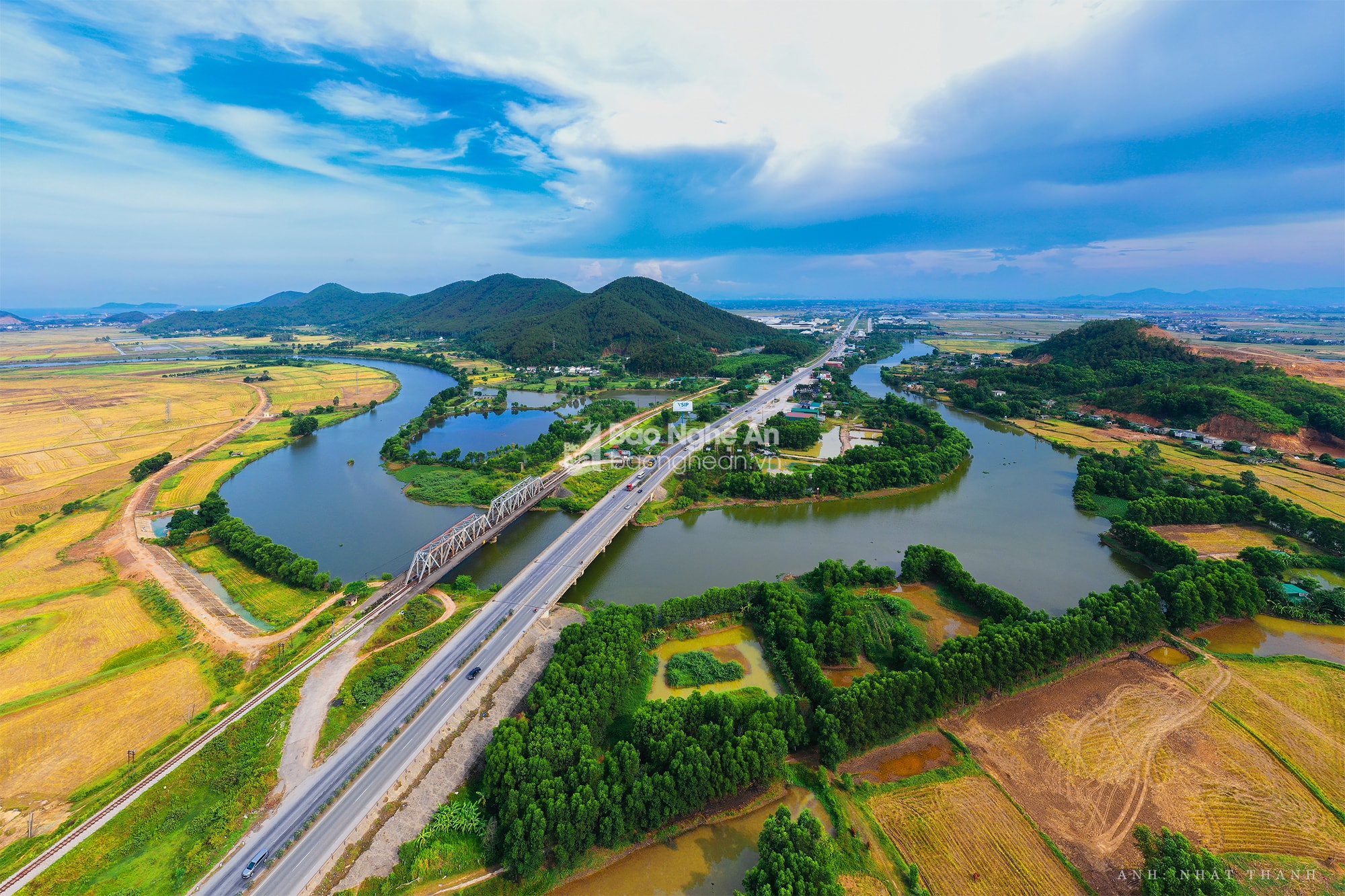
Some officials are requesting early retirement, some are transferring to provincial-level agencies, and others are preparing to return to work in communes... And surely, many cannot avoid feelings of nostalgia, regret, and a sense of loss. Don't hastily assume they are regretting losing power or status. They are nostalgic for a bygone era – a historical period in which they made small but responsible and dedicated contributions. They remember their former colleagues, the reunions with retired officials during Tet (Lunar New Year), the image of people coming to the district office when they needed assistance, the late-night work sessions, the inspection trips to remote, dusty areas filled with laughter. The image of the district chairman, though sometimes hot-tempered and even scolding, the accountant at the committee office, though occasionally frowning when approving expenditures… all have now become priceless memories. And deep down, they are also proud.
Proud to have been a part of a glorious period in "his" life. Proud that my efforts, however small, have contributed to laying the foundation for a new future, a more modern, efficient, and people-oriented administrative model.
We view the "sacrifice" of "people" not as an end, but as a rebirth - a necessary transition to enable the entire political system, from the central to the local level, to operate faster and more flexibly in the era of digital transformation and comprehensive integration.
As July 1st approaches, the names "District People's Committee...", "District Party Committee...", "District Department of Internal Affairs...", "District Party Committee's Organization Department..." will no longer appear on administrative signs. But in the memories of millions of people, especially those who have lived, studied, or worked in their hometowns, the image of the district-level political system will remain. It's the place associated with annual briefings and conferences for officials and employees, with year-end reviews of professional work and individual performance evaluations, and with afternoons spent playing volleyball and badminton on sports fields filled with the carefree laughter of the mountain people... It's the place that has witnessed the gradual changes in people's lives, where officials diligently worked regardless of sun, rain, or holidays, for the goal of serving the people.
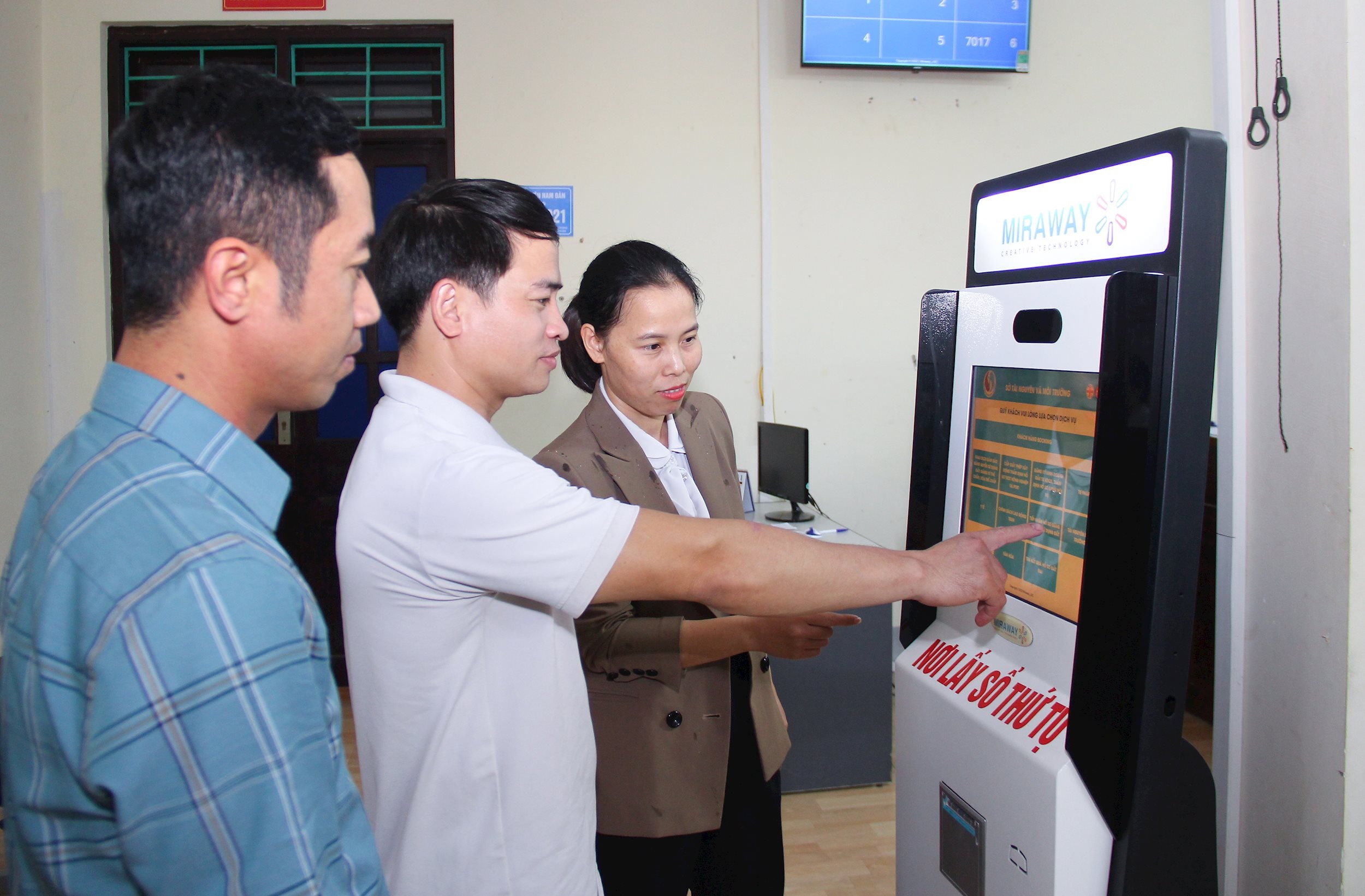
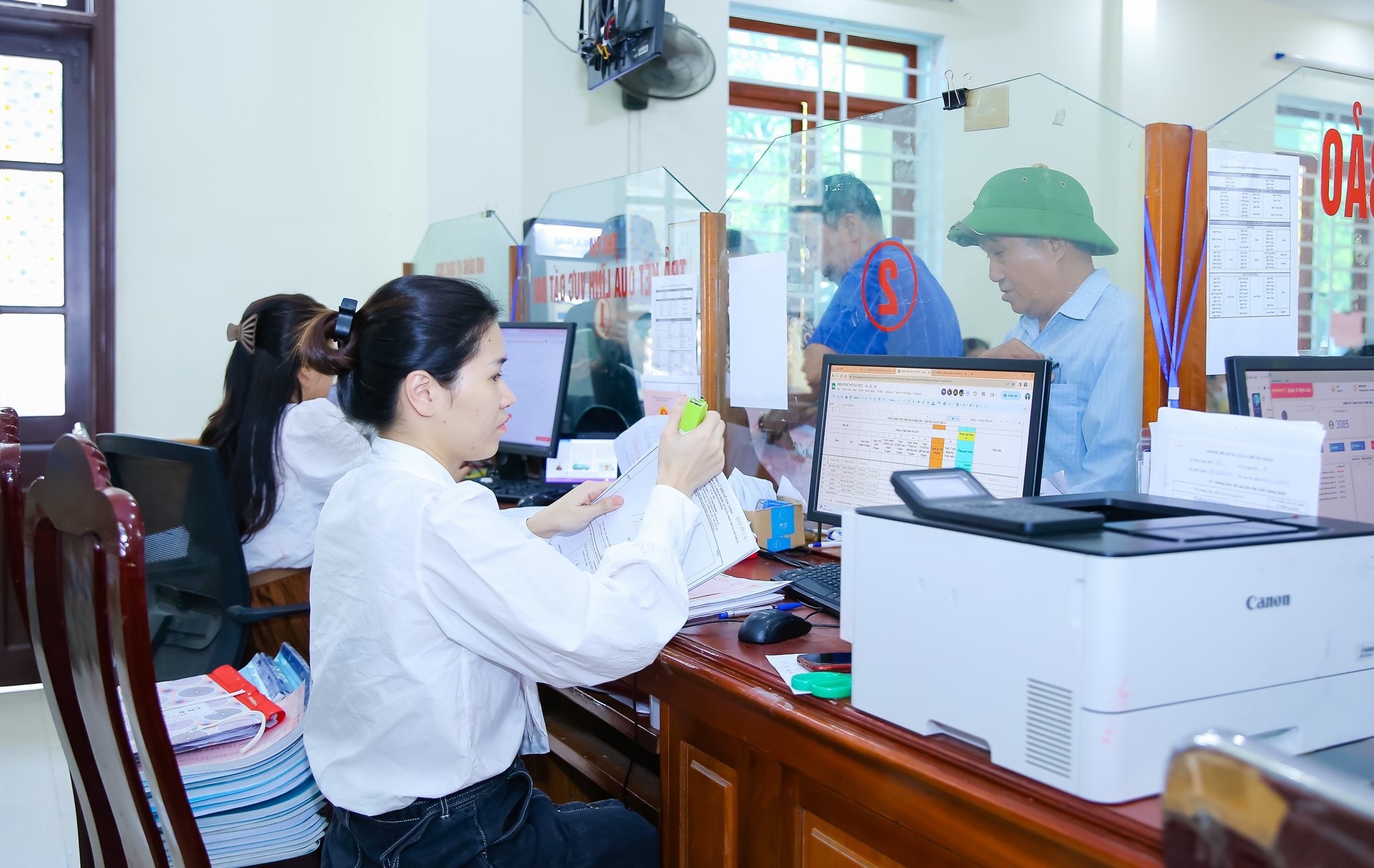
We will remember, be grateful for, and cherish what "he" has contributed over the past several decades. He was not merely a formal "intermediate level," but a pillar who fulfilled his historical mission. And today, having completed his task, he departs from us in the posture and image of a guardian deity, leaving behind a rich, systematic, and highly organized administrative legacy – a valuable foundation for the two-tiered administrative model to continue its steady progress. An old chapter closes, a new horizon opens. Those who were once district-level officials will continue to contribute, will continue to accompany the people in new positions, within a new model. They carry with them not only experience, but also memories – beautiful, warm, meaningful, profound, and full of pride.
Thank you, "the leader," and your team of officials for your contributions throughout history and for your strong support of this revolution initiated and led by the Party, enabling the country to rise!
"The man" departed to merge with the people!


