
Nhon Mai: Balancing economic development and preserving cultural identity.
Nhon Mai commune is focusing on promoting comprehensive development in all fields, with a sustainable development orientation linked to preserving the national cultural identity. The main focus is on improving the quality of the cadre, transforming the economic structure rationally, promoting the application of science and technology, overcoming the consequences of natural disasters, stabilizing people's lives, and protecting the ecological environment.
Special border communerichidentity
Nhon Mai commune is a border commune of Nghe An province, established by merging Nhon Mai and Mai Son communes, formerly part of Tuong Duong district. With a natural area of 31.026 km², it is one of the largest communes in the province. Currently, the commune manages 21 villages and hamlets with a total population of approximately 6,890 people, corresponding to nearly 1,465 households. The inhabitants are mainly ethnic minorities such as the Thai, Mong, and Khmu, accounting for 99.79% of the population, along with a small number of Kinh people. This diverse population structure has created a rich cultural space, contributing to the formation of the distinctive identity of the western border highlands of Nghe An.
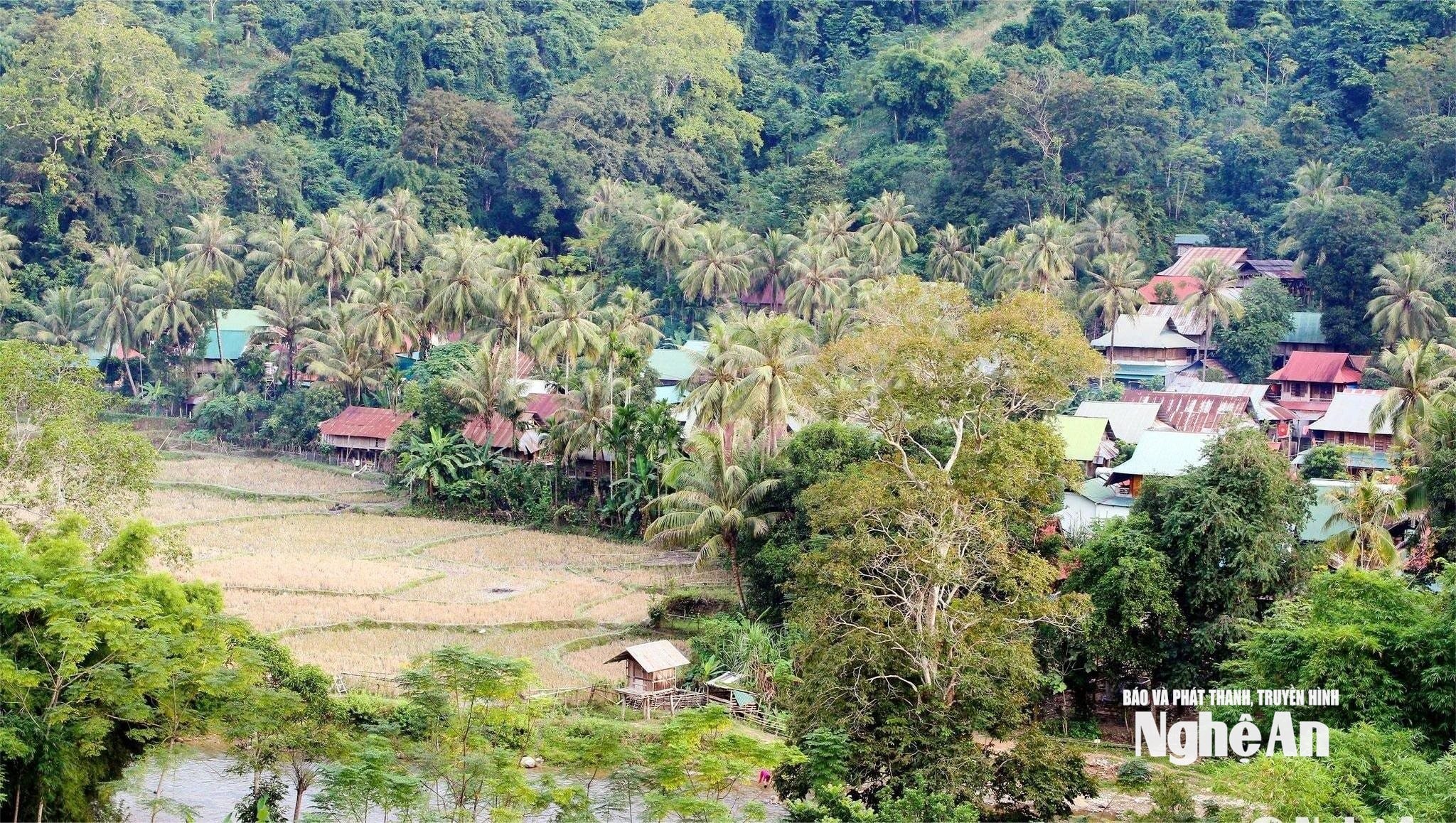
Geographically, Nhon Mai commune shares a border with the Lao People's Democratic Republic, stretching over 28 km. The commune comprises five border villages: Huoi Co, Huoi Man, Pha Mut, Pieng Coc, and Pha Khao, and manages nine border markers (numbers 381 to 389). This location holds particular importance in protecting territorial sovereignty and maintaining security and defense in the border region.
The commune's terrain is primarily mountainous and forested, interspersed with streams and ravines, creating a diverse natural ecosystem with rich potential for agricultural and forestry development, as well as ecotourism. Ethnic minority villages are scattered along the mountain slopes and stream banks, retaining their pristine character with traditional stilt houses, thatched roofs, or roofs made of Pơ Mu wood – characteristic of the local ethnic communities.
Culturally, Nhon Mai commune preserves many precious traditional values such as folk festivals, customs, traditions, costumes, and unique cuisine of the Thai, Mong, and Khmu people. These are not only valuable cultural assets but also a foundation for building a rich spiritual life and developing sustainable community tourism.
Despite numerous challenges such as fragmented terrain, inadequate transportation infrastructure, uneven development levels, and the increasingly evident impacts of climate change, with the efforts of the Party Committee, Government, and people, along with support from preferential policies for remote, mountainous, and border areas, Nhon Mai commune is gradually transforming, leveraging its internal strengths, and effectively exploiting its existing potential to achieve sustainable development and improve the lives of its people.
Achieving comprehensive breakthroughs during the 2020-2025 term.
During the 2020-2025 term, Nhon Mai commune has undergone significant changes in many areas, especially in socio-economic development, strengthening national defense and security, and improving the lives of its people.
.jpg)
The average economic growth rate reached 5.2% per year, and the economic structure shifted positively: agriculture, forestry, and fisheries still accounted for a large proportion but decreased to 74%; industry and construction increased to 11%; and services and trade reached 15%, a 6% increase compared to the beginning of the term. Average per capita income increased to 18.8 million VND per year; and local budget revenue reached 140 million VND, a 40% increase.
The agricultural sector has seen significant progress, with the widespread adoption of high-tech agricultural production models such as integrated farming systems (VAC), confined cattle farming, cultivation of golden flower tea, and fragrant root crops, contributing to increased income and environmental protection. To date, the commune has two products that have achieved OCOP 3-star status. The area for aquaculture and the number of fish cages have both increased sharply, with a production of over 86 tons, a 42.6% increase.
The industrial and handicraft sectors have also gradually developed, reviving traditional crafts such as brocade weaving, rattan and bamboo weaving, knife forging, etc., creating jobs and income for the people. The service and trade sectors have grown at an average rate of 15.17% per year, and infrastructure for commerce, transportation, consumer services, and ecotourism has been expanded, with Nha Vang Waterfall tourism being a highlight.
The implementation of the new rural development program has yielded many positive results. Numerous infrastructure projects have been invested in with a total budget exceeding 44 billion VND; over 12 km of roads have been upgraded; and new electricity systems, schools, cultural centers, and People's Committee offices have been constructed. Several villages have met the new rural development standards, and the rural landscape has visibly improved.
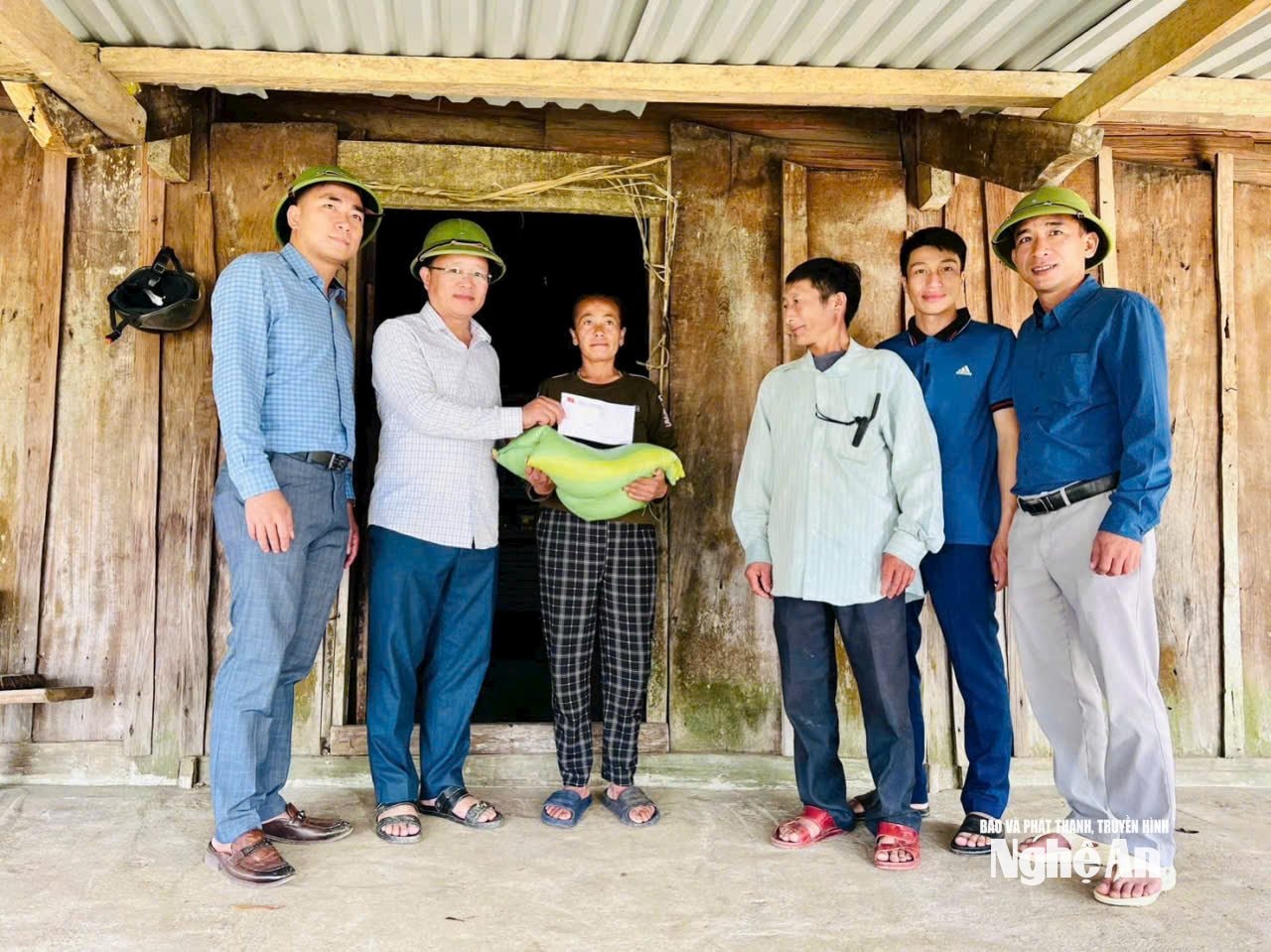
The socio-cultural sector has seen synchronized development. The quality of education has improved, with 100% of students completing universal education; school facilities have been systematically invested in. Healthcare has been prioritized, with commune health stations meeting standards and 100% of the population covered by health insurance. Disease prevention and control programs, especially those related to Covid-19, have been effectively implemented. Social security is ensured, with support for repairing and renovating 785 houses for poor households, creating over 960 new jobs, and sending 12 workers abroad.
Resource management, environmental protection, and administrative reform have seen many positive changes. The percentage of households using clean water has reached 99%; over 80% of land disputes have been successfully resolved through mediation. The application of information technology in governance and public services is increasingly effective, and the level of citizen satisfaction has improved.
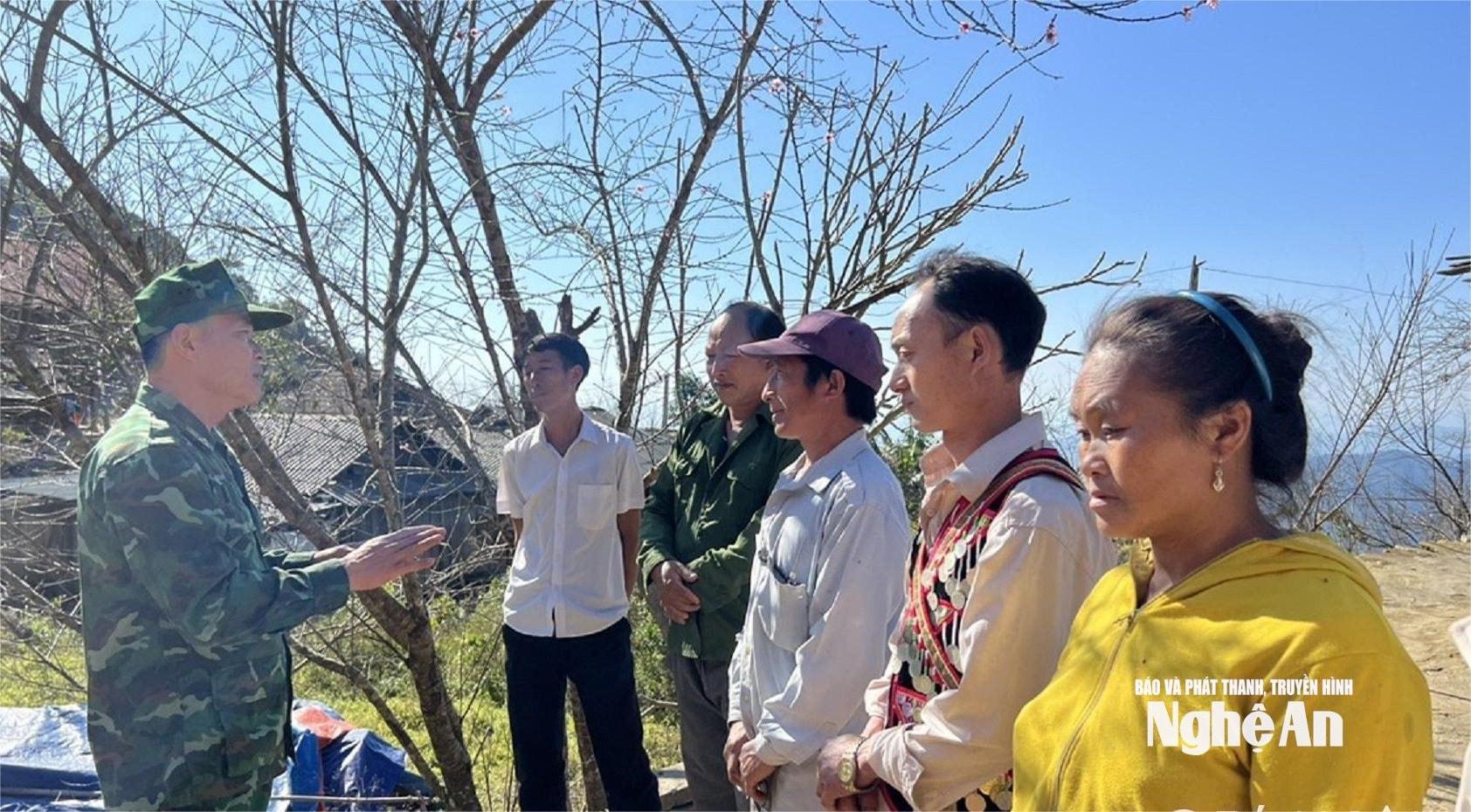
In the field of national defense and security, the commune has successfully carried out the task of building a defense zone, organizing defense zone exercises, and coordinating patrols to protect the border and boundary markers. Political security, social order, and safety have been basically maintained, preventing the emergence of hotspots; drug prevention and control, residence management, and issuance of citizen identification cards have been implemented synchronously and effectively.
Sustainable development, preserving cultural identity.
Entering the 2025-2030 term, Nhon Mai commune has set the overall goal of stabilizing the local government structure at two levels after the merger, continuing to build a strong political system, developing a sustainable economy, and comprehensively improving the lives of the people. This includes economic development coupled with rational structural transformation, infrastructure modernization, disaster relief, strong digital transformation, preservation of cultural identity, environmental protection, national defense and security, and maintaining national border sovereignty. Nhon Mai commune aims to build a relatively developed, sustainable locality with a strong national identity.
To realize that goal, the commune has set 22 key targets in the fields of economy, culture and society, environment, national defense and security, and Party building. Based on an assessment of the practical situation and the requirements of the new period, the commune has identified 5 groups of key tasks and 2 groups of crucial solutions, and at the same time, selected 3 strategic breakthroughs as a foundation for comprehensive development.
The first breakthrough is to improve the quality of cadres, civil servants, and public employees, promoting the exemplary role and responsibility of leaders, and gradually building an honest, effective, and efficient administrative apparatus. In this process, Party committees and governments at all levels will strengthen inspection and supervision, screen the workforce, replace weak cadres who fail to complete their tasks or have low credibility, and at the same time, encourage cadres who dare to think, dare to act, and dare to take responsibility for the common good.
The second breakthrough is to promote the application of science and technology and comprehensive digital transformation in all areas of social life. From agricultural production, education, and healthcare to government operations, administrative agencies will continue to reform towards streamlining and efficiency, using the satisfaction of citizens and businesses as a measure. E-government will gradually transition to digital government, promoting transparency, improving operational efficiency, and contributing to building an open, modern, and service-oriented public administration.
The third breakthrough focuses on addressing the consequences of natural disasters and stabilizing the lives of people in severely affected areas, especially households whose homes were destroyed by landslides, buried, or who had to be relocated. Simultaneously, efforts will be made to create a "bright, green, clean, and beautiful" living environment, raising community awareness about preserving the landscape and protecting natural resources. The people of Nhon Mai commune will continue to be nurtured and develop their positive qualities: patriotism, diligence, creativity, solidarity, civilized living, respect for morality and compassion, respect for the law, and preservation of the cultural traditions of the ethnic groups. This is not only a goal but also the foundation for Nhon Mai commune's sustainable development, being both modern and rich in its unique identity.
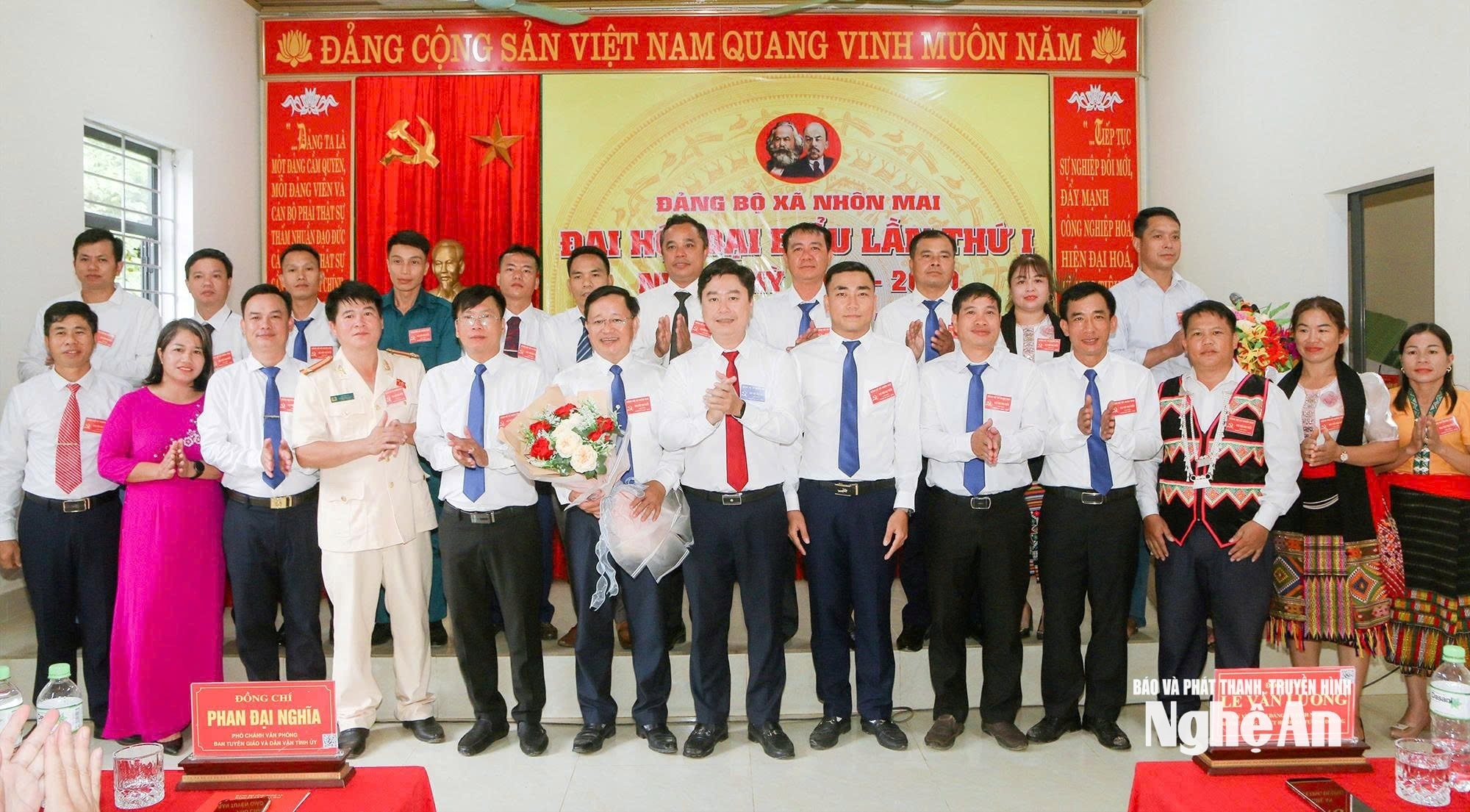
The Executive Committee of the Nhon Mai Commune Party Committee for the 2025-2030 term consists of 24 members, and the Standing Committee of the Commune Party Committee consists of 9 members. Comrade Mac Van Nguyen is the Secretary of the Party Committee and Chairman of the Commune People's Council; Lu Xuan Ha is the Standing Deputy Secretary of the Commune Party Committee; and Le Hong Thai is the Deputy Secretary of the Party Committee and Chairman of the Commune People's Committee.


