
Things you absolutely must know when traveling to South Korea independently.
South Korea is an increasingly popular destination for Vietnamese tourists. If you're planning a self-guided trip to South Korea, what should you keep in mind and prepare for?
The article below will provide you with some useful information to consider when choosing to travel to South Korea.
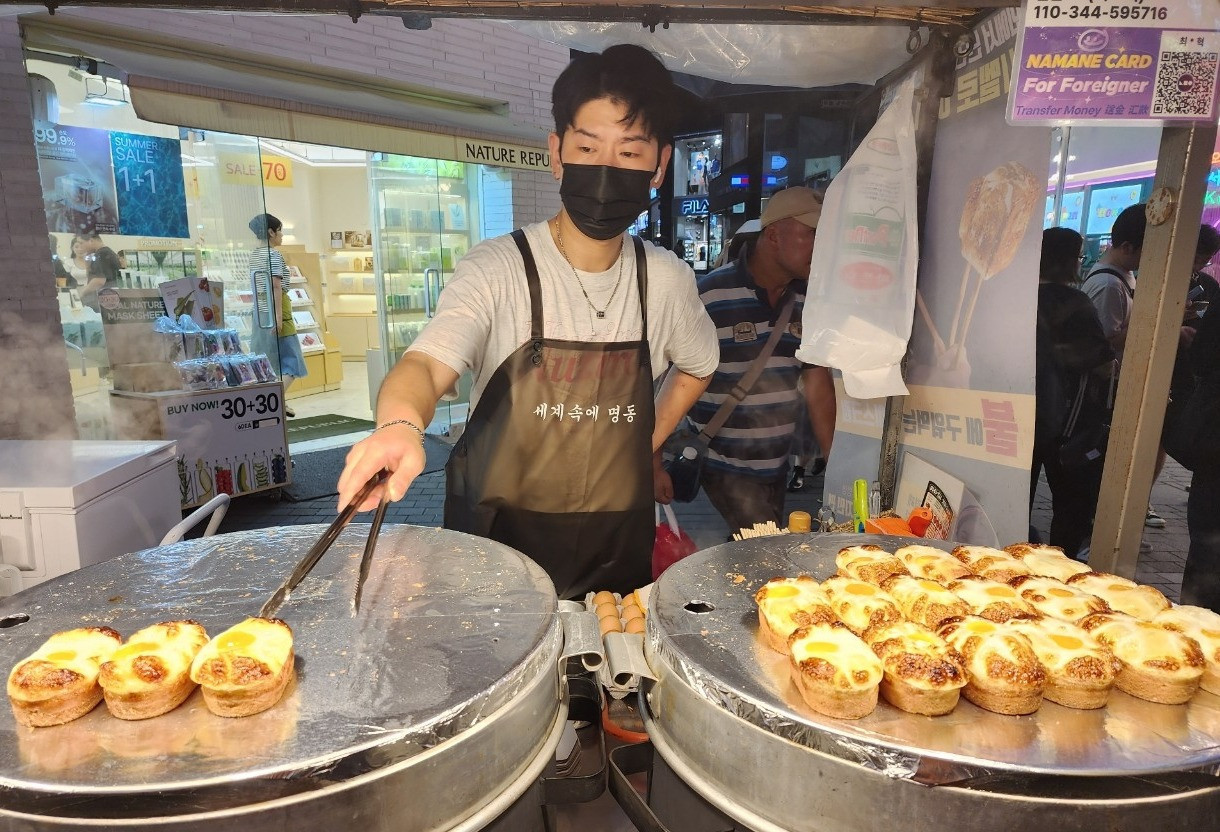
Pay
If you don't want to carry too much cash, prepare a Visa or Mastercard. All supermarkets, department stores, and even taxis in South Korea accept card payments. However, the exchange rate for Won paid via card may be higher than when you exchange cash in Vietnam.
Another way to avoid carrying too much cash on a long journey is to withdraw money from ATMs, which are often located inside department stores. Of course, the exchange rate for withdrawing Won from these machines is also higher.
Travel
The public transportation system in South Korea is relatively complex. You can use Google Maps to find your way, just like in Vietnam. This app will provide detailed instructions on which bus or subway number to take and how to get to your destination.
However, for greater convenience, you should use Naver Map – a popular navigation app in South Korea. This app provides detailed directions for each option: bus, subway, taxi, or walking. A major advantage is that it shows the estimated cost for each mode of transport at the time of your search.
Taxi fares in South Korea are calculated based on travel time, not distance. Based on my personal experience, taxi drivers in South Korea drive quite fast, without wasting time or trying to take detours. Expected taxi fares on Naver Map are usually accurate or slightly higher than the actual fare.
The starting fare for a taxi in Seoul is 4,800 Won (approximately 88,000 VND), and the price is often 3-5 times higher than a taxi in Vietnam. If you want to save on transportation costs, you should only call a taxi for short distances and when traveling in a group.
Train and bus fares are much cheaper, usually only around 1,200-1,500 Won (22,000-27,000 VND) for a one-way trip. Children's tickets are only half the adult price. However, if you take the train or taxi, you have to walk quite a bit to get to the train/bus station and when changing trains/buses.
Bus travel time is often twice as long as taxi travel. To call a taxi, you should install Kakao Taxi – a popular app in South Korea.
Passengers choosing to travel by bus should note that some routes in Seoul do not accept cash. Therefore, you need to download the T-money app and then top it up (using a Visa/Mastercard) to pay. This app can be used to pay for bus, subway, and taxi fares. Even some convenience stores accept T-money payments.
When boarding the bus, open the app, press the payment button, and then place the back of your phone against the touch-sensitive payment terminal on the bus column next to the driver's seat. Before getting off the bus, do the same at the exit terminal's touch-sensitive terminal so that you won't be charged a second time when transferring to the next bus.
If you're on the subway, you open the app, swipe the back of your phone against the sensor on the entrance and exit doors to automatically deduct the fare and open the doors. In taxis, the T-money machine is usually located on the armrest between the two front seats.
You can also use this app by purchasing a physical card to swipe. The card usually costs 400-500 Won and is sold at convenience stores in train stations, airports, and throughout the city.
If you're not overly concerned about costs or if you're traveling with elderly people or young children, the best option is a taxi. This is because many attractions in South Korea require a lot of walking, so you should conserve your energy to avoid exhausting your group.
Eat and drink
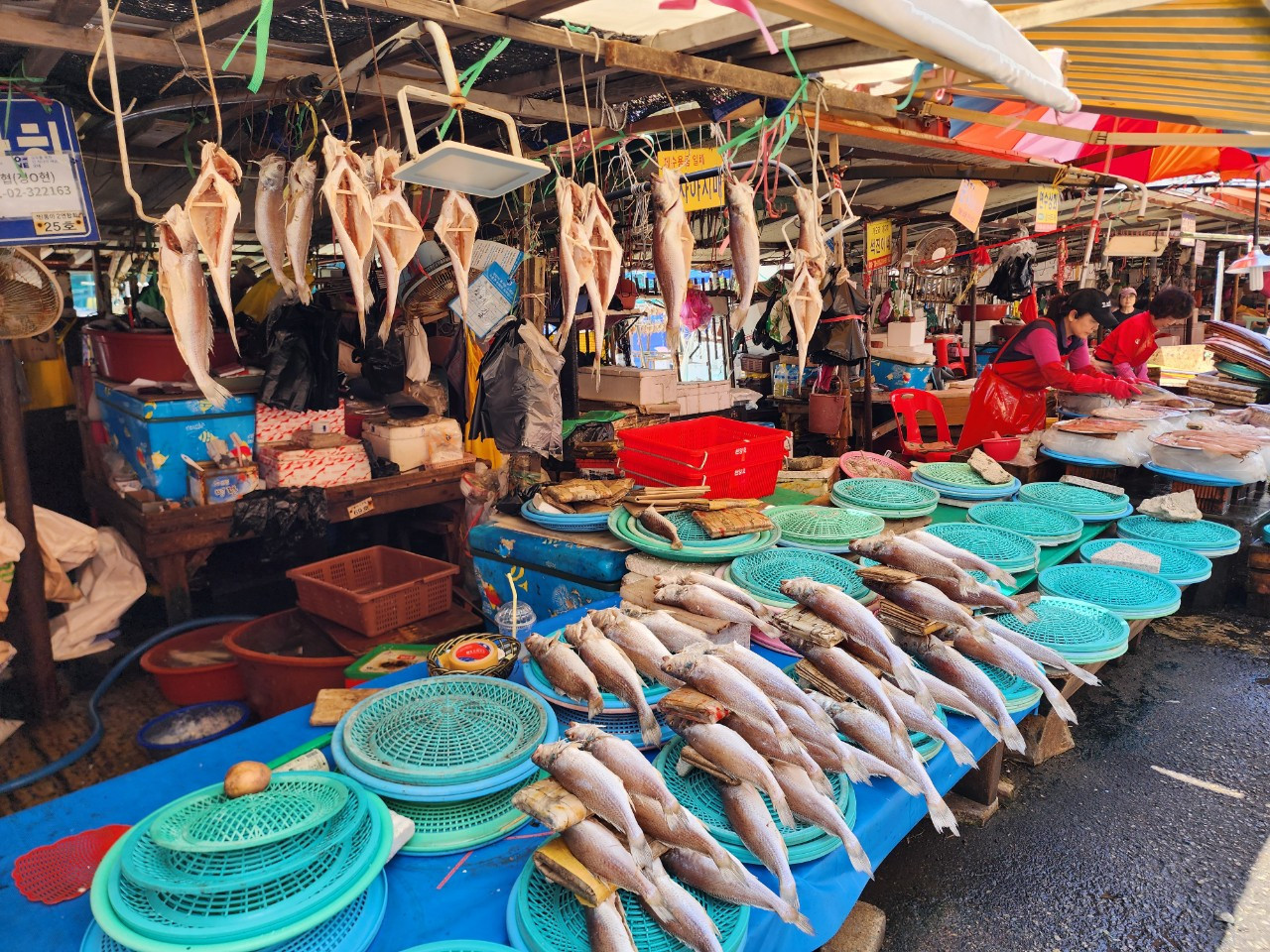
The cost of food in South Korea is quite high. Street food stalls usually serve rice dishes, mixed noodles, and grilled meat for 10,000-15,000 Won per person. More upscale restaurants with meat dishes will cost 20,000-30,000 Won per person.
Korean dishes don't often feature fresh or raw vegetables. Most vegetables are pickled in a sweet and sour brine and served as side dishes. No matter what you order, you'll receive 3-5 small side dishes, which are included in the price of the main course. You can eat as many as you like without any limits.
Hotel
Hotels in the city center typically cost around 1-2 million VND per night. Guesthouses, hostels, or homestays will be cheaper. You can book accommodation through booking apps.
It's especially important to note that hotel check-in time in South Korea is usually 3 PM. Check-out time is between 11 AM and 12 PM.
Hotels often allow guests to leave their luggage in the lobby until check-in. Some hotels charge a fee for luggage storage. You should inquire about this before leaving your luggage to avoid any disputes.
Language
South Korea has an aging population, so you'll encounter many elderly people on the streets and in jobs like shops and taxi driving. However, elderly Koreans often don't speak English.
Young and middle-aged people in Korean tourist destinations don't all speak English well. It's a good idea to prepare a translation app in case you encounter any difficulties.


