
Harmful misconceptions about car tires.
Tires are the most important part of a car, but misconceptions among users cause them to wear out quickly.
Tires are the parts of the vehicle that are constantly in contact with the road surface, supporting the entire weight of the vehicle, minimizing vibrations from the road to the car body, and thus providing a comfortable ride for users.
However, not everyone fully understands tire-related issues, and there are misconceptions about tires that prevent this component from performing at its best.
Uneven tire wear due to a defect.
Some users believe that tires usually wear evenly after a period of use, and that uneven wear is due to a tire defect. However, according to many experts, uneven tire wear is also caused by external factors.
There are many reasons why car tires wear unevenly, such as incorrect tire pressure, misalignment of wheel alignment, suspension problems, etc. If you notice uneven tire wear, you should take your car to a service center for inspection to determine the exact cause.
Tires with plenty of tread are still in good condition.
Checking the tread on a tire is a way to determine if it needs replacing. However, a tire with plenty of tread doesn't always mean it's in good condition.
According to manufacturers' recommendations, tires should be replaced after 5-6 years or depending on actual driving conditions to ensure safety.
Maximum pressure printed on the tire.
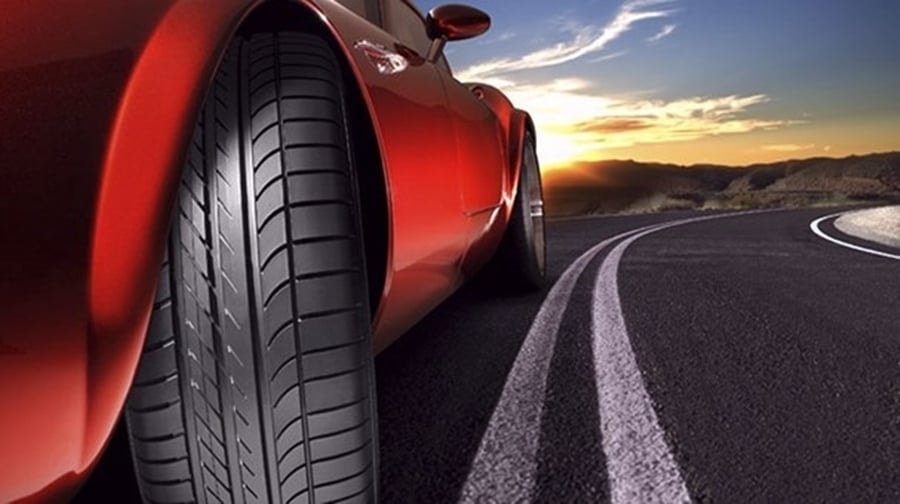
Applying tire specifications mechanically is a misconception. In reality, the pressure printed on a tire is the maximum pressure for a specific tire type at a given load. Tires need to be suitable for the car and its weight.
Therefore, the maximum tire pressure is provided by the car manufacturer, not the tire manufacturer. Users should find this information in their vehicle's owner's manual.
Only overinflated tires can cause a blowout.
This is a common belief among drivers, but in reality, the majority of tire blowouts are caused by underinflated tires. When tires are underinflated, the sidewalls weaken and have to withstand greater pressure. Consequently, the tire's contact surface with the road is also larger, leading to overheating and a higher risk of blowout.
The front tire is more important.
The idea that the front tires are more important is a common misconception. In reality, the rear tires play the primary role in maintaining balance when braking or turning, especially on wet and slippery roads.
The spare tire can be used for long journeys at high speeds.
A spare tire can be a lifesaver for drivers in emergency situations. However, it's a mistake to assume that a spare tire will give drivers peace of mind when traveling long distances at high speeds. This is only true if the spare tire is the same size as the main tires.
If the spare tire is smaller than the main tires, you should only drive the vehicle on the spare tire to the nearest repair shop.
All four tires need to be replaced at the same time.
Replacing all four tires simultaneously will help ensure safe driving. However, replacing all four tires when only one is faulty is unnecessary and costly. According to experts, customers should prioritize replacing the two rear tires first, as tires help maintain vehicle stability when driving on highways.


