
Things to keep in mind when eating jackfruit, lychee, and mango.
Jackfruit, lychee, and mango are all typical tropical fruits that are usually sweet in the summer. How should you eat them to avoid harming your health?
Jackfruit, lychee, and mango are in season – be careful of potential illnesses from eating too much.
Summer is inherently hot and uncomfortable, leading to many undesirable illnesses. But summer is also the season of fragrant flowers and sweet fruits, a time to immerse yourself in life and enjoy it in a new light.
Jackfruit, lychee, and mango are delicious and highly nutritious, packed with vitamins and minerals. However, did you know that eating these fruits incorrectly can actually harm your health?
 |
| Due to their warming properties, jackfruit, mango, and lychee can be harmful to some people with a naturally hot constitution, causing acne, boils, and rashes. |
Due to their warming properties, jackfruit, mango, and lychee can be harmful to some people with a naturally warm constitution, causing acne, boils, and rashes. The high sugar content in these fruits can cause a sudden spike in blood sugar; after eating a certain amount, you may feel dizzy and lightheaded.
According to Associate Professor Dr. Nguyen Thi Lam, in reality, fruits that are in season, such as jackfruit, mango, and lychee, contain a lot of sugar. If you eat a lot of them, you will feel a burning sensation after eating. "For people with blood sugar disorders, or those suffering from conditions such as diabetes, overweight, or obesity, the burning sensation after eating will be most noticeable."
Therefore, this group should limit their consumption of fruits that are very sweet and provide a lot of energy, such as jackfruit, mango, and lychee, as much as possible," the expert affirmed.
Furthermore, eating too much of these sugary fruits also increases the risk of diabetes because it raises blood sugar levels. Consuming fruits with high sugar content also harms the liver – indirectly causing internal heat, leading to acne, boils, and rashes.
 |
| According to Associate Professor Dr. Nguyen Thi Lam, in reality, fruits that are currently in season, such as jackfruit, mango, and lychee, contain a lot of sugar. |
So how do you properly eat "hot" fruits like jackfruit, mango, and lychee?
According to experts, although jackfruit, mango, and lychee may cause some health problems, that doesn't mean you should completely avoid them. You can still eat these fruits as long as you keep them within reasonable limits, follow proper eating guidelines, and consume them correctly to avoid harming yourself.
Associate Professor Nguyen Thi Lam emphasized that one should not eat large quantities of jackfruit, mango, and lychee at once. Each serving should only contain 80-100g of these sweet fruits. Below are specific guidelines on how to properly consume these fruits to protect your health:
 |
| You shouldn't eat too much jackfruit, mango, or lychee at once. |
Jackfruit
- You should only eat jackfruit 1-2 hours after eating it, not on an empty stomach, and not in the late afternoon or evening.
- Jackfruit should be eaten with other fruits to provide the body with additional essential vitamins and minerals.
- When eating jackfruit, chew thoroughly, especially the firm, chewy variety which is often hard to digest and can harm the stomach.
- For those prone to internal heat or acne, it's important to drink plenty of water and eat lots of green vegetables when eating jackfruit.
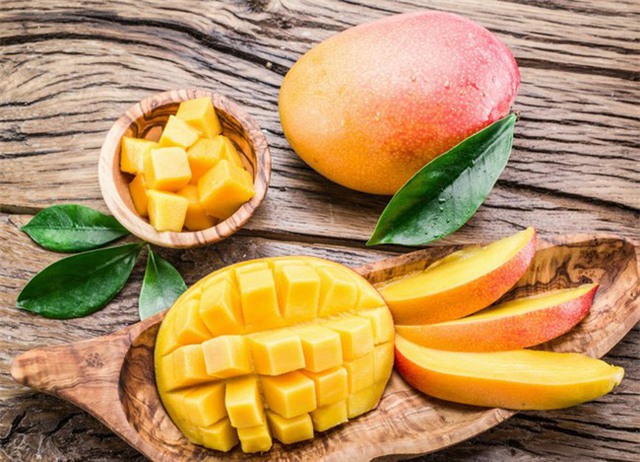
Mango
- Absolutely do not eat mangoes on an empty stomach, even ripe ones, because they are still sour and can harm your stomach. Furthermore, the sourness of this fruit will irritate the stomach, increasing gastric acid production and the risk of intestinal problems. Moreover, it can easily lead to temporary dizziness or poisoning when consumed on an empty stomach.
- Avoid eating overly ripe mangoes as you may not get the necessary amount of vitamin C for your body.
- Avoid eating too many mangoes at once, especially those with a tendency towards internal heat, rashes, overweight, obesity, or diabetes; they should limit their mango consumption.
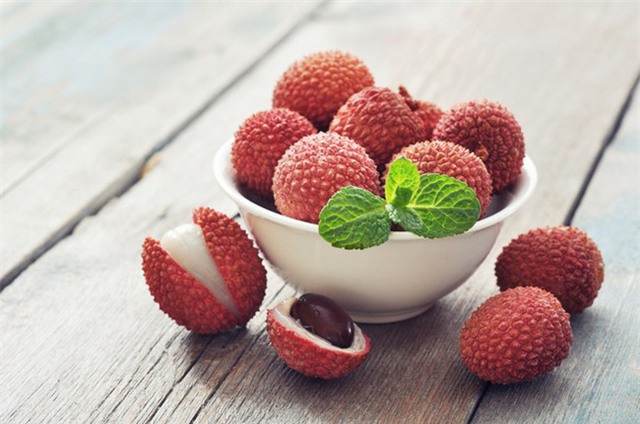 |
| Avoid eating unripe lychees, that is, lychees that are still green and not fully ripe. Avoid eating or chewing on lychee seeds. |
Fabric
- Avoid eating unripe lychees, that is, lychees that are still green and not fully ripe. Avoid eating or chewing on lychee seeds.
- Avoid eating too many lychees at once, and don't eat them on an empty stomach because the high sugar content in fresh lychees can cause a sudden spike in blood sugar, leading to heat-related inflammation or symptoms such as dizziness, lightheadedness, and nausea.
- You should eat the white membrane and the white part at the top of the lychee fruit. When you peel a lychee, you'll see a white membrane with a slightly astringent taste. These parts are all effective in preventing internal heat.
- Do not eat more than 10 lychees at a time, and children should not eat more than 3-4 lychees at a time. Be very careful when giving lychees to children as they may choke on the fruit. You can peel the lychees into smaller pieces for them to eat.
- Patients with diabetes, those with internal heat-generating diseases, or those prone to colds, chickenpox, boils, rashes, styes, etc., should severely limit, or ideally avoid, eating lychees.
According to giadinh.net
| RELATED NEWS |
|---|


