
Famous teachers around the world
(Baonghean.vn) - Throughout the world, there are incredibly great teachers, people who have contributed to changing the world through the lessons they have left behind. Even after centuries, their names are still remembered with admiration and gratitude by generations. On Vietnamese Teachers' Day, November 20th, let us honor the greatest teachers in world history.
1. Confucius (551 - 479 BC)
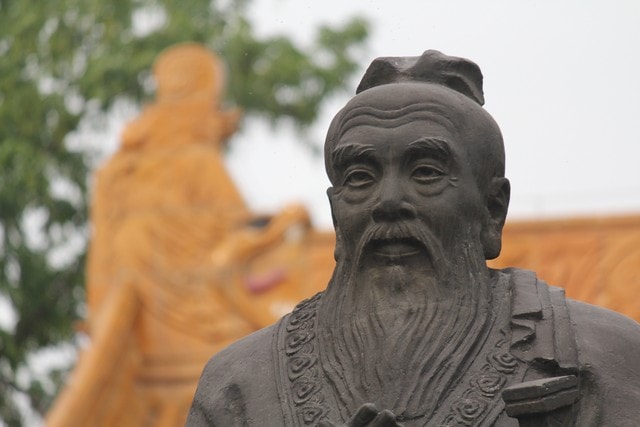 |
| Confucius was one of the greatest teachers and philosophers in Chinese history, and the founder of Confucianism. His thought has had a profound influence on East Asian cultures. The Chinese call him 'The Master of All Ages'. Confucius taught that benevolence is the foundation of morality. Beyond the core concept of benevolence, other important principles from Confucian teachings include fairness and justice, learning and wisdom, honesty and trustworthiness, as well as filial piety, loyalty, and tolerance and forgiveness. |
2 - Aristotle (384 - 322 BC)
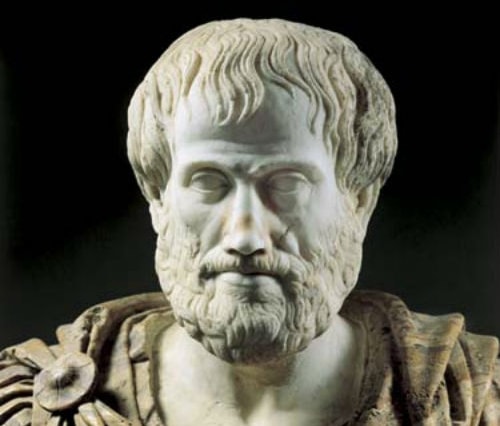 |
| Aristotle was an ancient Greek philosopher, considered a brilliant student of Plato and the teacher of Alexander the Great. Aristotle's knowledge was vast across many fields, both science and art. Along with Plato and Socrates, Aristotle is one of the three pillars of ancient Greek civilization. He died in 322 from a debilitating stomach ailment that had plagued him for many years. |
3 - Pythagoras (born approximately 580 - 572 BC - died approximately 500-490 BC)
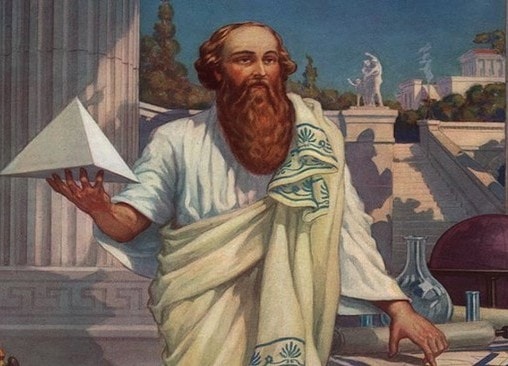 |
| Pythagoras is considered the greatest teacher of mathematics in world history. He laid the foundation for geometry with many important theorems. In addition, Pythagoras is also known as a philosopher and mystic with extensive research on religion and society. |
4 - Galileo Galilee (1564 - 1642)
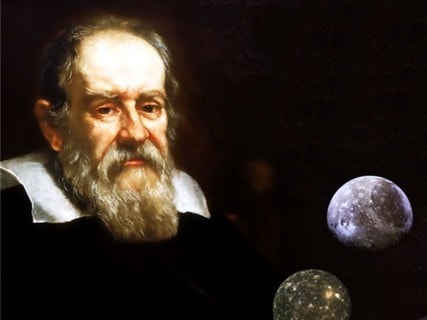 |
| Galileo Galilei was an Italian physicist, mathematician, philosopher, and astronomer known for his revolutionary contributions to science. With his numerous contributions to astronomy, Galileo is called the "Father of Modern Observational Astronomy," the "Father of Modern Physics," and the "Father of Modern Science." |
5 - John Amos Comenius (1590 - 1672)
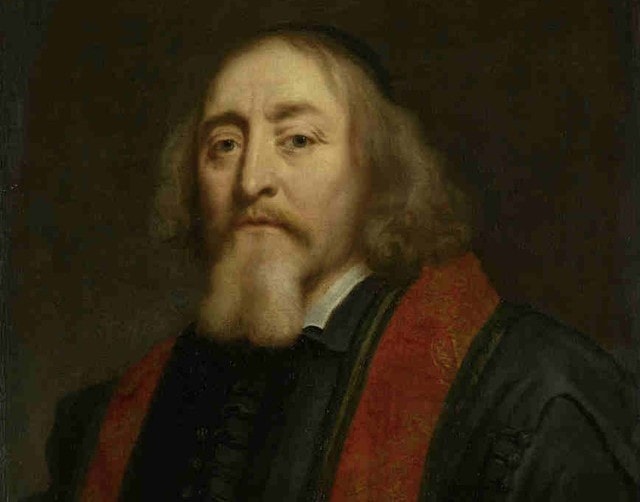 |
| "If the world is the school of humanity, then each person's life is the school from birth to death," this is a famous quote by John Amos Comenius, one of the world's greatest philosophers and educational theorists. He also introduced teaching methods using charts, graphs, images, and visual aids. He was the one who changed the way education was conducted in primary and secondary schools. |
6 - Isaac Newton (1643 - 1727)
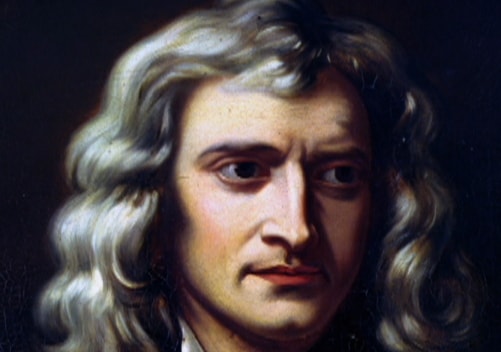 |
| Not only was Sir Isaac Newton one of the most famous physicists of all time, he was also known as a mathematician, astronomer, philosopher, alchemist, and theologian. Through his book "Mathematical Principles of Natural Philosophy," Newton laid the first foundations for the laws of mechanics. He formulated the three fundamental laws of motion and gravity in the universe, which students still learn about today. |
7 - Friedrich Froebel (1782 - 1852)
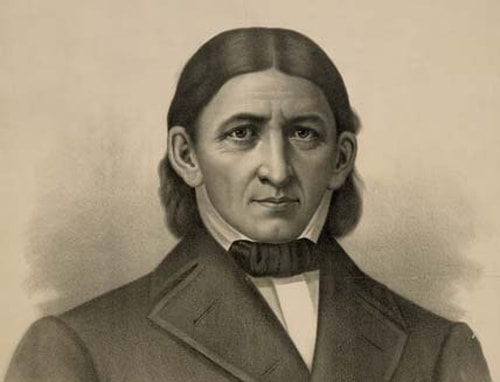 |
| Although not a teacher, Friedrich Froebel made revolutionary contributions that changed education systems worldwide. He established the first nursery school system, using toys and rewards in teaching children. |
8 - Henry David Thoreau (1817 - 1862)
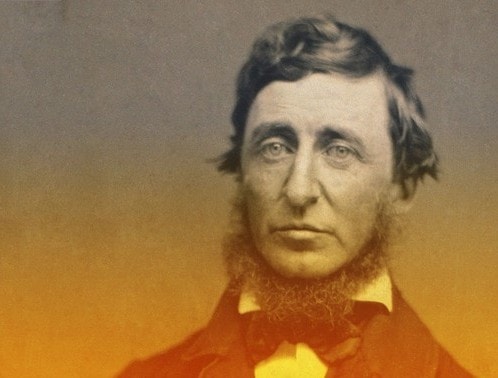 |
| Henry was one of America's greatest writers, with many works addressing slavery, the American economy, and society. He was an opponent of American policies on slavery, which is why he received support from millions around the world. |
9- Albert Einstein (1879 - 1955)
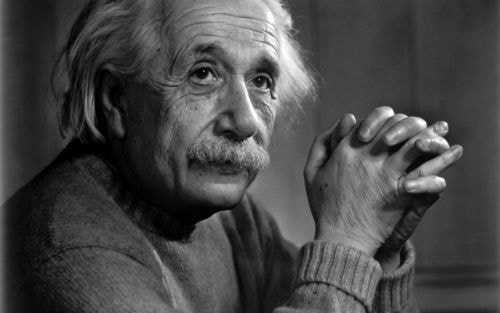 |
| In 1921, Einstein was awarded the Nobel Prize in Physics for his service to theoretical physics and his discovery of the photoelectric effect. His contributions to science and education have had the greatest impact of all time. Besides his theories of relativity, Einstein is also known for his contributions to the development of quantum theory, which continues to be taught to students worldwide today. |
Peace
(Synthetic)
| RELATED NEWS |
|---|


