
Deadly mistakes caused by improper insecticide spraying
The use of insecticides to kill disease-carrying insects is currently a topic of much discussion, especially given the current hot, humid, and rainy weather conditions. However, not everyone knows how to use them effectively and without harming their health.
According to epidemiological experts, pesticides, by definition, contain chemical components, especially those that "kill insects." This means they contain active ingredients and chemicals that are toxic. Some pesticides have residual effects, but at permissible concentrations, they will not affect human health if used correctly and according to instructions. However, not everyone does this.
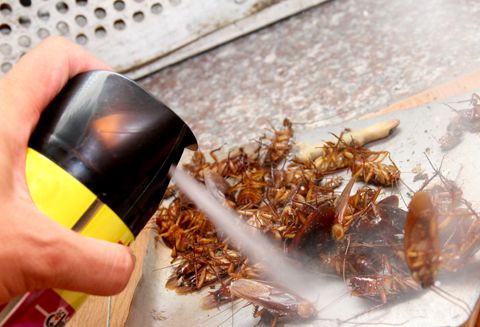
Many people mistakenly believe that the faster an insecticide works, the better, so they choose products that act immediately. They don't realize that the faster insects die, the stronger the concentration of chemicals in the insecticide. This not only kills the insects but also affects humans. Those who inhale or come into contact with these chemicals will suffer health consequences, not only immediate but also long-term.
 |
Things that cannot be overlooked when spraying insecticide.
- For mosquito coils or sprays, burn or spray them 30 minutes before entering the house. After spraying, sweep and gather the remaining repellent to burn, preventing mosquitoes from reviving and flying away. Mosquito repellents in the form of creams or sprays applied directly to the skin are quite effective, but overuse should be avoided as it can negatively affect the skin.
- If you are in an air-conditioned room, you should use a mosquito killer lamp, a lamp that emits ultraviolet rays (purple) which easily attract mosquitoes...
- When spraying mosquito-killing chemicals, food and drinks in the house must be covered, and all family members must leave the house and not stay inside for 2 hours to ensure there are no allergic reactions or poisoning. After spraying, close the doors to achieve higher effectiveness.
- Pesticides should be sprayed according to the instructions of the Health Center to avoid causing allergic reactions, skin problems, nasal and throat issues, etc.
For families with children, it's best to avoid letting them use or come into contact with mosquito repellent products. A better approach is to keep the living space clean to limit insect infestations.
Handling situations when encountering problems with insect spray.
- The most common accident when using insecticides is contact with the body; at high concentrations, this can cause skin irritation and burns. In this case, quickly change clothes and wash the affected area thoroughly with cold water. Similarly, if the insecticide gets into the eyes, immediately rinse the eyes with water. Water will dilute the concentration of the insecticide and help reduce irritation.
- In case of accidental ingestion of insecticide, rinse your mouth thoroughly several times and use activated charcoal purchased from a pharmacy to cleanse your digestive tract. Next, the person who ingested insecticide should quickly go to the hospital for examination by a doctor and receive antidote medication if necessary.
- When using any type of insecticide, always be fully aware of its toxicity. Caution and avoidance of overuse are essential to prevent adverse health effects.
According to Gia Dinh.net


