
Things you absolutely must do during the rainy season.
(Baonghean.vn) - We cannot prevent storms, but if we prepare well with preventive measures, we can mitigate the damage caused by storms.
Watch TV, radio, and the internet.
If you are in an area prone to flooding or inundation, always stay updated on news from media outlets such as television, radio, or the internet to get the latest information from the Meteorological and Hydrological Service.
Information about affected areas, which roads are passable, evacuation locations if necessary, and announcements from the local flood control committee are also crucial.
It is also necessary to have a list of essential phone numbers to contact in case of emergency (rescue services, police, medical emergency services, etc.).
Inspect and reinforce the house and surrounding areas.
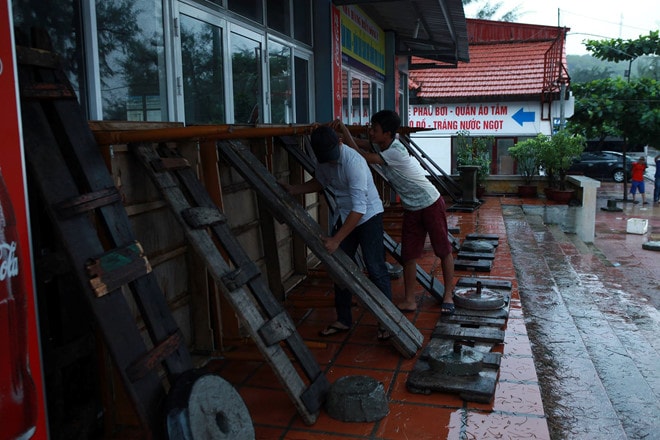 |
| Check and reinforce your home before the storm. (Illustrative image.) |
Inspect the entire house and repair any signs of deterioration. Some areas of the house may experience leaks or water seepage, such as doors, windows, ceilings, and attics. If you notice any damage or holes, address them promptly.
Reinforce your house to increase its stability and protect against storms and tropical depressions. Before a storm hits, check your drainage system and clear any blockages if necessary.
All large trees and branches near the house must be cut or trimmed to prevent them from breaking in strong winds.
Install a lightning rod if you live in an area prone to lightning strikes.
To prevent the dangers caused by lightning, especially in areas prone to lightning strikes, it is advisable to install lightning rods to protect equipment and people.
Lightning rods should be installed in a high position. However, they should not be installed too high as they may tilt or fall during storms, rendering them ineffective and reducing their load-bearing capacity. Depending on the conditions and characteristics of each building or house, calculations, designs, and installations should be carefully considered to ensure optimal safety for the structure and its occupants.
Check the electrical equipment system.
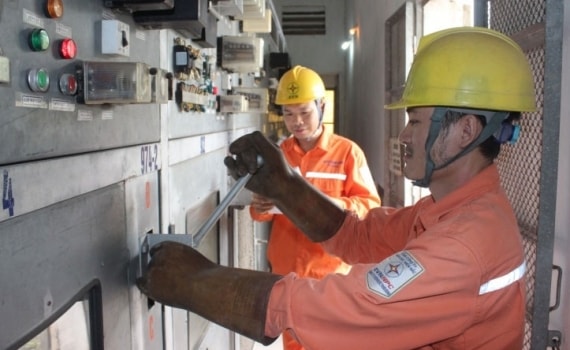 |
| Checking the electrical system before a storm. (Illustrative image.) |
When the rainy season arrives, the risk of electrical accidents is very high. During the rainy season, the power system is often affected by broken wires, short circuits, and equipment fires, posing safety risks and dangers to the public.
To prevent electrical accidents, ensure that all household appliances are checked and functioning properly. Electrical outlets should be placed high up, not low down, as they may be flooded by rainwater. Electrical appliances such as washing machines and water heaters must be grounded. Consider purchasing a smart voltage stabilizer to protect electrical appliances and ensure user safety.
Make sure you have all the necessary items ready.
During storms, power outages can occur, so you should also prepare flashlights or rechargeable lamps, and candles for lighting.
Raincoats, wading boots.
The prepared items should be carefully wrapped in plastic bags to prevent them from getting wet or moldy.
Stockpile food and medicine.
 |
| It's necessary to prepare dry food items with a long shelf life during the rainy season. (Illustration: Internet) |
It's advisable to stock up on enough food for several days. In particular, prepare dry, ready-to-eat foods with a long shelf life, such as instant noodles, dried rations, and biscuits. Also, prepare plenty of clean, bottled water that can last for at least three days.
Prepare a full supply of medications such as diarrhea medicine, cold medicine, antifungal cream for hands and feet, eye drops, medicated balm, bandages, and antiseptic.
Hoa Le
(Synthetic)
| RELATED NEWS |
|---|


