
Nicolas Sarkozy: "Too much time has been wasted."
(Baonghean) - Former French President and UMP party chairman Nicolas Sarkozy, in an interview with Le Monde, expressed his views on the security policies that France has implemented, is implementing, and will implement since the November 13 terrorist attacks.
Were you satisfied with current President Francois Hollande's speech to Parliament on November 16th?
We have witnessed an unexpected, unprecedented, and spectacular reversal of the government's security and foreign policy. I personally welcome this change because it aligns with what we have been advocating for months.
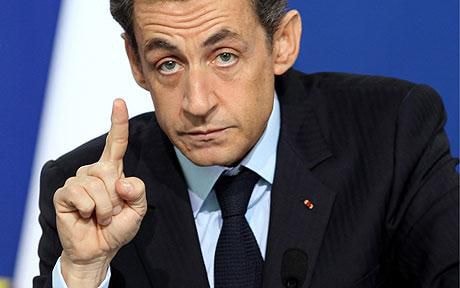 |
| Nicolas Sarkozy served as President of the French Republic from May 16, 2007 to May 16, 2012. Photo: EPA |
Domestically, the revocation of French citizenship from terrorists who hold dual citizenship and were born in France has been deemed necessary. We proposed this in January of this year, but it was not accepted.
Regarding foreign policy, the President finally agreed to join forces with Vladimir Putin in a larger coalition and acknowledged that the fight against Daech would not be victorious without an alliance with Russia.
The Republican proposals have been accepted; will the Republicans adopt a more cooperative attitude towards the government?
Following this major shift, the attitude of the opposing Republican party will undoubtedly become more constructive. But a question remains: Why has this change come so late? Why weren't these things done sooner?
The terrorist attack at the Charlie Hebdo editorial office happened almost a year ago. Immediately after that, all proposals from the opposition party were rejected.
Much more effort needs to be done, for example, banning and penalizing those who access or follow jihadist websites. Or the implementation of the PNR project - the European database of air passengers.
What are your thoughts on the current President's proposed constitutional amendments?
Theoretically, I'm not against constitutional reform, but everything depends on the content of the reform. We will examine its content in the most thorough and practical way possible.
If these reforms immediately enhance the security and safety of the French people, we will support them. But if they only serve to open up a legal debate, it is our own citizens who will react first.
Could this be a "trap" set by the President when he approves a series of proposals from the opposition party?
I don't think so. Because, for a constitutional reform proposal to be approved, it needs a majority vote of more than 3/5 of the total number of members of Parliament from both the House of Representatives and the Senate. If the opposition party doesn't cooperate, then constitutional reform is impossible.
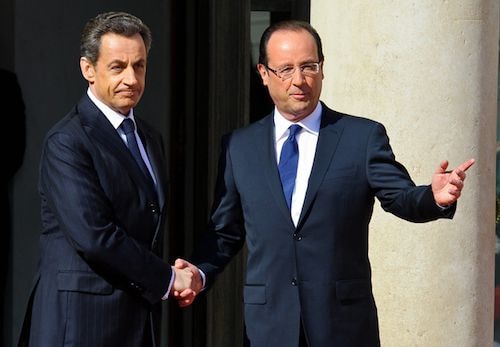 |
| Incumbent President Francois Hollande needs the cooperation of the opposition party to pass constitutional reforms. Photo: MaxPPP |
Therefore, I hope the government will continue to consider our unaddressed proposals. These include two essential solutions: house arrest and electronic bracelets for individuals on "S" files – those identified by intelligence agencies as potential threats to national security; and extending probationary periods for convicted terrorists who have completed their sentences.
These two measures are currently facing legal obstacles, and a constitutional reform is key to removing these barriers.
Having previously mentioned "loopholes" in the "French security system," do you think it's possible to prevent attacks like this?
With such unprecedented casualties, if we still insist that the security system is flawless, how many casualties would we need before people would accept that reality? Have any lessons been learned from the Charlie Hebdo attacks and the series of terrorist attacks last January? The answer is no.
Too much time has been wasted. The Congressional inquiry committee released its report in June and wrote to the President last September. It contained very specific recommendations, but its authors have never received a response from the government…
Following the military intervention in Syria, the government has yet to fully grasp the consequences and risks to domestic security. We should have strengthened our counter-terrorism security system back then.
What is the connection between the immigration crisis and the infiltration of jihadist fighters into France?
We must not equate immigrants with jihadists. But the reality is that the crisis in Syria has opened up opportunities for terrorists to infiltrate Europe's borders.
I believe we need to convene the Council of European Leaders. The old Schengen system is dead. Border controls must be maintained until a new system is implemented. At that point, countries must agree on a common immigration policy.
The current President has also underestimated France's economic and financial situation when discussing security, domestic, and foreign policy solutions in the current context. Budget deficits and public debt are a heavy burden on our independence and self-reliance.
Thuc Anh
(According to Le Monde)


