
Reasons why citizens of 12 countries were banned from entering the US by President Trump.
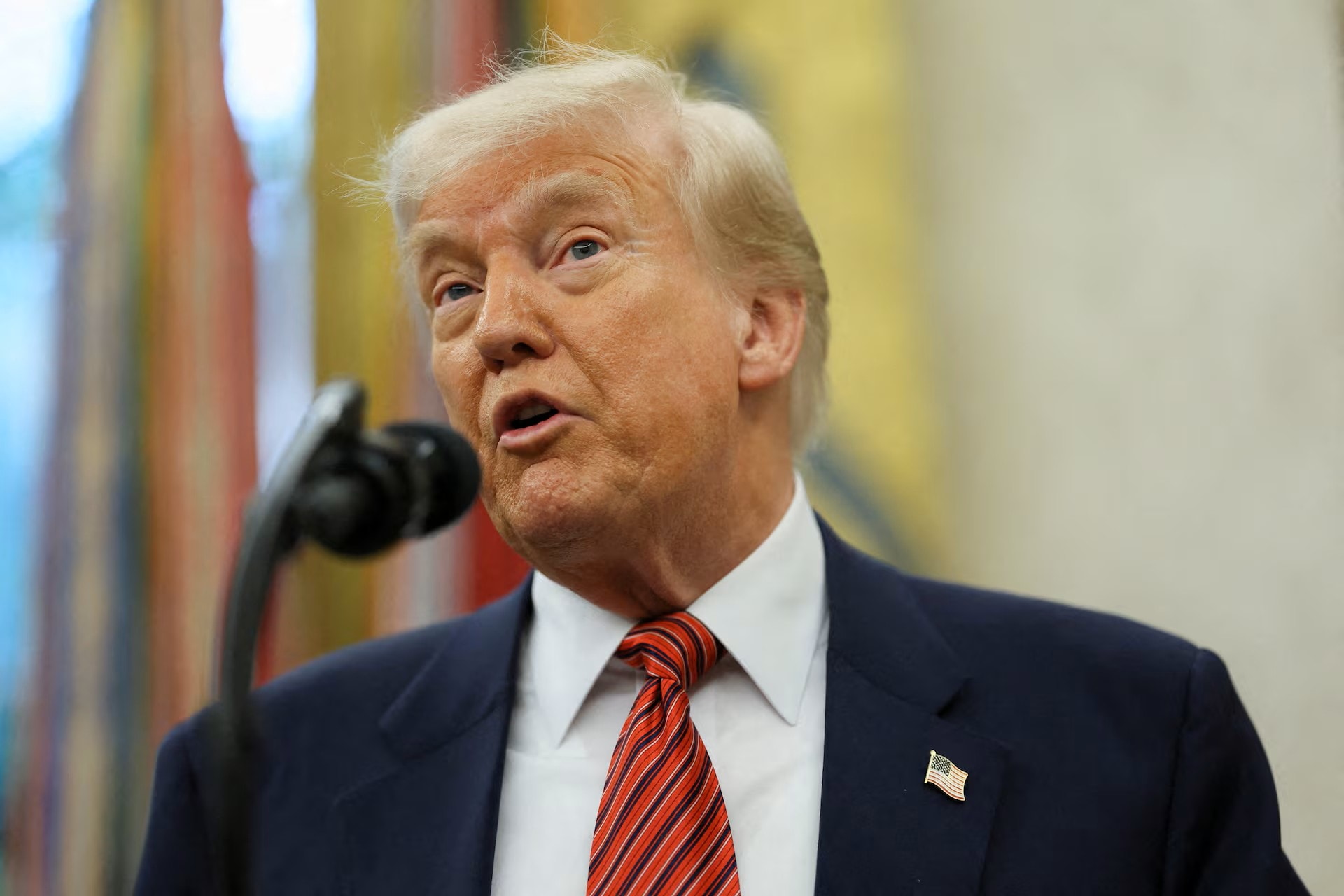
On June 4th, US President Donald Trump signed an executive order banning citizens of 12 countries from entering the United States, declaring the move necessary to protect the country from "foreign terrorists" and other security threats.
The affected countries include: Afghanistan, Myanmar, Chad, Congo, Equatorial Guinea, Eritrea, Haiti, Iran, Libya, Somalia, Sudan, and Yemen.
Entry for citizens from seven other countries, including Burundi, Cuba, Laos, Sierra Leone, Togo, Turkmenistan, and Venezuela, will be partially restricted. CBS News first reported on these travel restrictions.
"We will not allow people who want to harm us to enter our country," Trump said in a video posted on the social media platform X. He indicated that the list could be revised and new countries could be added.
The decree takes effect on June 9, 2025. Visas issued before that date will not be revoked, the decree states.
During his first term, Trump announced a travel ban on citizens from seven Muslim-majority countries, a policy that underwent several adjustments before being upheld by the U.S. Supreme Court in 2018. Former President Joe Biden, a Democrat who succeeded Trump, repealed the ban in 2021, calling it "a stain on our national conscience."
Trump said the countries subject to the strictest restrictions were identified as having a "large-scale presence of terrorist elements," not cooperating on visa security, unable to verify the identities of travelers, maintaining incomplete criminal record checks, and having high rates of visa overstays in the United States.
"We cannot allow unrestricted immigration from any country where we cannot safely and reliably screen and vet those seeking to enter the United States," Trump said.
He cited the June 1st incident in Boulder, Colorado, where a man threw a petrol bomb at a crowd of pro-Israel protesters, as an example of why new restrictions are needed. An Egyptian citizen, Mohamed Sabry Soliman, has been charged in this attack. Federal officials said Soliman overstayed his tourist visa and had an expired work permit – even though Egypt is not on the list of countries facing travel restrictions.
Shortly afterward, Somalia pledged to cooperate with the U.S. to address security issues. "Somalia values its long-standing relationship with the U.S. and is ready to engage in dialogue to address the concerns raised," said Dahir Hassan Abdi, Somalia's ambassador to the U.S., in a statement.
Trump's directive is part of a campaign to tighten immigration that he launched at the beginning of his second term. He unveiled the plan in a speech in October 2023, pledging to restrict people from the Gaza Strip, Libya, Somalia, Syria, Yemen, and "anywhere else that threatens our security."
On January 20th, President Trump issued an executive order requiring enhanced security screening for any foreign nationals seeking entry into the United States to detect national security threats.
In March, Reuters reported that the Trump administration was considering travel restrictions on dozens of countries.


