
How dangerous is a tire blowout on the highway?
When traveling at high speeds on the highway, a tire blowout can cause loss of control, making the vehicle swerve and potentially overturn.
According to many experts, when driving on highways with high surface roughness, and at high speeds, the friction is high, generating heat that causes the air to expand, making tires more prone to failure. Old, weak, or low-quality tires are more likely to burst when driving on highways. Therefore, car owners should replace their tires after 40,000-50,000 km or after 4-5 years.
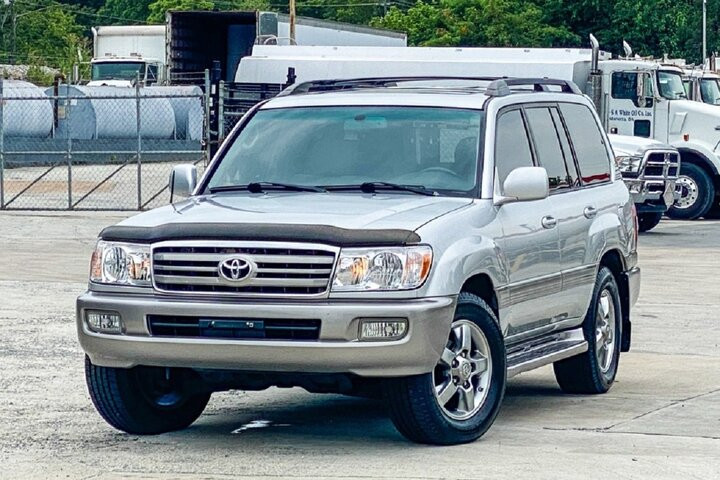
Even if the tire tread isn't significantly worn, natural internal aging will still reduce the tire's load-bearing capacity. In addition, it's necessary to regularly monitor tire pressure; for easier monitoring, consider equipping your vehicle with tire pressure sensors.
During use, many car owners neglect to check their tires, either underinflating or overinflating them, causing them to deteriorate quickly. This is especially true given Vietnam's poor road conditions and the hot weather, which further increases the risk of tire blowouts.
Therefore, tires should be inspected, maintained, and rotated regularly. If tires are worn, they should be replaced; attempting to reuse them is very dangerous.
The older the car, the higher its ground clearance, and the greater the danger.
With newer car models, the electronic safety systems are fully equipped, so when a tire blows out at high speed, the driver can handle the situation and keep it under control. However, with older cars that lack many safety features or have them but they don't work, a tire blowout can be fatal.
Specifically, when a car suddenly experiences a tire blowout, especially while driving on a highway, the vehicle will wobble and become difficult to control. In modern cars, this situation is addressed by safety systems such as Electronic Stability Control (ESP), anti-rollover systems, and traction control, which help the vehicle quickly regain balance, allowing the driver to control and stop safely.
The first reaction of many people when a tire blows out is to slam on the brakes to bring the car to a quick stop. This is extremely dangerous, especially if the tire blows out while the car is traveling at high speed or on a highway.
Sudden braking can easily cause the vehicle to tilt, lose balance and traction, leading to a rollover. This is common with high-ground clearance vehicles such as SUVs, crossovers, and pickup trucks. When braking suddenly, if one tire has already blown out, the remaining wheels lose traction, skid, and lose control. The driver may repeatedly turn the steering wheel left/right, causing the vehicle to lose control and collide with other obstacles such as median barriers, embankments, or other vehicles, resulting in a rollover.
For older cars, which often lack safety features, have smaller rims, and thicker tires, maintaining a straight and balanced ride in the event of a tire blowout at high speeds depends entirely on the driver's skill and luck.
With sedans that have a low center of gravity, if a tire blows out and the driver loses control, the car is not likely to roll over unless it encounters other impacts while sliding on the road, such as hitting a median or other moving vehicles. The car might only spin around, not flip over on its own.
Therefore, if several "negative" factors combine, such as the SUV having a high center of gravity, being an older model lacking electronic safety features, and driving at high speeds, a sudden tire blowout on the highway can easily cause the vehicle to roll over. If passengers are not wearing seat belts, the rollover could cause them to be thrown out, endangering their lives.


