
Overdue credit card debt: How long does it take to be removed from the CIC system?
Credit cards are becoming increasingly common in modern life, but if not used wisely, users can easily fall into bad debt if they fail to pay on time.
Misusing credit cards can easily lead to bad debt.
Credit cards are becoming increasingly common in modern life, especially among young people with above-average incomes. However, if not used wisely, users can easily fall into bad debt when they fail to make payments on time.
Late or overdue debt payments will result in your credit information being recorded in the National Credit Information Center (CIC) system, affecting your ability to borrow money in the future.
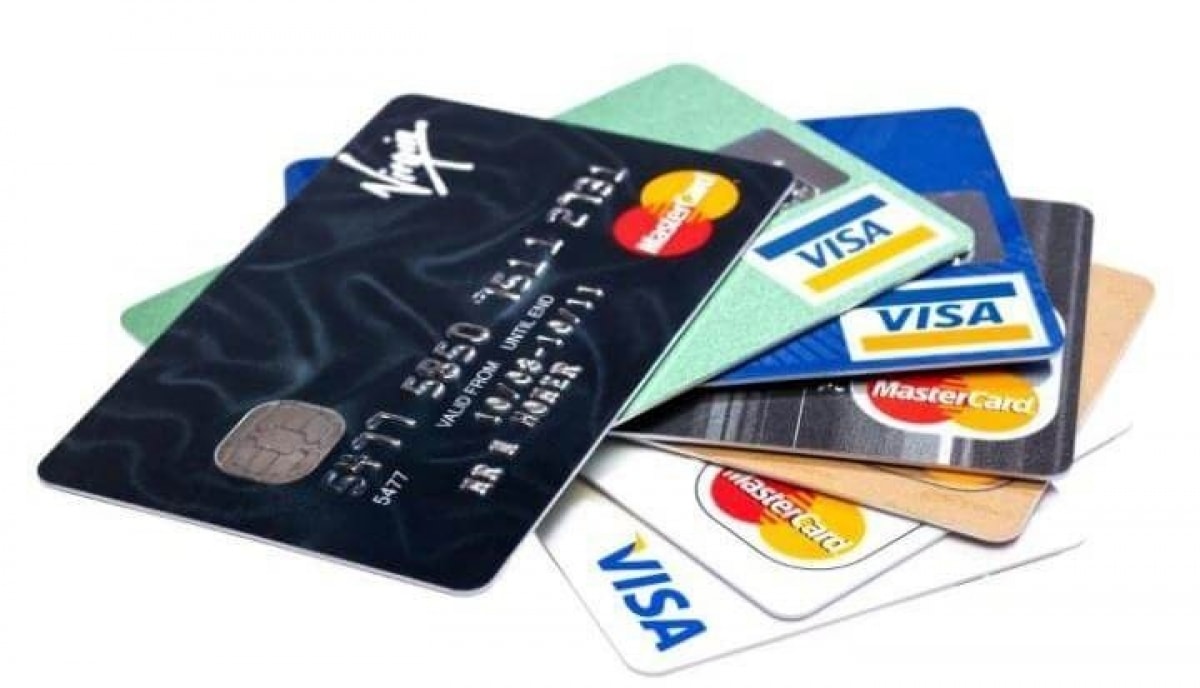
According to Article 10 of Circular 11/2021/TT-NHNN, debts are classified into 5 groups:
Group 1: Eligible debts (within the due date or overdue by less than 10 days)
Group 2: Debts requiring attention (overdue from 10 to less than 30 days)
Group 3: Substandard debt (overdue from 30 to less than 90 days)
Group 4: Doubtful debts (overdue from 90 to less than 180 days)
Group 5: Loans with a high risk of default (overdue for more than 180 days)
Specifically, groups 3, 4, and 5 are classified as bad debts, and are regularly recorded and updated in the CIC system.
How long will bad debt information remain on the CIC (Credit Information Center)?
Information on Group 2 debt will be displayed within 12 months of the date of occurrence. For credit card debt, data will be stored for the last 3 years and cannot be deleted before the deadline, even if the customer has fully repaid the debt. For loan balances, the bad debt history may be stored for up to the last 5 years.
Late payments or overdue debts not only result in additional penalties and higher interest rates, but also lower credit scores, making it more difficult to access future loans. It's important to note that currently, no individual or legal organization can "clear CIC bad debt" before the deadline; therefore, people need to be extremely cautious of offers to quickly resolve bad debt to avoid falling into scams.
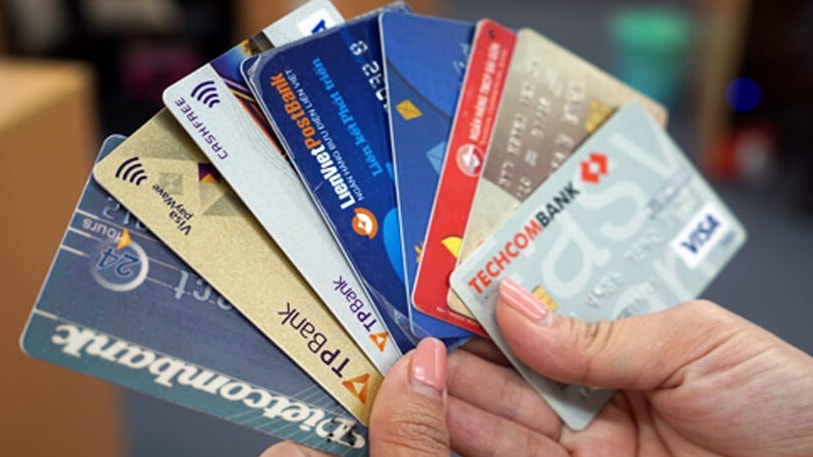
You can file a complaint if you find any errors on the CIC.
In the event that a user discovers that their credit information has been incorrectly recorded, according to Article 18 of Circular 03/2013/TT-NHNN, they can submit a complaint to the Credit Information Center (CIC) or the credit institution to request verification and correction of the information.
Customers can check their credit status themselves on the CIC system or through their bank. Proactively checking and paying on time will help users avoid unnecessary risks when using credit cards and protect their financial reputation.


