
Farmers in Nghe An raise pigs and chickens via… their phones.
By applying digital technology, farmers in Nghe An province are using their phones to feed and water their livestock and monitor barn temperatures, helping to reduce labor and limit disease outbreaks.
.png)
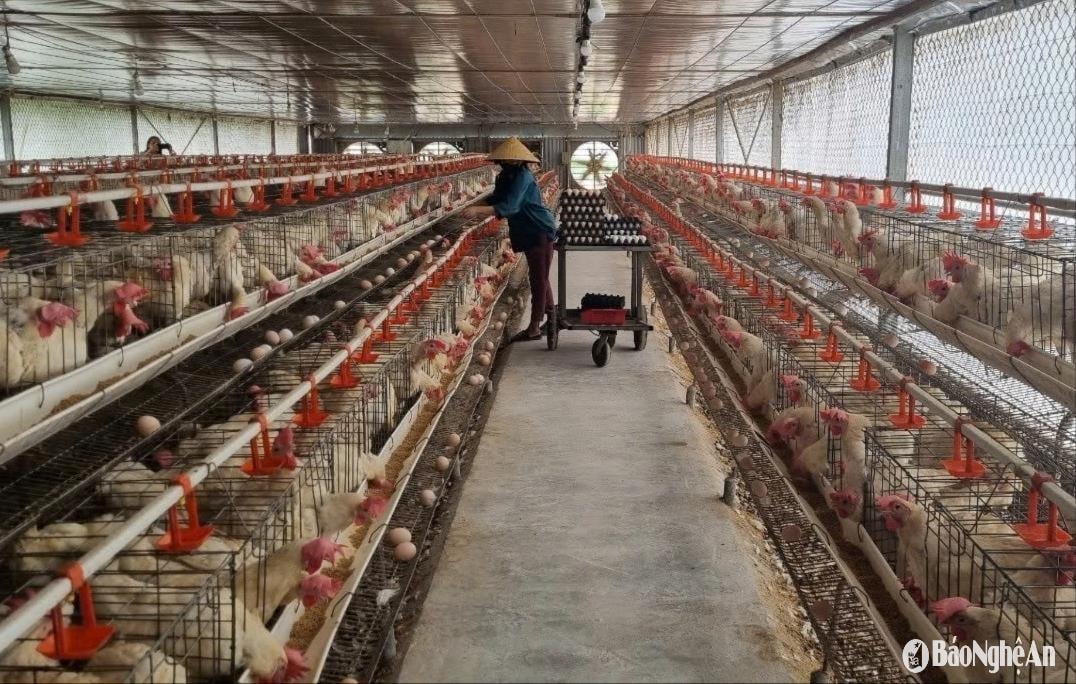
With a farm raising nearly 50,000 chickens and ducks per batch, Mr. Dinh Nho Phu Quy (Thanh Lam commune, Thanh Chuong district), the farm owner, only needs 2 workers instead of 6-7 as before. Accordingly, Mr. Quy invested in installing sensor cabinets and automatic feeders and waterers in the chicken coops.
Every day, when the feed in the troughs is running low, the sensor detects this and releases feed from the reservoir into the feed troughs. The same applies to drinking water for the chickens and ducks; each row of pens has drinking nipples, and when the chickens and ducks need water, they simply place their beaks on the nipple and water is supplied.
Mr. Phu Quy said: “We installed 6 sets of sensor cabinets in 6 rows of barns at a cost of nearly 400 million VND. Processes such as feeding and watering are automated to reduce labor, minimize human contact with the barns, and thus reduce disease outbreaks and risks. This reduces production costs and improves the economic efficiency of livestock farming.”
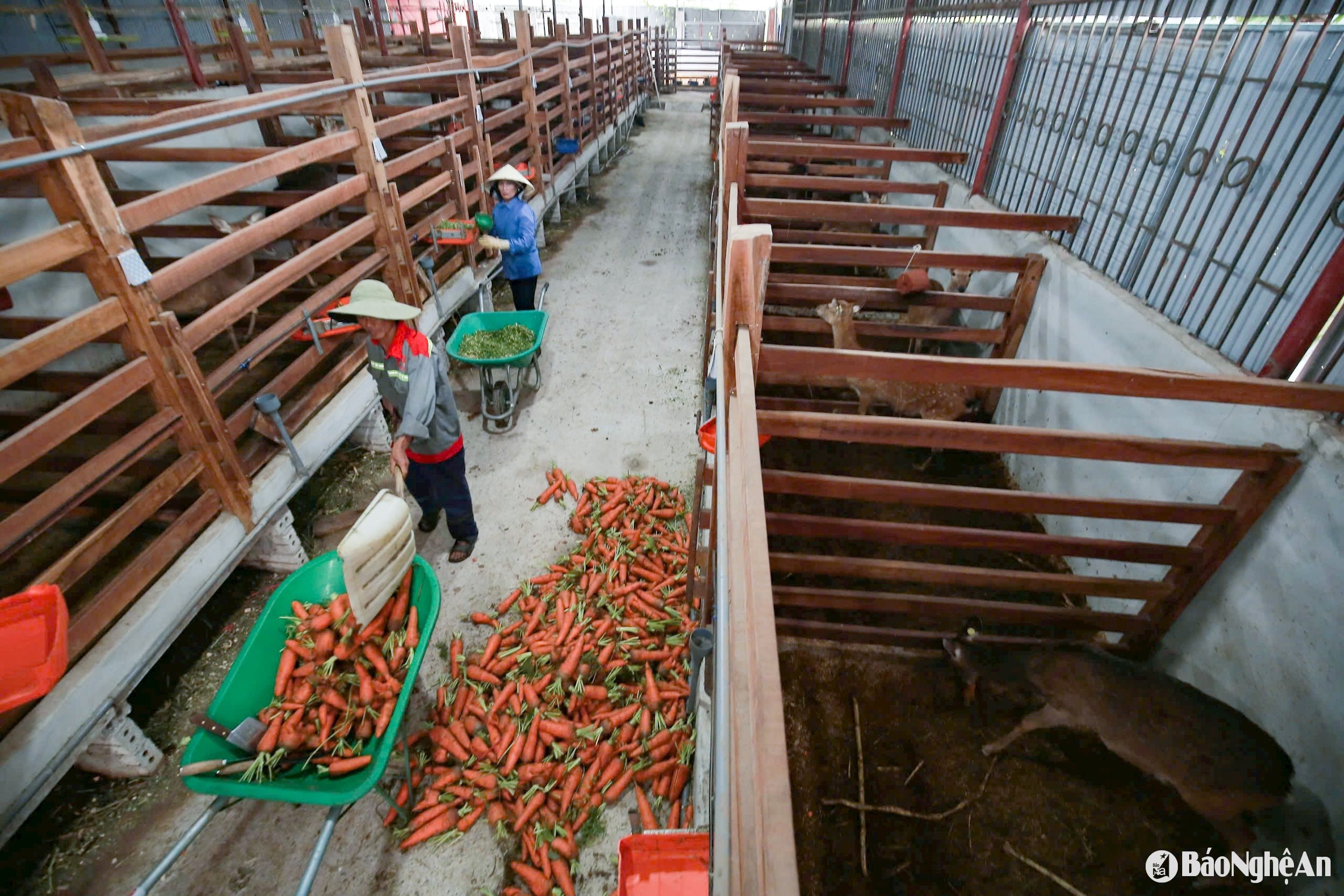
With two civet farms, one in Xuan Lam commune (Hung Nguyen district) and one in Nghi Kieu commune (Nghi Loc district), each housing 500 animals, Mr. Vu Van Cu is gradually automating the raising of these wild animals. Accordingly, he has renovated the cage system to be more enclosed. Each cage is fitted with a biological bedding layer to reduce cleaning work and minimize environmental pollution.
In particular, each enclosure has an automatic water dispenser, ensuring the water tank is always full, and water is readily available in the pipes and nipples of the ferrets. Previously, to monitor the temperature of the enclosures, he had to install a thermometer and check it multiple times daily. Now, the temperature sensor system in the enclosures is connected to Wi-Fi and a smartphone. If he needs to check the temperature, he simply accesses the system to get the exact reading and adjust it accordingly.
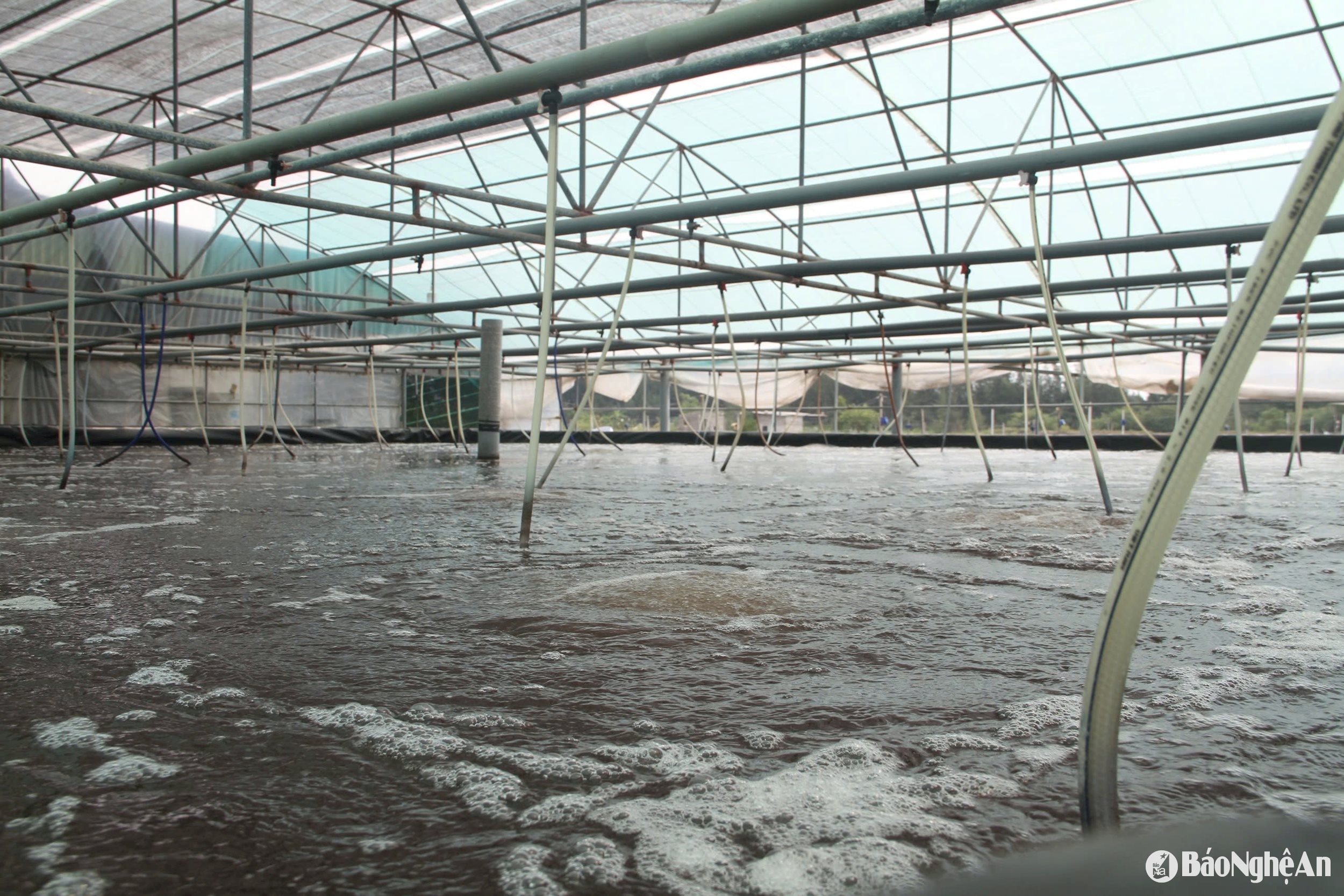
As one of the shrimp farmers using a high-tech model, Mr. Nguyen Van Thang (Dien Trung commune, Dien Chau district) installed a system to monitor and control the pond climate, automatically controlling temperature and cooling pumps; monitoring temperature, humidity, and measuring NH3, CO2, O2, fine dust, wind speed, and pressure in the pond; automatically running backup aeration fans in case of motor overload; automatically alerting for power outages, phase failures, motor overload, and excessively high/low temperatures in the pond… All are controlled and operated via an app on a smartphone or directly.
In addition, the farm is equipped with a phased control system for shrimp farming, allowing for remote monitoring and operation of the automated feeding system, reducing labor and maintenance costs for nearly 20 shrimp ponds. This is complemented by pond management software that includes functions for monitoring shrimp growth, feed status and feeding activities, veterinary operations, and climate control in the ponds.
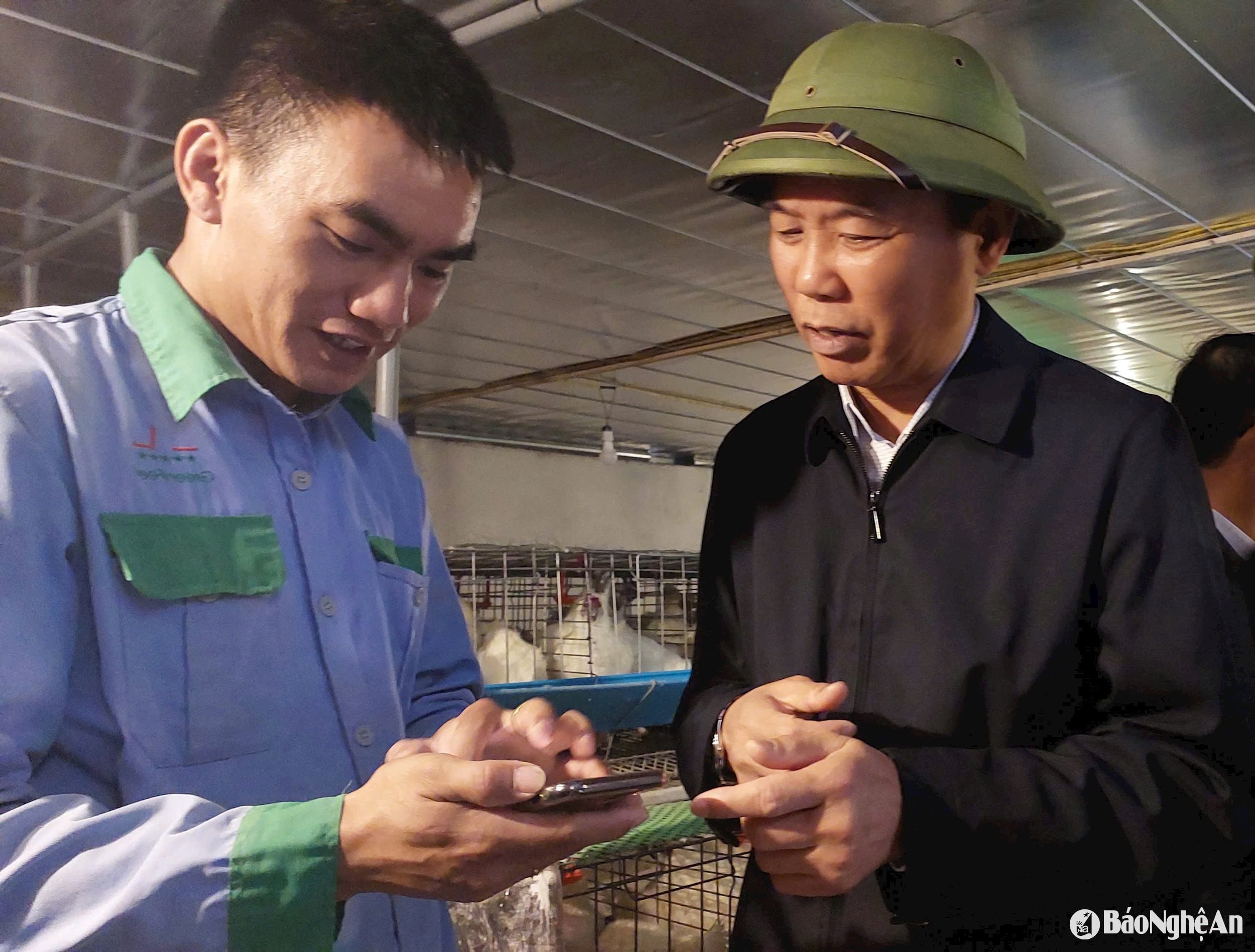
Mr. Thang said: “By applying digital technology to our three-stage closed-loop shrimp farming system, we have gained more control over many aspects and overcome environmental challenges. Secondly, with an automated operating mechanism, mainly through a climate monitoring and control system for the ponds, an automatic feeding system, and livestock farm management software, human contact with animals has been minimized, thereby preventing the spread of diseases to the greatest extent possible.”
Thirdly, the automatic fan and cooling system adjusts the temperature according to the age of the shrimp, ensuring perfectly suitable temperatures. This allows for intensive, staggered farming, resulting in a constant supply of shrimp for sale and avoiding the previous situation of bumper harvests leading to price drops. Furthermore, thanks to the application of high technology, less labor is required, disease control is ensured, and economic efficiency is higher.”
Besides large-scale farms applying high technology to livestock farming, small-scale farmers are also gradually introducing mechanization into various stages of livestock production. For example, they are using machines to chop and mix feed for livestock and poultry; using biological bedding; ventilation fans; and cooling systems…
It can be said that, given the current development of livestock farming in the province, investing in mechanization is considered a crucial solution to shift from small-scale to large-scale, industrial-scale farm and household production, significantly contributing to improved productivity and product quality. In addition, it reduces the risk of disease outbreaks; allows for proactive management and monitoring of feed usage, reproduction, and animal health.
.png)
Currently, the number of high-tech livestock farms applying GAHP (VietGahp, GlobalGap) and organic standards in Nghe An accounts for about 25%, thereby creating a herd of 65,000 dairy cows, 271,423 pigs, 5,569,000 poultry, and 77,685 buffalo and cattle.


