
Raising clams brings in a profit of 3 billion VND.
With an area of 6.3 hectares, an average yield of 18 tons/ha, an average annual revenue of over 6 billion VND, and a profit of over 3 billion VND/year, creating regular employment for 6 workers and seasonal employment for 30 workers, this is the clam farming model of Mr. Pham Van Thiet in Mai Phu commune, Loc Ha district, Ha Tinh province.
With an area of 6.3 hectares, an average yield of 18 tons/ha, an average annual revenue of over 6 billion VND, and a profit of over 3 billion VND/year, creating regular employment for 6 workers and seasonal employment for 30 workers, this is the clam farming model of Mr. Pham Van Thiet in Mai Phu commune, Loc Ha district, Ha Tinh province.
In 2002, Mr. Thiet applied to bid for land in the riverside mangrove swamps to cultivate and raise clams. In the early years, he purchased and utilized readily available local clam seeds, but the yield was low, only reaching 4-5 tons/ha. After researching the situation in Thanh Hoa and Nam Dinh provinces, in 2010 he boldly invested in raising Ben Tre clam seeds, which proved very effective.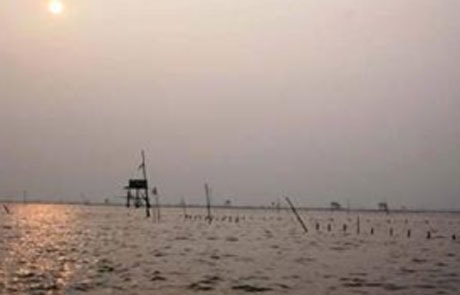
According to Mr. Thiet, in addition to diligence and a willingness to learn, farmers need to pay attention to the following issues:
- Choose a location (clam breeding ground) with sandy or sandy-muddy soil (70-95% sand), a high tidal flat, calm seabed, and a regularly fluctuating tide level. The exposure time should not be too long (ideally 4-8 hours). A mud-sand layer thickness of 10-15 cm and a stable average salinity of 15-25‰ are most suitable.
- Choose the appropriate season for stocking clams, avoiding stocking during the rainy months from August to October; it's best to stock in February for harvesting in July-August. Stocking larger clams will result in faster harvesting and reduced losses.
- Before stocking, the breeding ground needs to be cleaned, including removing shellfish, filling in depressions, and leveling the ground.
- Choose high-quality, disease-free clam seeds.
- Before mass release, the fry need to be raised in a nursery until they reach a size of 200-300 fish per kilogram before being released into the farming area.
According to nongnghiepvietnam - LY


