
Salmonella bacteria were detected in bread that caused the food poisoning incident in Dien Chau commune.
Test results showed that five samples from the bread tested positive for Salmonella bacteria. This is a common cause of food poisoning after eating bread.
On the afternoon of April 29th, Mr. Nguyen Van Thuong, Deputy Director of the Nghe An Department of Health, stated that test results on patient samples indicated Salmonella as the causative agent.poisoning incident in Dien Chau commune.
Specifically, of the 7 samples tested, 5 were positive for Salmonella bacteria, including pate, grilled meat, sausage, shredded pork floss, and radish. 2 samples were negative, including pork sausage and tomato sauce. "The main source of infection was likely the pate and grilled meat, which then cross-contaminated the remaining foods," Mr. Thuong said.
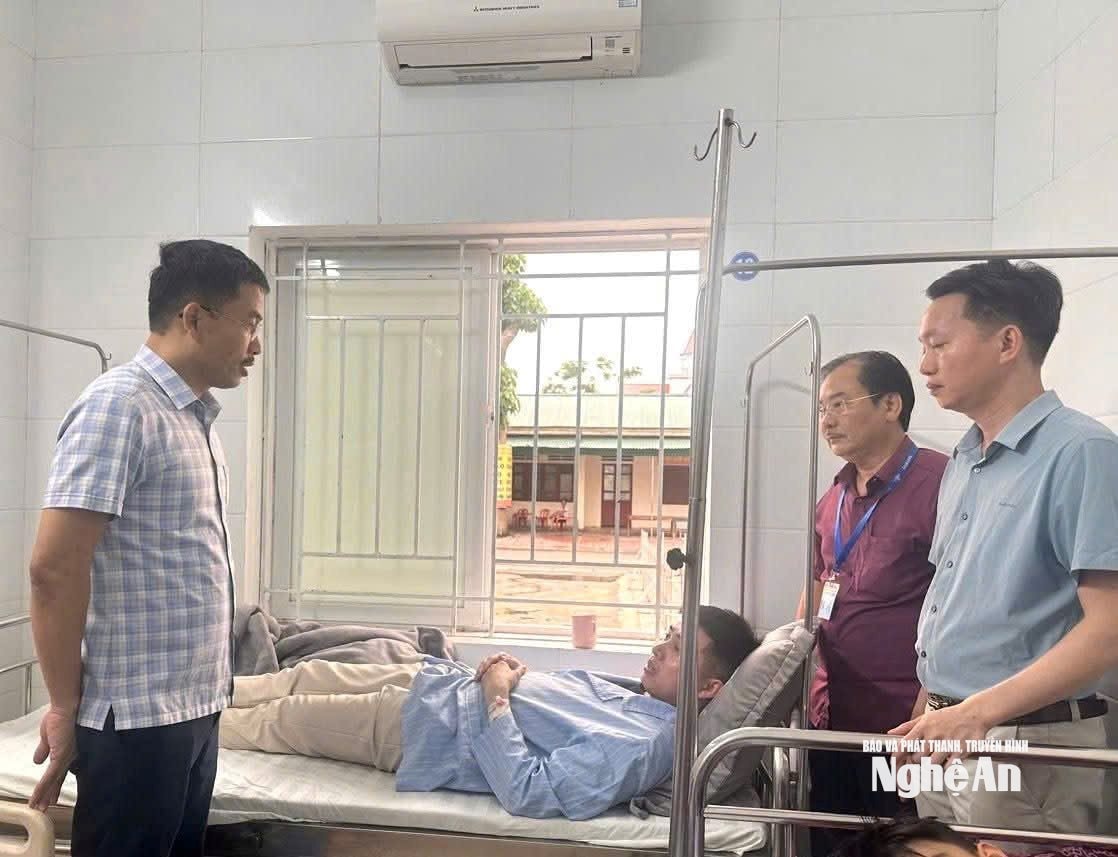
According to Mr. Thuong, after the test results are available, the local authorities will issue an administrative penalty against the owner of the bakery responsible for the food poisoning incident. All 62 patients who suffered from the food poisoning have now been discharged from the hospital.
Salmonella is a common cause of gastrointestinal infections, usually starting 16-48 hours after onset with symptoms such as diarrhea, abdominal pain, fever, nausea, and fatigue. Most cases resolve spontaneously within 4-7 days, but in young children, the elderly, or immunocompromised individuals, the disease can lead to serious complications such as sepsis and meningitis, which can be life-threatening if not treated promptly.
Bacteria commonly reside in the digestive tracts of animals and are transmitted to humans through contaminated food such as undercooked eggs, poultry, unpasteurized milk, raw vegetables, or through cross-contamination during processing. Eggs and egg products are a significant source of infection, as bacteria can enter the egg from the hen's ovary before the shell forms.
The health sector advises people to choose food with clear origins, cook it thoroughly, and avoid eating raw food. Wash hands and sanitize food preparation utensils; separate raw and cooked food; eat immediately after cooking or store and reheat properly.
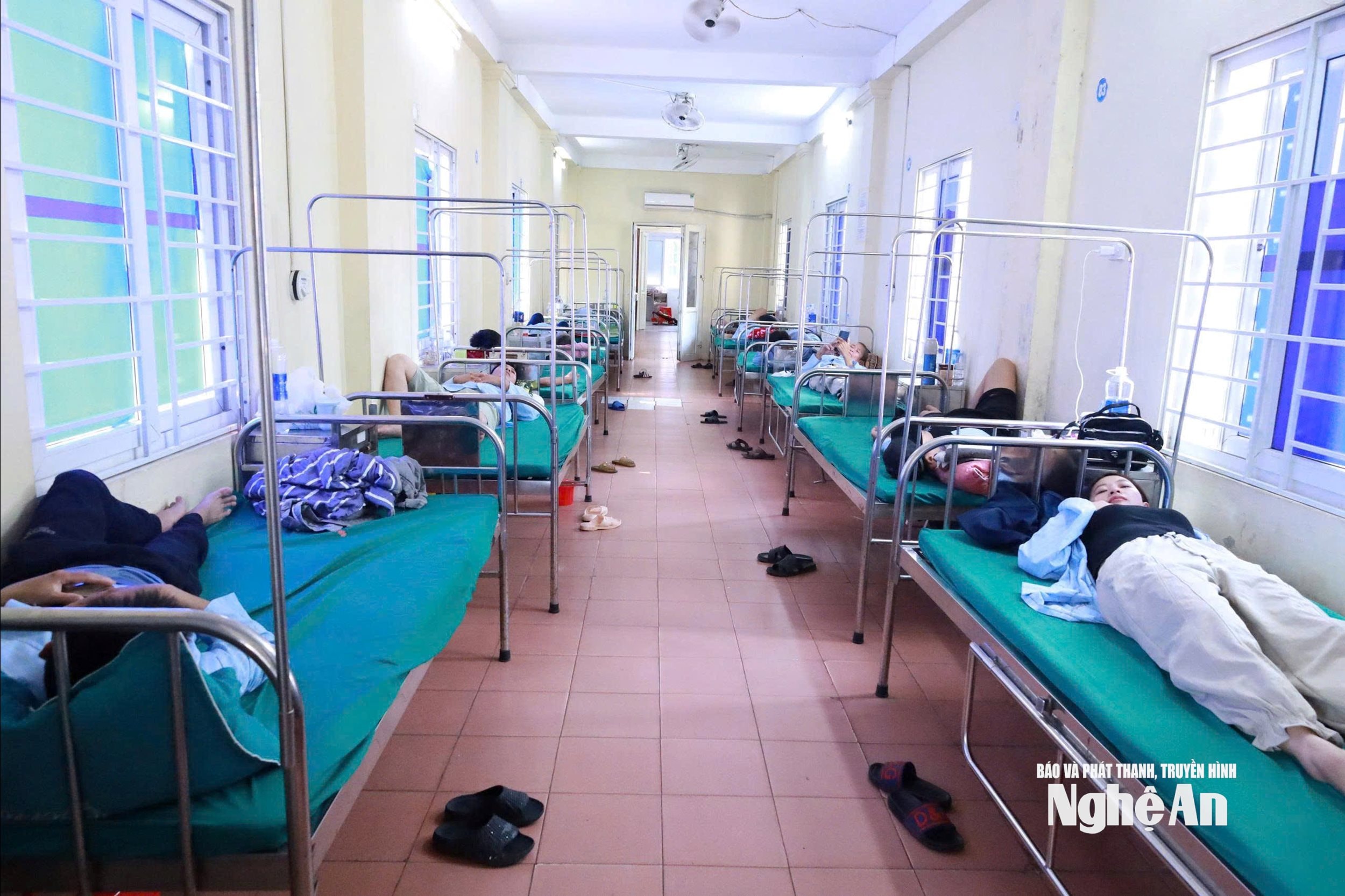
If you experience post-meal symptoms such as abdominal pain, diarrhea, or vomiting, rest and rehydrate with oral rehydration solution (ORS) prepared according to instructions. Do not self-medicate, especially with anti-diarrheal medication or antibiotics, without a prescription from a healthcare professional. In severe cases, such as high fever above 39°C, severe diarrhea, bloody stools, dehydration, lethargy, or extreme fatigue, seek immediate medical attention.
Previously, starting on April 17th, dozens of people in Dien Chau commune were hospitalized with symptoms of vomiting, dizziness, and diarrhea after eating bread purchased from Quynh bakery. Immediately after the incident, the leaders of the Nghe An Department of Health visited the patients and directed relevant agencies to collect samples for testing to determine the cause of the poisoning.
Recently, hundreds of people have been hospitalized in many provinces and cities after eating this food. In Nghe An, there have been two food poisoning incidents since the beginning of the year, both caused by eating bread. Previously, in Tan Ky commune, nearly 140 people were also hospitalized after eating bread.


