Promoting the value of Soviet-era relics in Nghe Tinh.
In Nghe An province, there are nearly 140 historical and cultural relics associated with the Nghe Tinh Soviet that have been classified, marking historical events related to the revolutionary struggle of workers and farmers nationwide in the years 1930-1931. Preserving and promoting the value of these relics is both an honor and a great responsibility for all levels of government and relevant sectors.
Minh Quân • September 12, 2024
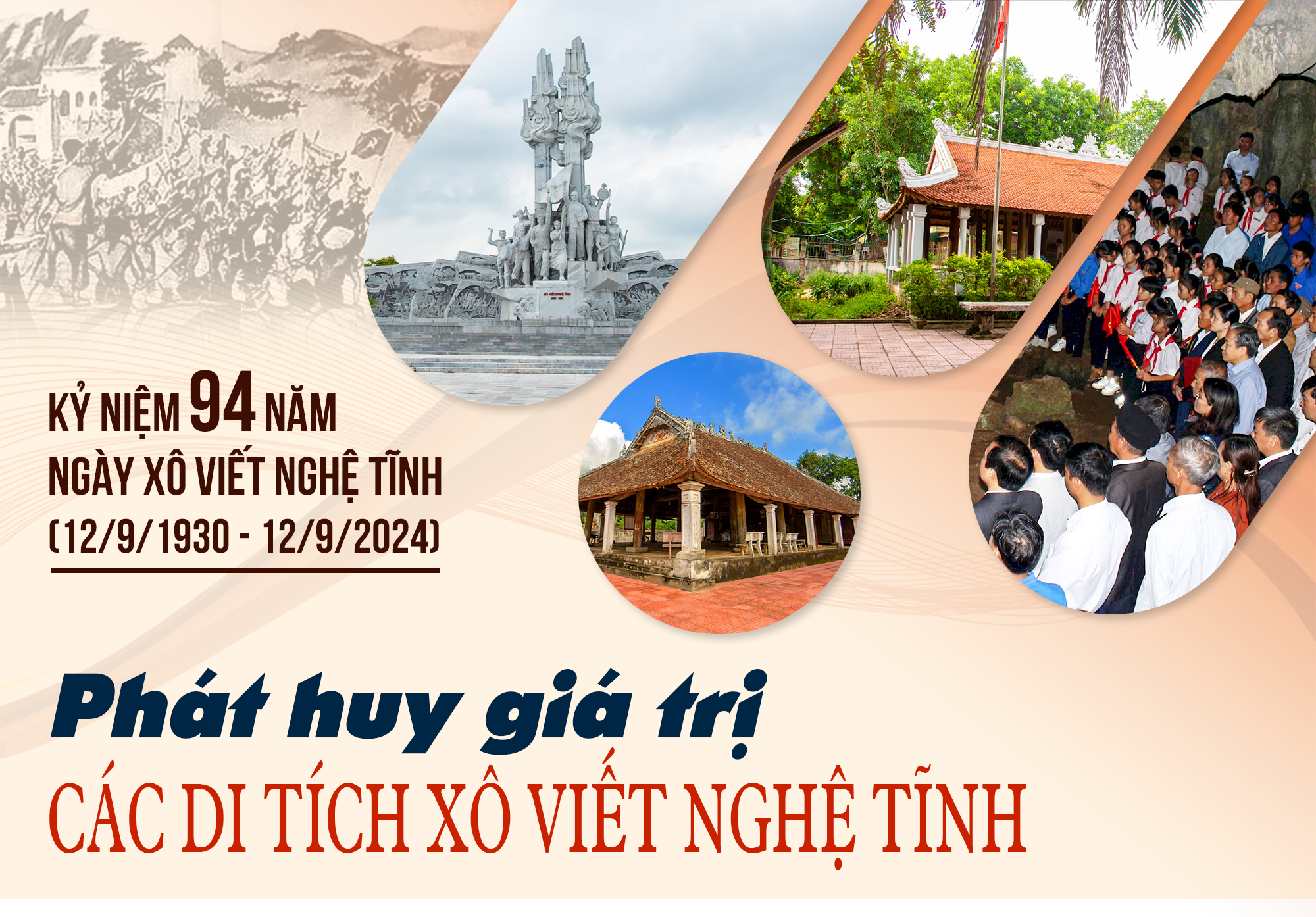
In Nghe An province, there are nearly 140 historical and cultural relics associated with the Nghe Tinh Soviet that have been classified, marking historical events related to the revolutionary struggle of workers and farmers nationwide in the years 1930-1931. Preserving and promoting the value of these relics is both an honor and a great responsibility for all levels of government and relevant sectors.

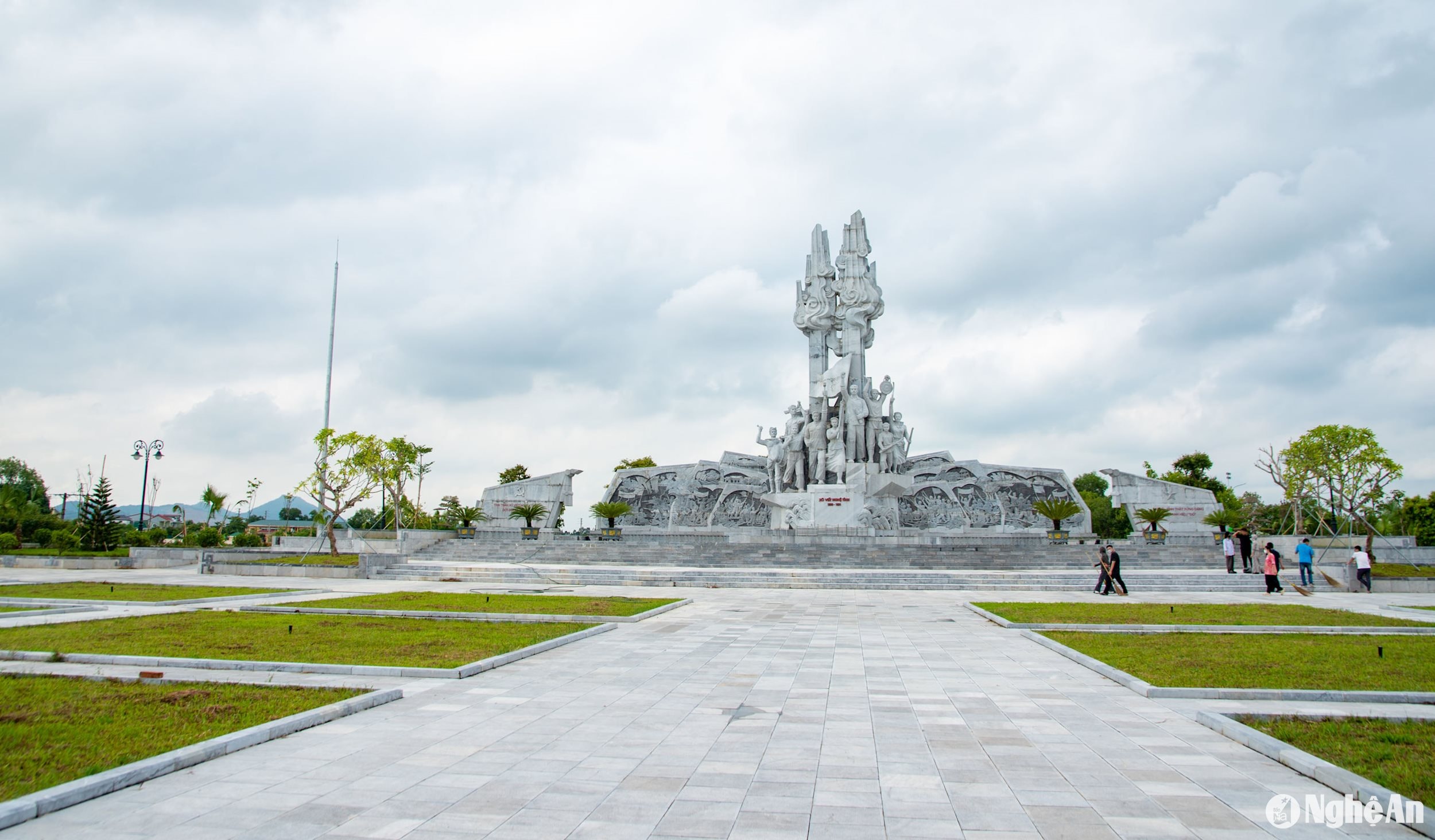
In the early days of autumn, we visited the Soviet-Nghe Tinh Square historical site in Hung Nguyen town. Ninety-four years ago, at this location, when a protest of over 8,000 farmers from Hung Nguyen and Nam Dan marched to the Hung Nguyen district capital, the French colonialists bombed the protest, killing 217 people and injuring 125. Since then, September 12th has become a significant day.Nghe An - Tinh Soviet Day, a major anniversary for the entire Party and the entire nation.
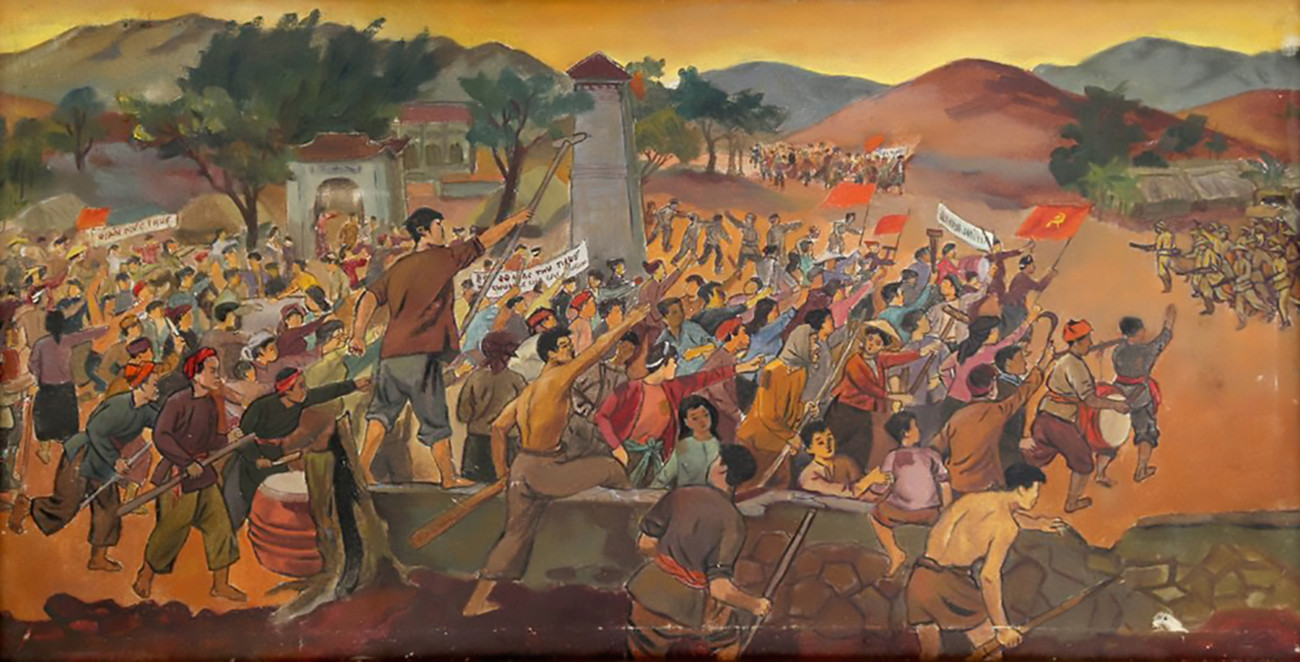
From the Soviet Nghệ Tĩnh Martyrs' Cemetery and Memorial, which was classified as a National Historical Monument in 1988, the site has now been expanded and planned as the Nghệ Tĩnh Soviet Square, covering an area of 12.9 hectares with a full range of facilities including a memorial house, monument, park, and cultural and sports facilities to honor the great sacrifices of the outstanding sons and daughters of the homeland in the September 12th protest.
“As a citizen of the heroic Soviet homeland, I am very excited and proud that the Nghe Tinh Soviet Square has been put into use. The project not only demonstrates the principle of 'drinking water, remembering the source,' commemorating and deeply appreciating the heroic martyrs who sacrificed for the independence and freedom of the Fatherland, but also educates the patriotic traditions of today's and future generations,” shared Mr. Tran Dinh Thanh from Block 5, Hung Nguyen town.
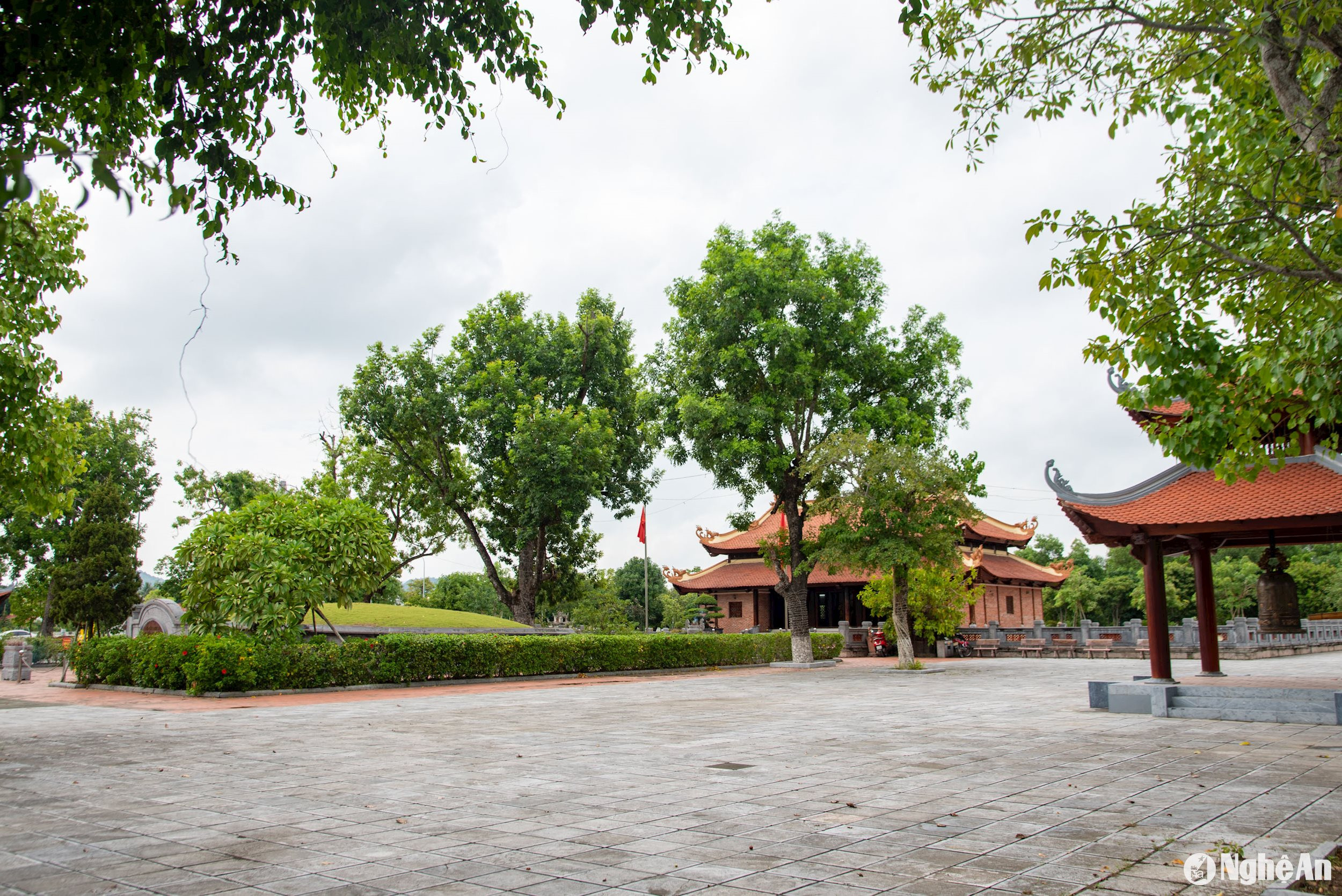
According to Mr. Nguyen Huu Ha, Vice Chairman of the People's Committee of Hung Nguyen District, in recent years, the district has regularly welcomed visiting delegations and working groups to offer incense and flowers in remembrance of the heroic martyrs at the Soviet-Nghe Tinh Square. In addition, youth union members, students from schools in the district regularly organize cleaning activities and participate in learning about the history of the struggle of their forefathers, creating pride for future generations.
To enhance the value of the Nghe Tinh Soviet Square, the district is currently directing efforts to restore the remaining items for use; preparing a dossier to propose its recognition as a Special National Historical Monument; and simultaneously promoting the dissemination of information about the historical significance of the Nghe Tinh Soviet movement to all levels of the population.”
Mr. Nguyen Huu Ha - Vice Chairman of Hung Nguyen District People's Committee
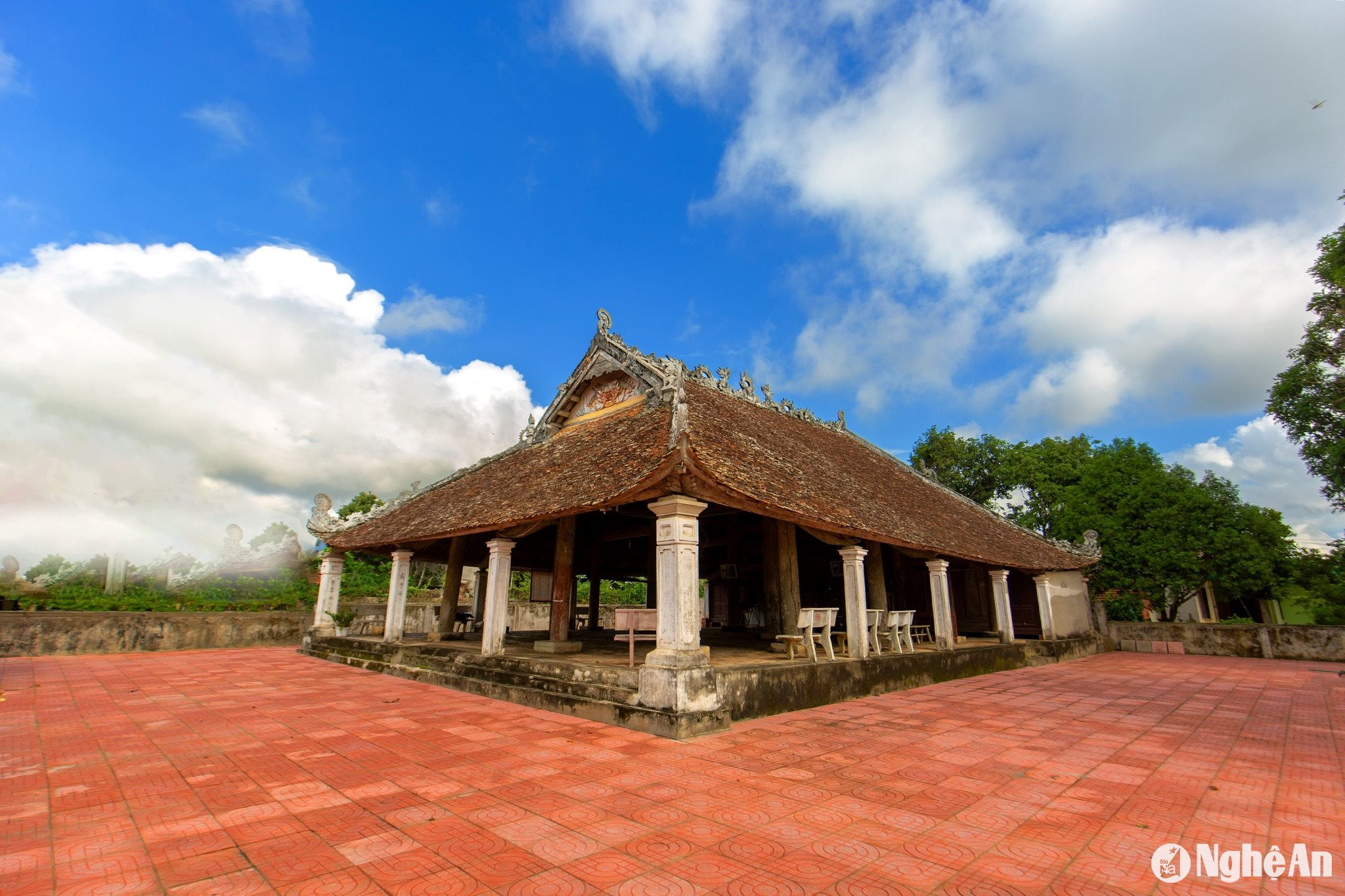
Leaving Hung Nguyen district, we headed up to Thanh Chuong district to...Vo Liet Temple- This historical site is considered the "Confucian temple" of Thanh Chuong district. Besides its unique architecture and its significance as a symbol of academic achievement, Vo Liet communal house is also associated with many significant historical events of the nation and the locality, especially the Nghe Tinh Soviet movement.
On June 1, 1930, the people gathered at Vo Liet communal house, then marched to the district office to present their demands. On September 1, 1930, under the leadership of the Thanh Chuong District Party Committee, people from five communes crossed the Lam River to surround and destroy the district office, causing the district chief and officials to flee in panic to Thanh Qua outpost.
Following the disintegration of the local gentry system, the Party cell met at Vo Liet communal house and decided to establish the Red Peasant Association, representing the interests of the workers and openly handling all affairs like a revolutionary government. Vo Liet communal house was one of the first locations where the Soviet government was established in Nghe Tinh, serving as the headquarters of the Soviet government.
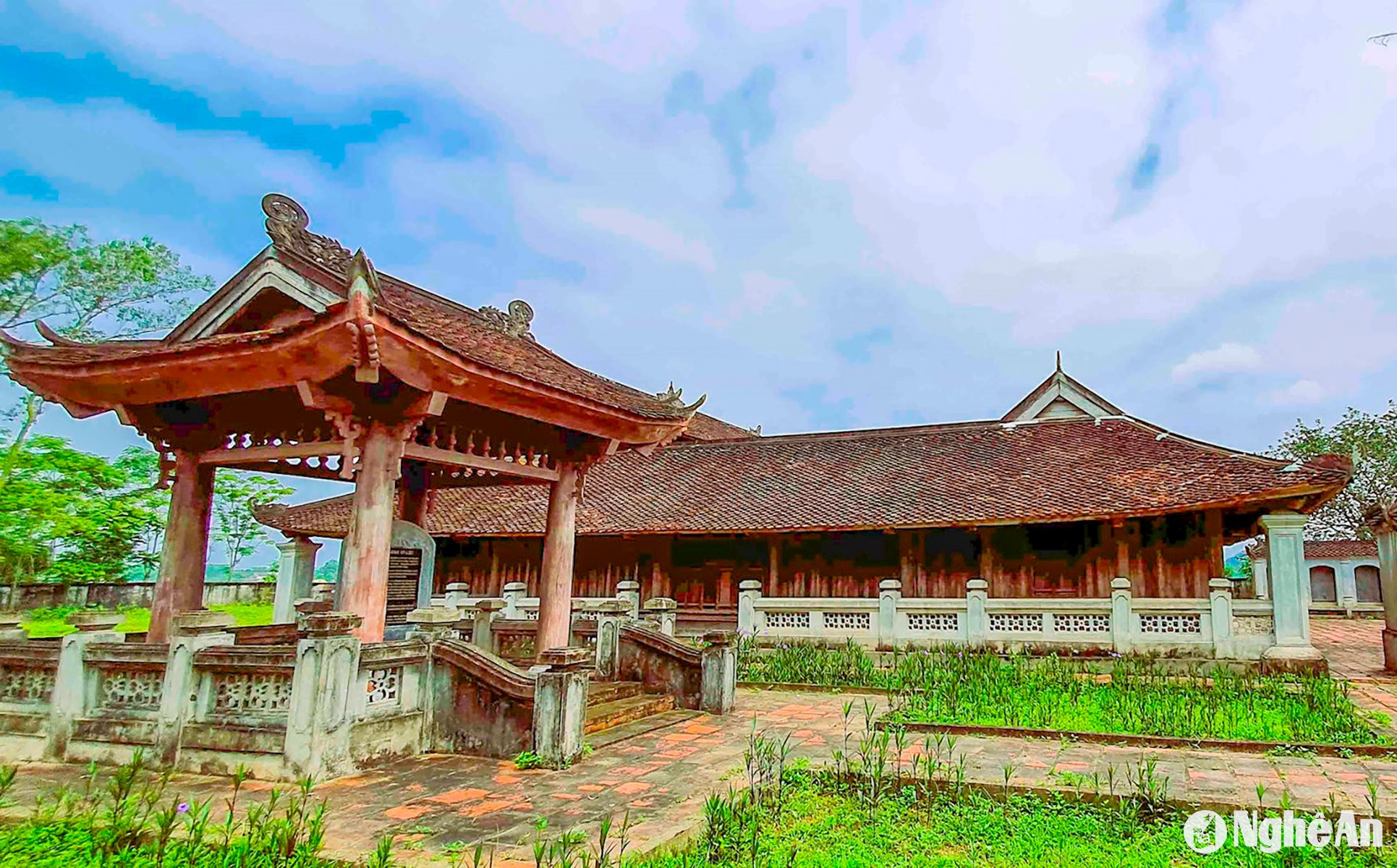
With its many traditional values and unique architecture, Vo Liet communal house was classified as a National Historical and Cultural Monument by the Ministry of Culture and Information (now the Ministry of Culture, Sports and Tourism) in 1988.
Since its classification, the Vo Liet Temple relic has undergone numerous restorations and renovations, and many meaningful activities have been organized at the temple, such as rallies, commemorations, traditional talks, and cultural and artistic activities aimed at protecting and promoting the values of the relic, contributing to the education of the tradition of studiousness, patriotism, and revolution, and continuing to build a prosperous and strong homeland and country.
Mr. Dang Van Hoa - Head of the Culture and Information Department of Thanh Chuong District
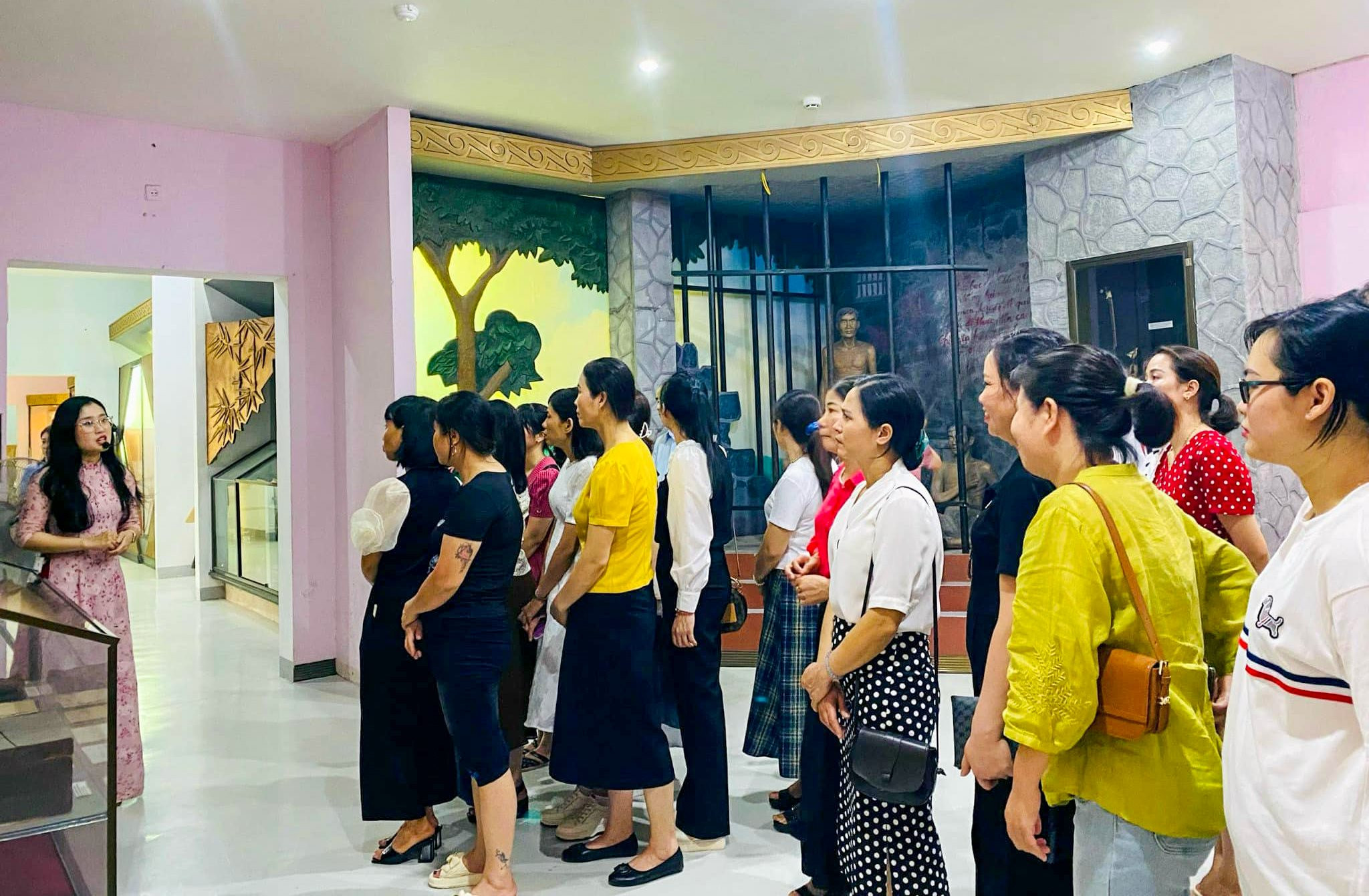
According to a report by the Nghe An Provincial Relics Management Board, there are currently 139 relics throughout the province.relicsHistorical sites related to the Nghe Tinh Soviet movement have been classified, including 53 national-level relics and 86 provincial-level relics. Most relics related to the Nghe Tinh Soviet movement are concentrated in the following localities: Vinh City, Hung Nguyen, Nam Dan, Thanh Chuong, Do Luong, Nghi Loc, Dien Chau, and Quynh Luu; there is one relic in the mountainous region, the National Historical and Cultural Relic of the House of Mr. Vi Van Khang - the place where the first Party cell in western Nghe An was established in Mon Son commune (Con Cuong).
Most of the relics are associated with communal houses, temples, ancestral halls, and private homes – places where Party branch meetings took place, Soviet government activities were held, and where cadres and weapons were hidden during the Nghe Tinh Soviet movement.
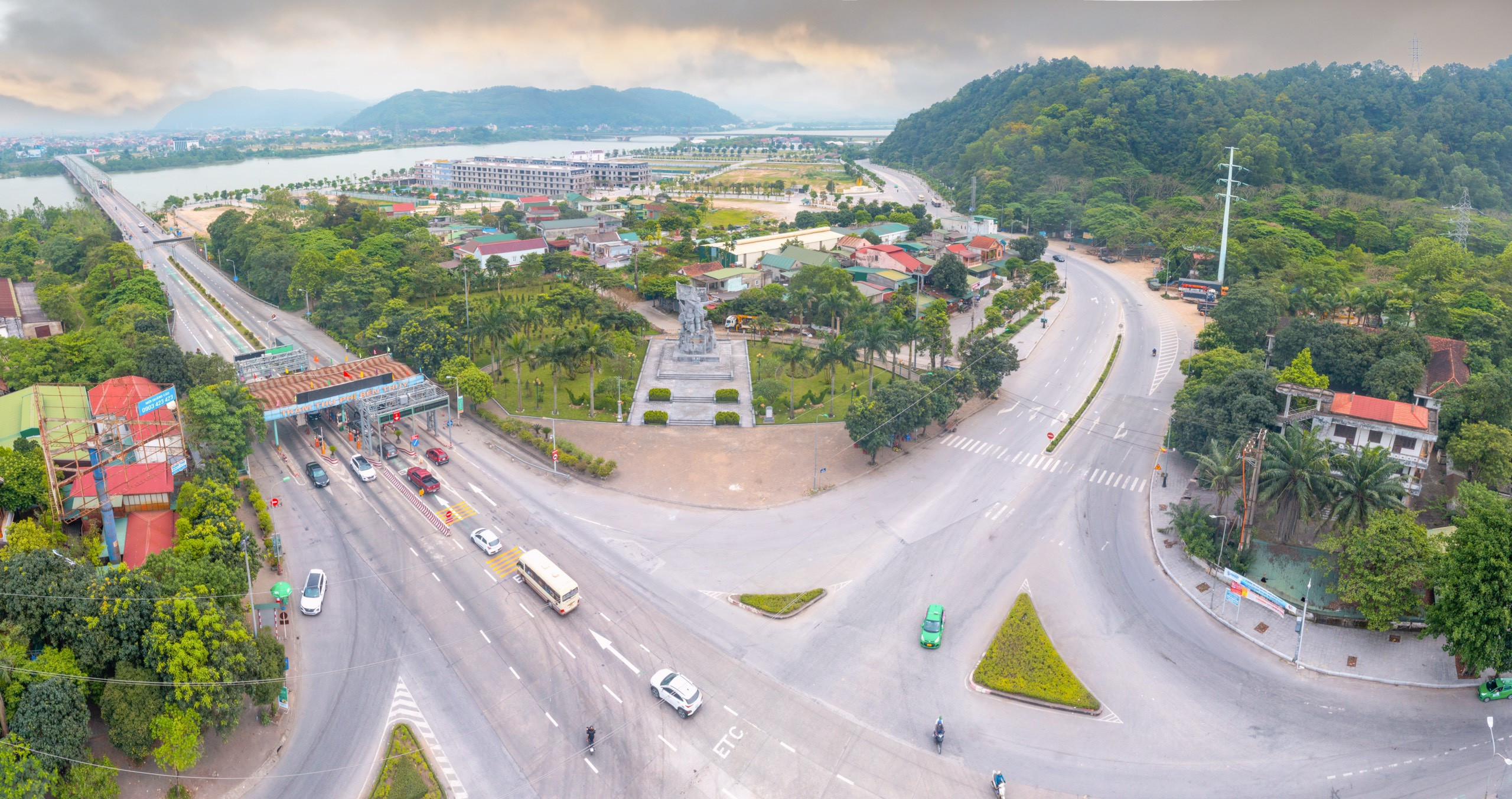
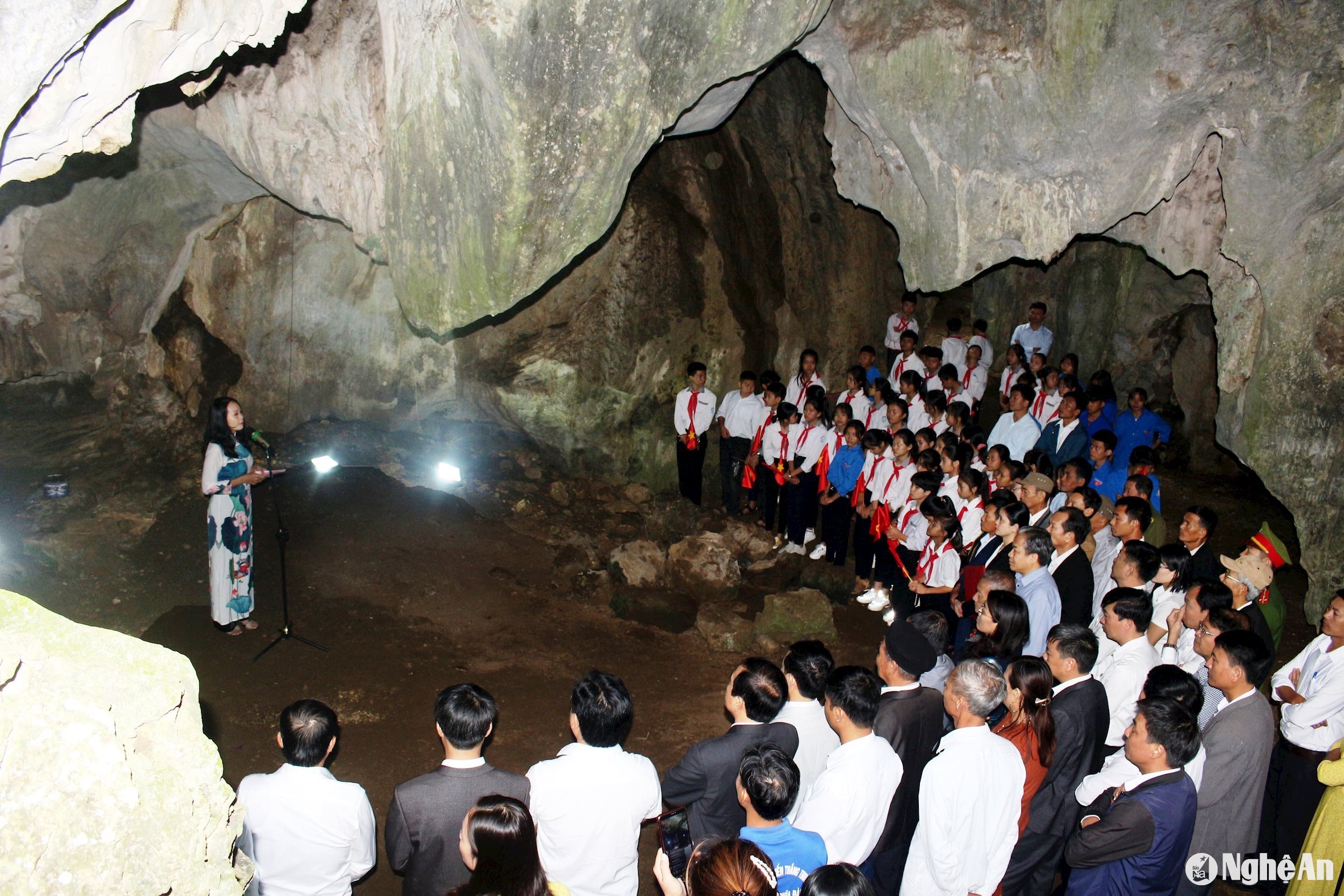
In addition, there are historical sites associated with significant events such as: the Soviet-Nghe Tinh Square in Hung Nguyen town – formerly the site where the French colonialists suppressed the struggle on September 12, 1930; Ben Thuy Crossroads – the site of the workers' and peasants' struggle on May 1, 1930; Con Mo – a significant location for the people of Ben Thuy and surrounding areas to hold meetings, demonstrations, and rallies; Dam Mu Nuoi – the place where the Hung Dung Communist Party branch was established; Trang Ke – the place where 72 Soviet-Nghe Tinh fighters were executed; Ru Am Cave – the place where the first Party branch of Nghia Dan district was established…
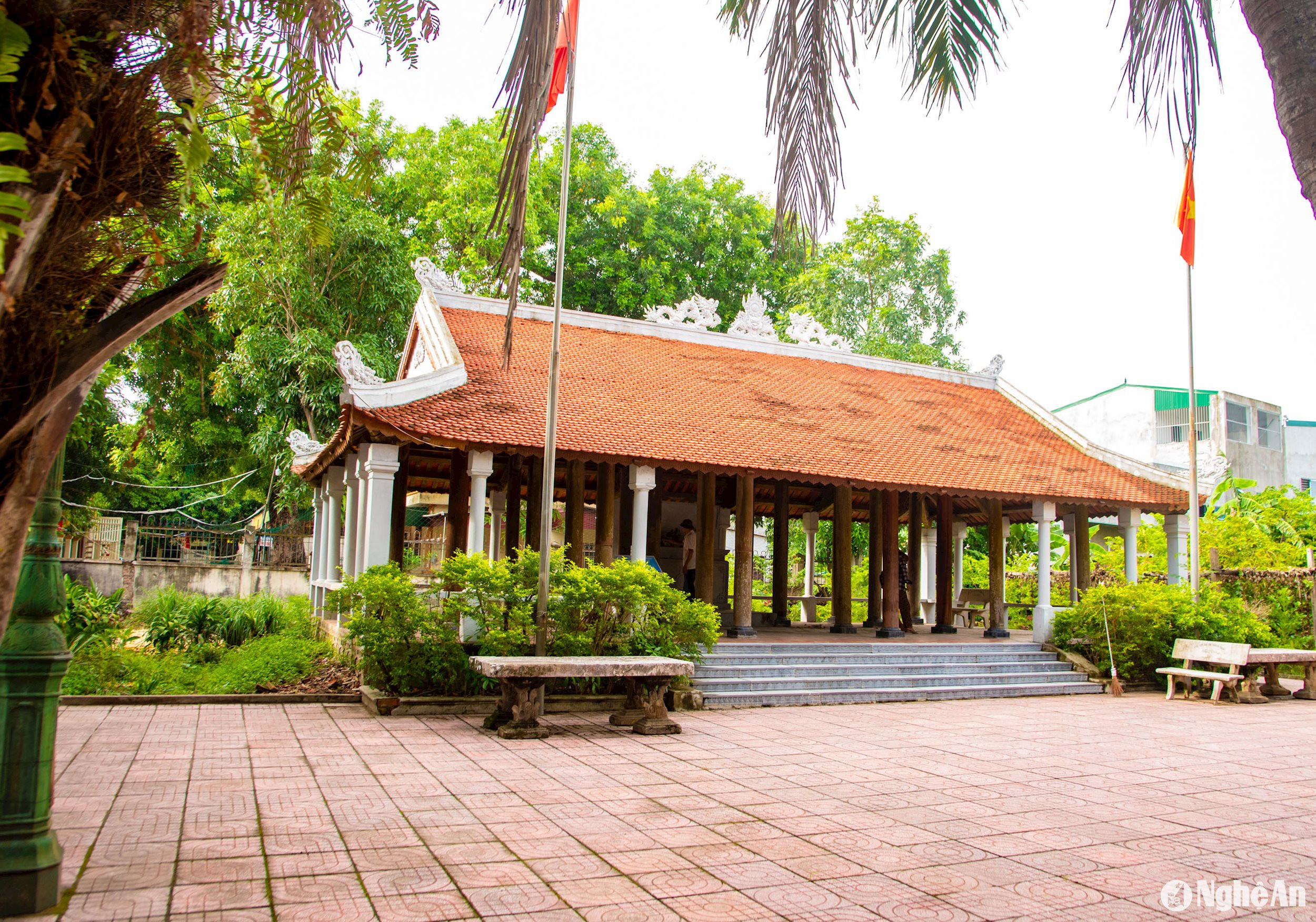
Besides their historical value, some temples also hold architectural and spiritual cultural value, such as Vo Liet communal house (Vo Liet commune, Thanh Chuong district), Tru Phap communal house (My Thanh commune, Yen Thanh district), Tan Son temple (Xuan Hoa commune, Nam Dan district), Huu temple (Thanh Yen commune, Thanh Chuong district), Phuc My temple (Chau Nhan commune, Hung Nguyen district)...
Over the years, especially after the scientific conference "Preserving and Promoting the Value of the Soviet-Nghe Tinh Relic System in Nghe An Province" held in 2020, localities and relic management boards have implemented many solutions to preserve and promote the value of relics related to the Soviet-Nghe Tinh movement, such as: demarcating protected areas; restoration and renovation; inventorying, documenting, and ranking relics; promoting educational activities about the origins; focusing on developing tourism at relic sites... As a result, many revolutionary historical relics have been well preserved and promoted, such as: the Soviet-Nghe Tinh Square (Hung Nguyen town), Lang Trung communal house (Hung Dung ward, Vinh city), Phu Nhuan communal house (Dang Son commune, Do Luong district)...
However, some Soviet-era relics in Nghe Tinh province are currently in a state of disrepair due to a lack of care, preservation, and the failure to fully utilize their value for cadres, Party members, and the people. Some relics are facing difficulties in demarcating protected areas, such as the house of Mr. Nguyen Sy Huyen, the house of Mr. Nguyen Huu Dien in the Lang Do relic complex (Hung Dung ward, Vinh city), and the Tam Mai communal house (Quynh Thuan commune, Quynh Luu district)...
Some historical sites have been and are being invested in for restoration and preservation, but due to a lack of funding, they remain unfinished. Meanwhile, completed sections are beginning to show signs of deterioration, or some sites that have received investment for restoration are only partially repaired due to limited funds, typical examples being Vo Liet communal house and Sung communal house (Lang Thanh commune, Yen Thanh district)... In addition, due to harsh climatic conditions and a lack of donations, conservation, restoration, and preservation efforts face many difficulties.
On the other hand, in many localities, the dissemination and education of patriotic and revolutionary traditions through visits to Soviet-era relics in Nghe Tinh is limited and lacks the appeal to attract people and tourists to visit and learn regularly; the promotion and introduction of the value of revolutionary historical relics still have many limitations.
Historical and cultural relics associated with the Nghe Tinh Soviet movement are a special source of pride for the Party Committee, officials, Party members, and people of the province. Therefore, to preserve, restore, renovate, and effectively promote the system of historical relics of the Nghe Tinh Soviet movement, it is necessary to continue to enhance the responsibility and awareness of leaders at all levels and sectors, especially government leaders and officials working in cultural management; strengthen propaganda and education for the people on the preservation and promotion of the value of these relics; allocate timely funding, with a focus on mobilizing social resources in the work of preservation and restoration, to turn these relics into cultural destinations that attract tourists and researchers.”
Ms. Tran Thi My Hanh - Director of the Department of Culture and Sports