
Lychees are delicious, but how can you eat them without getting overheated?
Lychee is a popular summer fruit, but it can easily cause acne, mouth ulcers, and even allergies if eaten incorrectly.
According to Dr. Huynh Tan Vu, Department of Traditional Medicine, University of Medicine and Pharmacy of Ho Chi Minh City, lychee (also known as litchi) has a sweet and sour taste and a warm nature. If consumed excessively, this fruit can have adverse effects, causing acne, mouth ulcers, dry throat, and even nosebleeds.
The Cantonese have a saying: "Eating one lychee is like holding three torches inside your body" – a metaphor for the fruit's strong yang (heat) properties. Vietnamese folklore also refers to the phenomenon of "internal heat" after eating many lychees, with symptoms such as dry mouth, sore throat, nausea, or itching.
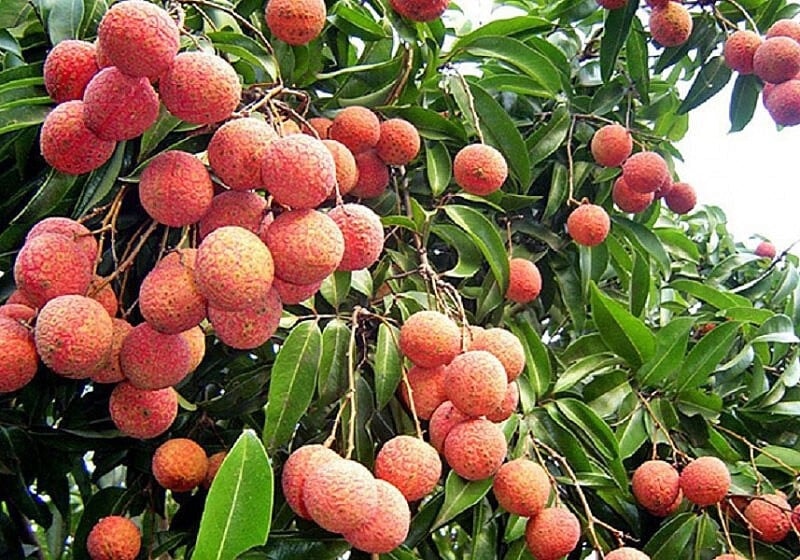
To reap the benefits without getting "overheated," Dr. Vu advises:
Adults should only eat 5-10 lychees at a time; pregnant women and children should limit themselves to 3-4 lychees; postpartum women and breastfeeding mothers should eat 100-200g at a time; women during menstruation should limit their intake; people with diabetes need to control their consumption due to the relatively high sugar content in lychees.
In addition, lychees can cause allergic reactions in some people, manifesting as hives, nausea, and abdominal pain. This is often caused by the Candida tropicalis fungus, which appears on the stem of overripe or bruised fruit. Therefore, you should only choose fresh, undamaged fruit and avoid eating rotten or bruised fruit.
However, if eaten correctly, lychee offers many benefits: it is rich in water, fiber, vitamin C, and antioxidants such as epicatechin and rutin – which are good for the immune system, skin beauty, anti-aging, and digestion.
Lychee can be eaten fresh, processed into tea, jelly, beverages, or dried for year-round use. Refrigerated storage can preserve it for 5-10 days; dried lychee can be kept for up to a year if stored in a dry place.
Besides being eaten fresh, lychee fruit is also used in many traditional folk remedies:
- Treating boils: Mash lychee pulp with preserved plums or glutinous rice paste, then apply to the boil.
- Treating toothache: Burn a whole lychee fruit (with peel and seeds) with salt, grind it into a powder, and rub it on the tooth.
- To cure hiccups: Burn a piece of cloth to charcoal, grind it into powder, mix with hot water, and drink.
Like all foods, "eating it right is medicine, eating it wrong is poison." With lychees, moderation is key to enjoying them without worrying about internal heat.


