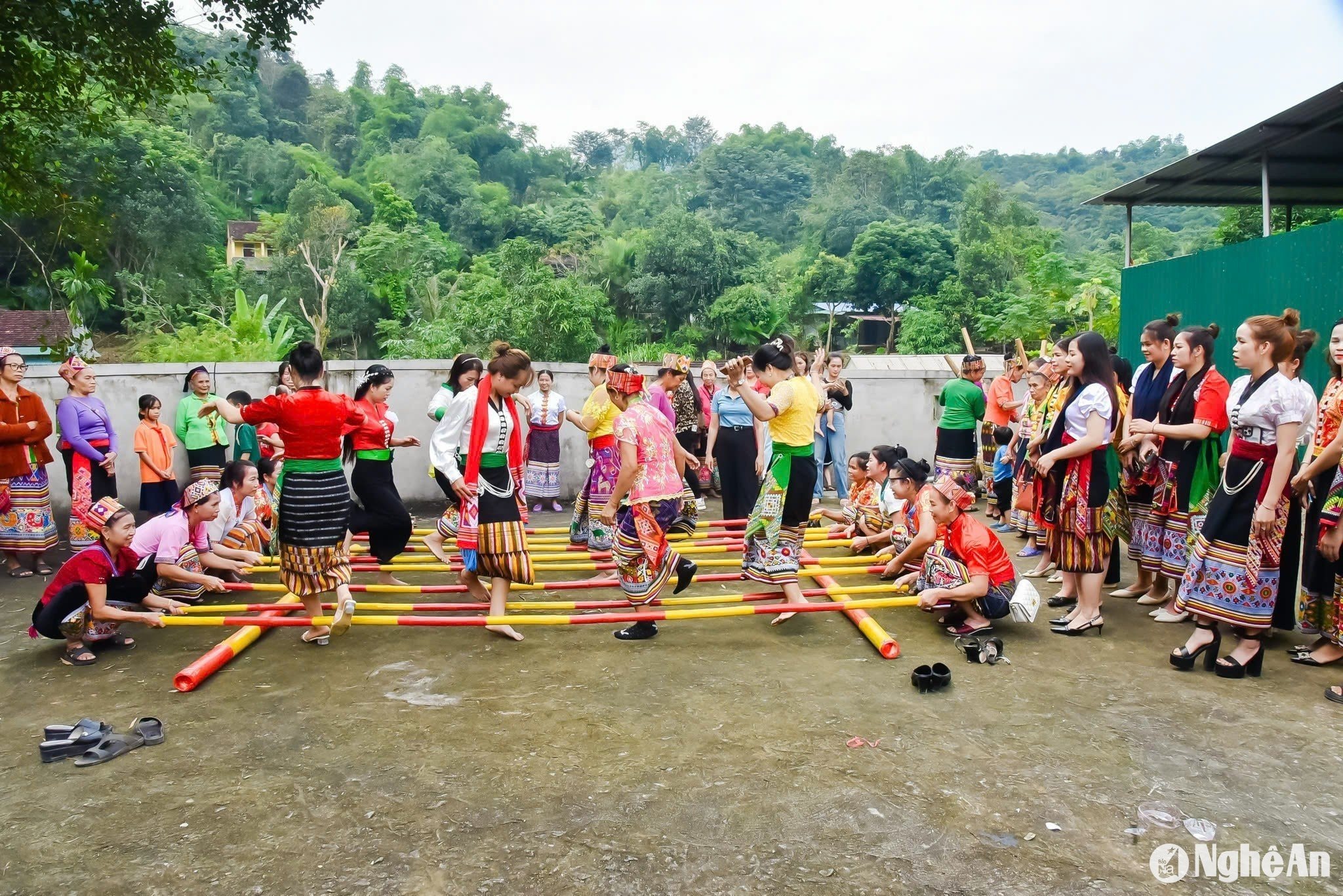
Focus on the comprehensive development of ethnic minority areas.
Over the years, Nghe An province has always paid special attention to ethnic affairs; programs and policies for ethnic minority and mountainous areas have been fully and promptly implemented. In particular, there are many effective models and approaches in mass mobilization work, effectively engaging the armed forces.
.png)
Thanh LeNovember 20, 2024
Over the years, Nghe An province has always paid special attention to ethnic affairs; programs and policies for ethnic minority and mountainous areas have been fully and promptly implemented. In particular, there are many effective models and approaches in mass mobilization work, effectively engaging the armed forces.

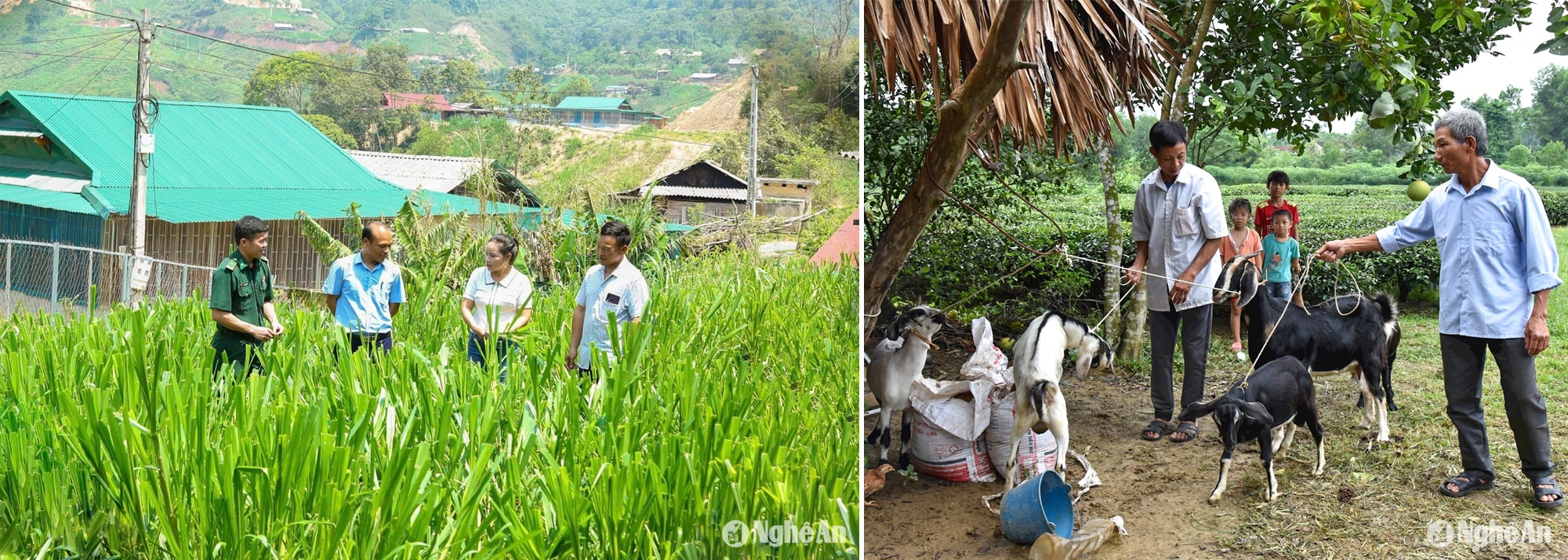
Like many poor and near-poor households in Pieng Cu village, Tien Phong commune (Que Phong district), at the beginning of 2024, Mr. Lo Van Thuy's family received breeding cows from the government, creating a leverage to escape poverty in the coming years. Mr. Thuy shared that his family resettled here in 2010, and their lives depended year-round on income from 1 hectare of acacia plantation, 200 square meters of rice paddies, and doing odd jobs or gathering bamboo shoots in the forest. The unstable income meant his family had not yet escaped poverty.
When the government provided them with breeding cows to raise, his family proceeded to build barns and plant grass for feed. Mr. Lo Van Thuy said: "Receiving one breeding cow from the government is a great source of livelihood. Every member of the family is determined to take good care of the cow so that it will grow into a herd, helping the family escape poverty. With this motivation, the family hopes to receive more land to plant cinnamon and acacia trees, creating stable employment and achieving sustainable poverty alleviation."
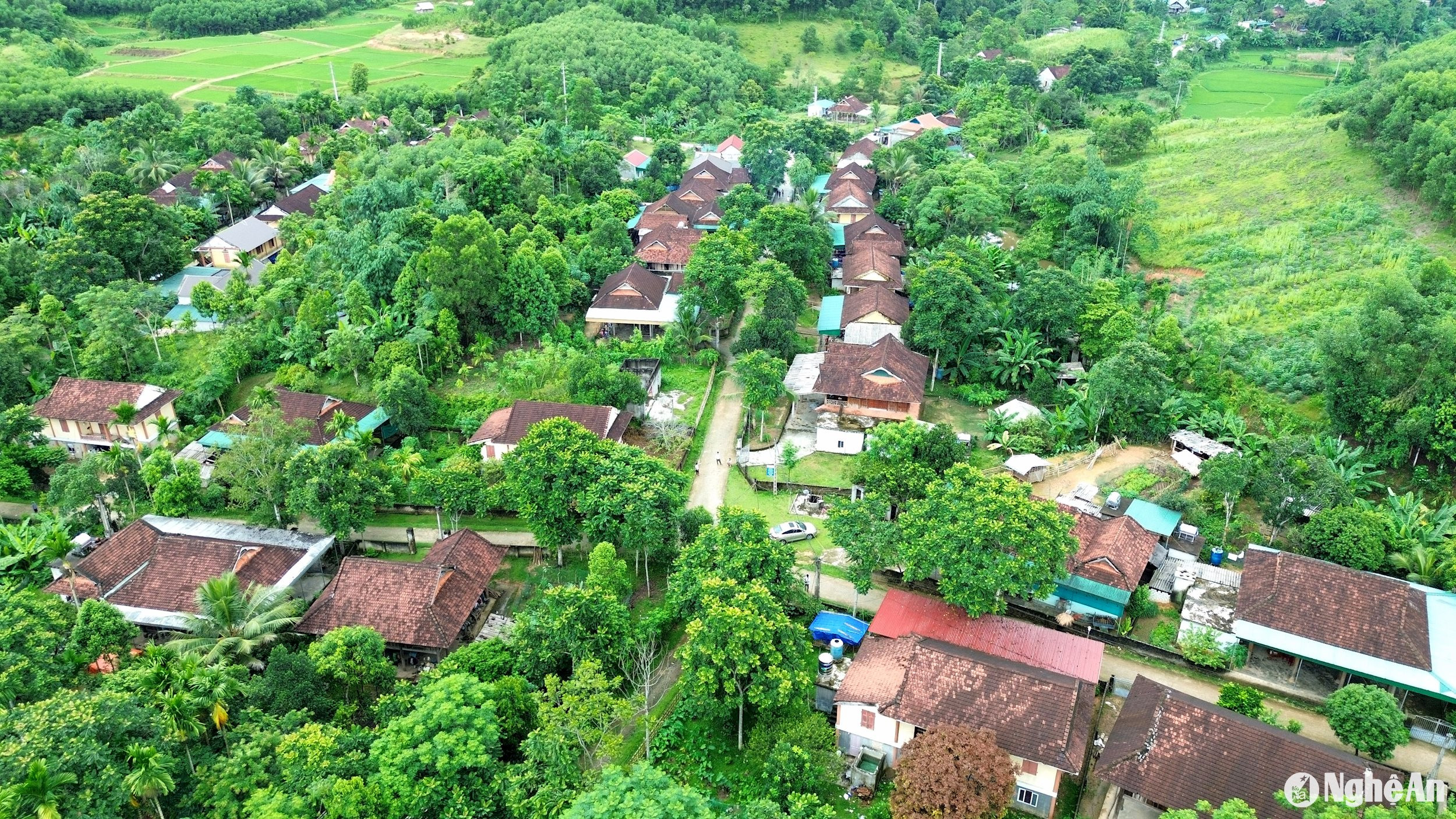
Similarly, in Chau Kim commune, using funds from the National Target Program for the period 2021-2025, in 2023, Que Phong district provided 93 local black pigs to 31 poor and near-poor households for breeding (each household received 3 pigs).
Along with the piglets, the households were also provided with a certain amount of feed. The nearly one-year rearing process showed that most households were highly responsible in their care; they utilized readily available local resources such as taro, sweet potato vines, wild bananas, etc., for feeding.
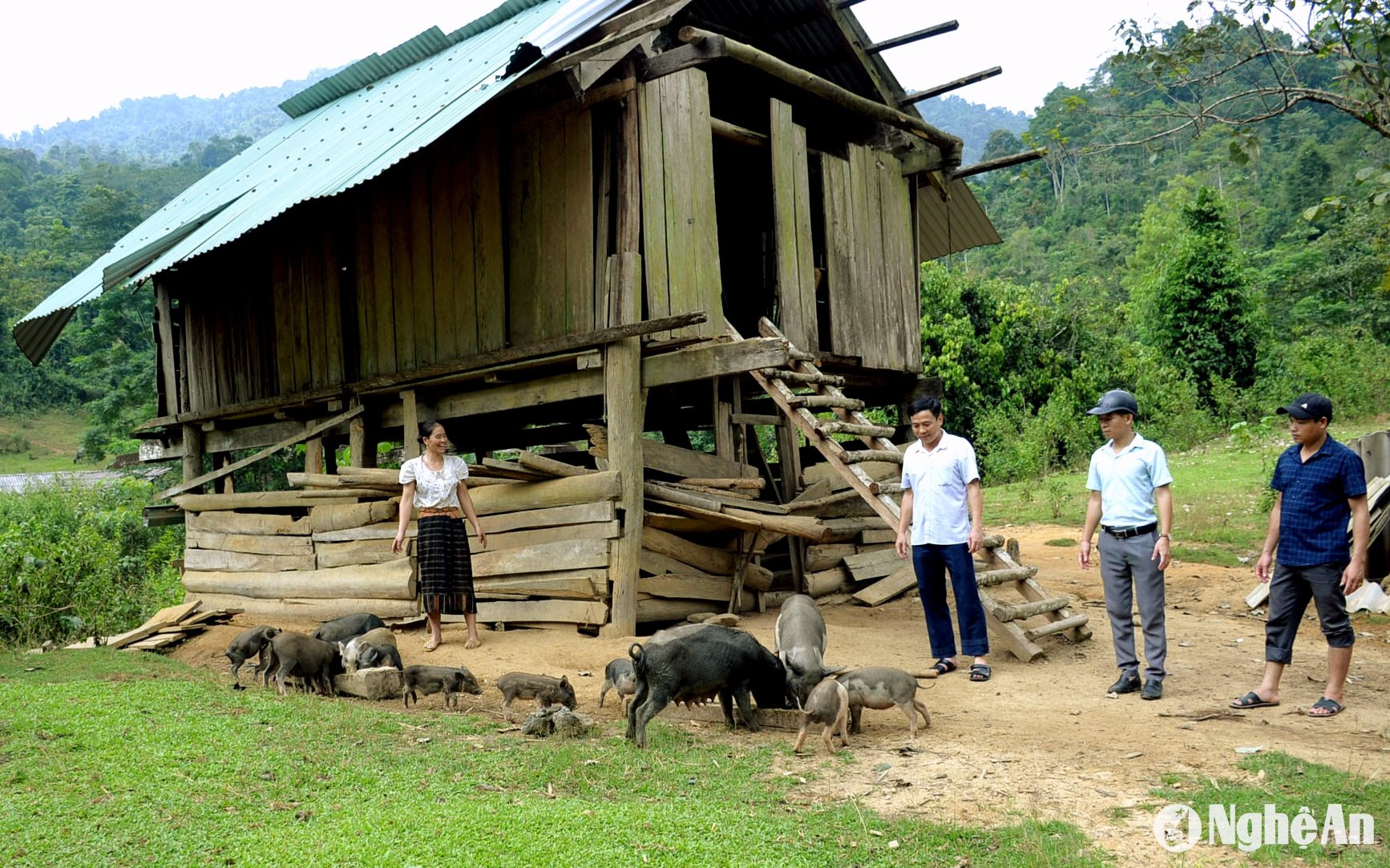
Meanwhile, the family of Mr. Le Van Nhuan moved from the core area of Pu Mat National Park to settle in Tan Son village, Mon Son commune, Con Cuong district. Despite having labor resources, for many years his family struggled with economic development and poverty reduction due to a lack of capital and a clear direction. For the past two years, thanks to the livestock support from the Mon Son Border Guard Post, his family has been gradually moving from a poor household to a near-poor household and is striving to escape poverty this year.
Sharing about the support from the border guard station, Mr. Nhuan said: "The border guard station provided my family with 6 piglets, 2 cows, as well as chickens and ducks, and technical support for livestock farming to develop our economy. Thanks to the specific guidance from the soldiers, our family's economy has now developed and we are gradually escaping poverty."
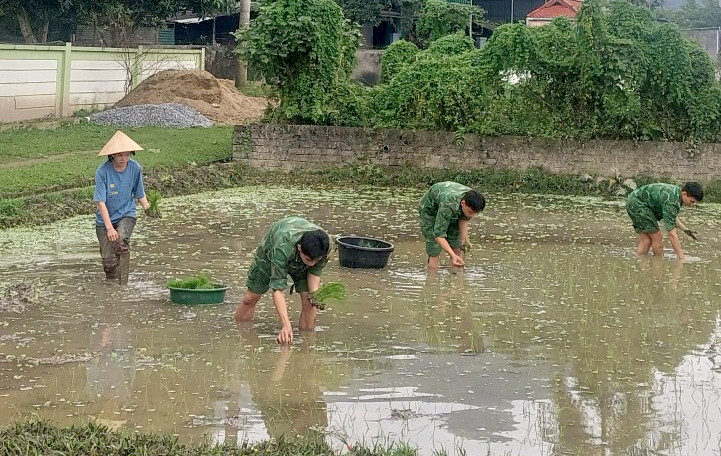
Colonel Tran Dang Khoa, Deputy Political Commissar of the Border Guard Command of Nghe An province, said: To help the people in the area escape poverty and prevent it from recurring, border guard posts have mobilized resources, provided capital, seedlings, livestock, and technical assistance; and created new livelihoods and jobs for the people. In the border area, the Nghe An Border Guard Command is implementing 90 "Effective People's Mobilization" models, including 63 economic development models. The Nghe An Border Guard Command has also assigned 579 Party members to be in charge of 2,671 households of ethnic minorities in border areas to help them develop their economy and alleviate poverty...
These effective implementation models, creating jobs for local workers, have gradually helped people escape poverty, thereby helping ethnic minorities feel secure in their villages, build increasingly prosperous communities, and firmly protect border security and sovereignty.
Nghe An is the province with the largest natural area in the country, at 16,493.7 km².2Of that, ethnic minority and mountainous areas account for 83% of the province's total natural area; with over 491,260 people, accounting for 14.76% of the province's total population; 5 ethnic minority groups with long histories of living there are Thai, Tho, Kho Mu, Mong, and O Du; there are 27 border communes.


Over the past years, in implementing Conclusion No. 65-KL/TW, dated October 30, 2019, of the Politburo on continuing to implement Resolution No. 24-NQ/TW, dated March 13, 2003, of the Central Committee (9th term) on ethnic affairs in the new situation, Nghe An province has achieved many important results.
The economic situation and living standards of the people in ethnic minority and mountainous areas are improving, and the economy continues to develop. The people are enthusiastically working, increasing production, striving to overcome poverty, and achieving legitimate wealth, transforming the appearance of ethnic minority and mountainous regions, combating social evils, and contributing to the successful achievement of local economic development targets; the poverty rate is only 12.48%, and the average per capita income is estimated at 34 million VND/year.
Vocational training and job creation for ethnic minorities have achieved many positive results. During the period 2019-2024, vocational training was provided to 174,445 people in 11 mountainous districts and towns (accounting for 49.96% of the total number of trainees). From 2019-2024, employment was secured for 89,913 people from ethnic minority and mountainous areas (accounting for 36.29% of the province), and 33,993 people were sent to work abroad under contract (accounting for 34.96% of the province).
Labor and employment shifts, along with the province's economic structure, continue to move in the right direction. Policies supporting production development under national target programs for the 2021-2025 period have been actively implemented, resulting in many effective production and business cooperation models. To date, across 11 mountainous districts and towns in Nghe An province, there are 236 products, including 226 OCOP products achieving 3-star rating and 10 products achieving 4-star rating.
Simultaneously, policies supporting production development under national target programs for the 2021-2025 period have been actively implemented, resulting in many effective production and business cooperation models. Mobilizing resources and attracting investment for economic development in ethnic minority and mountainous regions has received greater attention, with provincial budget support for localities to address socio-economic infrastructure development needs; and land use revenue being decentralized to districts and communes.
The total budget allocated for investment and development support in ethnic minority and mountainous areas under the medium-term public investment plan for the period 2021-2025 is 8,859 billion VND, of which the provincial budget accounts for over 3,003 billion VND, with the remainder coming from the central government budget and other integrated sources. The province has supported 11 districts in ethnic minority and mountainous areas in building and repairing 7,212 houses (3,560 prefabricated houses, 2,775 new houses, and 877 repaired houses), ensuring stable living conditions for the people.
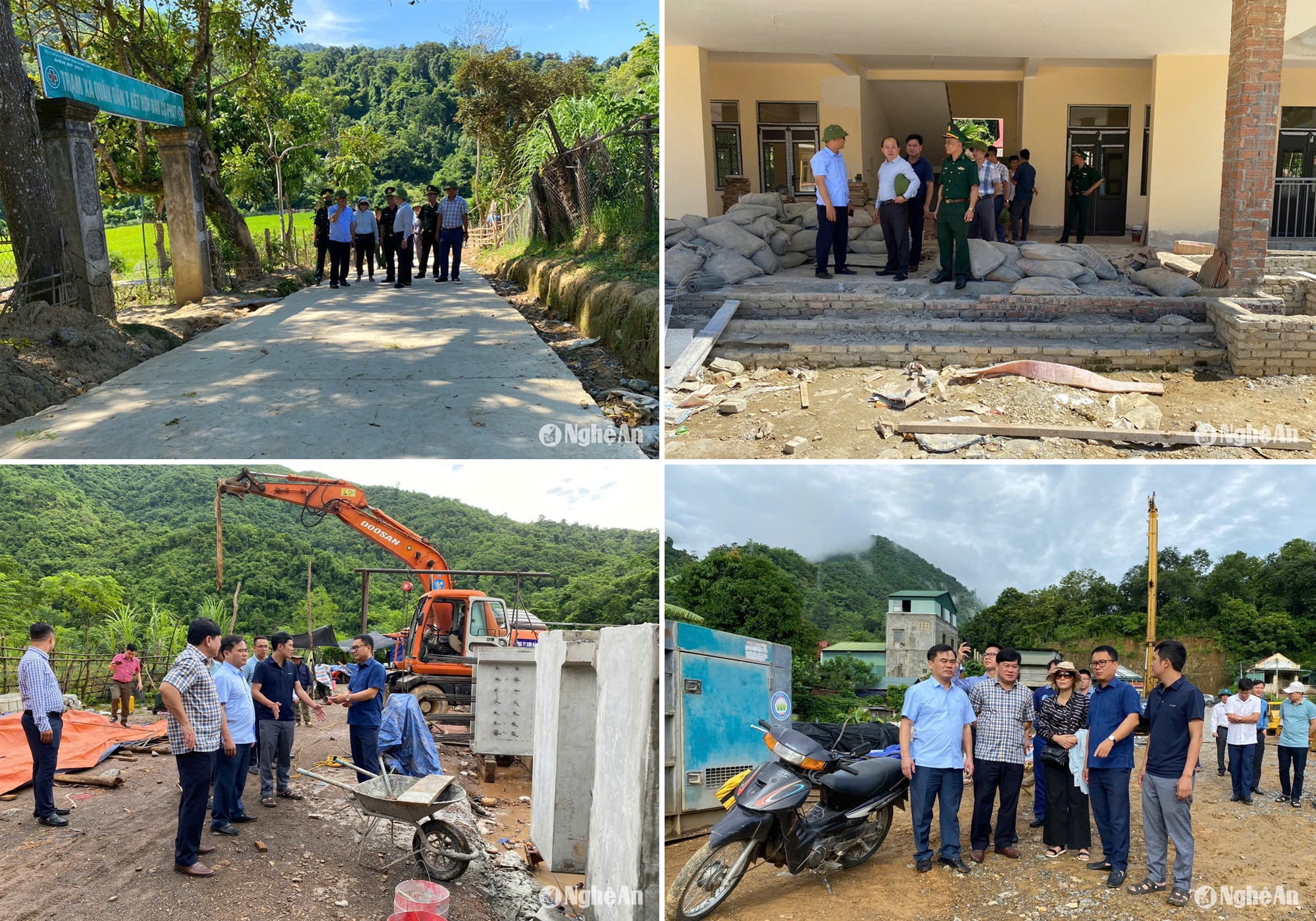
In addition to the central government's policies supporting and providing incentives for ethnic minority and mountainous regions, the province has also implemented other support and incentive policies. Notably, on August 11, 2022, the Provincial Party Standing Committee issued Directive No. 17-CT/TU “On strengthening the Party's leadership over ethnic affairs and implementing ethnic policies in Nghe An province for the period 2022-2026, with a vision to 2030,” outlining many groundbreaking and strategic tasks and solutions to promote socio-economic development, improve people's lives, narrow the gap between rich and poor, and reduce disparities between regions within the province.
In addition, the province has focused on directing the implementation of the Government's national target program, allocating significant resources to ethnic minority areas. After four years of implementation, this has had a very important impact on the socio-economic development of ethnic minority areas in particular, and on stabilizing the socio-economic situation and developing potential and strong sectors of the province in general.
This is a very important policy decision of the Party and the State specifically for ethnic minority and mountainous regions; striving to fundamentally narrow the gap in income, living conditions, culture, education, and health between ethnic minority regions and other regions in the province by 2030.
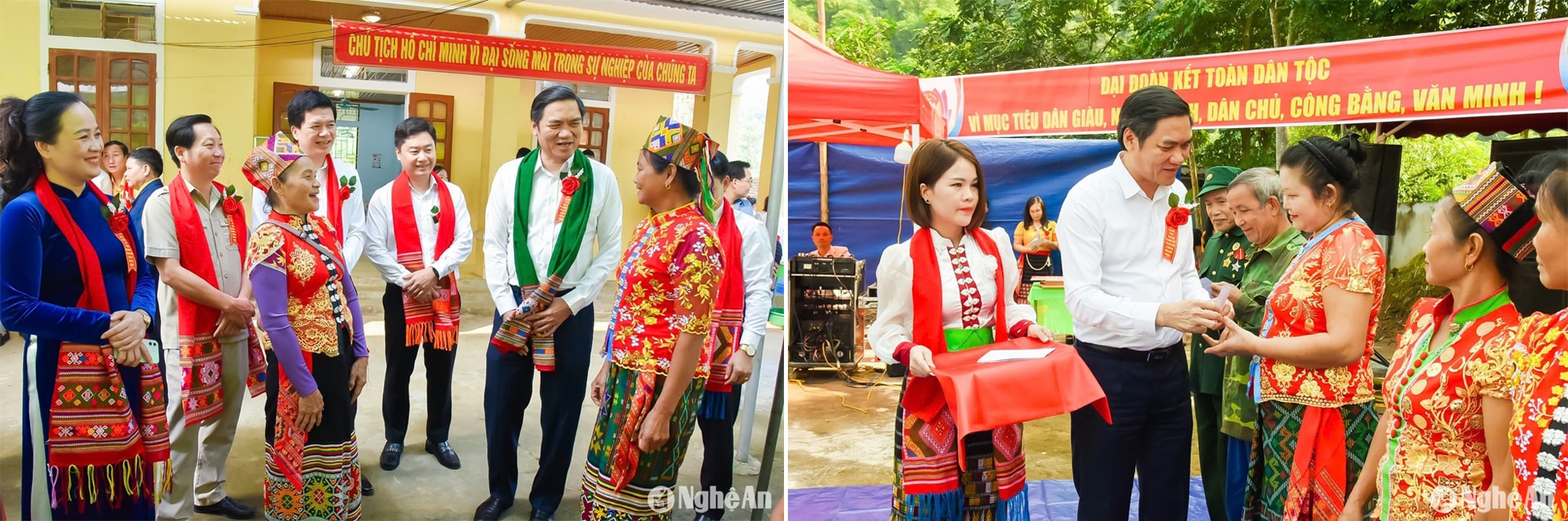
Comrade Hoang Nghia Hieu - Standing Deputy Secretary of the Provincial Party Committee, said: The Standing Committee of the Provincial Party Committee has focused on leading, directing, and implementing many major policies and solutions to promote socio-economic development in ethnic minority and mountainous areas in the province. In addition to the policies of the Central Government, Nghe An has also developed additional policies for the development of ethnic minority and mountainous areas. These include the housing construction project for poor households, the new rural development project in 27 border communes, etc.
Thanks to the efforts of the entire political system, the poverty rate among ethnic minority households has decreased to just over 12%, incomes have increased, and people's living standards have improved. The preservation of traditional culture has been carried out very well.
"The attention given to allocating resources and effectively implementing ethnic policies has helped ethnic minority communities in the province to develop their internal strengths, awaken their spirit of overcoming difficulties and striving for economic development, building increasingly prosperous and happy lives. However, the implementation of ethnic affairs in the new situation still faces difficulties and limitations."
"Based on a review of the implementation of ethnic affairs work over the past years, in the coming period, the province will continue to issue new directives and new approaches to make the implementation of ethnic affairs work even better and more effective, contributing to promoting the comprehensive development of mountainous areas inhabited by ethnic minorities," Comrade Hoang Nghia Hieu emphasized.