
In Quy Chau, the poverty rate remains high.
(Baonghean.vn) – Following a direct survey of the implementation of the process of investigating, reviewing, and assessing poor and near-poor households in Chau Binh commune, on the afternoon of November 10th, the Culture and Social Affairs Committee of the Provincial People's Council held a working session with the Quy Chau District People's Committee on related issues.
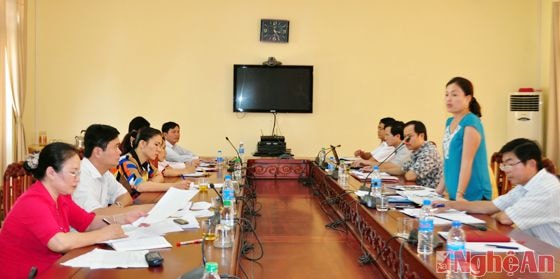 |
| A view of the work session. |
Quy Chau is a mountainous district where nearly 80% of the population are ethnic minorities; the poverty rate is high. Therefore, in recent years, many policies of the Party and State to support poverty alleviation have been implemented and applied in the district. One of the important steps to ensure the effectiveness of these policies is to organize surveys, reviews, and assessments of poor households in a policy-oriented manner, classifying each group of poor people to provide appropriate support.
The district has decisively directed this work by establishing a Steering Committee for investigating and reviewing poor and near-poor households from the district level to the grassroots; the district steering committee goes down to the communes and the commune steering committees go down to the hamlets and villages to provide guidance, and any errors are promptly addressed.
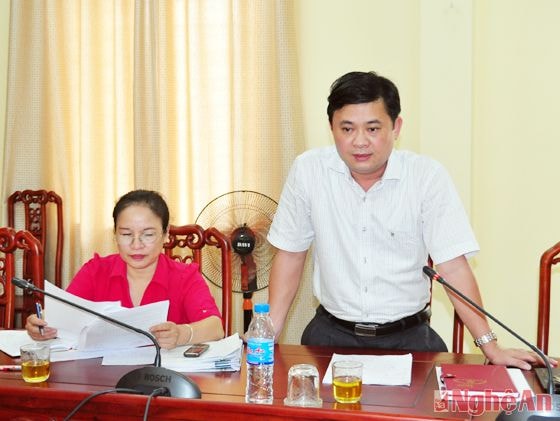 |
| Comrade Thai Thanh Quy, Secretary of the Nam Dan District Party Committee and a member of the survey team, expressed concern that many poor households are slow to escape poverty. |
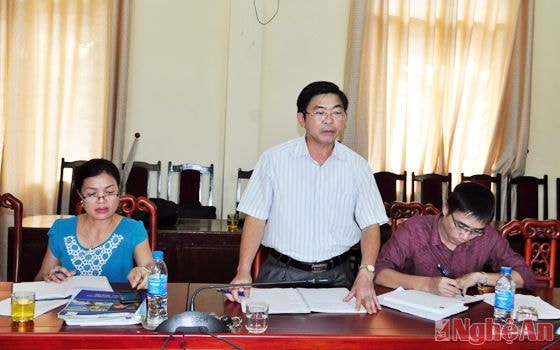 |
| Mr. Vi Van Tien, Vice Chairman of the Quy Chau District People's Committee, stated that the process of investigating, reviewing, and assessing poor households has been basically carried out correctly. |
By the end of 2014, investigations revealed that nearly 40% of households in Quy Chau district were still living in poverty. Some communes had poverty rates higher than the district average, such as Chau Hoan (nearly 47%), Chau Nga (over 45%), and Chau Binh (nearly 45%). Furthermore, the rates of newly impoverished and re-impoverished households were high.
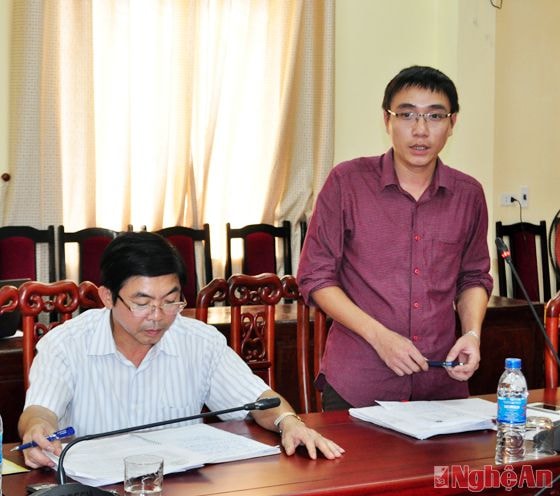 |
| According to Mr. Nguyen Hung Cuong, Deputy Head of the Labor, War Invalids and Social Affairs Department of the district, many people still want to be on the list of poor households in order to benefit from government policies. |
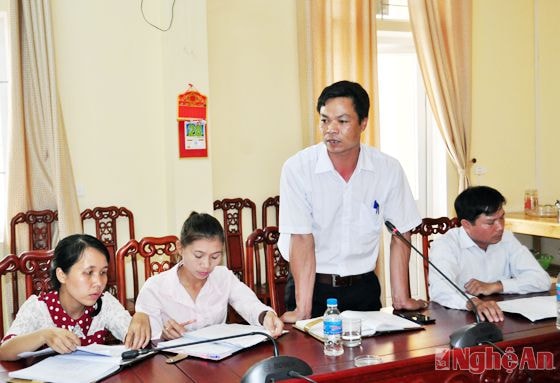 |
| Mr. Ha Van Chinh, Vice Chairman of the Chau Thuan Commune People's Committee, pointed out some difficulties in the process of investigating, reviewing, and assessing poor households at the grassroots level. |
Furthermore, the process of investigating, reviewing, and assessing poor and near-poor households still reveals some shortcomings and limitations, such as a lack of accuracy and the misuse of policies to benefit ineligible individuals. This is due to the limited skills and capabilities of some investigators, their subjective approach, and their lack of enthusiasm for the work. The assessment process at the village level still suffers from favoritism and parochialism.
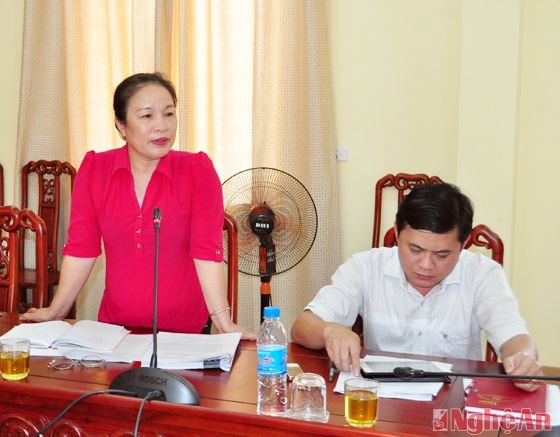 |
| Ms. Ton Thi Cam Ha, Deputy Head of the Culture and Social Affairs Committee of the Provincial People's Council, suggested that the district needs to enhance the responsibility of investigators and citizens to ensure objectivity and accuracy in the investigation, review, and assessment of poor and near-poor households. |
Based on the survey results, the Culture and Social Affairs Committee of the Provincial People's Council acknowledges the involvement of the entire political system at all levels in the work of poverty eradication and reduction, as well as the investigation, review, and assessment of poor households in the district.
To ensure more positive changes in poverty eradication efforts in the coming period, the Provincial People's Council delegation requested that Party committees, authorities, and the political system at all levels in Quy Chau continue to strengthen propaganda work, raise awareness and a sense of responsibility among investigators and the people, ensuring accuracy and objectivity in the investigation, review, and assessment of poor households in the district.
At the same time, focus should be placed on training and disseminating new content and regulations on surveying poor and near-poor households in a multidimensional manner to ensure accuracy. Simultaneously, it is necessary to analyze and classify each group of poor and near-poor individuals according to their causes in order to develop strategies for poverty alleviation for each group, contributing to the successful implementation of the Resolution of the District Party Congress for the 2015-2020 term.
Minh Chi
| RELATED NEWS |
|---|


