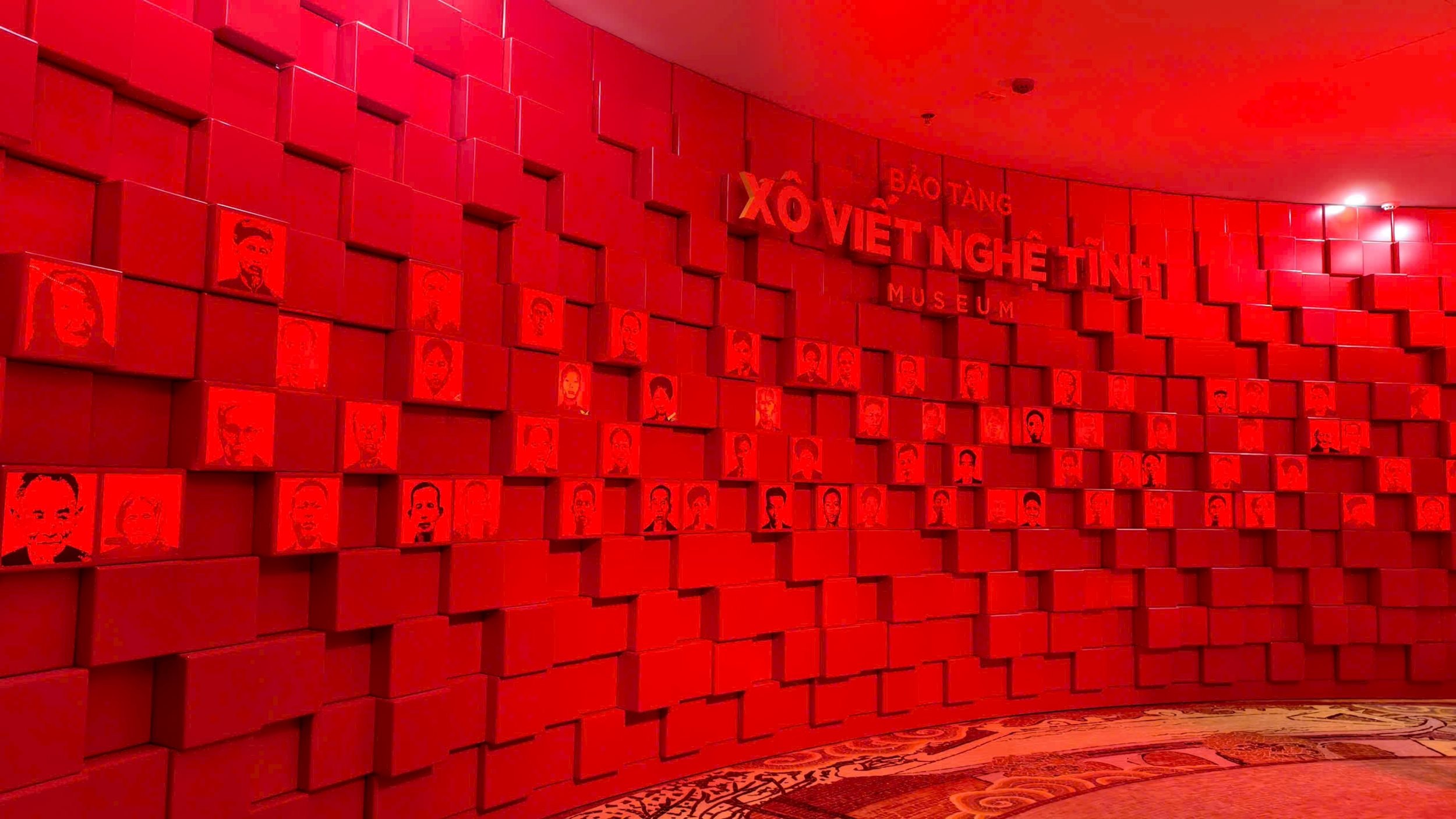
Memories of those who made the Nghe Tinh Soviet a reality are brought to life through the stories of their relatives.
From within hardship, the older generation of the Nghe Tinh Soviet Uprising left behind lessons of unwavering loyalty to the Party and faith in the revolution. Today, in peacetime, these small stories are recounted as a tribute, as a reminder, so that each person may cherish, cultivate, and continue these beautiful values in life, so that history never falls silent, and the drums of the Nghe Tinh Soviet Uprising of yesteryear continue to resonate…
__________
Mr. Dau Cong Dan - son of Comrade Dau Du (Dau Gia) (1908-1977)
The communist silence(*)
I grew up without knowing my father was a communist. He started his activities in 1928, but his wife, children, relatives, and siblings were all unaware. Back then, I only knew that people labeled me the son of a landlord and a counter-revolutionary. I didn't even join the Youth Union until after graduating from 10th grade. I had to write six letters in blood before I was allowed to join the army. My youth was filled with suspicion, apprehension, shame, and suffering... When I was accepted into the army, I decided I would die, and I considered dying for my country a source of pride, a way to clear my name and my family's name.
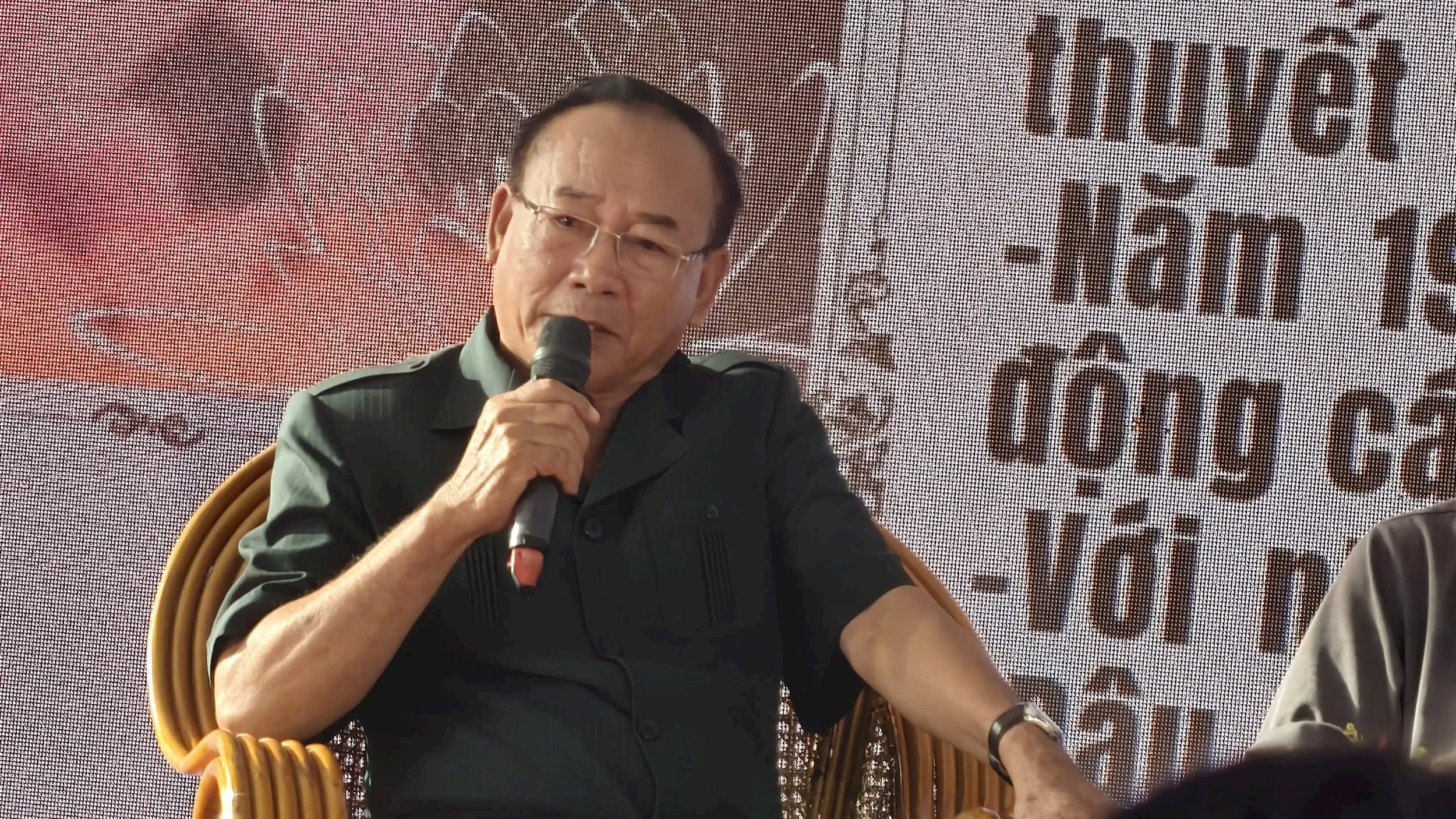
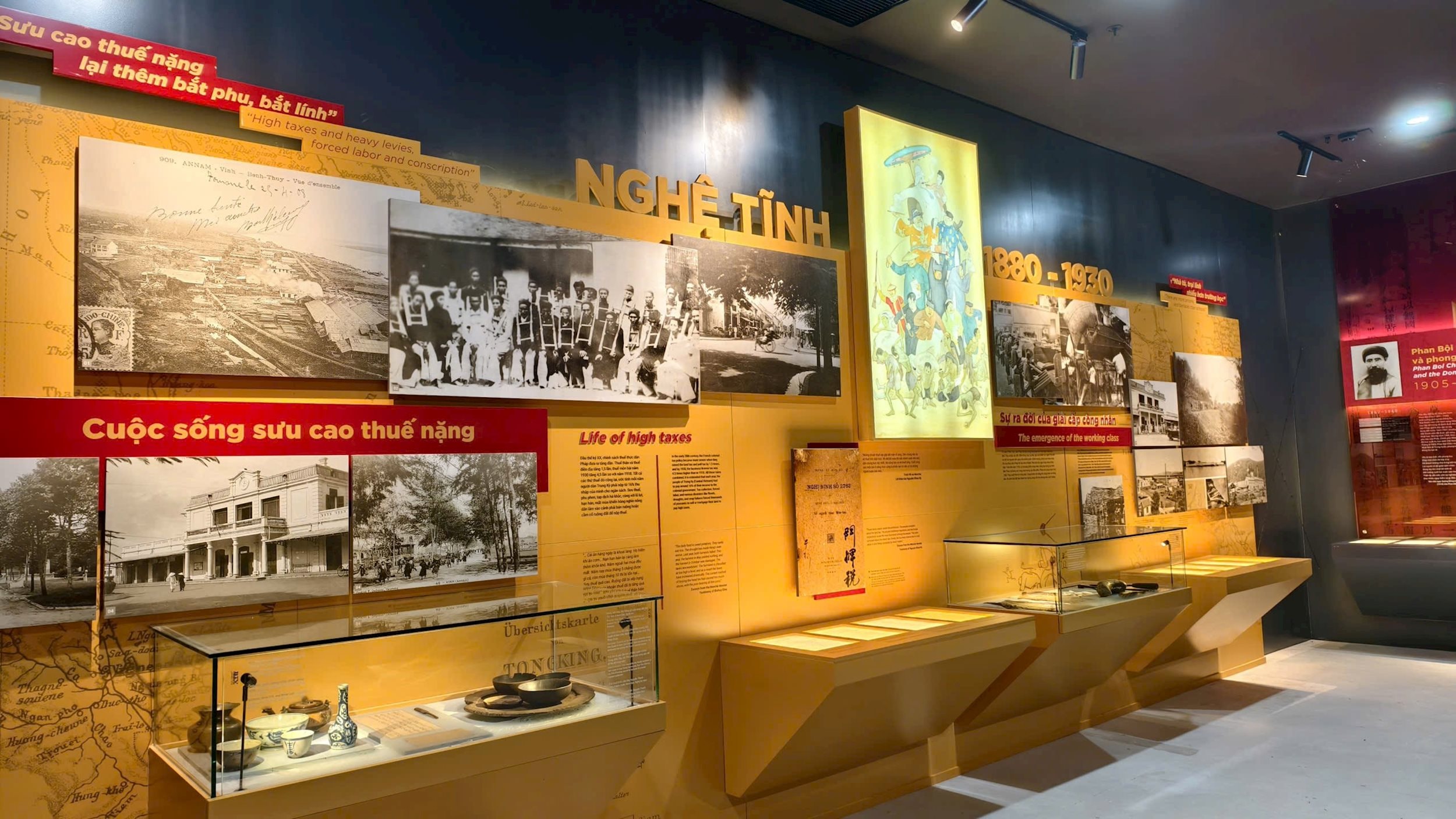
In 2009, during a visit to the Soviet-Nghe Tinh Museum (nowMuseumIn Nghe An (Nghe Tinh Soviet), while searching for information for a friend, I inquired about my father's name and hometown. It was then that I was shocked to learn he was a revolutionary activist. I didn't know my father was a revolutionary until I was 60 years old. A mix of sadness, joy, shame, and sorrow overwhelmed me. But then we understood: it was the historical context, unavoidable. That was the situation at the time, that was the circumstances, that was the background; only then could we have what we have today. I don't blame anyone; I only hope that future generations understand the value of today's peace, cherish it, and live meaningful lives.
(*)The story of the silent sacrifices of the communist family of Dau Du has been documented in the work "The Silent Journey of a Communist," by author Thuy Vinh, included in the 2024 reprint of the book "The Red Suitcase," compiled and edited by the Soviet Nghe Tinh Museum (formerly).
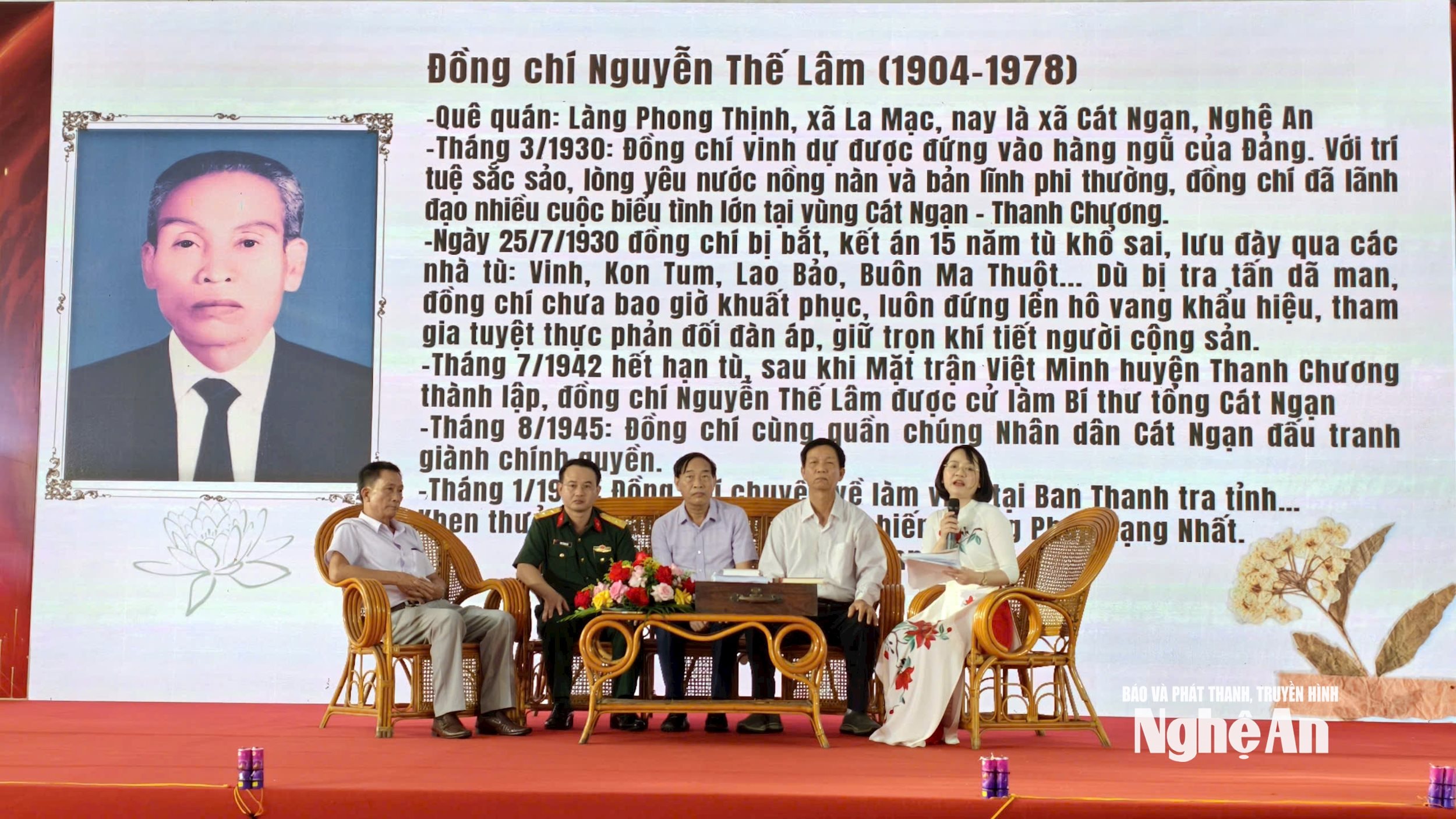
Mr. Nguyen The Dung - son of Comrade Nguyen The Lam (1904-1978)
A bullet wound in my father's head.
My father spent 15 years in prison, suffering both physical and mental torment, but he rarely told us about it. Until one time, in 1972-1973, when I was cutting his hair, I saw a patch of very messy hair on his head. Upon asking, I learned it was a bullet wound from a French soldier who shot him while he was imprisoned in Kon Tum for writing leaflets denouncing French colonialism. Among the revolutionary prisoners shot at that time, my father was the last. He recounted that, after being shot, in his hazy memory, he saw Comrade Vo Thuc Dong bringing out a basin to catch the blood flowing from the back of his head, and saying: "Farewell, brother, may you rest in eternal peace."
Fortunately, when the prisoners were being wheeled away for burial, my teacher showed signs of still being alive. Although the guards wanted to bury him alive, a French doctor at the prison, due to professional principles, did not allow it. My teacher was given emergency treatment and survived – thanks to which I am who I am today.
My teacher returned home, but he was always deeply concerned about his fallen comrades. Their stories were never told, never heard; their silent deaths quietly shaped history. Therefore, when the local authorities and relevant agencies organized a memorial service for the revolutionary heroes of the movement...Nghe Tinh SovietI was deeply moved and grateful…
Mr. Vo Van Cau – son of Comrade Vo Van Dong (1911-2004)
The house was on fire, but they were only focused on saving files and documents…
In my memory, my father's image is associated with two words: unwavering loyalty and filial piety: Loyalty to the Party, filial piety to the People.
In 1958, my house burned down. When the villagers shouted for help, my mother didn't call for saving the house or belongings, but instead exclaimed, "Save the army's archives immediately!" Everyone rushed to pull out stacks of files instead of saving property. Later, we learned that these were the first military service records of the Dong Nghi Loc region. That afternoon, when the military officers arrived, the first thing my father said to them was: "We saved the files!" Faced with the devastation of the house, they were moved to tears by my father's choice. Witnessing this, one of the village officials even composed a few verses of poetry:
"The house is on fire and they refuse to put it out."
Going to retrieve the files again.
The potatoes will all spoil tomorrow.
What should she do now?
It happened when I was very young, but I still remember those verses to this day. Our forefathers made revolution and sacrificed themselves so innocently and selflessly. That's why I always promise myself to dedicate myself to preserving the heritage of my homeland, just as my parents did.
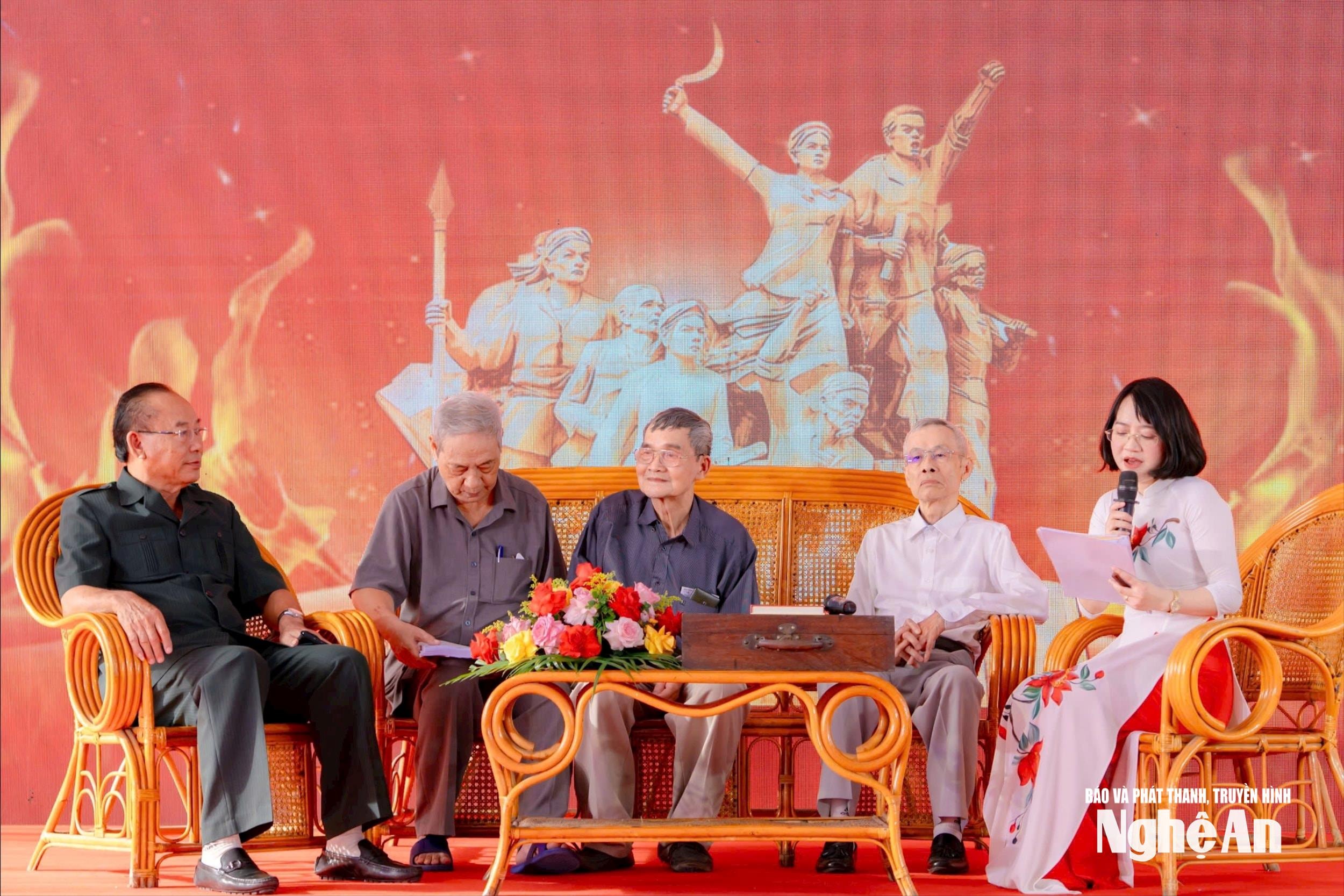
Mr. Tran Huu Thuat - son of Comrade Tran Huu Quan (1909-1989)
Resilient and loving
The most profound lesson I learned from my father was camaraderie and solidarity: supporting each other during operations and in prison. My maternal grandfather and my father were imprisoned in the same cell; my grandfather was the prison's secretary. My father was young and strong, often volunteering to take the beatings for the weaker inmates, including my grandfather. After spending time together, my maternal grandfather, impressed by the young man, promised my father: "Try to remain loyal and fight to the end. If you return alive after liberation, I will marry my daughter to you."
When the government was seized, my maternal grandfather was the first to leave. My father left in 1945. Upon his release, my father rode a chestnut horse from Cat Van to Phong Thinh to meet my maternal grandparents and ask for my mother's hand in marriage.
Another thing I admire about my father is that, while fierce on the battlefield, he was incredibly affectionate in life. None of my six siblings or I ever received a single beating from him. Even at 68, after retiring, I often see him rocking my mother to sleep, one hand rocking her in a hammock, the other fanning her. That affection is beautiful and profoundly meaningful. If everyone could live like him, I believe they could all have a happy family.
Even now, I always remind my brothers, sisters, and descendants that: We are descendants of a noble family, and no matter how times change, no matter how different career choices our children and grandchildren make, we must always maintain unwavering faith in the Party and always live and work in accordance with the Constitution and the law.