
The model of ethnic boarding schools in western Nghe An province is booming.
(Baonghean.vn) - Previously, students in mountainous areas had to travel far from home to school, or live in rented accommodations, or stay in dilapidated thatched houses built temporarily near the school. But now, they can stay at school and enjoy all the benefits and policies for boarding students.
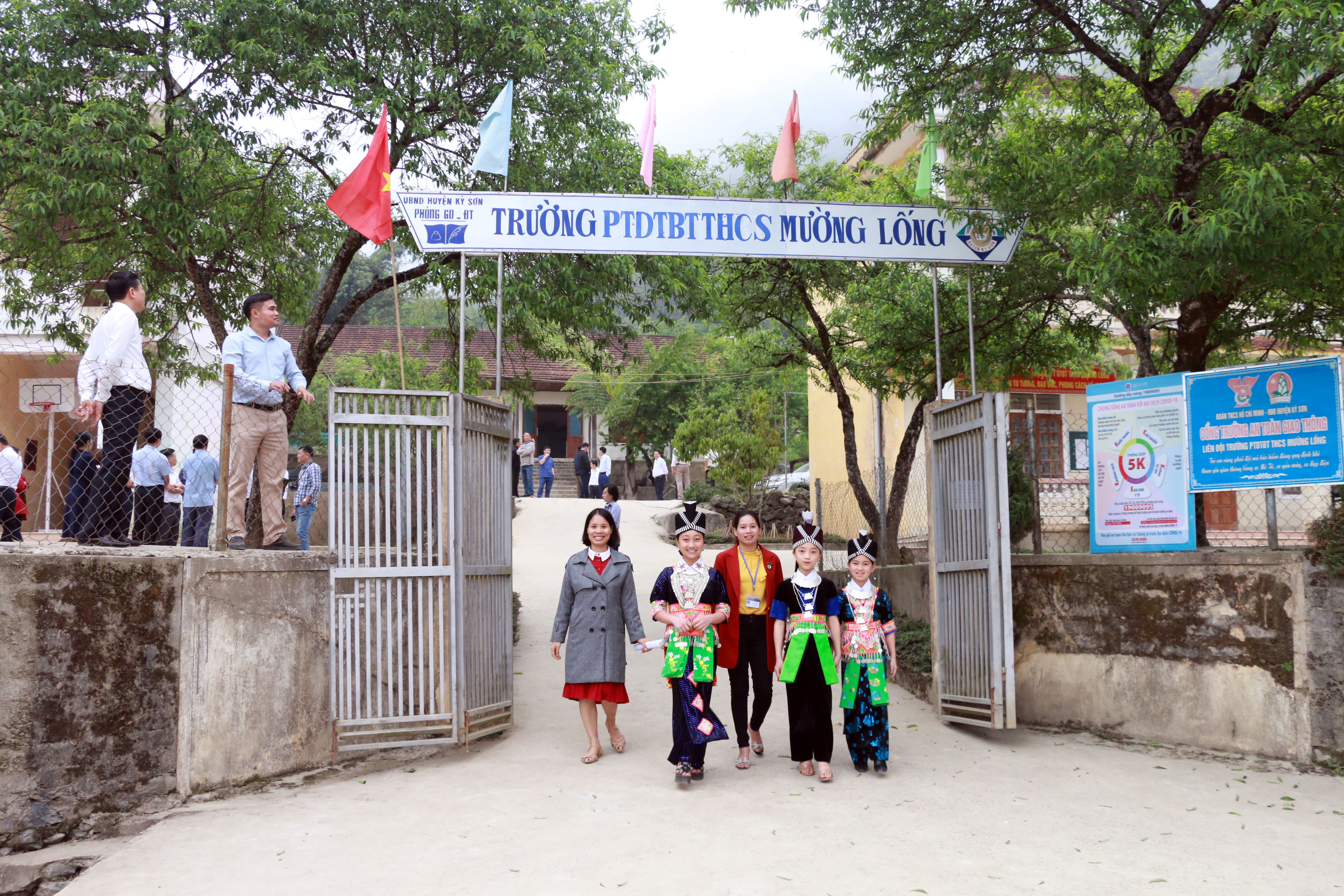 |
| The model of boarding schools for ethnic minority students at the lower secondary level was first implemented in Nghe An province in the 2010-2011 school year in the mountainous district of Ky Son. After 10 years of operation, the province now has 35 such schools concentrated in mountainous districts. Photo: MH |
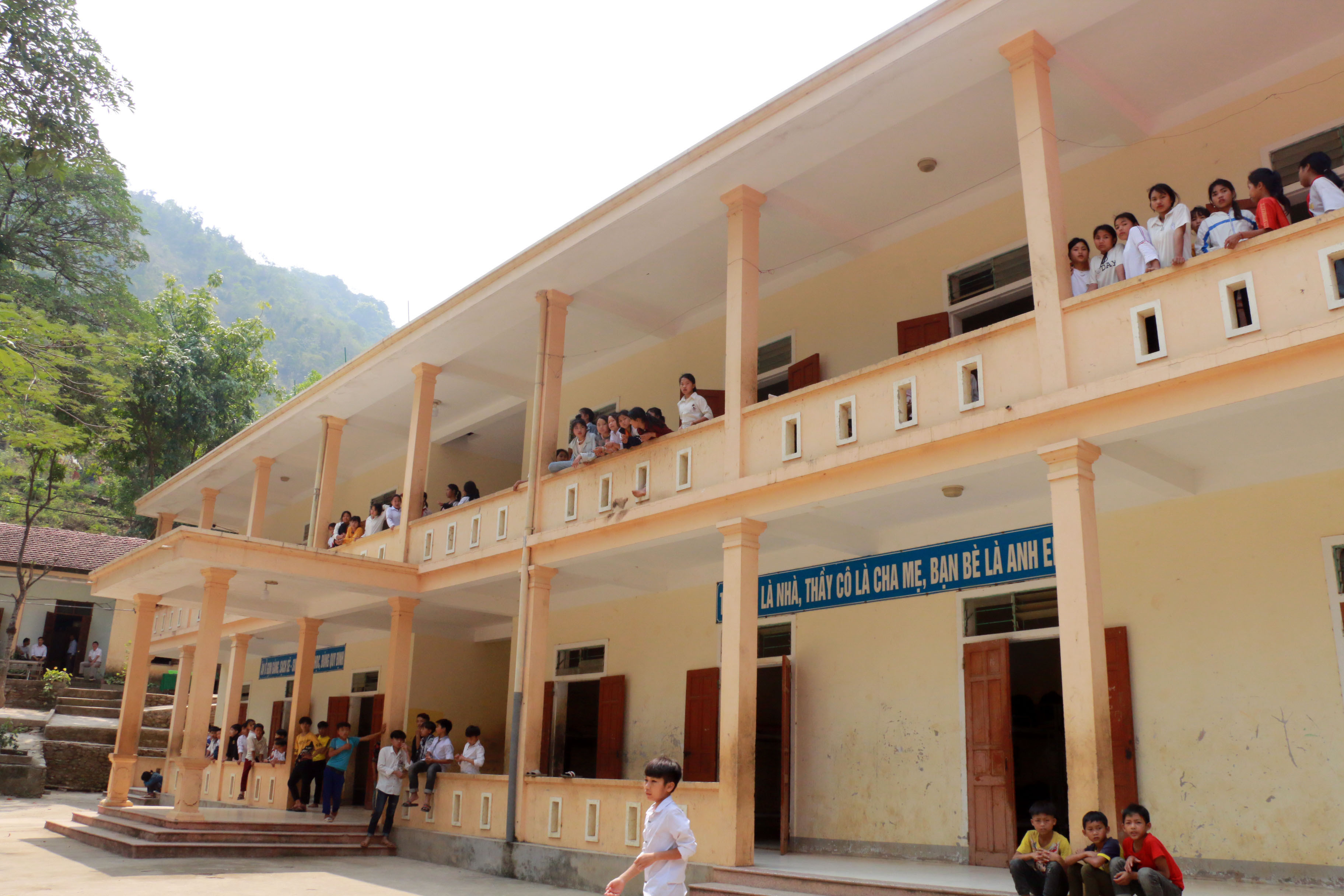 |
| The introduction of the boarding secondary school model for ethnic minorities is considered a major turning point for education in mountainous regions. Studying at this school, students no longer have to worry about accommodation or daily meals. (Photo: MH) |
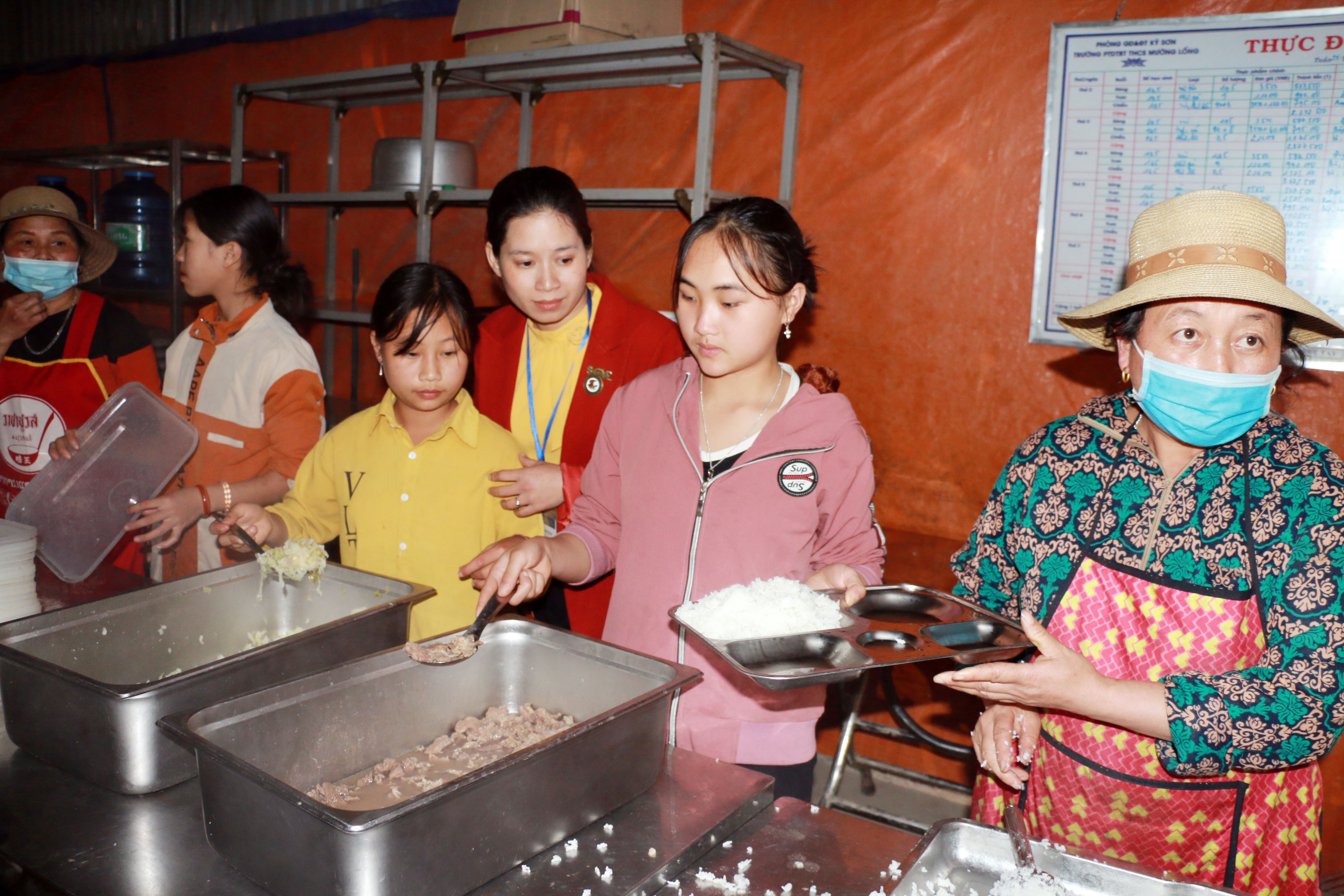 |
| For boarding students, they are entitled to all preferential policies for students from ethnic minority groups. These include a food allowance equivalent to 40% of the basic salary per month, a housing allowance equivalent to 10% of the basic salary per month for students who arrange their own accommodation because the school cannot provide boarding facilities, and a monthly allowance of 15 kg of rice (for a maximum of 9 months per school year). Photo: MH |
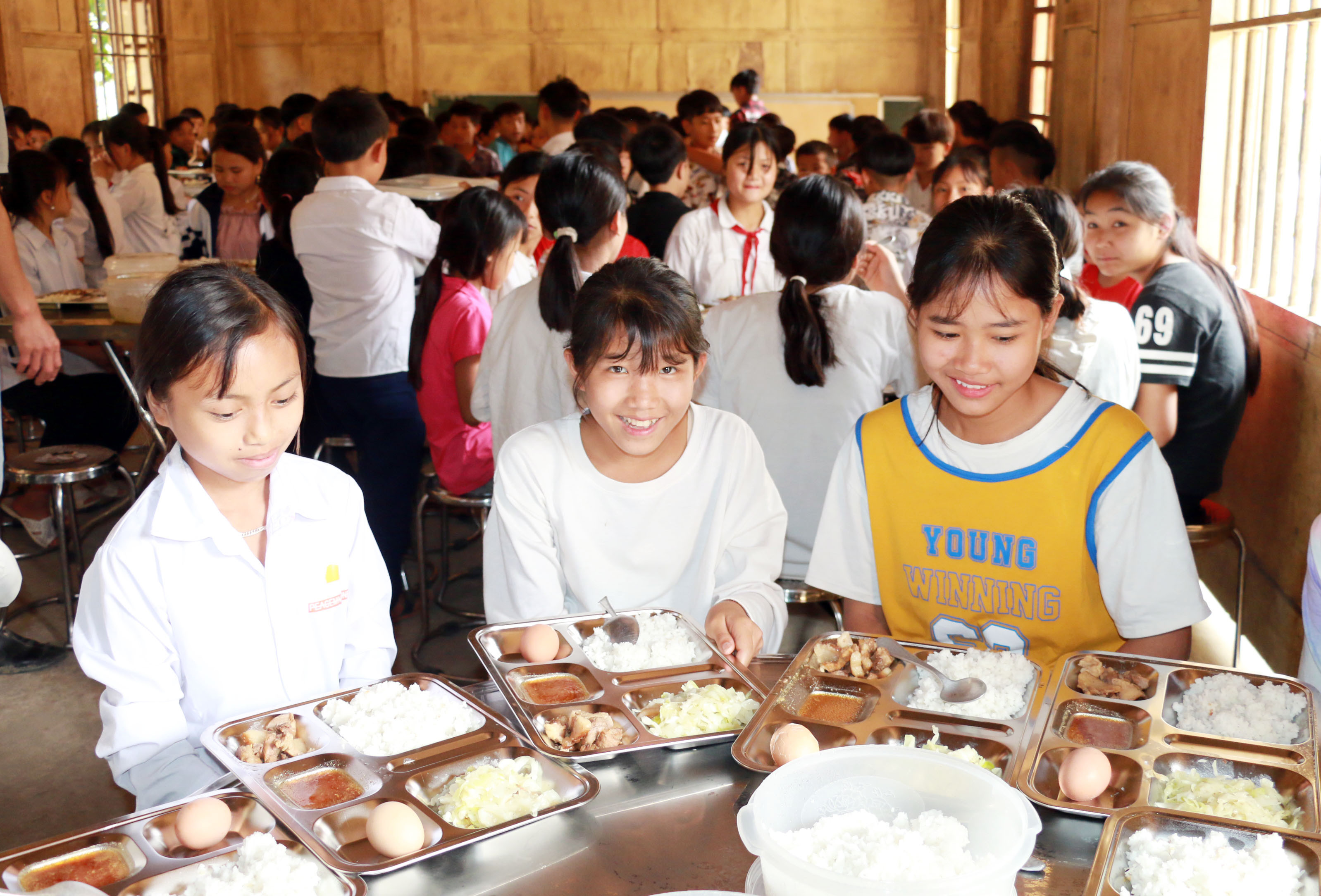 |
| Although this level of support is not substantial, over the years, thanks to the efforts of the schools, more than 11,000 students from ethnic minority communities in Nghe An have received adequate care. In the photo: Even though each meal for boarding students costs less than 12,000 VND, students at Muong Ai Ethnic Minority Boarding Junior High School can still rest assured of quality and clean meals. Photo: MH |
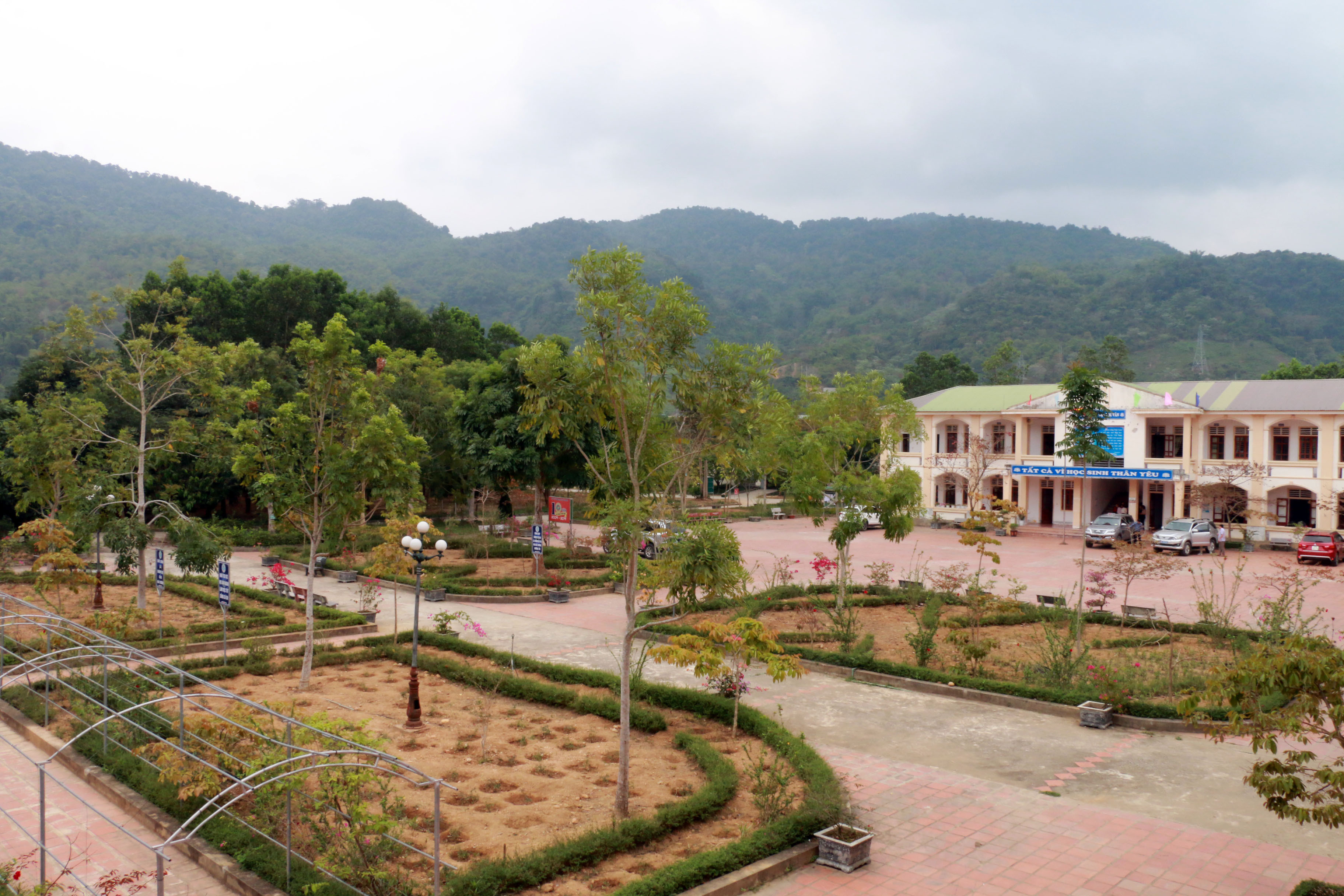 |
| Besides the semi-boarding school model, Nghe An province has also developed a boarding school model. Over 10 years of implementation, the province has expanded from one school to eight ethnic minority boarding schools with 105 classrooms and 2,774 students (including two high schools and six junior high schools in the districts of Tuong Duong, Con Cuong, Quy Hop, Que Phong, Quy Chau, and Ky Son), with nearly 3,000 ethnic minority students currently enrolled. In the photo: Tuong Duong District Ethnic Minority Boarding Junior High School – one of the first junior high schools established and invested in with modern facilities. Currently, the school has nearly 400 students. Photo: MH |
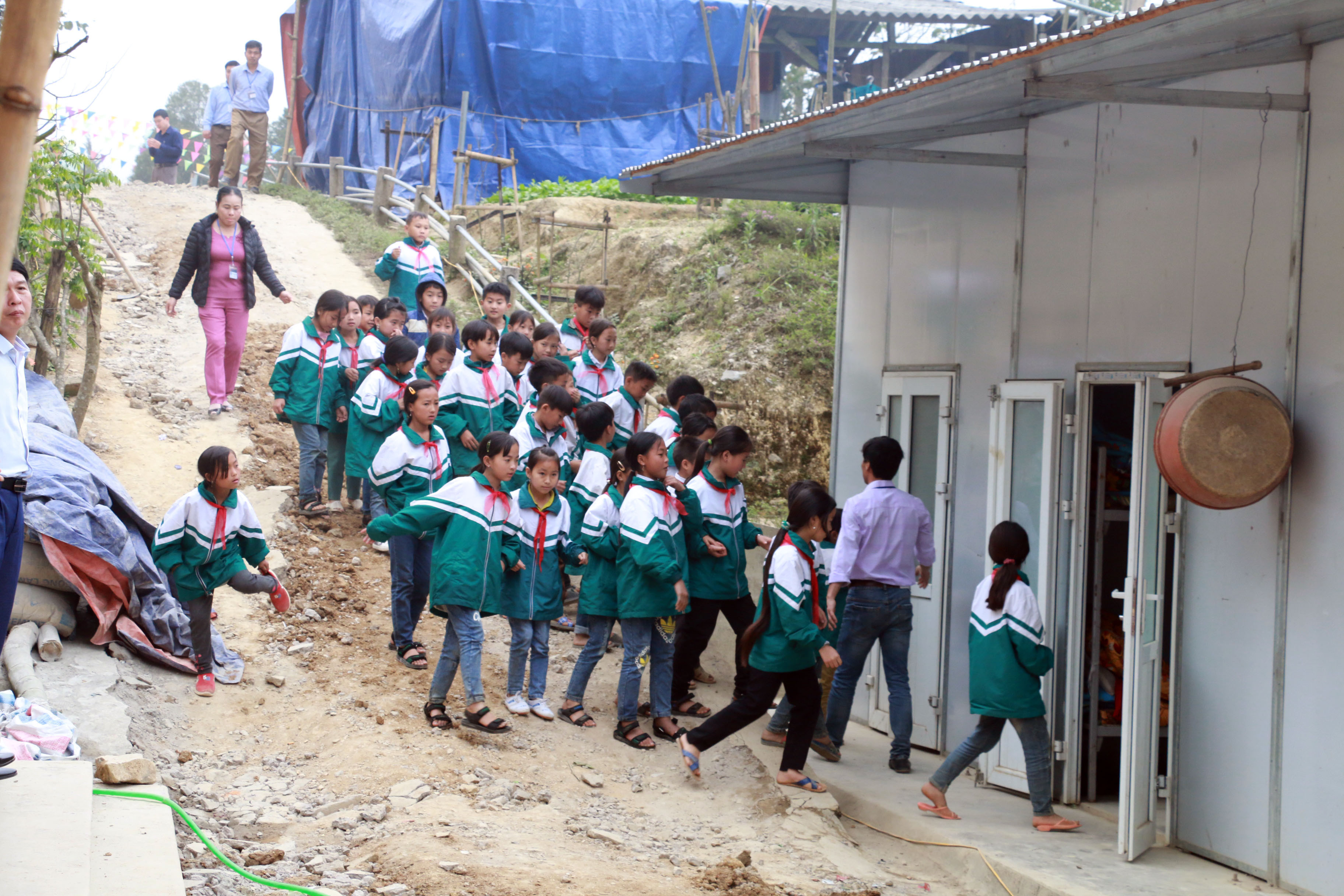 |
| Along with high schools and junior high schools, the model of boarding schools for ethnic minorities at the primary level has also begun to develop in the mountainous areas of Nghe An province in recent years. In the photo: Students at Muong Long 1 Ethnic Minority Boarding Primary School. Photo: MH |
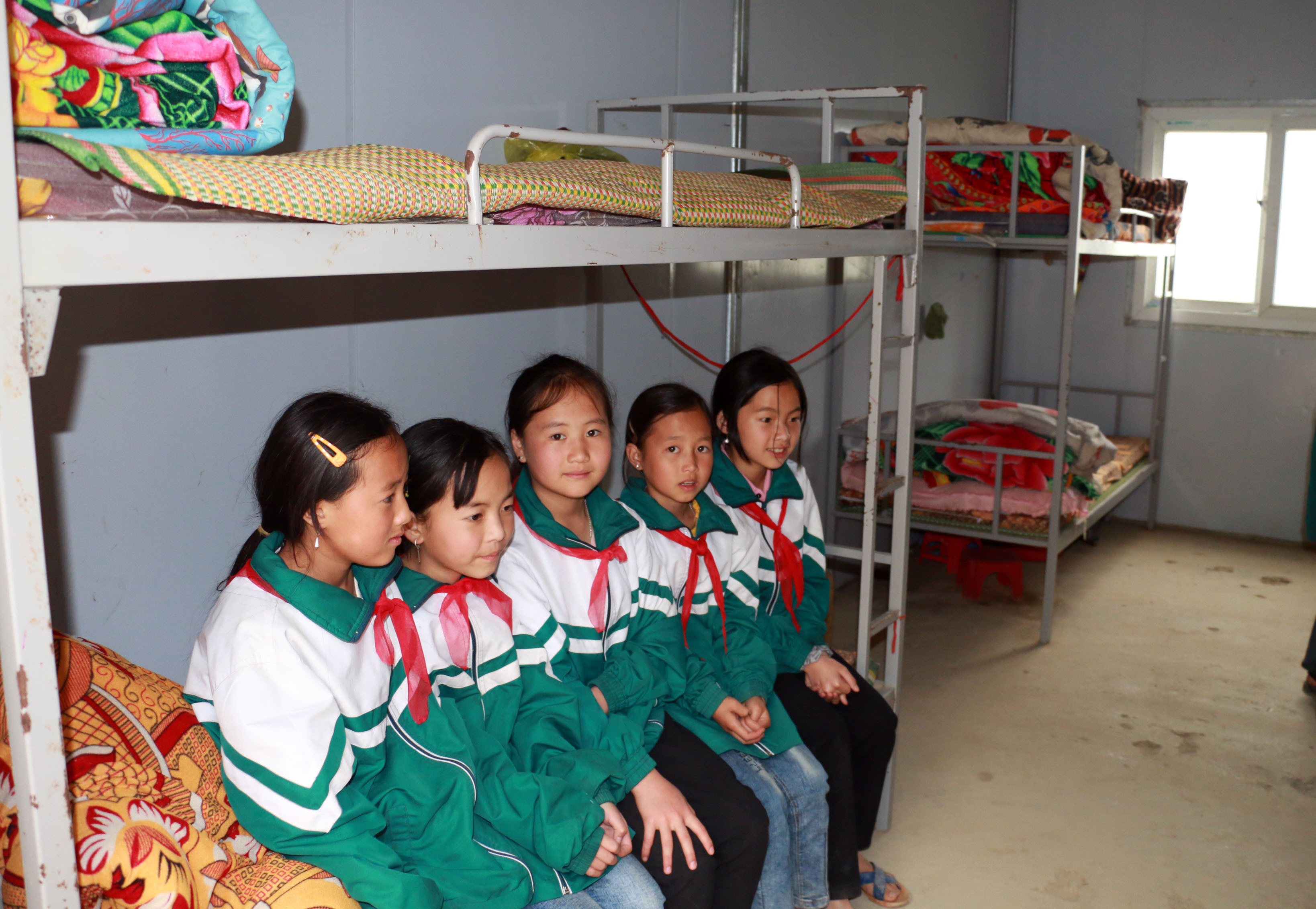 |
The model initially operated entirely "spontaneously" in Ky Son district, with each school initially having only about 20-30 students. The implementation of the model was entirely voluntary on the part of the teachers. Most of the boarding students at the primary school level lived far from the main school and were mainly from grades 3 to 5. (Photo: MH) |
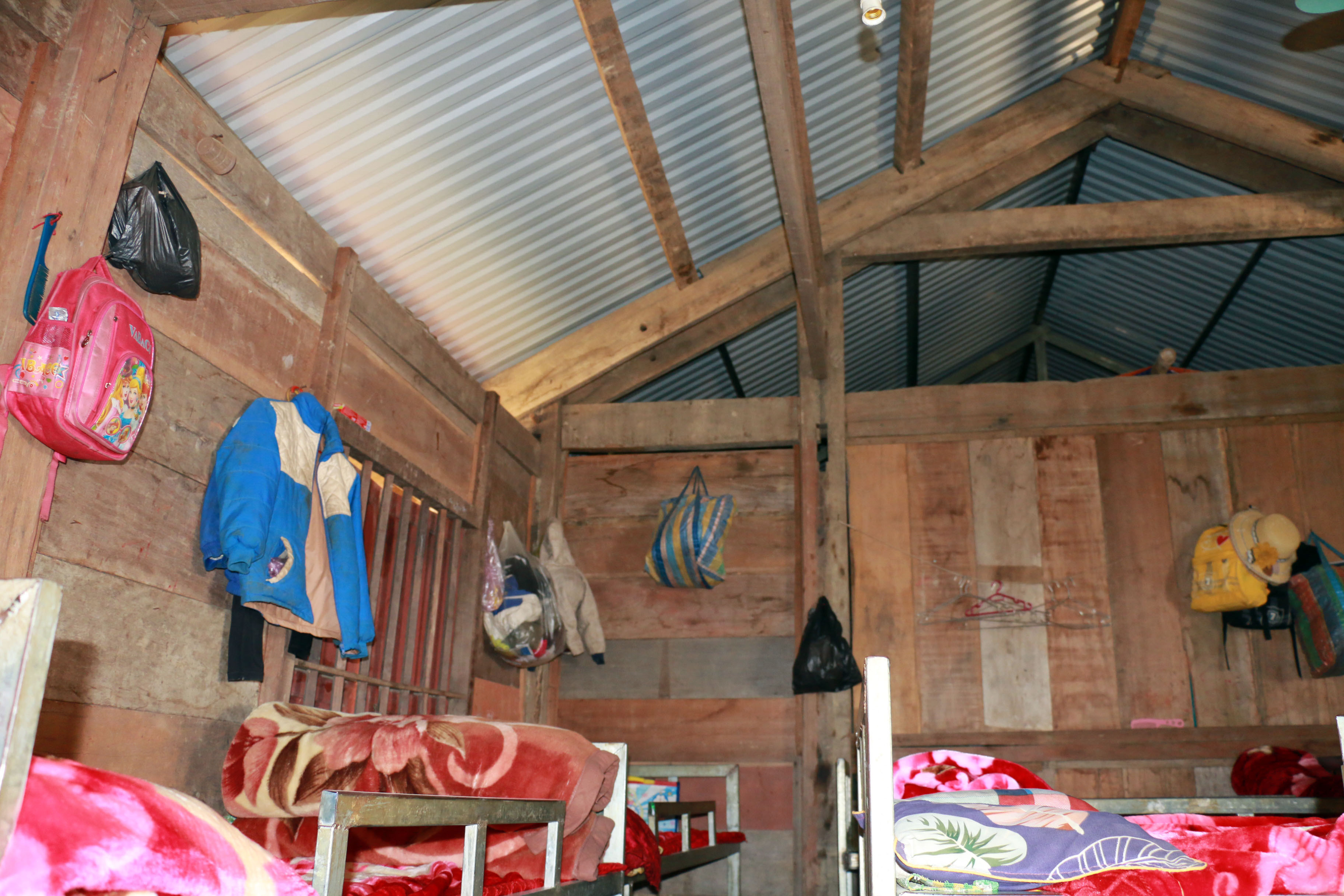 |
| Currently, the boarding school model for primary schools has developed in districts such as Ky Son, Tuong Duong, and Con Cuong... but operating conditions remain very difficult, especially regarding food, accommodation, and living arrangements. In many schools in Ky Son, boarding students still have to live in overcrowded rooms, with an average of 40 students per room. (Photo: MH) |
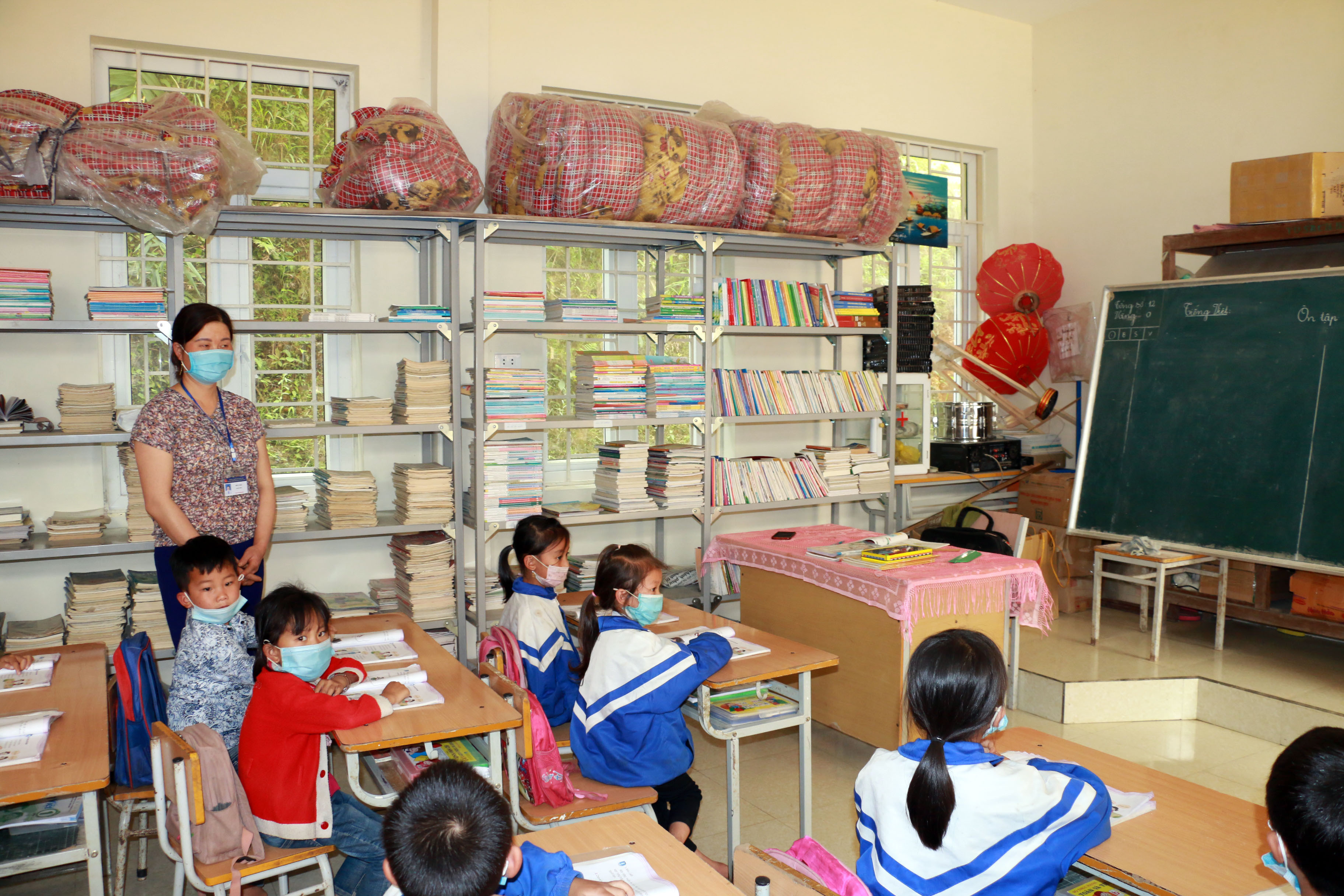 |
| At Muong Tip 2 Primary School (Ky Son district), due to a shortage of dormitories, the school has to utilize classrooms as sleeping quarters for students. Photo: MH |
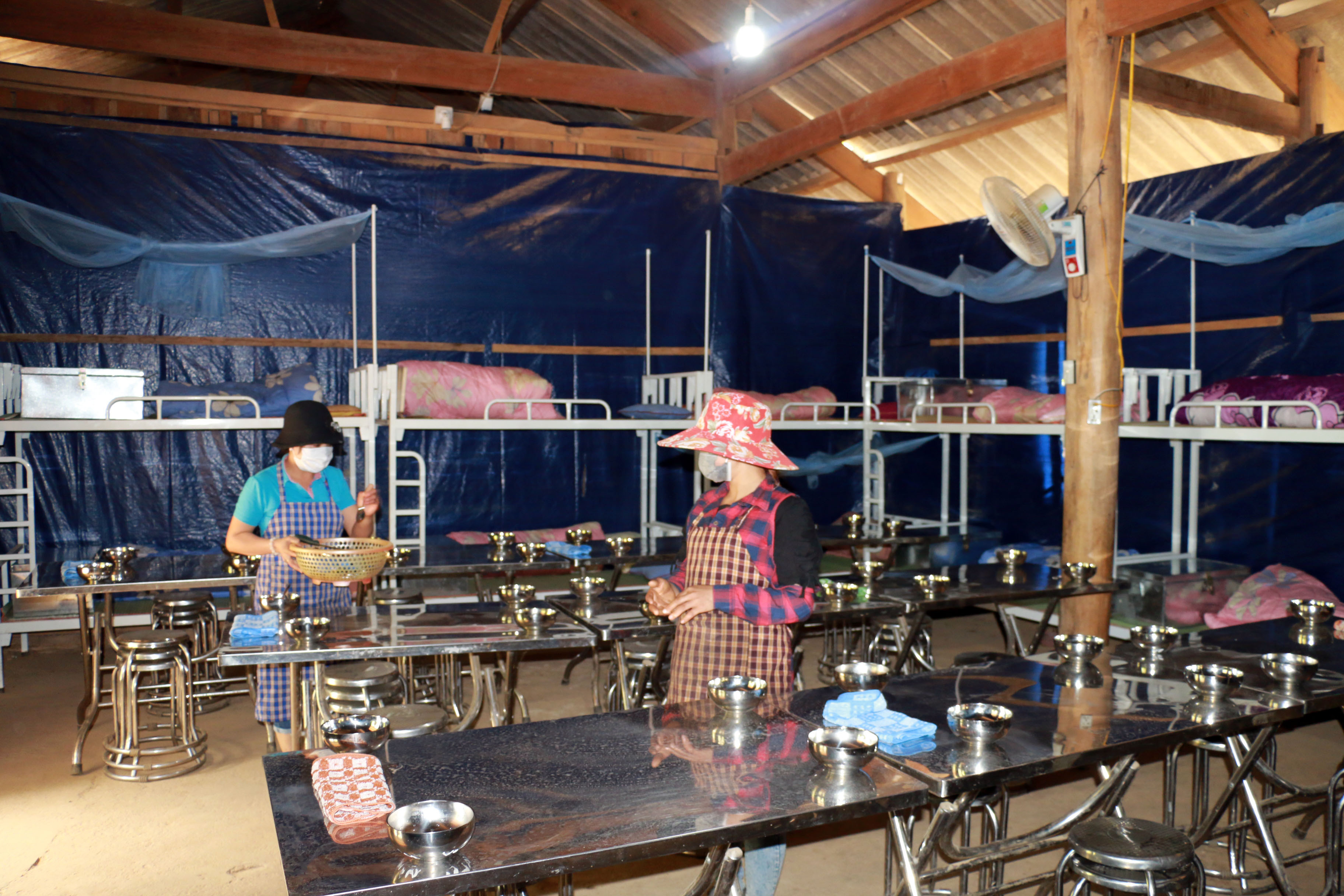 |
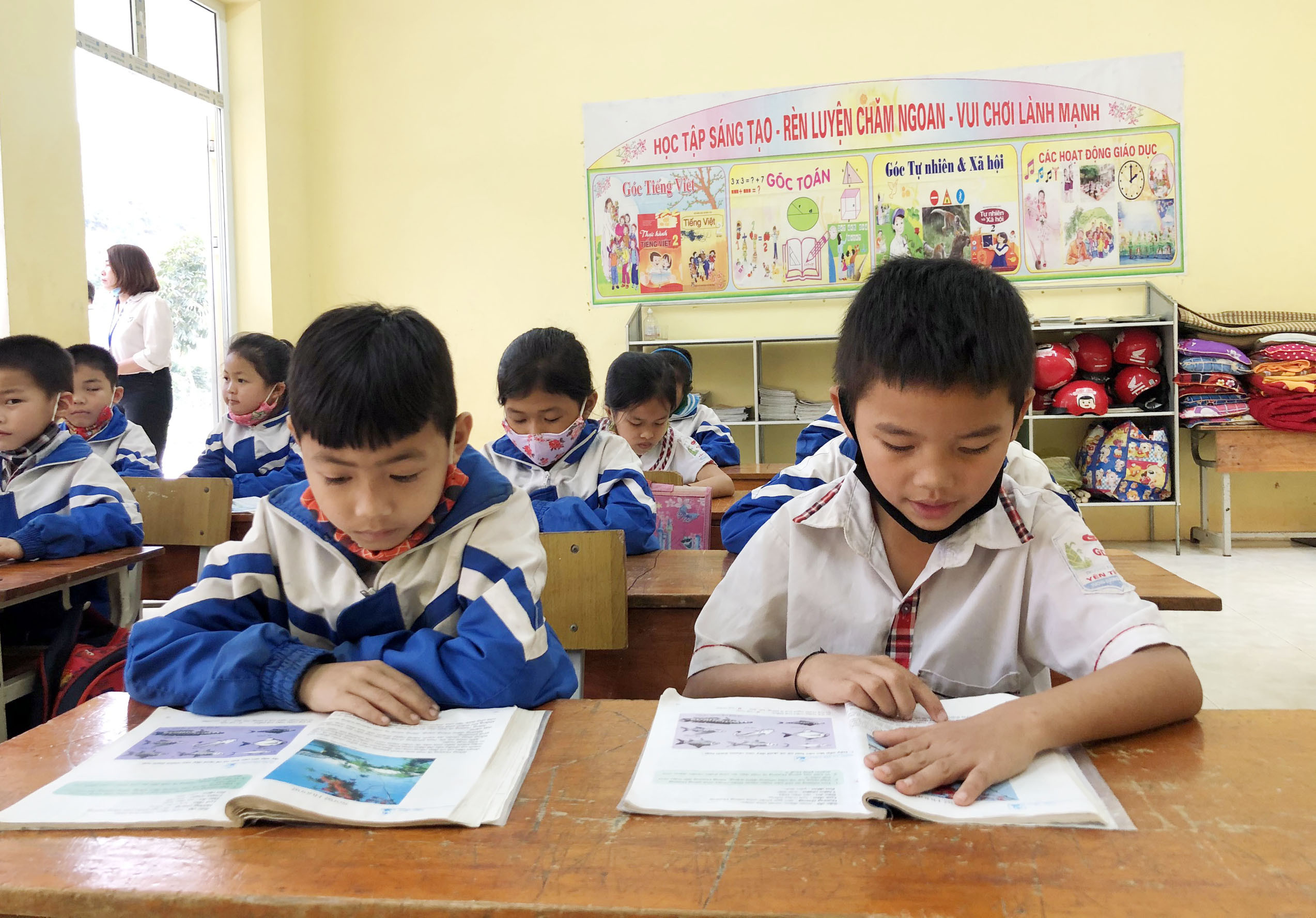
| Living conditions at Muong Ai 2 Ethnic Boarding Primary School are not easy. However, thanks to this model, maintaining student enrollment and improving the quality of teaching and learning are ensured. Photo: MH |
 |
| Based on the effectiveness of this model, Nghe An province will continue to review and develop similar models of boarding primary schools for ethnic minorities throughout the province. This will serve as a basis for schools to change their names and implement policies and regulations as prescribed for boarding schools. Implementing this model will also provide a basis for schools to implement the 2018 General Education Program, leading to the merger of smaller school branches and ensuring students receive full access to the curriculum, especially in subjects like Information Technology and Foreign Languages. (Photo: MH) |


