
"Smart villages and hamlets," the core of "digital rural areas"
Nghe An's rural areas are currently accelerating digital transformation down to the village and hamlet level. Building digital rural areas with smart village and hamlet models is part of the New Rural Development Program for the period 2026-2030. The development of smart villages and hamlets will be the foundation for building a digital rural area 4.0 in Nghe An, developing rural areas in a modern, efficient, and sustainable direction.
Hoang Viet Anh ButTechnique:Hong ToaiOctober 23, 2025
------------------o0o-----------------
Nghe An's rural areas are currently accelerating digital transformation down to the village and hamlet level. Building digital rural areas with smart village and hamlet models is part of the new rural development program for the 2026-2030 period. The development of smart villages and hamlets will be the foundation for building a digital rural area 4.0 in Nghe An, developing rural areas in a modern, efficient, and sustainable direction.
------------------o0o-----------------

According to Decision 319 dated March 8, 2022, of the Prime Minister, model new rural communes in the 2021-2025 period must have at least one smart village/hamlet model.
The criteria for smart villages and hamlets are based on the premise that the commune has achieved the model new rural area standard, has a high percentage of people using smartphones, and the local government commits resources to implement the model.

In Nghe An province, the former Nam Giang commune, now Kim Lien commune, was the first locality in the entire province to pilot the construction of a "smart new rural commune".
Since 2024, the "smart village" model has proven highly effective, contributing to the achievement of ecological agriculture, modern rural areas, and civilized farmers.
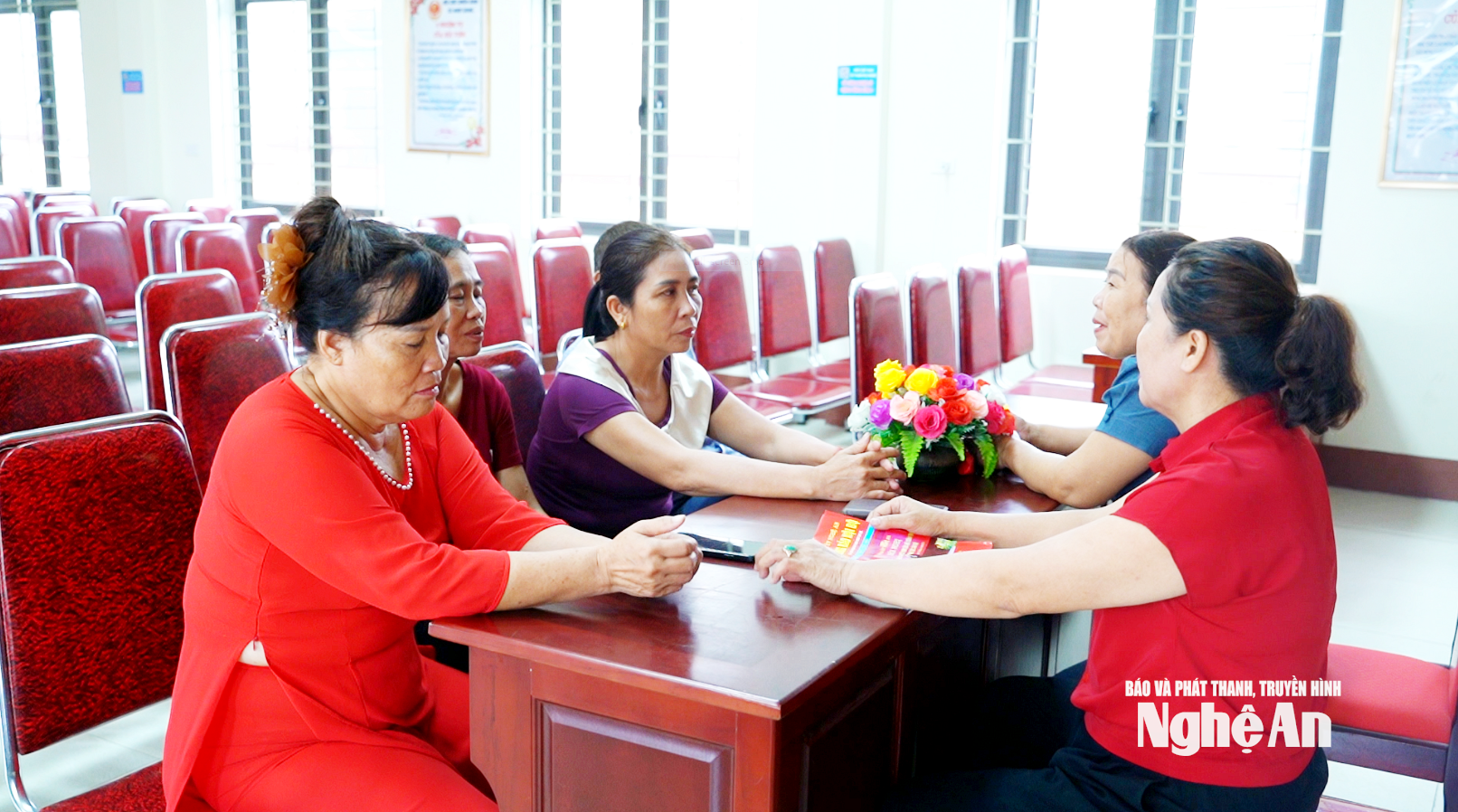
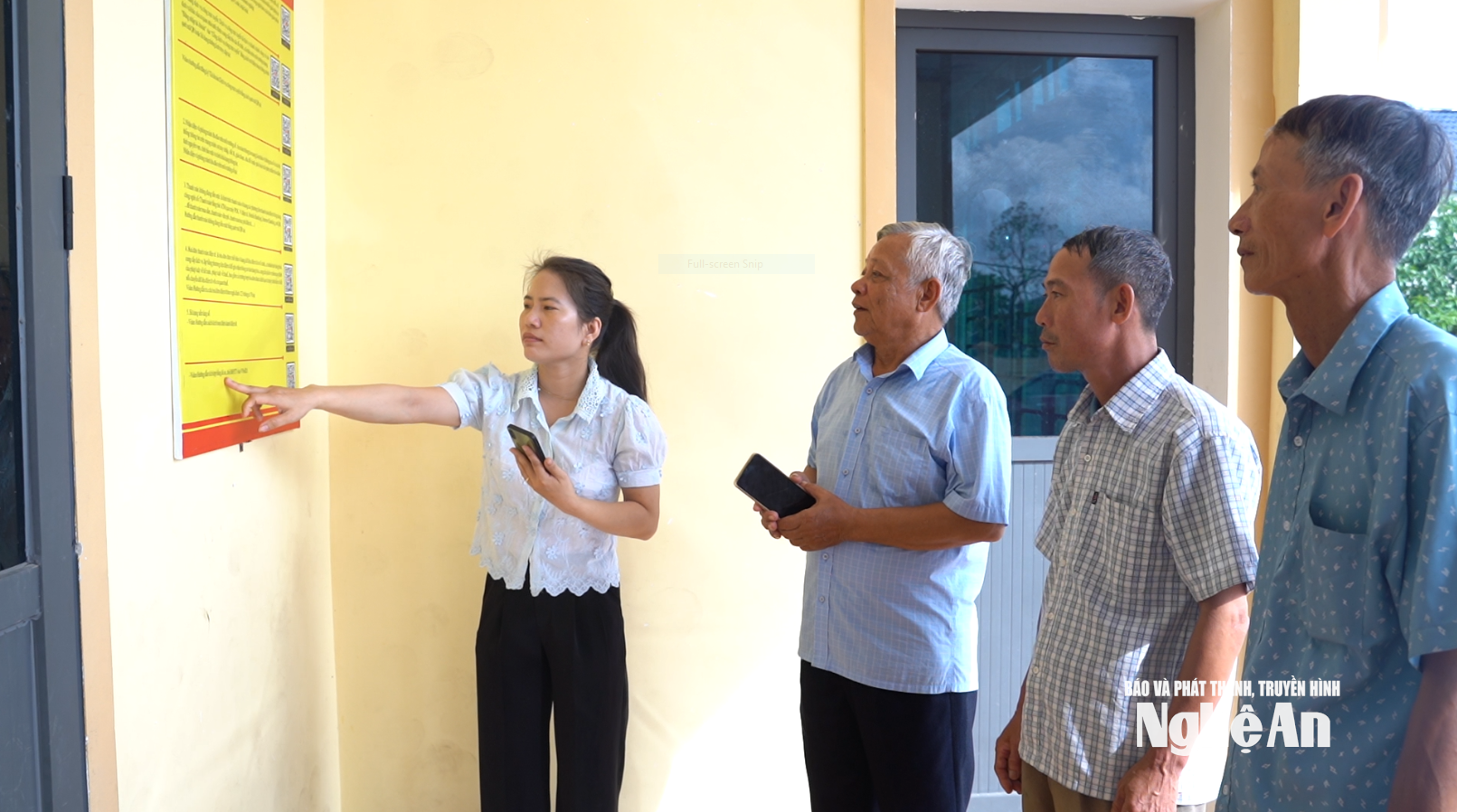
At the community center in Hamlet 2, Kim Lien Commune, a special bulletin board has been on display for over a year. No longer a paper notice board like before, each information box now contains a pre-installed QR code. With just a tap on their phone screen, residents can quickly access information about the local economy, politics, and culture, as well as digital applications that serve their daily lives.
In a purely agricultural village like Kim Lien, the appearance of a "digital bulletin board" is seen as a significant turning point in the journey of building smart villages. Mrs. Phan Thi Chau, 65 years old, excitedly said:"Since that digital bulletin board was installed, the villagers have always been able to quickly receive announcements from the village, commune, province, and even the central government. Every day, I and several other women in the village go to the community center to scan the board to check for the latest news; it's incredibly convenient. Village and commune officials also regularly provide guidance, so even elderly people like me know how to use the phone to check the information."
To effectively integrate digital applications into daily life, local authorities have leveraged available resources – with over 90% of the population using smartphones. From this foundation, community digital technology teams can easily reach out and provide hands-on guidance to residents on how to install applications, scan QR codes, or make cashless payments. Gradually, using smartphones to look up information, register for administrative procedures, or buy and sell agricultural products online has become commonplace – even for older people.
Mr. Tran Thanh Hai, Vice Chairman of the Kim Lien Commune People's Committee, said:“The commune has focused on investing in internet network systems and 4G/5G wifi modems at the village cultural centers to serve the people. In addition, we encourage people to use smartphones to create smart villages on a digital platform.”
Thanks to changes in the mindset and practices of the people, the digital transformation journey in Kim Lien commune is becoming even clearer, with the "community digital technology team" playing a core role.
Through applications like Zalo and Messenger, a communication channel has been established between village officials and residents. As a result, the gap between the government and the people seems to have narrowed, and policies and guidelines are disseminated more quickly and effectively. Most importantly, residents feel they are truly the main actors in the digital transformation of their rural communities.
Ms. Hoang Thi Mau, Secretary and Head of Hamlet 2, Kim Lien Commune, shared:“Initially, we faced many difficulties because we lacked funds and hadn't yet collected neighborhood funds. But after we announced it on the neighborhood's loudspeaker system, we received support from many benefactors. Then, the higher authorities also collaborated with the digital technology team to guide the residents, helping the team complete its mission.”
.png)
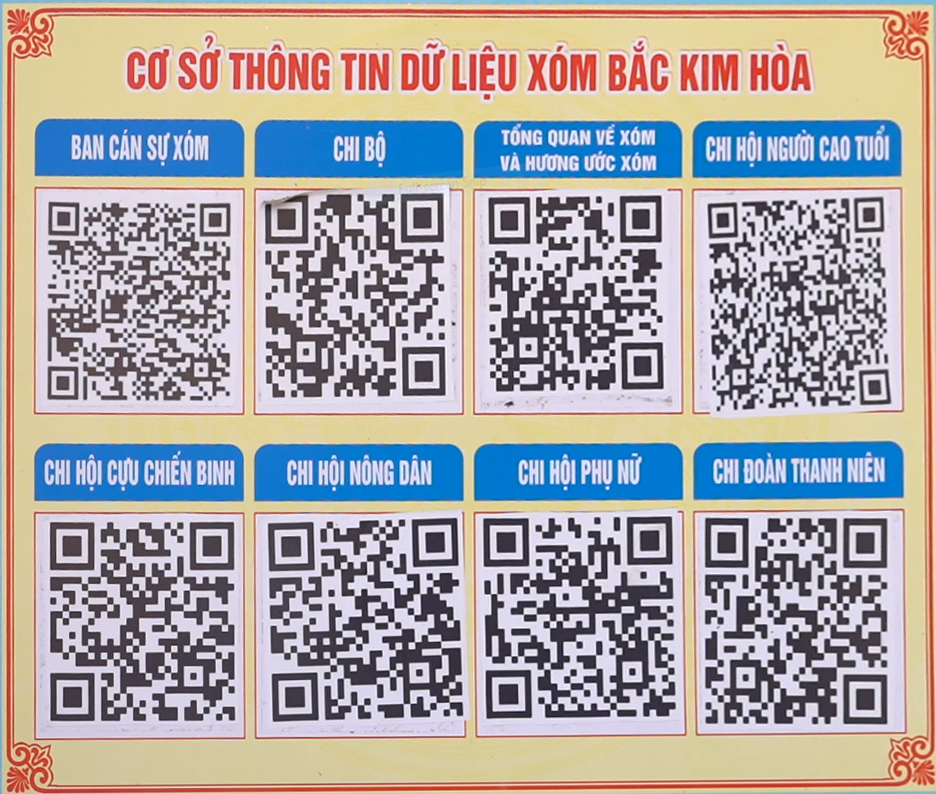
Meanwhile, in Bac Kim Hoa hamlet, Trung Loc commune, a notable feature is that each street name sign at the entrance to the hamlet is fitted with a QR code. Simply scanning the code clearly displays information, the location of each house, and the number of households living in the hamlet, making daily life more convenient for residents. Mr. Nguyen Van Minh from Bac Kim Hoa hamlet, Trung Loc commune, commented:"For the people, I find digital technology very effective. I myself no longer need to go to offices to work; I can work from home online, which brings many conveniences to the people."
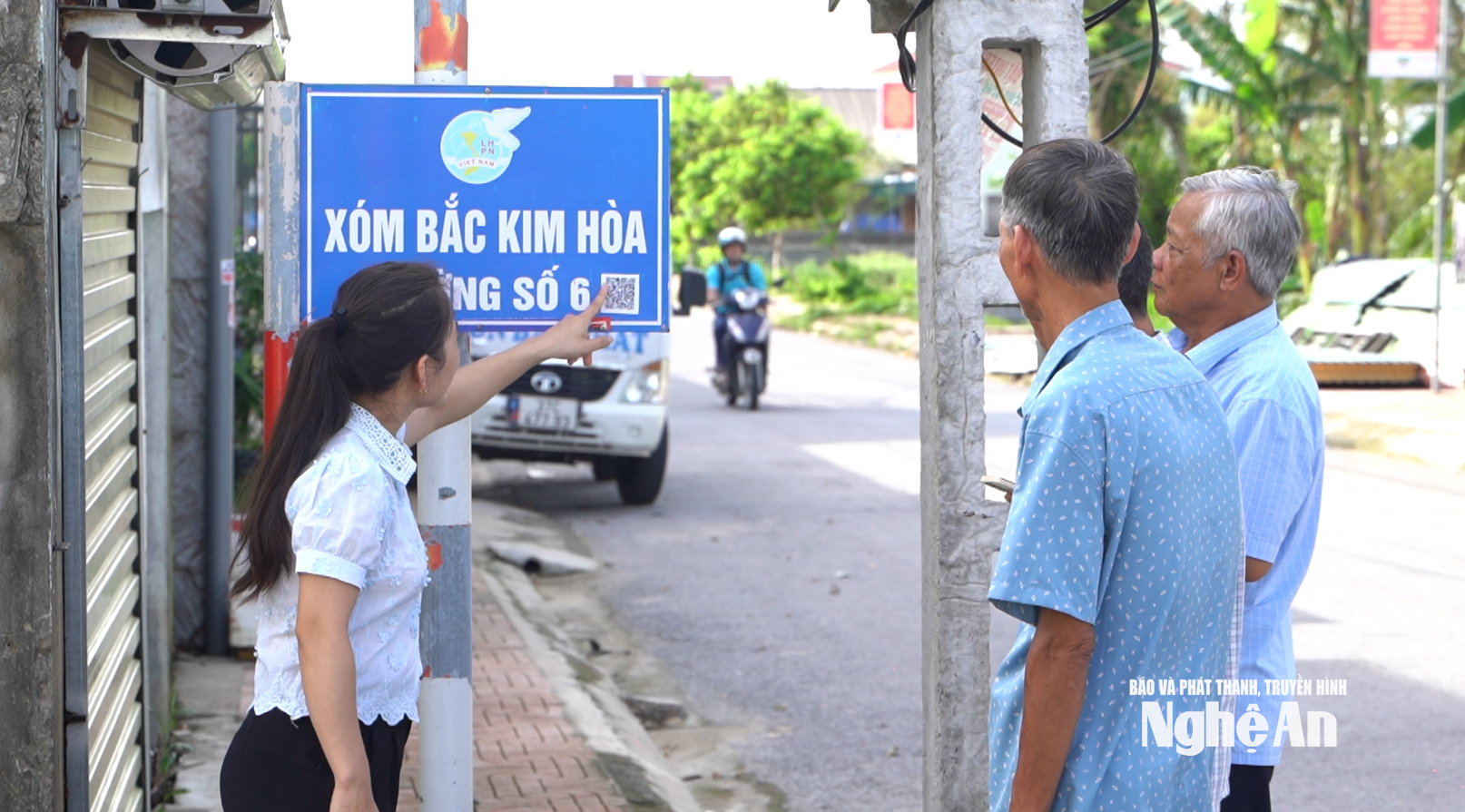
Currently, the hamlet has a free Wi-Fi hotspot; 100% of households know how to use QR codes for transactions, and 100% of working-age residents have been provided with digital skills to carry out administrative procedures online. This model improves the quality of work processing and management at the hamlet and local government levels, while also contributing to accelerating the digital transformation goals in the locality.
Ms. Nguyen Thi Trang, Head of the Front Committee of Bac Kim Hoa hamlet, Trung Loc commune, provided further information:“We have established teams to disseminate information and mobilize people. For example, we formed a team to guide people on updating their VneID. Then, the team guided people on using cashless payment methods through banking apps. This helps people adopt digital transformation in their lives more quickly.”
.png)

A key criterion in the "smart village" model is to enhance the application of science and technology, promote digital transformation in agricultural production, and move towards a smart new rural area. The highlight of this criterion is bringing typical agricultural products from each village onto e-commerce platforms, expanding markets, and contributing to the development of the rural digital economy.
In Hop Minh commune, the "smart village" model implemented in Phan Thanh hamlet is yielding clear results. Thanks to promoting processed eel products on digital platforms, the village's sales volume has increased tenfold compared to before, reaching approximately 2 tons per day.
Mr. Nguyen Van Hien - Director of Phan Thanh Eel Village Cooperative, Hop Minh Commune:"Since discovering digital technology, all the eel-producing households and businesses in this craft village have been thrilled. They have promoted their products and exported them to provinces and cities nationwide. Some households have even boldly taken their products to the international market, helping to increase profits and promote the craft village to a wider audience."
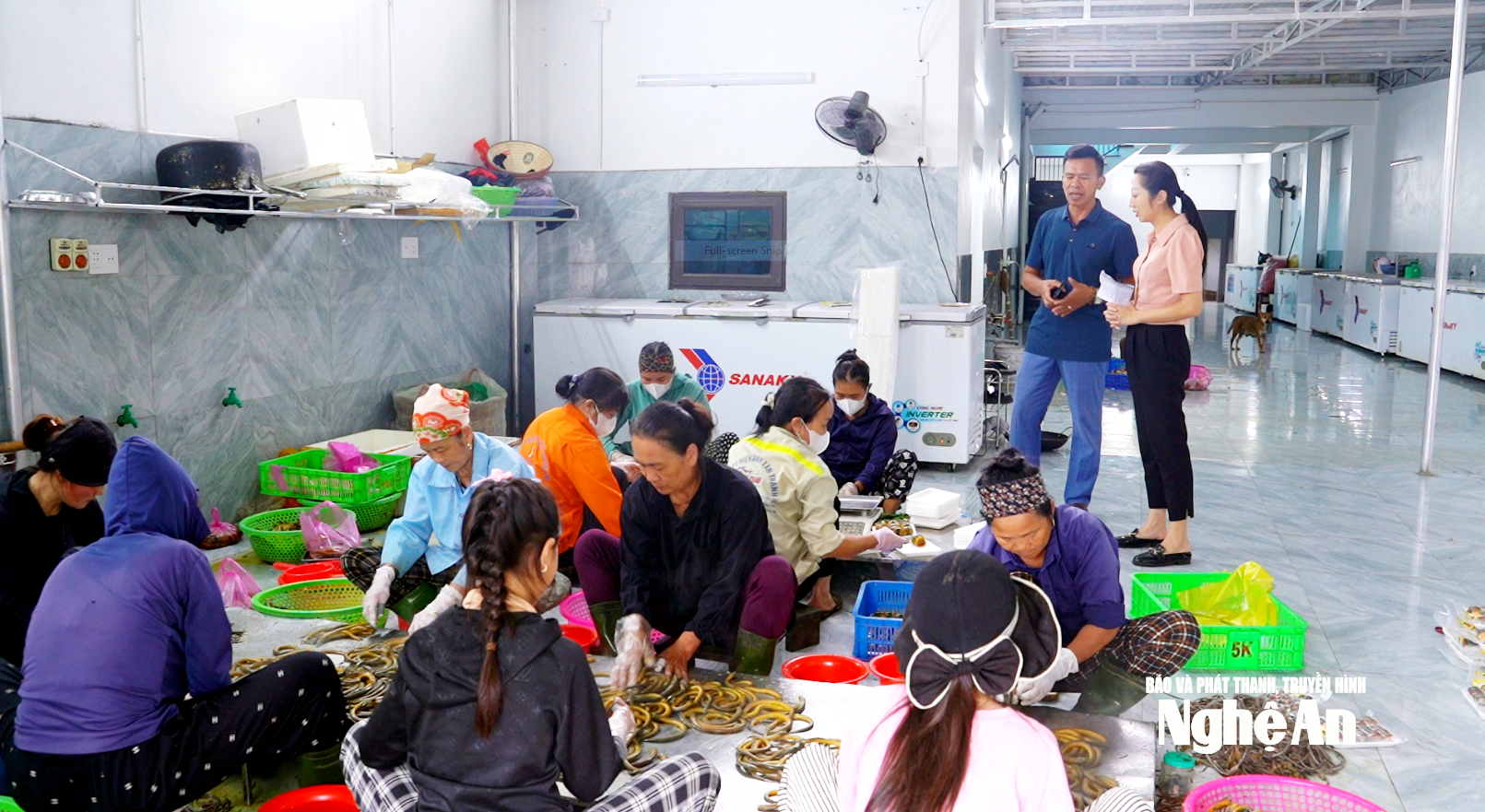
From being sold only locally, Hop Minh eel products are now available in many provinces and cities nationwide. This success is largely due to the significant contributions of farmers who have incorporated technology into every stage of production and product promotion.

They are promoting eel products online.
Photo: Hoang Viet Anh
For over two years now, in addition to the familiar task of processing eel, Ms. Nguyen Thi Liem from Phan Thanh hamlet, Hop Minh commune, has taken on an extra "special step": taking photos and videos and posting them on social media. These seemingly simple actions have helped her connect with customers from all over the country, bringing the specialty of her hometown, Hop Minh, to a wider audience than ever before.“Since attending digital technology training courses, I started exploring different ways to post content on Zalo and Facebook. I’ve seen my sales increase, creating jobs for 7-10 workers daily. I hope more people will get involved to help the industry grow and create more jobs for more workers.”"Ms. Nguyen Thi Liem said excitedly."
It is clear that when technology is brought to villages and hamlets, people not only change in their approach to information, but also in their way of thinking and doing things to develop the economy and improve their lives.
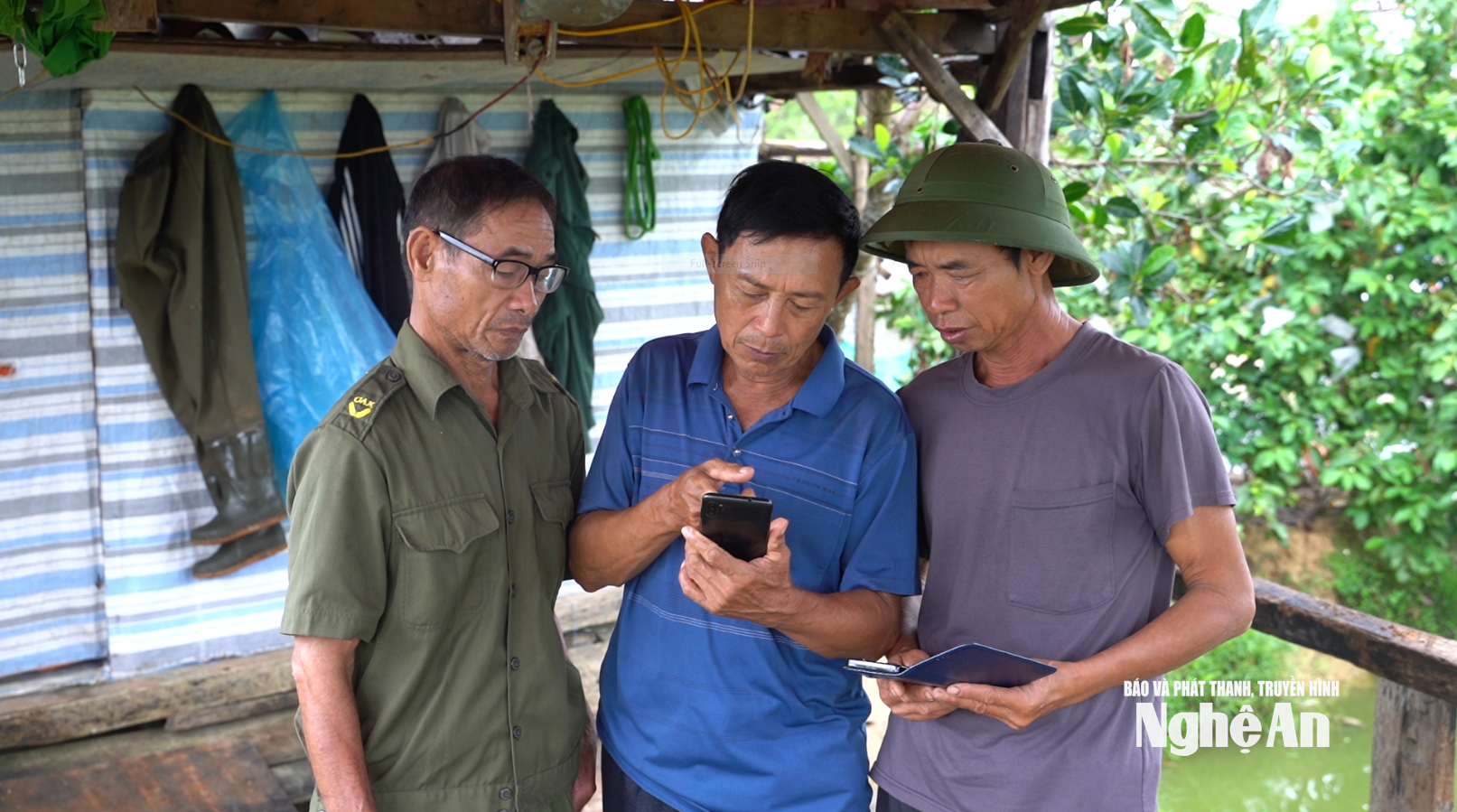
The story of Mr. Nguyen Tat Khuong from Van Hien commune is a prime example. Despite his advanced age and lifelong dedication to livestock farming, Mr. Khuong has completely transformed his economic mindset by learning how to use a smartphone. His phone is now not only for communication but also helps him research knowledge, learn new techniques, connect with business partners, and promote his products.“The Farmers’ Association opened training classes, where I received books, notebooks, and materials. They also taught me how to approach the topics, so I grasped them more quickly. Nowadays, thanks to the internet and smartphones, I can access information more easily. Secondly, I can understand the market better; it’s much easier to know what to raise or what to trade.”
In Van Hien commune, stories like that of Mr. Nguyen Tat Khuong – a farmer whose life has been transformed by technology – are no longer rare. And certainly, in many rural areas of Nghe An, smartphones, the internet, and digital applications have become an integral part of people's daily lives.
Thanks to these changes, the face of the new rural area is gradually taking shape – where technology becomes a bridge connecting communities, helping to improve the quality of life and governance at the grassroots level.
Mr. Tran Ngoc Canh, Secretary and Head of Tan Son 6 hamlet, Van Hien commune, added:“When there’s a meeting or information to be shared, we post it on the Zalo group so people can quickly get the information. Therefore, we no longer need to announce Party branch meetings or Front meetings over the loudspeaker; we just send messages to the group, so people can access the information very quickly.”
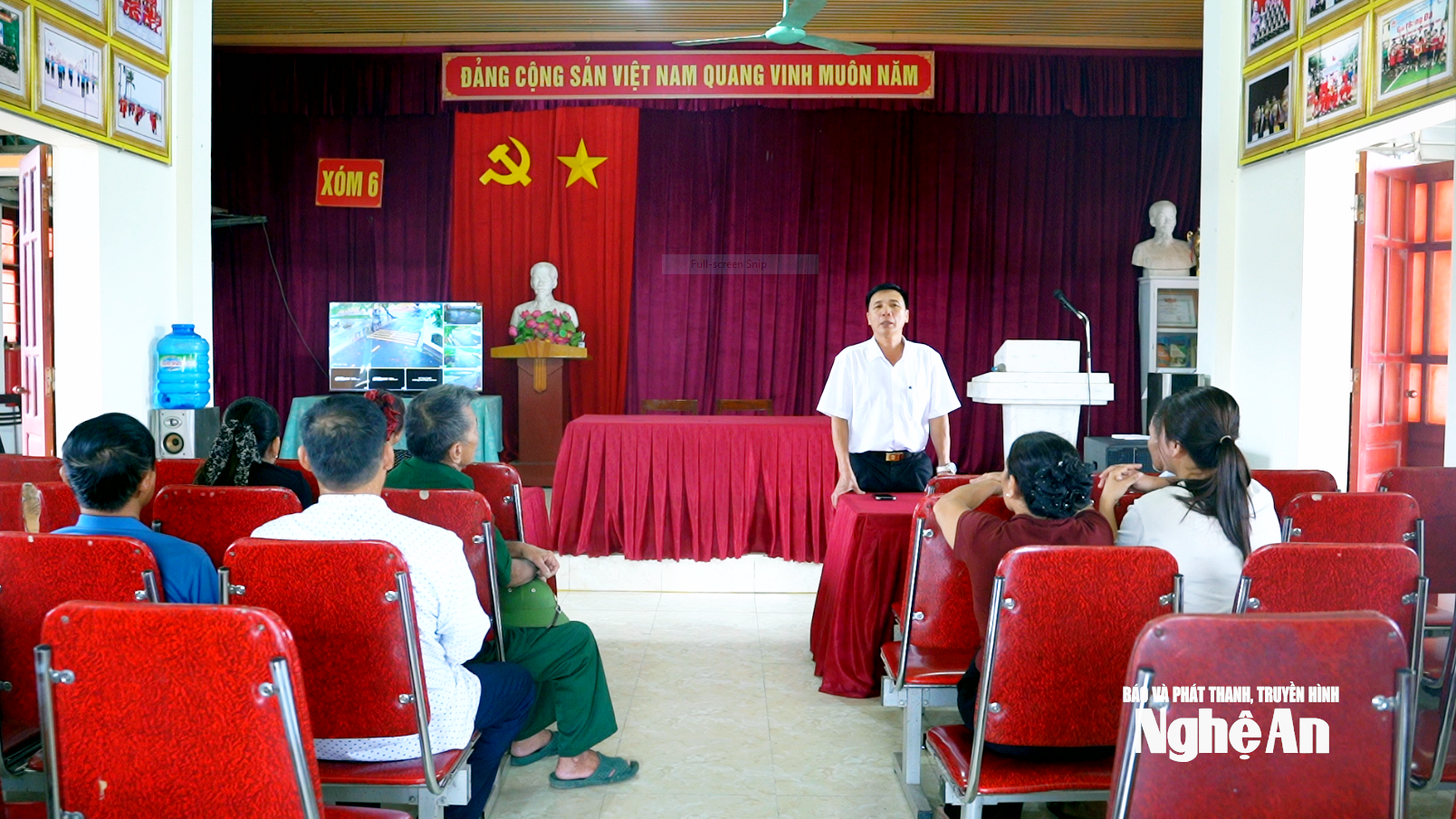
These changes demonstrate that digital transformation is the fastest way to overcome barriers of space and time, creating equal opportunities in accessing information, knowledge, services, and socio-economic activities. Mr. Pham Quang Sang, Vice Chairman of the People's Committee of Hop Minh commune, affirmed:“The commune is also trying to replicate this model, focusing on building a digital platform, strengthening training so that people understand the model better, and coordinating with relevant units. In particular, we are focusing on training in the application of science and technology, strengthening the development of sales websites and product livestreaming to further develop this model in the locality.”
Currently, all smart villages and hamlets in Nghe An province have free Wi-Fi access for residents at their community centers; over 90% of residents use 4G and 5G smartphones; and over 70% have received training and education to improve their digital skills and participate in using digital platforms, mobile applications, and online services provided by government agencies.
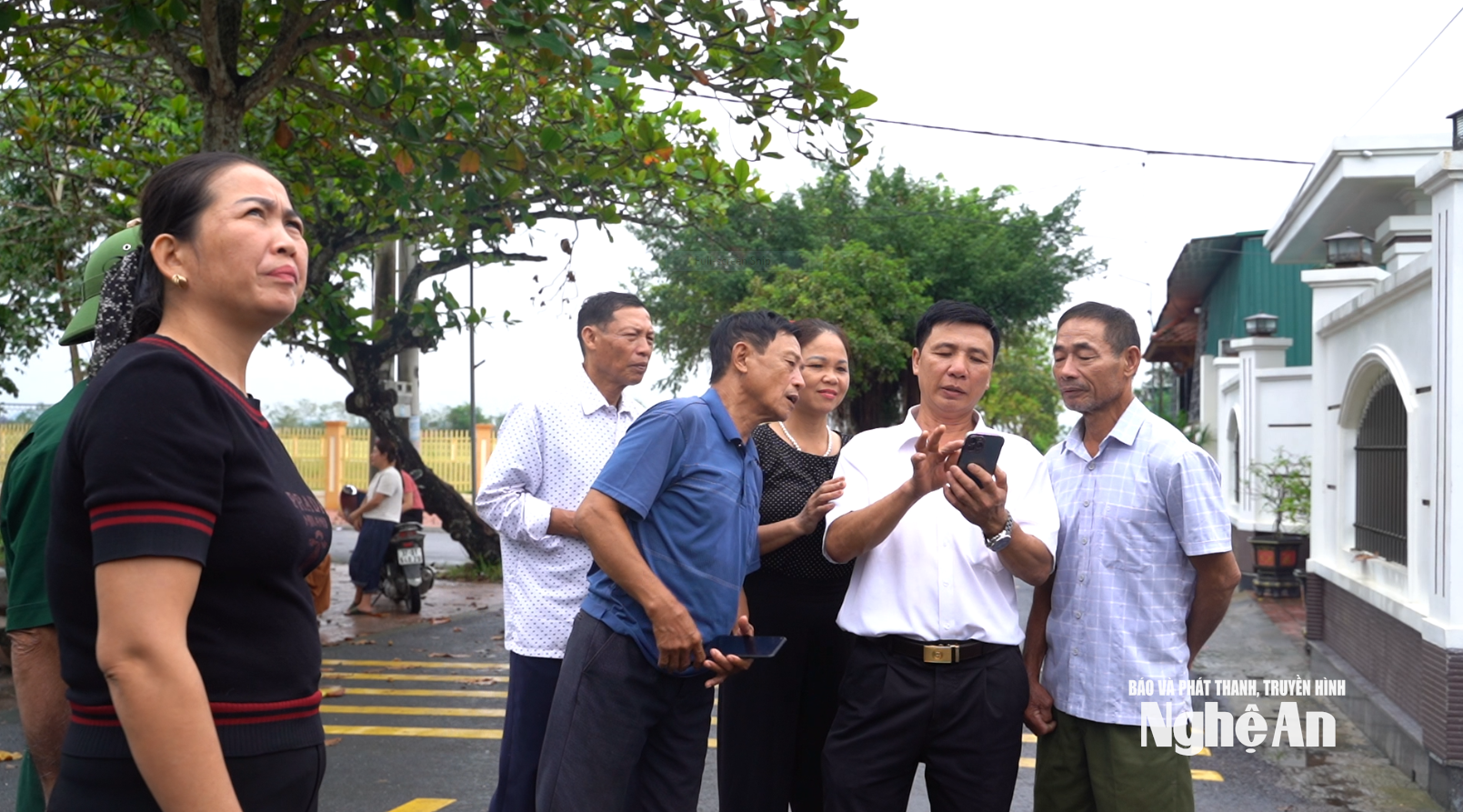
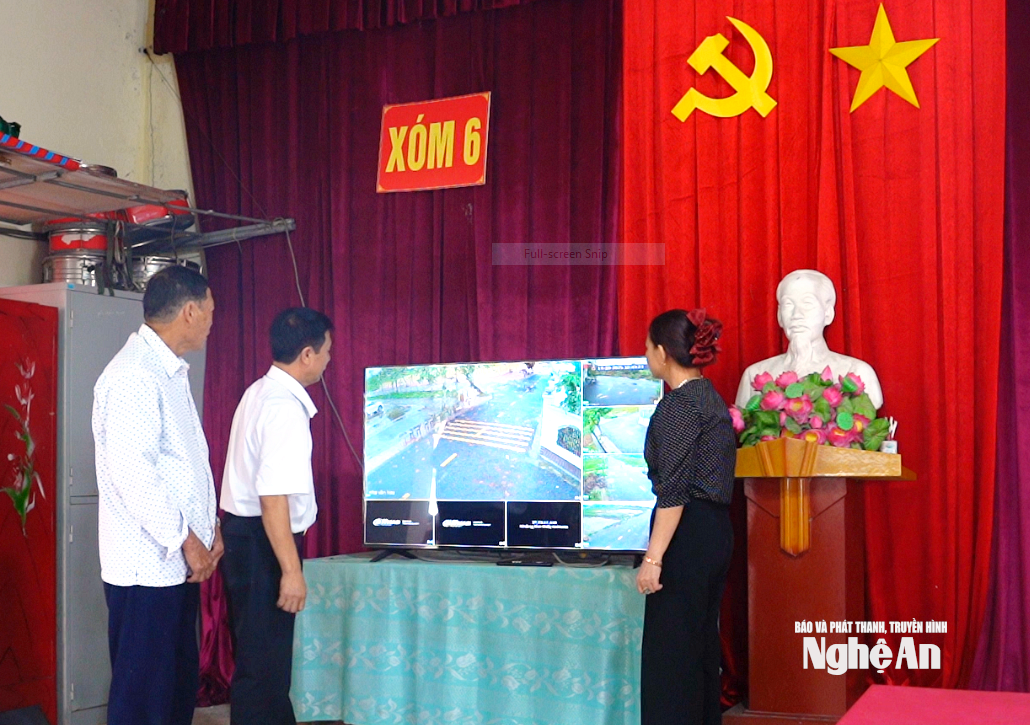
Currently, Nghe An province has 16 communes that have achieved the model new rural area status, of which 14 communes have "smart villages/hamlets". The implementation of the "smart village/hamlet" model has initially yielded many results, creating a strong transformation in the new rural area construction movement, gradually moving towards smart new rural areas in Nghe An province in the future.
Mr. Hoang Dinh Ngoc - Office of Coordination of National Target Programs for Building New Rural Areas, Sub-Department of Cooperative Economics and Rural Development of Nghe An province, said:"Nghe An province has also identified solutions, firstly, to raise public awareness about digital transformation in building smart new rural areas. Secondly, to build a digital government with each aspect from planning and development to verification and evaluation. Thirdly, to enhance the capacity of people in using and applying information technology, closely linked to the digital transformation of agriculture and rural areas."
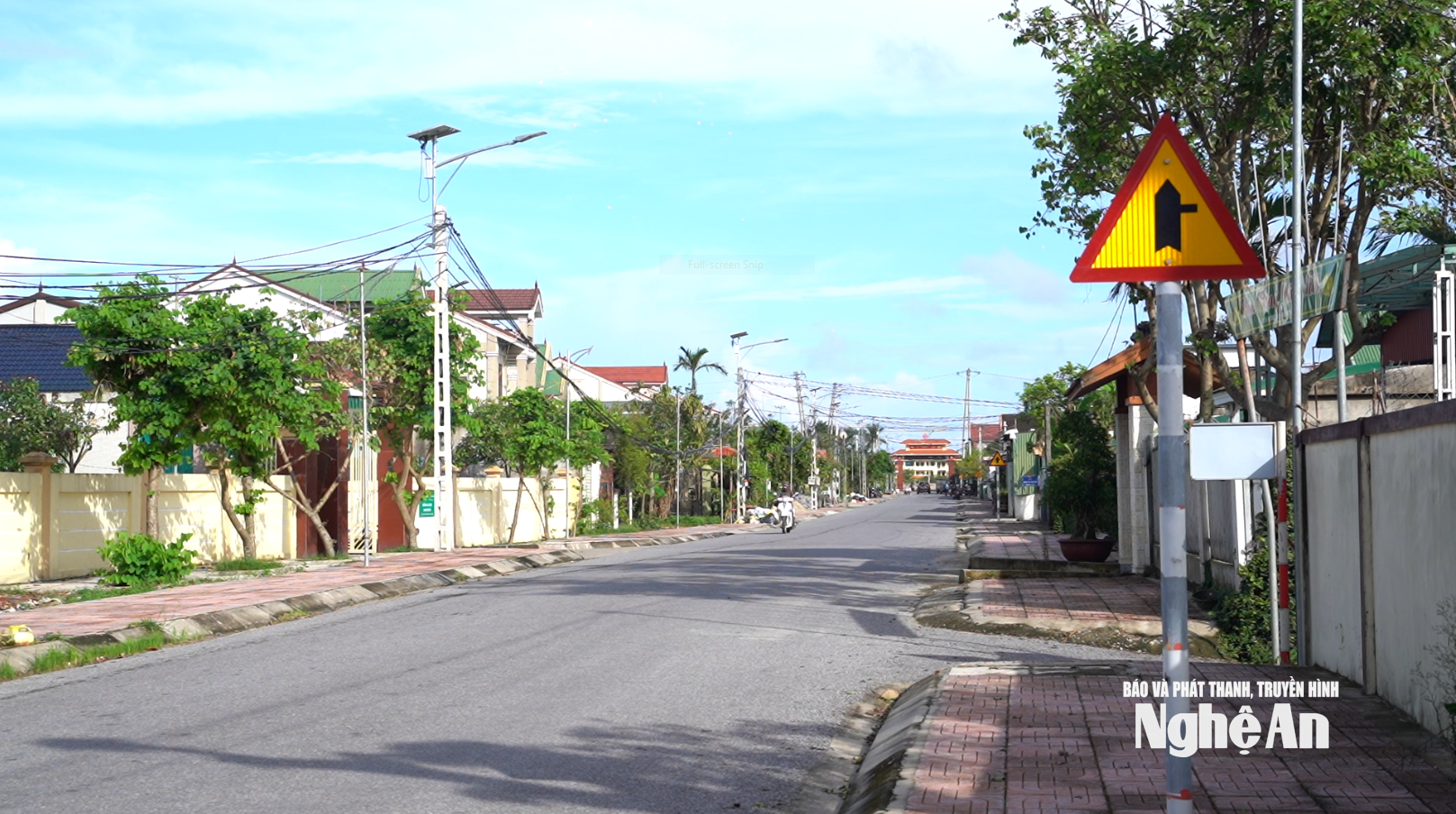
Digital transformation in building new rural areas in Nghe An province presents both opportunities and significant challenges. In the context of digital transformation being an inevitable trend, building "smart villages and hamlets"—the core of "digital rural areas"—will contribute to accelerating the application of digital technology and help address difficulties in the process of building new rural areas in Nghe An.


