
Prime Minister Pham Minh Chinh: Be more decisive in implementing the orientation of a strong shift towards an agricultural economic mindset.
Despite implementing the plan amidst numerous difficulties and challenges, especially the devastating Typhoon No. 3 (Yagi), in 2024, the Agriculture and Rural Development sector maintained high growth momentum, comprehensive development, and a strong shift in production towards an agricultural economic mindset.
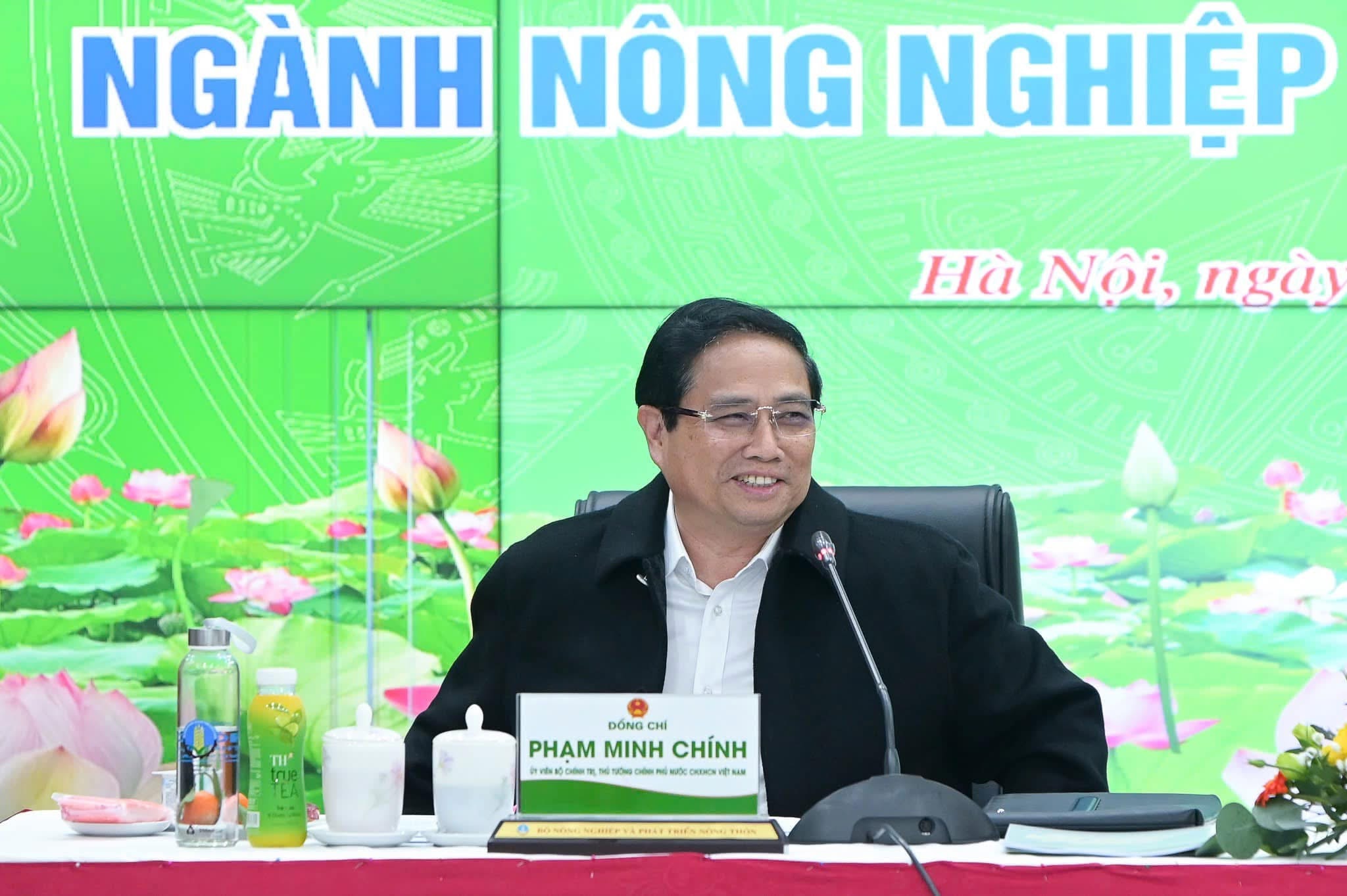
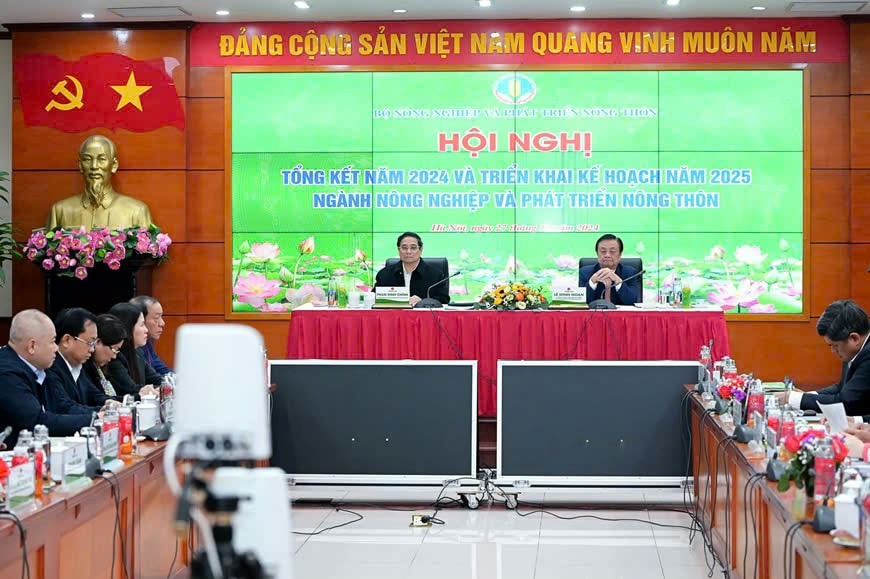
On December 27th, the Ministry of Agriculture and Rural Development held an online conference to summarize the achievements of 2024 and implement the plan for 2025. The conference was chaired by: Pham Minh Chinh - Member of the Politburo, Prime Minister; and Le Minh Hoan - Member of the Central Committee of the Party, Minister of Agriculture and Rural Development.
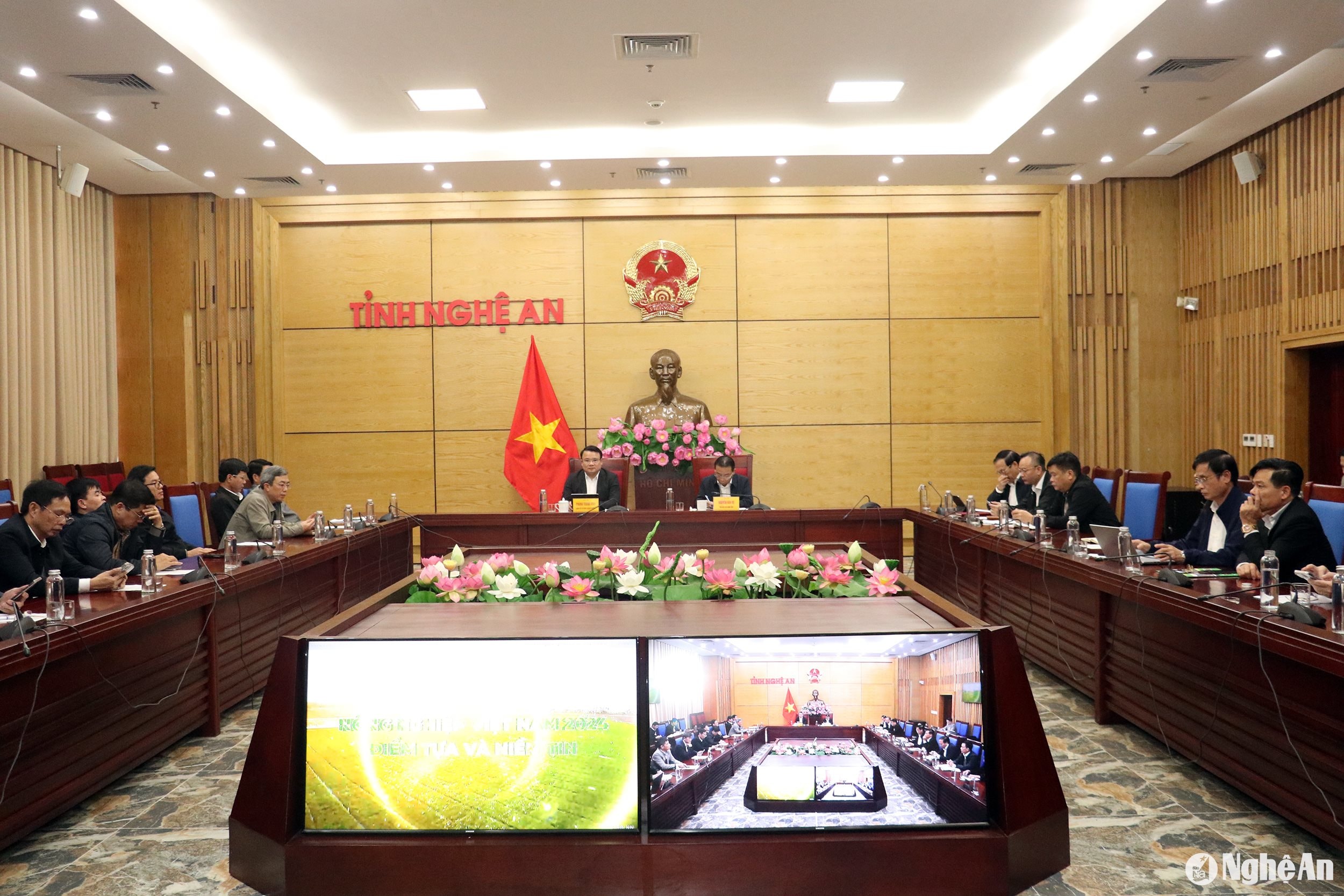
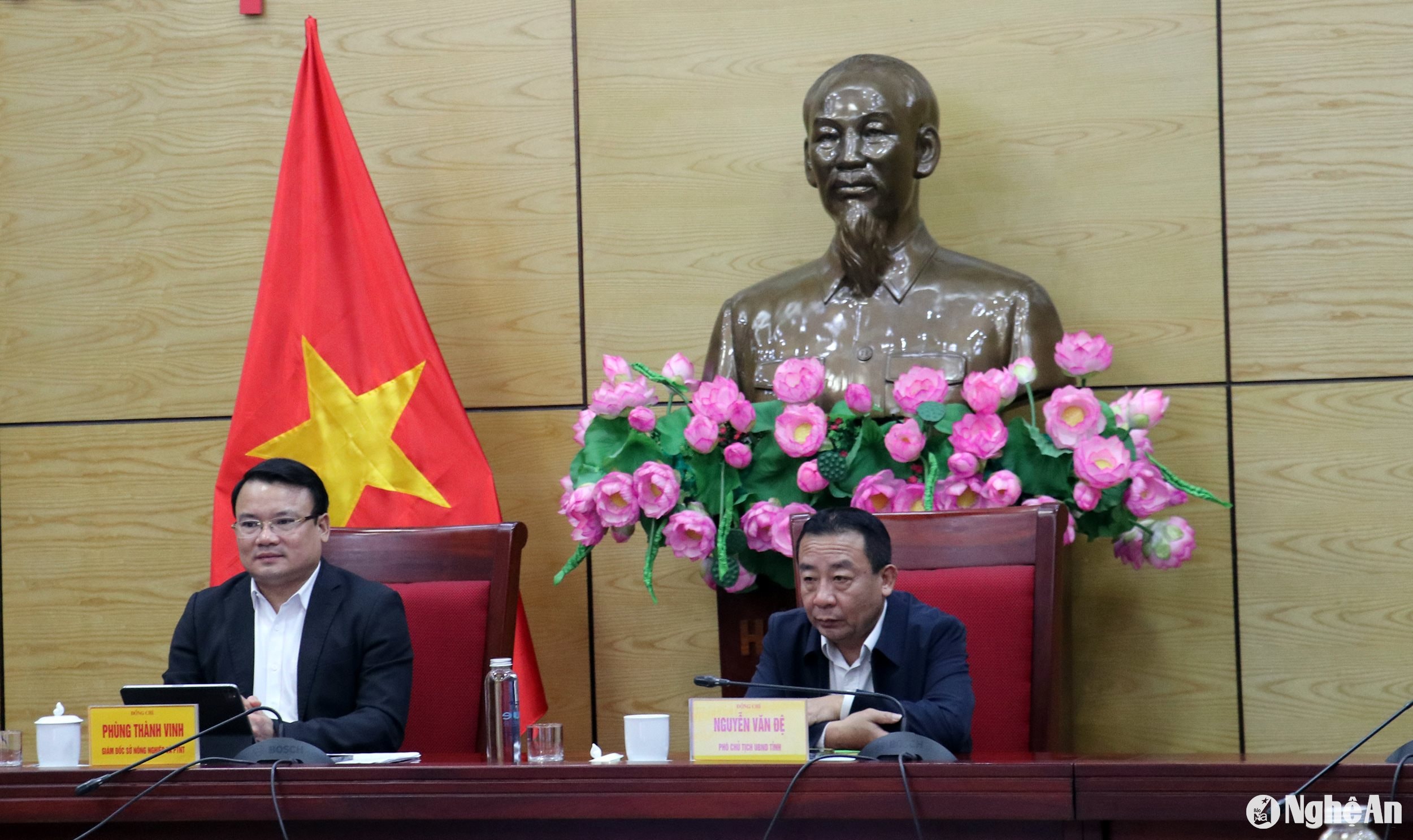
At the Nghe An branch, the conference was co-chaired by Mr. Nguyen Van De - Vice Chairman of the Provincial People's Committee; and Mr. Phung Thanh Vinh - Director of the Department of Agriculture and Rural Development.
Maintaining strong growth momentum
In 2024, the Agriculture and Rural Development sector implemented its plan amidst a mix of advantages, difficulties, and challenges; natural disasters, especially Typhoon No. 3 (Yagi), caused severe damage... However, with the close attention and guidance of the Central Party and State, the entire sector unified its understanding and actions, strongly shifting towards an agricultural economic mindset, international integration, flexibility, and striving to maintain high growth momentum, comprehensive development, and achieving and surpassing most key targets.
The GDP growth rate for the entire sector is estimated at approximately 3.3%. Agriculture continues to affirm its important position as a pillar of the economy, ensuring food security, maintaining major economic balances, and contributing to macroeconomic stability and inflation control. Production and productivity of many key products increased significantly, notably: rice (nearly 43.7 million tons); various types of meat (8.1 million tons); seafood (9.6 million tons); and harvested timber (nearly 22.9 million cubic meters). Total export turnover of agricultural, forestry, and aquatic products and the trade surplus reached record highs, at US$62.5 billion and US$17.9 billion respectively (accounting for approximately 71.6% of the national surplus).
The sector has effectively implemented major strategies, plans, programs, and projects, such as: the Sustainable Development Project for 1 million hectares of high-quality rice cultivation in the Mekong Delta; several important policies such as investment policies in forestry; policies supporting improved livestock efficiency... and 4 national-level sectoral plans in agriculture, creating a solid legal basis for the development of the sector and its sub-sectors and fields in the right direction.
By the end of 2024, approximately 78.7% of communes nationwide will have met the standards for new rural areas; of which, 2,225 communes will have met the standards for advanced new rural areas and 532 communes will have met the standards for model new rural areas. There will be 302 district-level units and 5 provinces that have met the standards for new rural areas.
In 2024, Nghe An province basically completed and exceeded the planned targets for agriculture and rural development. The Gross Regional Domestic Product (GRDP) of agriculture, forestry, and fisheries at current prices is estimated at VND 46,696 billion, with an estimated growth rate of 4.14% compared to the same period last year. In 2024, 8 communes achieved the New Rural Area standard, 34 communes achieved the advanced New Rural Area standard, 10 communes achieved the model New Rural Area standard, and 1 district completed the New Rural Area program.
A radical shift towards an agricultural economic mindset.
By 2025, the Ministry of Agriculture and Rural Development aims for a GDP growth rate of 3.4-3.5%; agricultural, forestry, and fisheries export turnover of 64-65 billion USD; over 80% of communes meeting new rural standards; and 325 district-level units achieving/completing the task of building new rural areas...
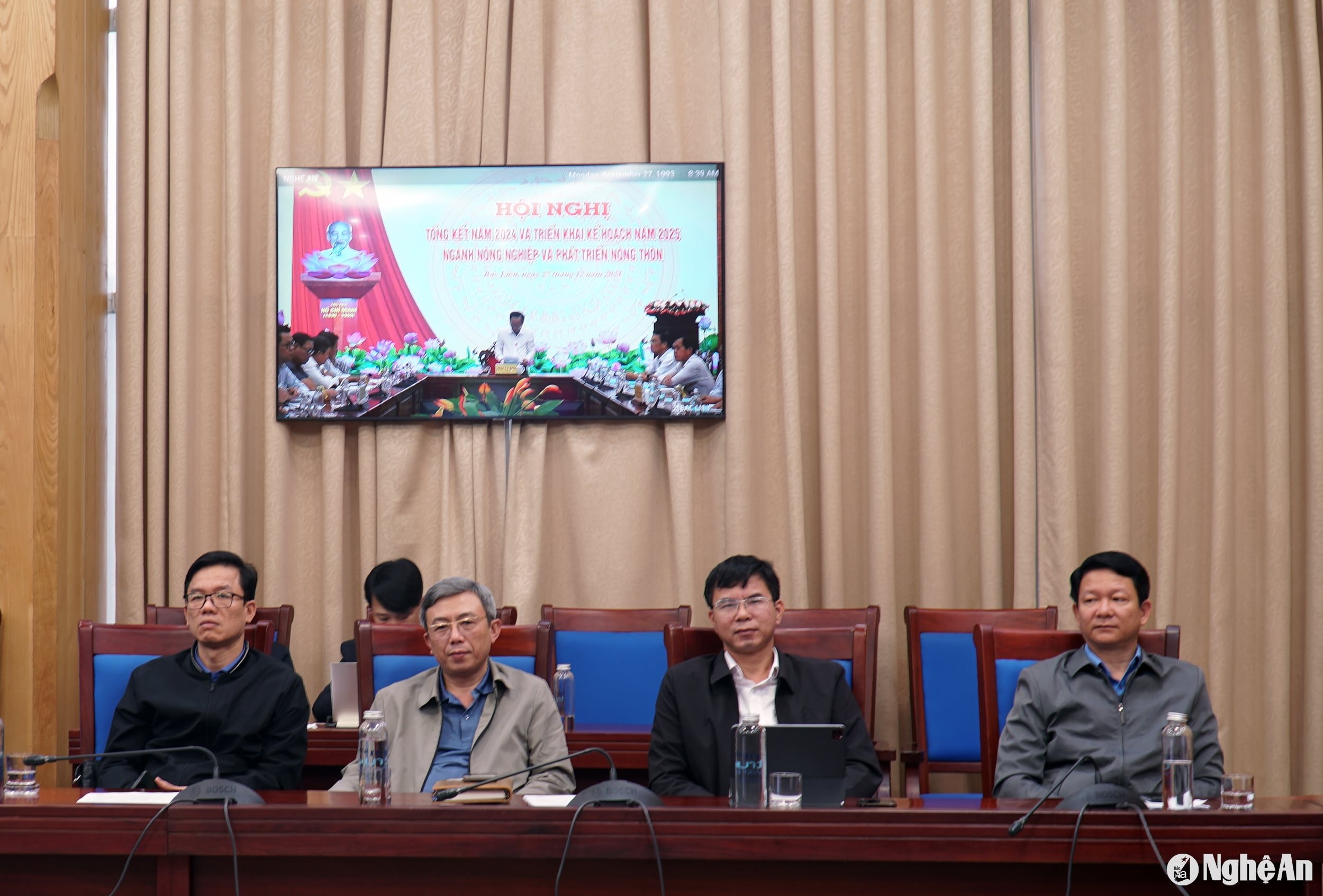
In his remarks at the conference, Prime Minister Pham Minh Chinh acknowledged and commended the commendable efforts and achievements of the sector over the past year, especially in the work of preventing, combating, and mitigating the consequences of Typhoon Yagi.
Simultaneously, the directive states: In the coming period, to ensure sustainable development, the agriculture and rural development sector must forecast, respond quickly, flexibly, and effectively to climate change, minimize damage from natural disasters, epidemics, saltwater intrusion, and water shortages for production; and pay attention to forest fire prevention and control, and environmental pollution.
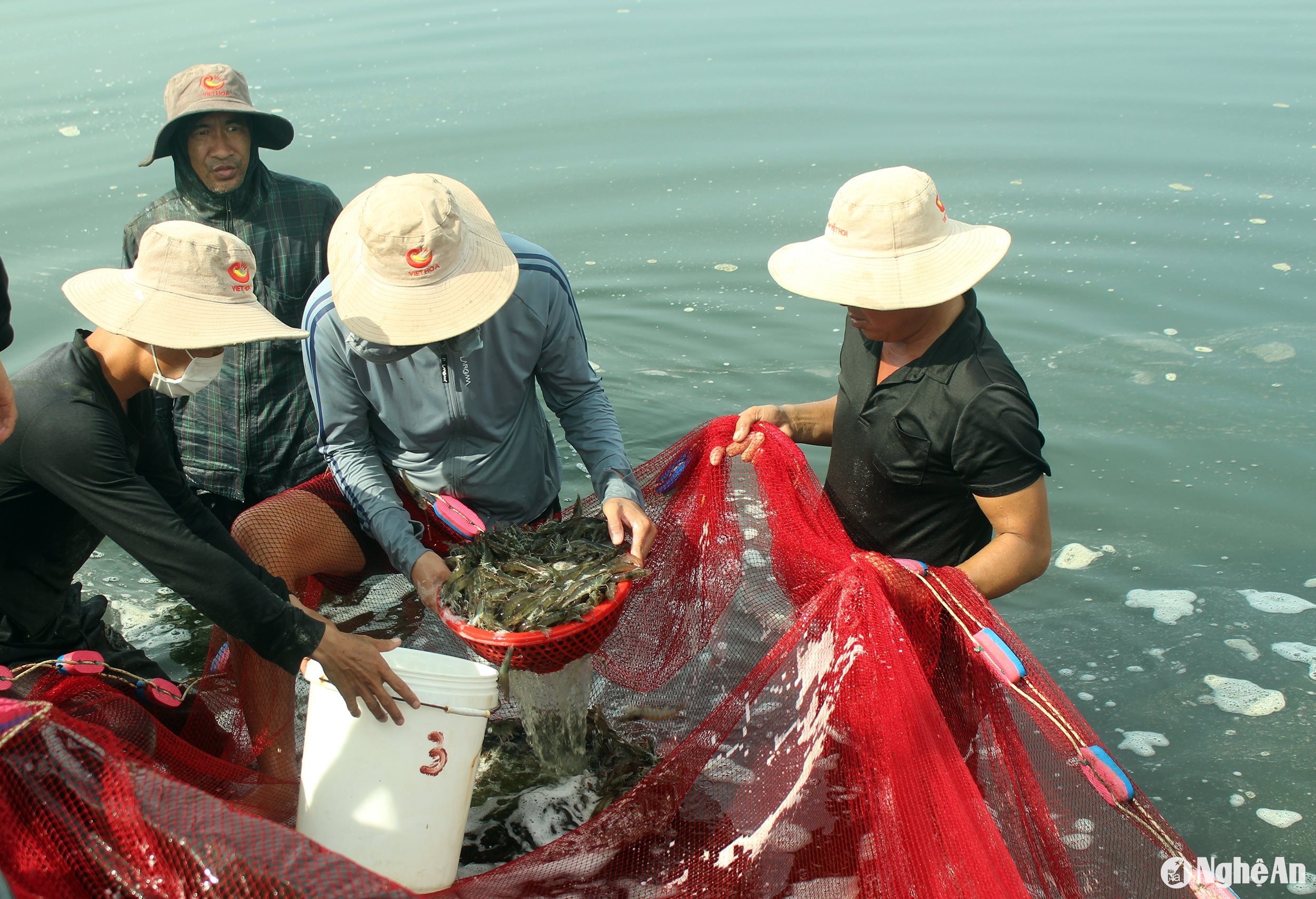
Alongside this, efforts will be made to lift the EC's "yellow card" on seafood fishing. The focus will be on strengthening quality management, food safety, and trade promotion. The percentage of communes meeting new rural standards and agricultural cooperatives will increase, and investment will be concentrated on irrigation infrastructure and disaster prevention to protect production safety and people's lives. Public investment capital allocated from the beginning of 2025 will be increased to implement approved projects, avoiding delays or postponements.
We must be more decisive in implementing the shift towards a more agricultural economic mindset, accelerating restructuring towards efficient development, maintaining national food security, and protecting the ecological environment; encouraging green, organic, circular agriculture, large-scale commodity production, and the application of high technology; and leveraging the potential and advantages of each region and locality. We must further improve planning, strategy development, and the building and improvement of institutions and mechanisms to promote rapid and sustainable development. We must focus all solutions on improving the lives of farmers and creating modern and civilized rural areas.
Prime Minister Pham Minh Chinh
.


