
Medicinal uses of ginger root
According to Traditional Chinese Medicine, ginger has a pungent taste and warm nature, acting on the lung, spleen, and stomach meridians. It is believed to promote sweating, dispel cold, warm the body, clear phlegm, promote fluid circulation, and detoxify. Furthermore, depending on the form in which it is used, ginger has many different uses.
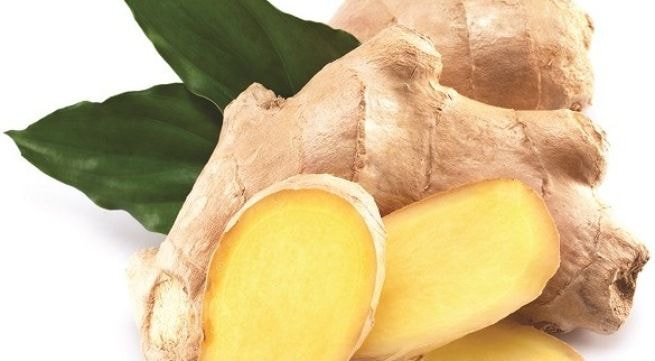
Ginger is also known by other names such as fresh ginger, dried ginger, and peeled ginger. Its scientific name is Zingiber officinale Rose, belonging to the Ginger family (Zingiberaceae). It is widely cultivated throughout Vietnam for use as a spice and medicine.
The medicinal part of ginger is the rhizome. The chemical composition of ginger contains 2-3% essential oil, primarily composed of sesquiterpenic hydrocarbon compounds: β-zingiberene (35%), β-curcumene (17%), β-farnesene (10%), and small amounts of monoterpenic alcohols such as geraniol, linalol, and borneol. The oleoresin contains 20-25% essential oil and 20-30% pungent substances. The main components of the pungent group are zingerone, shogaol, and zingerol, with gingerol being the most abundant. Additionally, ginger essential oil contains α-camphene, β-phellandrene, eucalyptol, and gingerols.
Uses
Fresh ginger, also known as raw ginger, is used to dispel cold and dampness, and to prevent vomiting. Dried ginger, also known as dried ginger, is warmer than fresh ginger and can warm the spleen and stomach. Charred ginger, also known as black ginger, has a bitter taste and is often soaked in urine; it can warm the liver and kidneys and reduce excess heat. Ginger peel, called ginger skin, has diuretic effects. Therefore, in pharmaceutical preparation, ginger can help physicians achieve several important goals. Rehmannia glutinosa cooked with ginger reduces its cooling properties. Pinellia ternata is processed with ginger to detoxify. Some other herbs such as ginseng and Centella asiatica are also often soaked in ginger and stir-fried to increase their warming properties and direct them to the lungs and stomach.
However, ginger should not be used in cases of yin deficiency with internal heat causing cough, or in cases of superficial deficiency causing excessive sweating or blood loss. When using ginger, do not peel it, as the peel also has many medicinal uses; simply wash the ginger thoroughly before use. Ginger should not be consumed for extended periods by individuals with yin deficiency and excessive heat, internal heat, or those suffering from boils, pneumonia, pulmonary edema, lung nodules, gastritis, hepatitis, nephritis, or diabetes. Ginger tea is very effective for colds. Conversely, ginger should absolutely not be used for colds caused by heat, wind-heat, or sunstroke. Do not eat bruised fresh ginger: bruised fresh ginger produces a potent toxin that can cause necrosis of liver cells, potentially leading to liver cancer or esophageal cancer over time. Although ginger has many benefits, it should not be overused.
 |
Some ways to treat illnesses with ginger.
Treating mouth ulcers: Use fresh ginger water instead of tea to drink and rinse your mouth regularly, about 2-3 times a day. This will have surprising results, with about 60-90% of ulcers disappearing.
Periodontitis: Regularly rinsing or drinking hot fresh tea is effective in treating periodontitis. It should be drunk or used as a mouthwash twice daily, in the morning and evening. If the throat is sore, itchy, or painful, a little salt can be added and dissolved in the tea before drinking it hot, about 2-3 times a day.
Preventing and treating tooth decay: Regularly rinsing your mouth with hot ginger water every morning and evening, or drinking hot ginger water several times a day, helps protect teeth and effectively prevents and treats tooth decay.
Treating migraines: When experiencing pain on one side or a migraine, apply hot ginger water to both hands and then massage the affected area of the head for about 15 minutes. The pain will quickly subside, and may even disappear completely.
For hangovers: drinking hot ginger water not only promotes blood circulation but also helps eliminate alcohol from the blood, quickly relieving hangovers and headaches upon waking up after drinking. Adding a little honey to the hot ginger water and drinking it in several portions can further enhance its hangover-relieving effect.
Treating pale complexion: Regularly washing your face with hot ginger water every morning and evening helps to give your skin a rosy glow, quickly eliminating pale complexions caused by nutrient deficiencies, lack of sleep, or overwork. This habit should be maintained for 60 consecutive days. Furthermore, washing your face with hot ginger water also has a certain effect on dark spots and dry, rough skin.
Treating dandruff: You can use hot ginger water as a substitute for shampoo to treat dandruff. First, slice fresh ginger into small pieces or crush it, then apply it evenly to the scalp for about 10-15 minutes, and finally rinse thoroughly with hot ginger water.
Back and shoulder pain: When experiencing back and shoulder pain, use hot ginger water with a little salt and vinegar added. Apply the mixture of fresh ginger, honey, and vinegar to the affected area using a cloth, repeating several times. This method helps relax muscles, improve blood circulation, and effectively reduce pain.
Treating pinworms: Before going to bed, clean the anus with hot fresh ginger water, and also drink about 1-2 cups of hot ginger water. Persistence for about 10 days can effectively eliminate pinworms.
To treat foot odor: add a little salt and vinegar to hot ginger water, then soak your feet for about 15 minutes, dry them, and let them air dry. The odor will disappear on its own.
High blood pressure: When blood pressure suddenly rises, you can soak your feet in hot fresh ginger water for about 15-20 minutes. Although the hot ginger water only comes into external contact with the feet, it will dilate blood vessels through acupressure points in the soles of the feet, thereby gradually lowering blood pressure.
According to Health and Life


