
From July 1st, 2022, the regional minimum wage may increase by 6%.
The Ministry of Labour, Invalids and Social Affairs has finalized the draft submission to the Government of a Decree stipulating the minimum wage for workers employed under labor contracts.
According to the Ministry of Labour, Invalids and Social Affairs, based on the provisions of the Labour Code and the recommendations of the National Wage Council, the Government has issued Decree No. 90/2019/ND-CP stipulating the regional minimum monthly wage for employees working under labor contracts, effective from January 1, 2020.
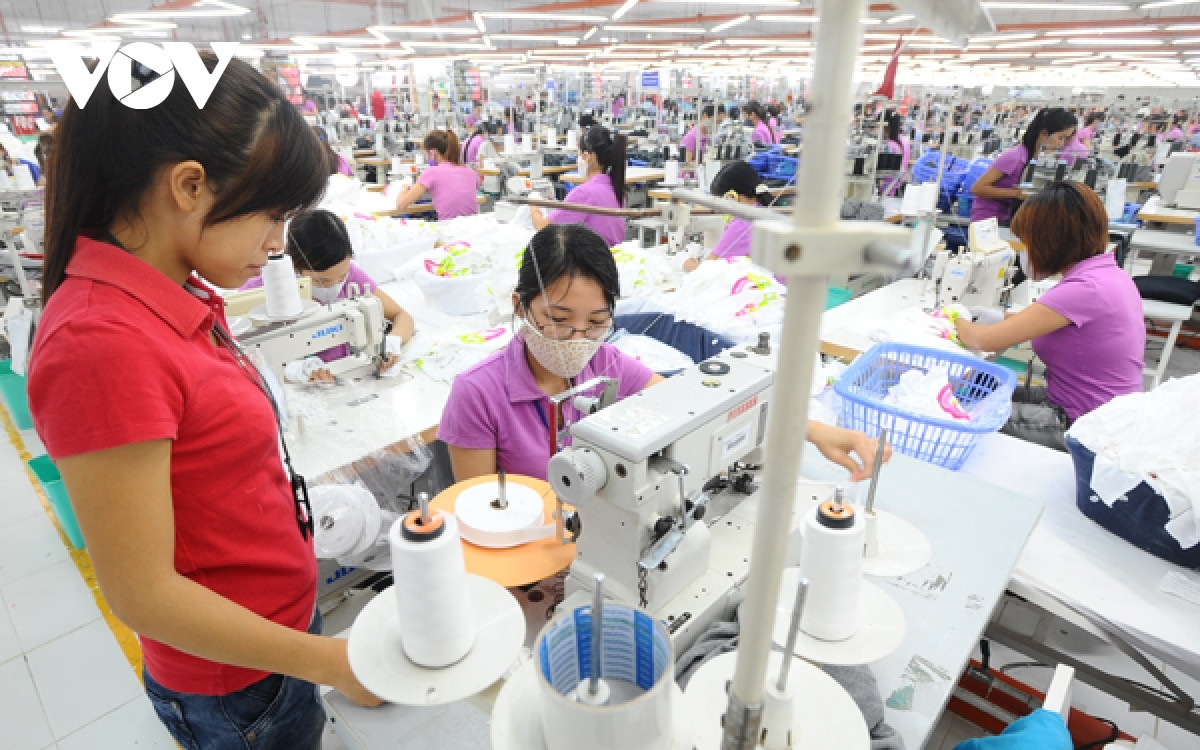 |
| Illustrative image. |
Proposed increase of 6%
The Ministry of Labour, Invalids and Social Affairs has proposed monthly minimum wage levels for four regions: Region I at 4,680,000 VND/month, Region II at 4,160,000 VND/month, Region III at 3,640,000 VND/month, and Region IV at 3,250,000 VND/month.
The aforementioned minimum wage represents an average increase of 6% (corresponding to an increase of VND 180,000 - VND 260,000) compared to the current minimum wage. The determination of this minimum wage adjustment is based on a 5.3% increase to ensure a minimum standard of living for workers and their families, and an additional 0.7% increase to further improve workers' wages.
This adjustment balances the interests of both workers and businesses, focusing on improving workers' living standards while ensuring the maintenance, recovery, and development of businesses' production and operations. 100% of the National Wage Council members unanimously agreed and recommended this adjustment to the Government.
The regional minimum wage will be implemented from July 1, 2022, as recommended by the National Wage Council to the Government.
The Ministry of Labour, Invalids and Social Affairs calculated that the proposed minimum wage plan has taken into account the impacts on employment, unemployment, production and business conditions of enterprises, and the extent to which it affects the production costs of enterprises. Most enterprises already pay their employees higher wages than the proposed minimum wage; implementing the new minimum wage will mainly only increase the cost of mandatory insurance contributions. For the group of workers currently earning low wages, adjustments must be made to ensure their wages are not lower than the new minimum wage.
The minimum wage needs to be adjusted soon to improve the lives of workers.
Normally, regional minimum wage levels are reviewed and adjusted after one year of implementation. However, the Ministry of Labour, Invalids and Social Affairs argues that, due to the negative impact of the Covid-19 pandemic on the economy, society, production, business, employment, and the lives of workers since the beginning of 2020, the Government has maintained the regional minimum wage stipulated in Decree No. 90/2019/ND-CP until now (over two years) as recommended by the National Wage Council. Currently, this regional minimum wage no longer guarantees a minimum standard of living for workers and their families as stipulated in the Labour Code. According to calculations by the technical department of the National Wage Council, the current minimum wage is approximately 1.3% lower than the minimum standard of living for workers and their families in 2022.
The Ministry of Labour, Invalids and Social Affairs also noted that the Covid-19 pandemic is now basically under control, and Vietnam's socio-economic situation is improving, with businesses gradually recovering and developing. However, in this context, the lives of many workers are still being severely affected by the impact of the Covid-19 pandemic. A segment of the workforce is facing very difficult circumstances due to work stoppages, job losses, prolonged unpaid leave, and reduced income while the prices of goods and services continue to rise.
The labor market is currently experiencing a supply-demand imbalance, with labor shortages in many sectors and localities. Many workers, forced to quit or stop working due to the Covid-19 pandemic and return to their hometowns, lack the motivation to return to work. The current labor relations situation in businesses is trending towards re-establishing working conditions between employees and employers, thus creating potential conflicts and complexities that could escalate into disputes. The majority of workers now desire employers to adjust wages, allowances, and improve other benefits to better suit the context of economic recovery. Many strikes that have occurred since the beginning of the year have stemmed from this desire of the workers.
For employers, in order to restore production and build harmonious and stable labor relations, some businesses have proactively adjusted wages and benefits for their employees. However, many businesses, despite having the means, are still waiting for the government to adjust the minimum wage to use as a basis for negotiating and adjusting employee benefits.
Based on the above reality, according to the Ministry of Labour, Invalids and Social Affairs, it is essential for the Government to promptly issue a Decree adjusting the monthly minimum wage and regulating the hourly minimum wage as stipulated in the 2019 Labour Code to contribute to improving the lives of workers, actively supporting the recovery of the labor market, creating favorable conditions for businesses to quickly recover, stabilize and develop production and business, and maintain harmonious, stable and progressive labor relations.


