
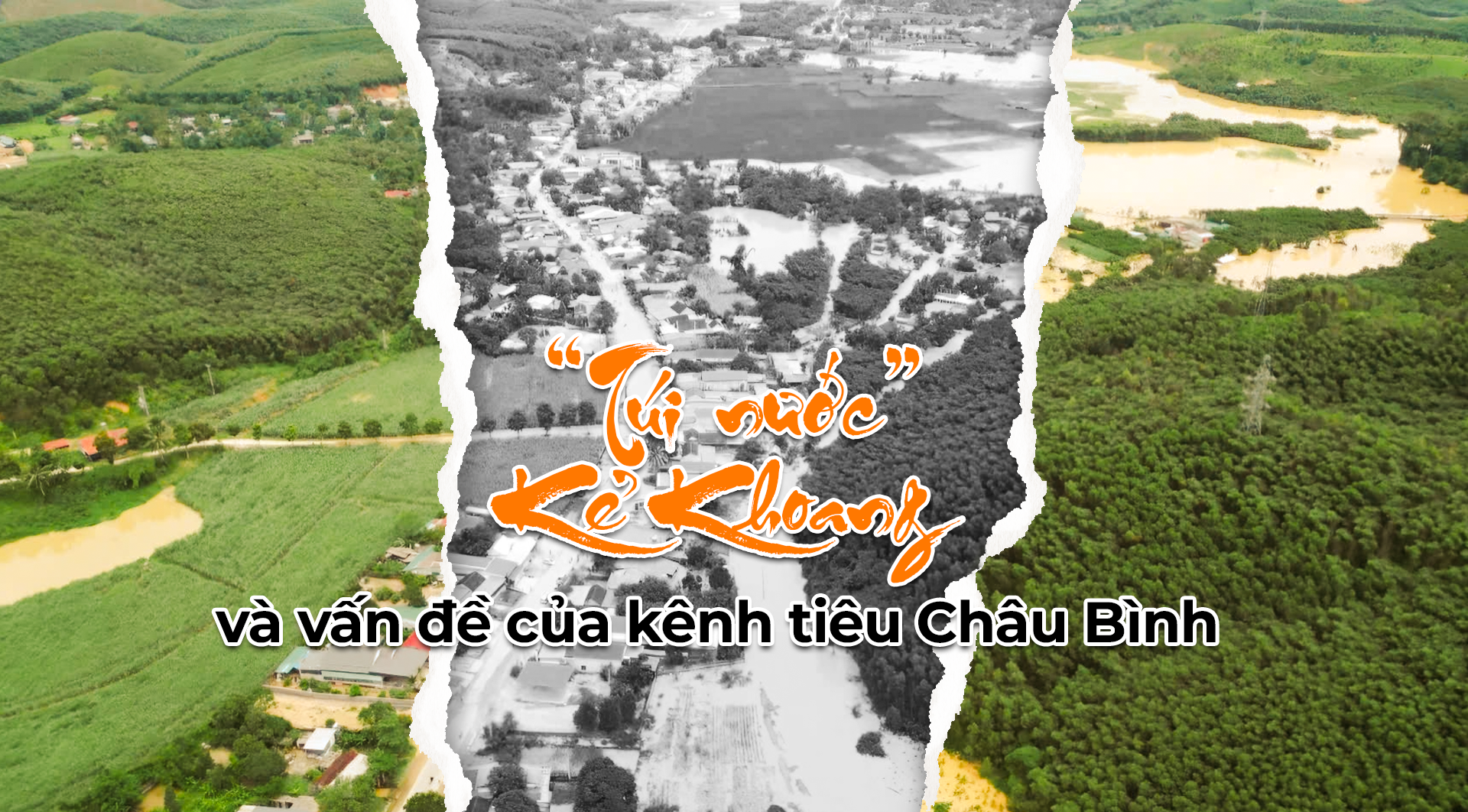
The "water pocket" of Ke Khoang and the problems of the Chau Binh drainage canal.
The flooding in Ke Khoang village, Chau Binh commune, on the morning of July 23rd was caused by prolonged heavy rain and the release of water from hydroelectric dams, which caused the Hieu River to rise and overflow. However, it was also partly due to the drainage canal system not functioning properly!
Nhat Lan• July 31, 2025
The flooding in Ke Khoang village, Chau Binh commune, on the morning of July 23rd was caused by prolonged heavy rain and the release of water from hydroelectric dams, which caused the Hieu River to rise and overflow. However, it was partly due to the drainage canal system not functioning properly!

Throughout July 22nd, due to the influence of the remnants of Typhoon No. 3, Chau Binh commune experienced heavy and prolonged rainfall. By late afternoon, several hydroelectric power plants in the former Que Phong district simultaneously released large volumes of water, causing the Hieu River to rise rapidly. By 2:00 AM on July 23rd, the rising water level of the Hieu River overflowed the construction site of auxiliary dam No. 3 (a project of the Ban Mong Irrigation Reservoir Project), and combined with the heavy rainfall on July 22nd, caused flooding in several central areas of Chau Binh commune, particularly in Ke Khoang village and National Highway 48.
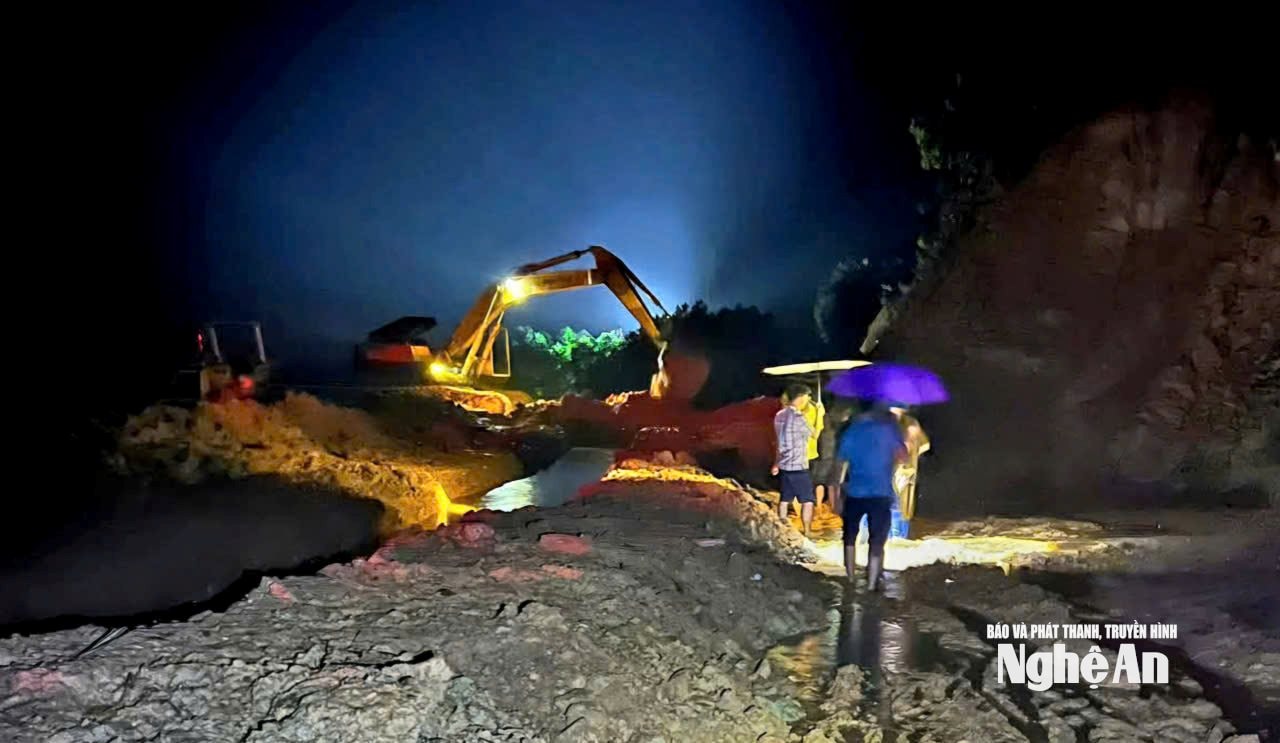
Participating in the emergency response to Typhoon No. 3 on July 22nd, Mr. Bui Hoang Tung, Deputy Head of the Economic Department of Chau Binh commune, recounted: On July 22nd, continuous rain caused minor flooding in some areas near Co Ba Bridge, Ke Khoang village, Ke Tam village, etc. By the early morning of July 23rd, water from the Hieu River rose rapidly, overflowing the construction site of auxiliary dam No. 3, flooding many production areas and residential villages in Chau Binh commune, especially in Ke Khoang village. At this time, the Ban Mong Irrigation Project Management Board and the construction unit were on duty at the construction site of auxiliary dam No. 3. They mobilized manpower and machinery to build earth barriers, but because the soil was wet and soggy, they could not prevent the water from overflowing.
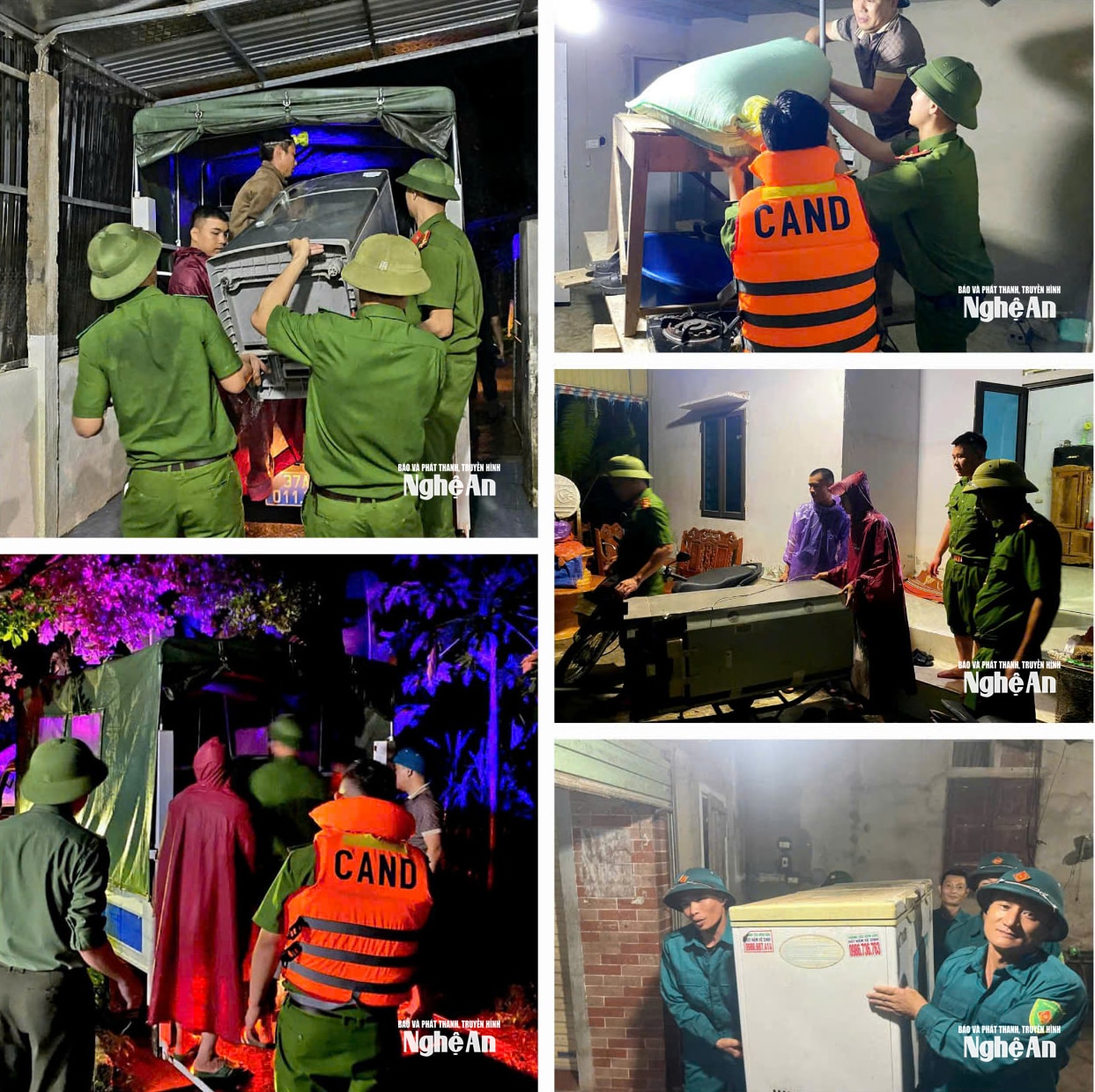
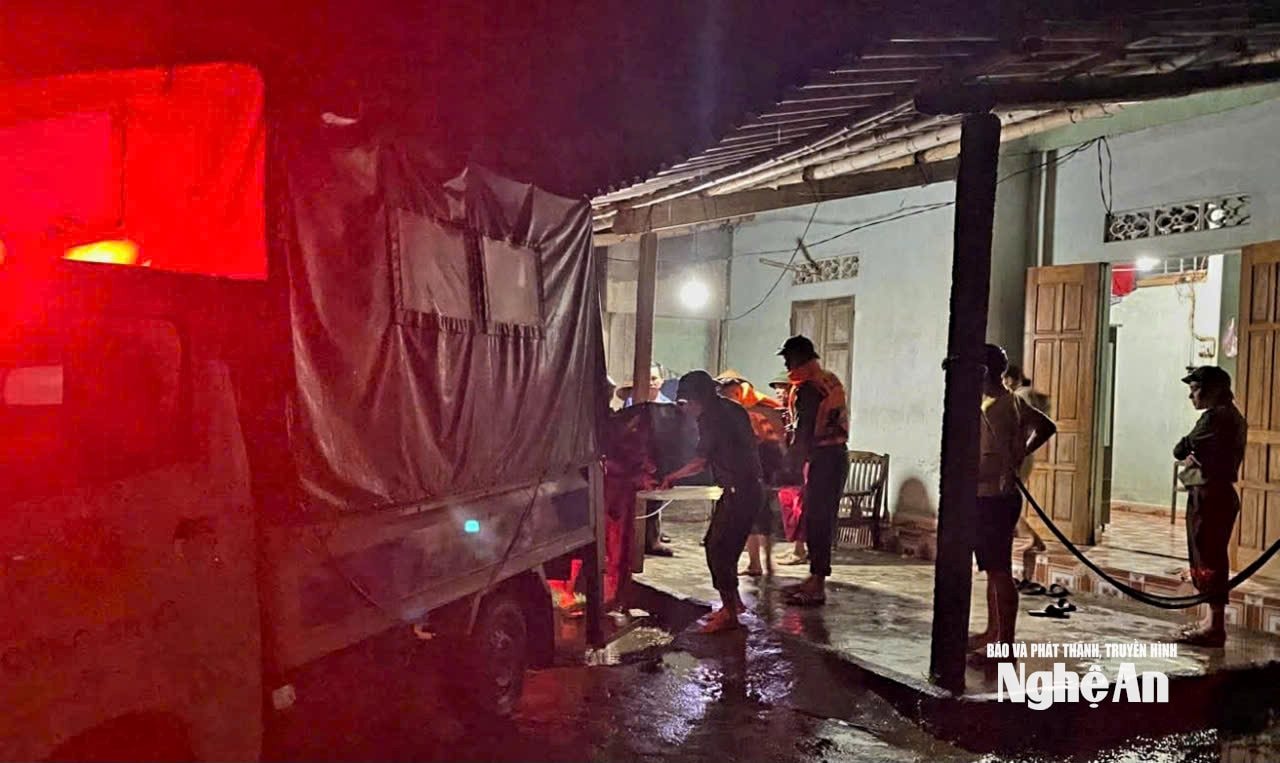
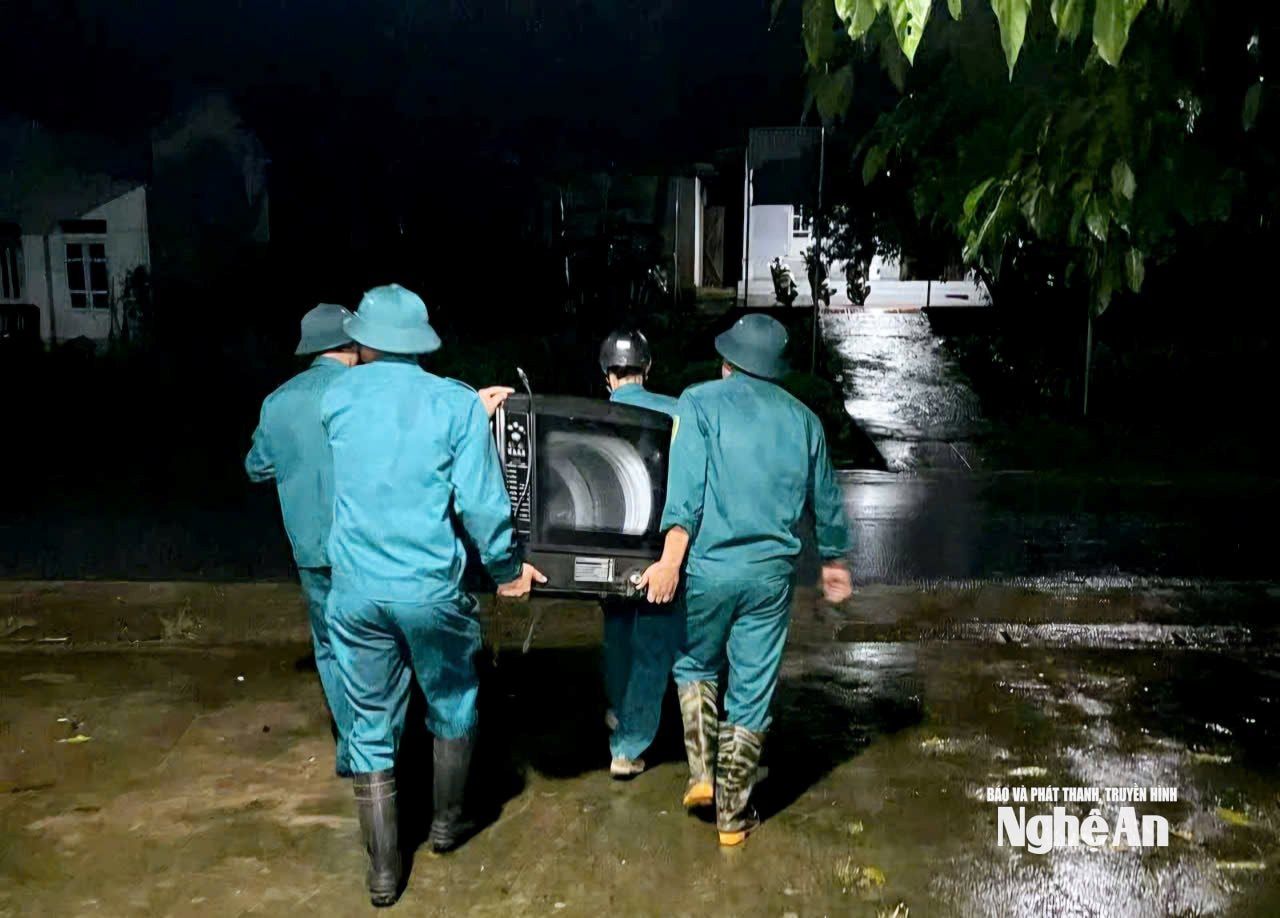
According to Mr. Tung, at around 10 PM on July 22nd, the commune received a call from the Provincial Flood and Storm Control Steering Committee informing them that upstream hydroelectric power plants were releasing large volumes of water, posing a risk of flooding to Chau Binh commune. Identifying Ke Khoang village as a low-lying area, Chau Binh commune's forces immediately went door-to-door to help residents move people and valuable possessions to safe areas to avoid the flood.
The effort to evacuate people to avoid flooding lasted until 3 a.m. on July 23rd. By this time, the water had risen very high, with some areas submerged under 1.5 - 2 meters of water…”.
Mr. Bui Hoang Tung - Deputy Head of the Economic Department of Chau Binh Commune
Directly commanding the forces of Chau Binh commune in preventing and combating Typhoon No. 3, Mr. Lo Van The - Chairman of the Chau Binh Commune People's Committee - said that by the end of July 21, the commune had confirmed that all residents had left their production areas and returned home; including the 8 Mong ethnic people residing in Chau Binh commune who worked in rubber plantations, who were also brought out of the forest by the commune's forces and provided with accommodation to ensure their safety. Despite thorough preparations for typhoon prevention and control, due to heavy rain on July 22, and the overflowing of the Hieu River into the construction area of auxiliary dam 3 late at night, the officials and people of Chau Binh commune faced considerable difficulties.
“Around 10 pm on July 22nd, the Director of the Department of Agriculture and Environment, Hoang Quoc Viet, urgently called to inform us that the hydropower plants were releasing floodwaters, posing a risk of flooding. Therefore, we had to mobilize forces to organize the evacuation of people and valuable assets to safe areas. At the construction site of auxiliary dam No. 3, instead of clearing a flood drainage channel to the Hieu River, when the Hieu River water rose and overflowed, we had to organize the construction of earth embankments to prevent the river water from overflowing. The Deputy Director of the Department of Agriculture and Environment, Nguyen Hao, along with the leaders of the Ban Mong Irrigation Project Management Board, were present and directed the construction unit to build earth embankments to prevent the river water from overflowing. However, the Hieu River water was too high, the embankments were wet, and the event occurred in the middle of the night, so it was impossible to prevent the flooding. As a result, many areas of Chau Binh commune were flooded, and Ke Khoang village and National Highway 48 were deeply submerged…,” Mr. Lo Van The explained.
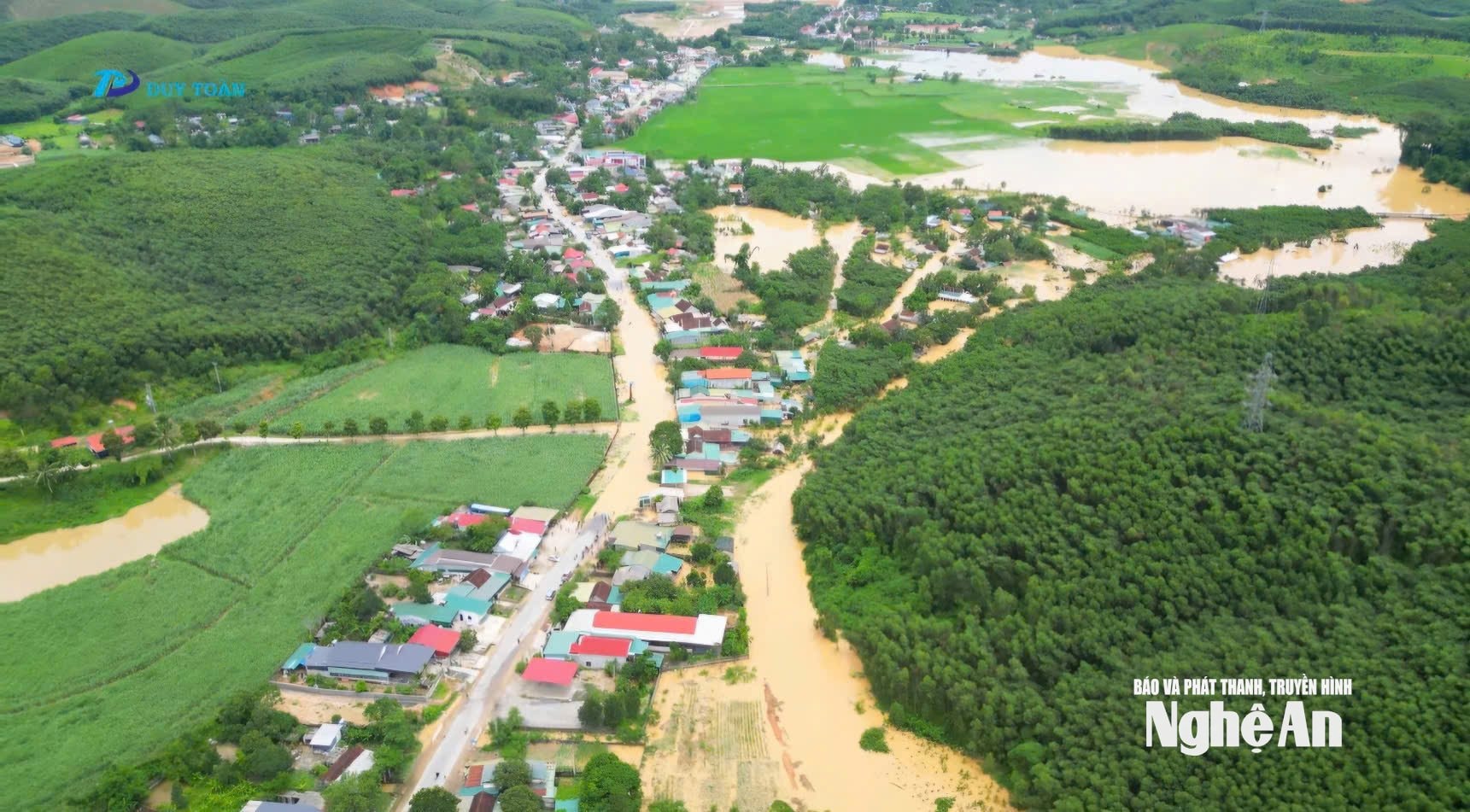

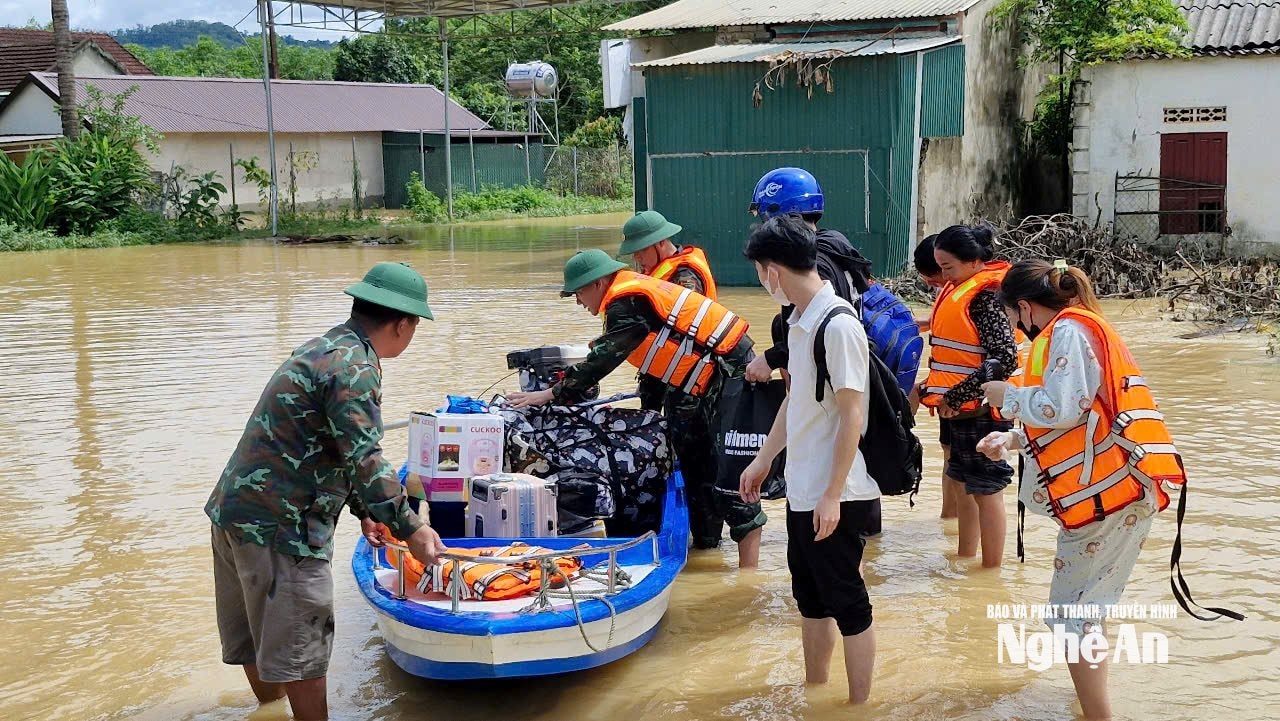
On July 24, 2025, the People's Committee of Chau Binh commune issued Report No. 42/BC-UBND, identifying the impact of Typhoon No. 3 combined with heavy rain, which caused flooding, roof damage, and isolation for 95 households in the villages of Ke Khoang, Dong Phau, Ke Nam, Ke Mong, 3/4, Quynh 2, and Binh Quang; the area of Ke Khoang village and National Highway 48 at Km 68 + 500 and Km 72 + 700 were flooded to a depth of over 1.5m. The storm and flooding caused damage to Chau Binh commune estimated at nearly 1.3 billion VND.
The material damage was considerable, but what worried the Party Committee and the local government of Chau Binh commune was the recurring flooding, especially in Ke Khoang village, which became a "water pocket" during heavy rains. Chairman of the Chau Binh Commune People's Committee, Lo Van The, assessed that during the recent storms, thanks to the construction of auxiliary dam No. 1, the flow of Co Ba stream was blocked, significantly reducing the amount of water overflowing into the central area of Chau Binh commune. The cause of the flooding was attributed to prolonged heavy rain and the release of water from hydroelectric dams in the former Que Phong district, causing the Hieu River to rise and overflow. However, the flooding was also caused by the Chau Binh drainage canal system not functioning effectively, especially during heavy rains and simultaneous water releases.
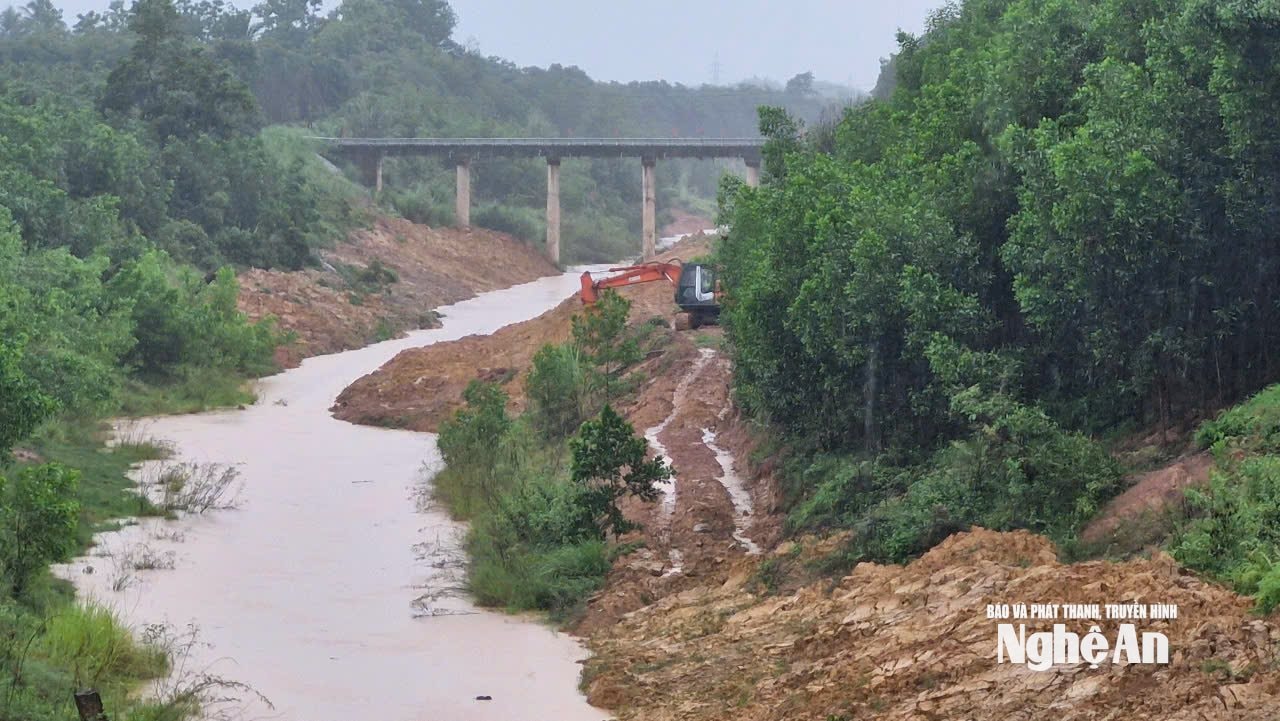
This assessment is based on the fact that the Chau Binh Commune People's Committee conducted an inspection and review of the entire drainage canal system within its jurisdiction. The review revealed that some sections of the canal have been eroded and silted up, reducing the flow cross-section. The section of the drainage canal through Ke Khoang village reuses the old stream bed, which has not been renovated; the stream bed is small and narrow, unable to drain water effectively. Furthermore, the canal section through Ke Khoang village has a higher elevation compared to the canal sections in Ke Nam, Quynh 1, and Quynh 2 villages, causing water stagnation at the canal's head and slowing down the overall drainage process of the entire system.

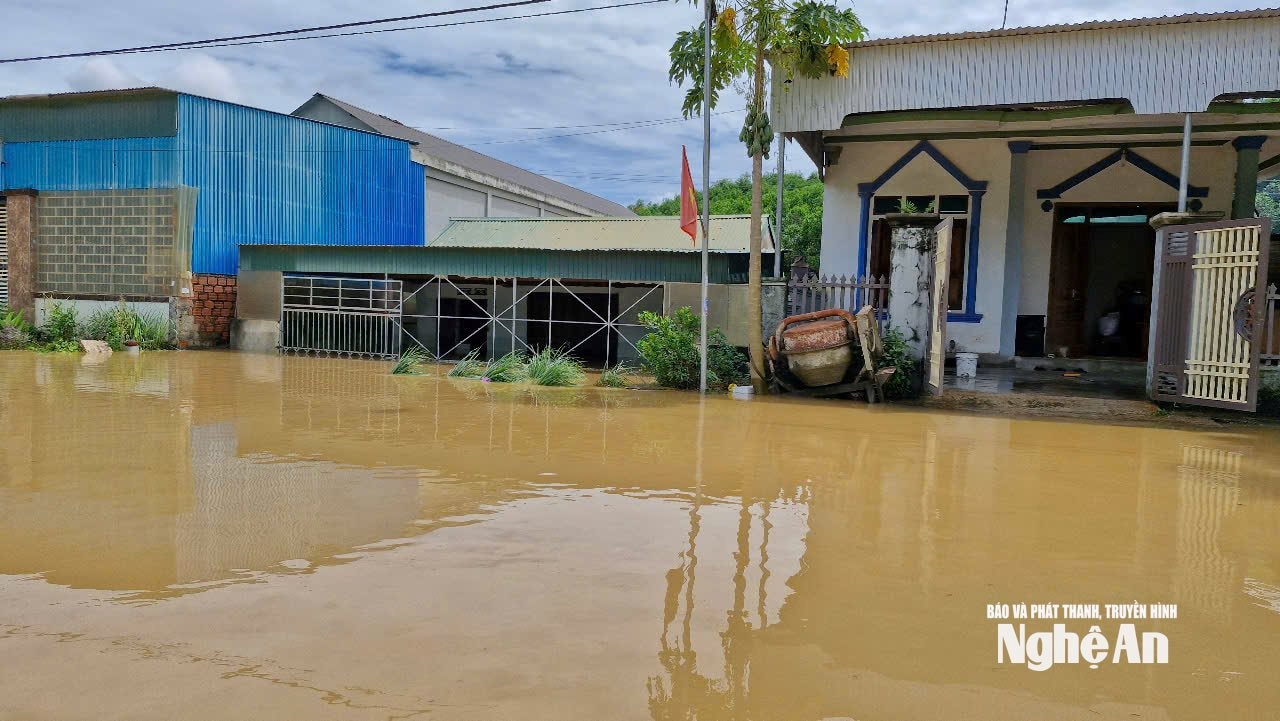
In the central area of Chau Binh commune, comprising the villages of Dong Phau, Ke Tam, Ke Khoang, Ke Nam, 3/4, Quynh 1, and Quynh 2, thousands of households reside. Currently, auxiliary dam No. 1 has been constructed, and auxiliary dam No. 3 will be built soon. Along with the surrounding hills and mountains, the central area of Chau Binh commune will become a basin, and surface water drainage will rely entirely on the existing drainage canal system. Therefore, with the current poorly functioning drainage canal system, the center of Chau Binh commune will become a flood-prone area during the rainy season.
“Given this situation, the Chau Binh Commune People's Committee requests that higher authorities urgently inspect and reassess the entire drainage canal system, especially the section passing through Ke Khoang village. Consider lowering the elevation of the initial section of the drainage canal through Ke Khoang village, and renovating and widening the section using the old channel to increase drainage capacity. At the same time, urgent measures should be taken to clear blockages and erosion at points where the canal is silted up to reduce flooding for residents during peak rainy and stormy seasons…”, said Lo Van The, Chairman of the Chau Binh Commune People's Committee.

Over two days (July 22-23), we were present in Chau Binh commune and witnessed the severe flooding in Ke Khoang village and National Highway 48.
These days, the poor condition of the Chau Binh drainage canal system has become evident, leading to negative impacts on the gardens and residential land of the people. According to Mr. Nguyen Xuan Son, Head of the Construction Project Management Department of the Department of Agriculture and Environment, the Chau Binh drainage canal has deteriorated, silted up, and eroded after many years of construction. Therefore, the Department of Agriculture and Environment has requested the contractor who previously constructed the canal to organize dredging to clear the waterway. He also affirmed that this is only a temporary solution during the rainy season and floods. The revised project decision of the Ministry of Agriculture and Environment already includes a solution for the Chau Binh drainage canal.
The Ministry has directed the consulting unit to re-examine and re-evaluate the entire Chau Binh drainage canal, and has allocated 80 billion VND to implement the project by the end of this year…”.
Mr. Nguyen Xuan Son - Head of Construction Project Management Department - Department of Agriculture and Environment
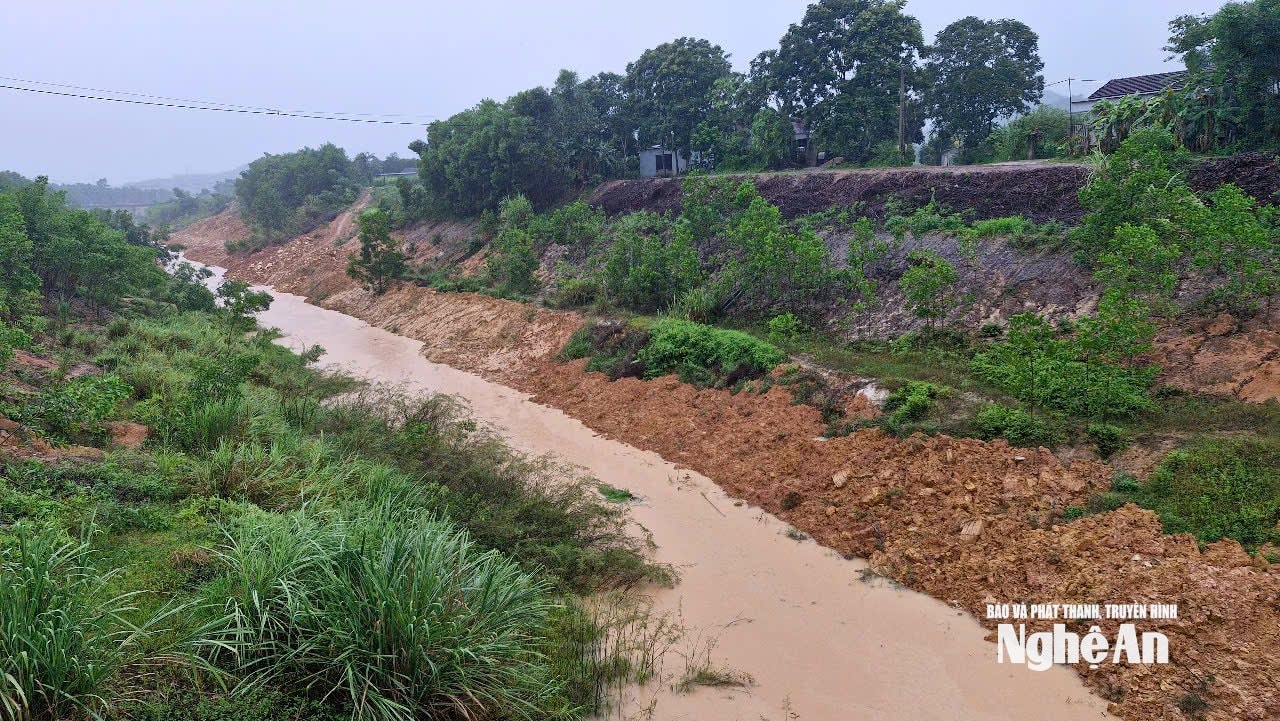
Regarding solutions to address existing problems in the Chau Binh drainage canal system and the erosion of gardens and residential land belonging to households on both sides of the canal, Nguyen Xuan Son, Head of the Construction Project Management Department of the Department of Agriculture and Environment, stated: “Solutions for vulnerable sections of the canal have been considered. Specifically, we will have to reinforce and harden vulnerable areas prone to erosion…”


