
Building a multi-layered "shield" for labor relations.
Before and after the 2026 Lunar New Year, labor relations in businesses are facing a double test. To address the issues arising in labor relations with the new workforce after downsizing, what specific solutions has the Nghe An Trade Union implemented?
Diep Thanh (compiled) - Publication date: 10/1/2026
Before and after the 2026 Lunar New Year, labor relations in businesses are facing a double test. To address the issues arising in labor relations with the new workforce after downsizing, what specific solutions has the Nghe An Trade Union implemented?
Reporters from Nghe An Newspaper and Radio and Television had an interview with Mr. Nguyen Chi Cong – Standing Vice Chairman of the Provincial Labor Union, Head of the Trade Union Affairs Committee of the Vietnam Fatherland Front Committee of Nghe An province to clarify this issue.
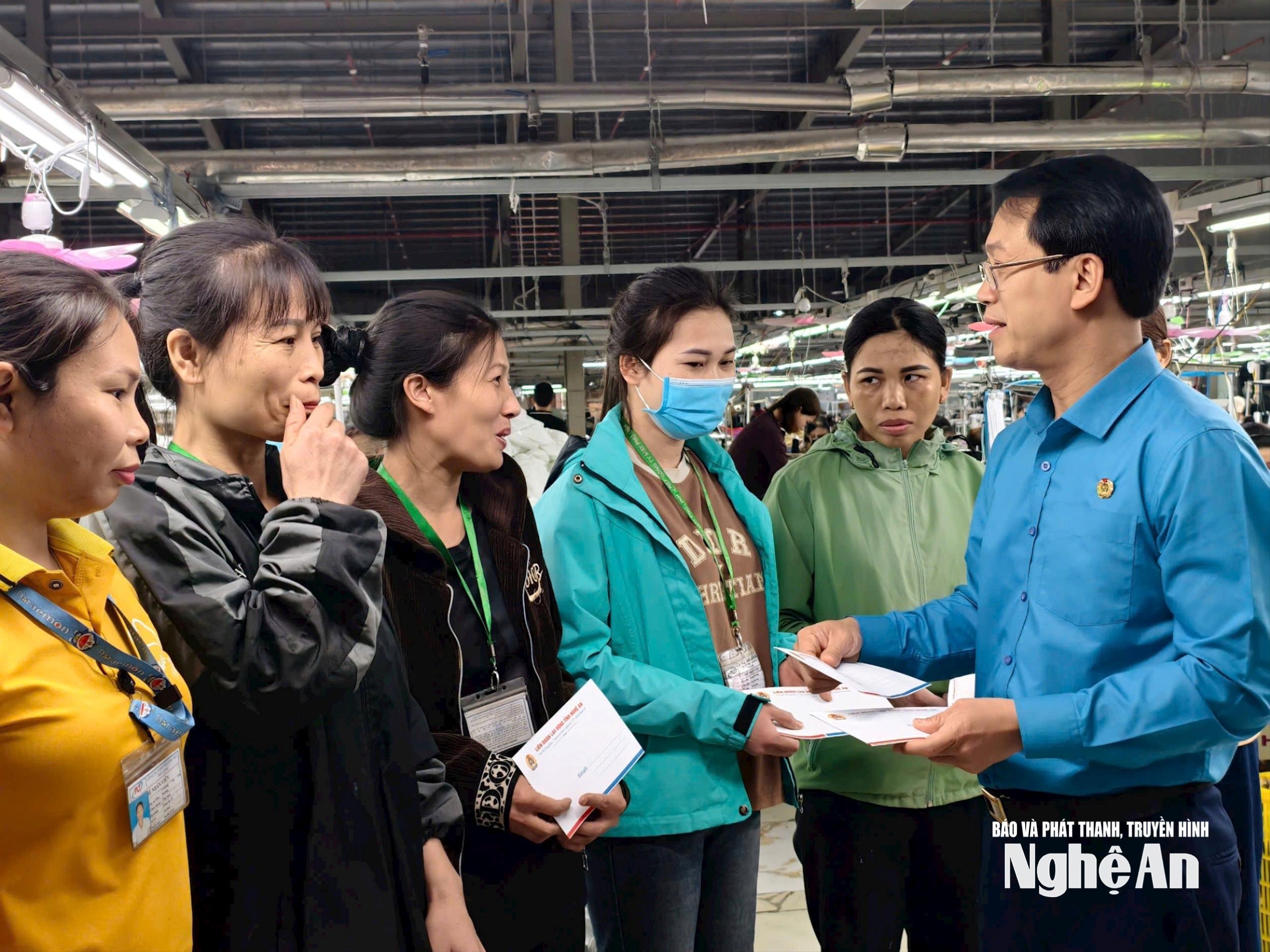
Mr. Nguyen Chi Cong:The end of 2025 is not simply a peak production period, but a real brain-racking problem.worker securityWith very new variables. In previous years, labor conflicts were often simply about workers demanding their rights, and if the issues were resolved promptly, the problems would be quickly settled. However, by the end of 2025, the situation will be much more complex, as two factors are directly impacting worker security in the area, and we are particularly concerned about them.
Firstly, there's the "synergy effect" between the new wage policy and the psychology of comparison. The government's adjustment of the regional minimum wage from January 1, 2026, with an increase of 7.1-7.3%, is very welcome news for workers. However, when this policy comes at a sensitive time before the Lunar New Year, it inadvertently creates an overly high "expectation threshold." Workers today tend to ignore factors such as geographical region or the specific financial capacity of each company. They only look at the absolute numbers:"Why did the company next door increase my salary by 350,000 VND while I only got a 250,000 VND increase?"good"Why together?""Is the salary lower in my workplace?".
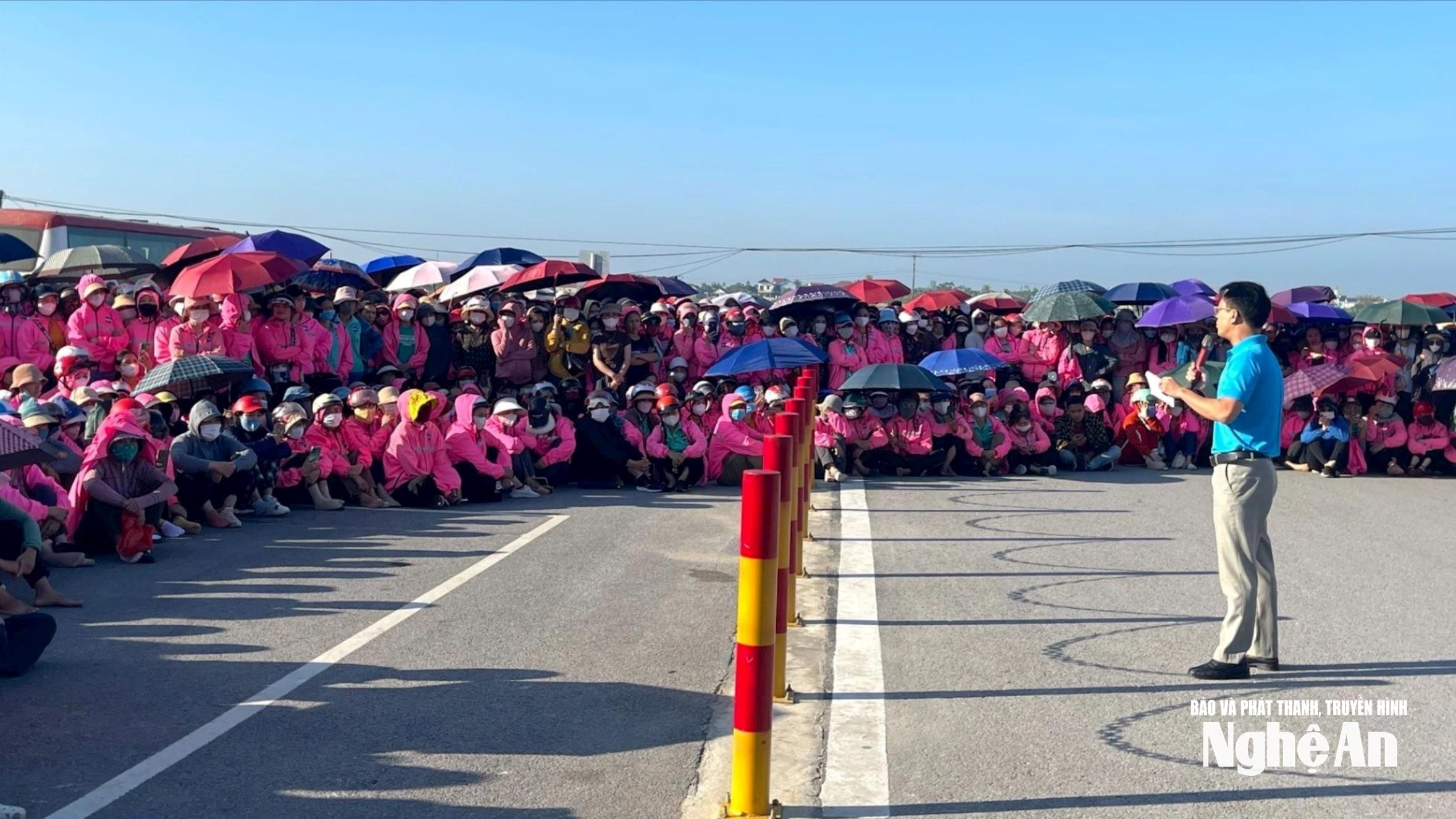
This subjective comparison, if not thoroughly explained by an objective "third party," can easily trigger spontaneous collective work stoppages. In fact, at present, trade union officials are closely monitoring the situation at the grassroots level to promptly resolve emerging conflicts.
Secondly, there are factors related to the restructuring and streamlining of the Trade Union organization after mergers. We clearly see a trend of new FDI enterprises shifting strongly to suburban areas such as Quynh Luu, Dien Chau, and Do Luong… The scattered location of factories outside concentrated industrial zones creates a major challenge in controlling the situation. When incidents occur, there will be a delay in accessing the scene and mobilizing support forces from the province or functional units. This creates opportunities for malicious elements to easily exploit the situation and incite workers to cause disorder, which the Trade Union organization will find difficult to address in a timely manner.
Furthermore, following the streamlining and reorganization of the organizational structure according to Resolution No. 18 from July 1, 2025, the majority of our trade union officials are new personnel. They are enthusiastic but have not yet had the opportunity to hone their practical skills and ability to handle complex collective work stoppage situations. In 2025, we successfully resolved five collective work stoppages, a result of our extraordinary efforts. At this end-of-year period, with the pressure significantly increasing, these "new recruits" must face a challenging test.
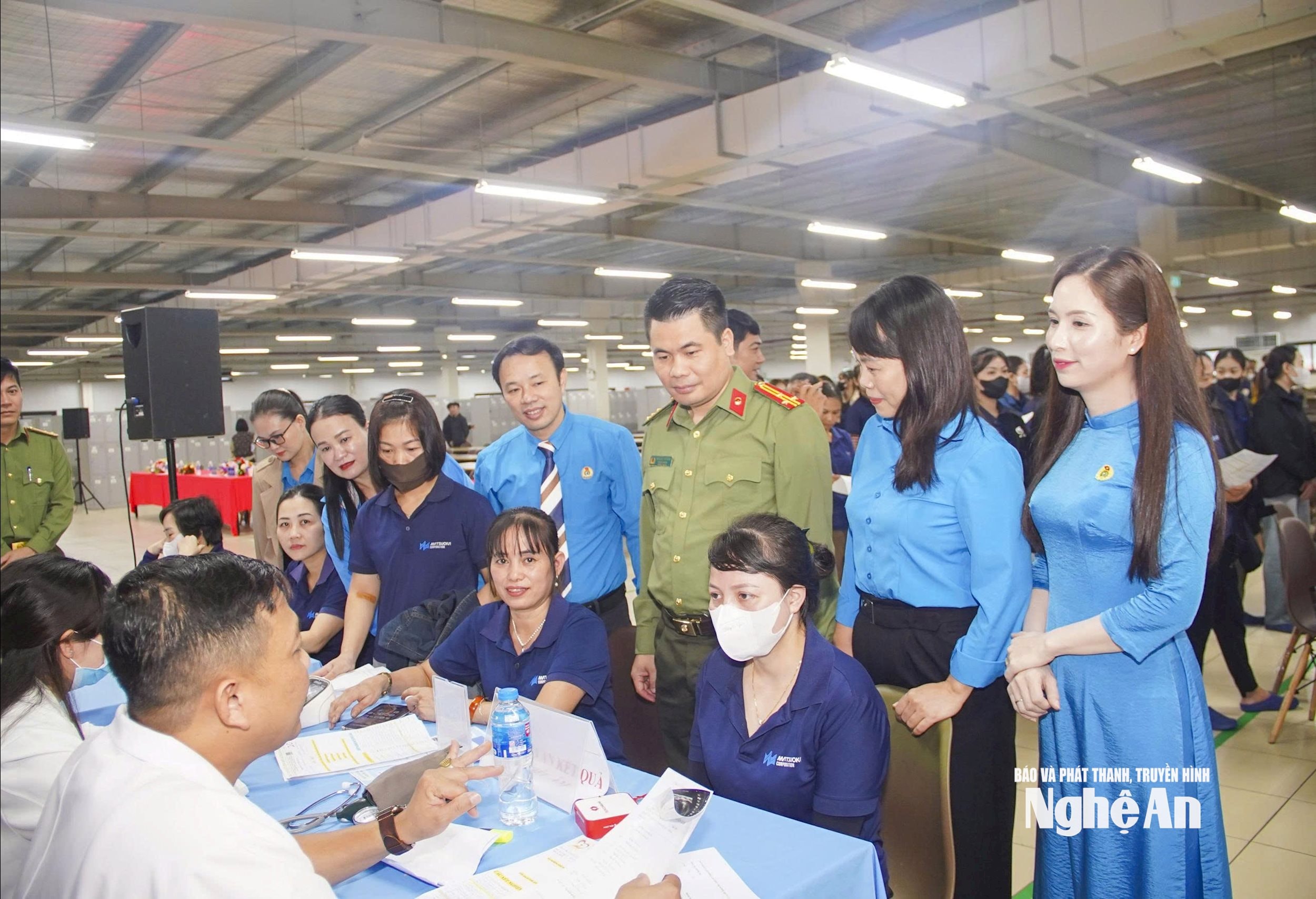
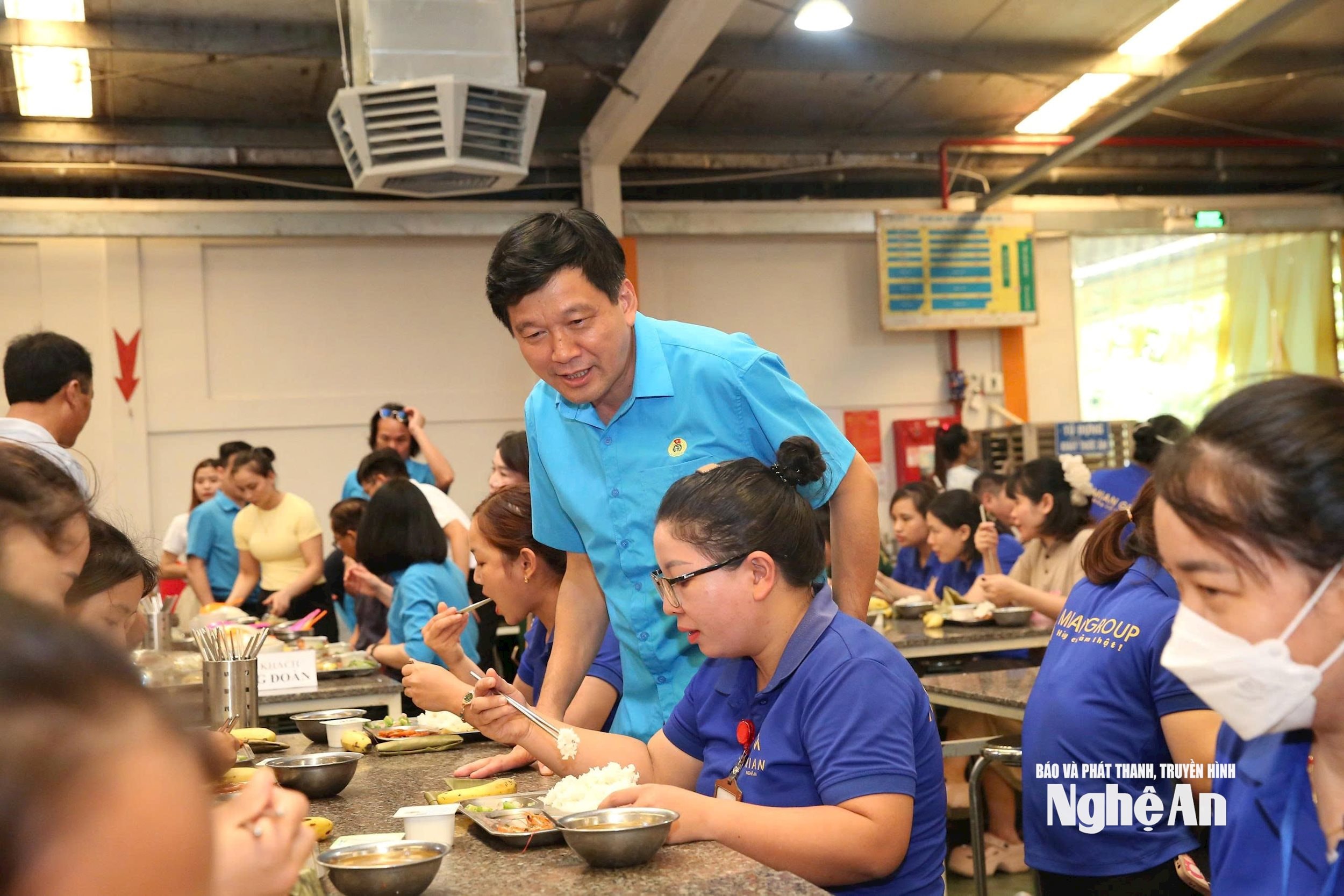
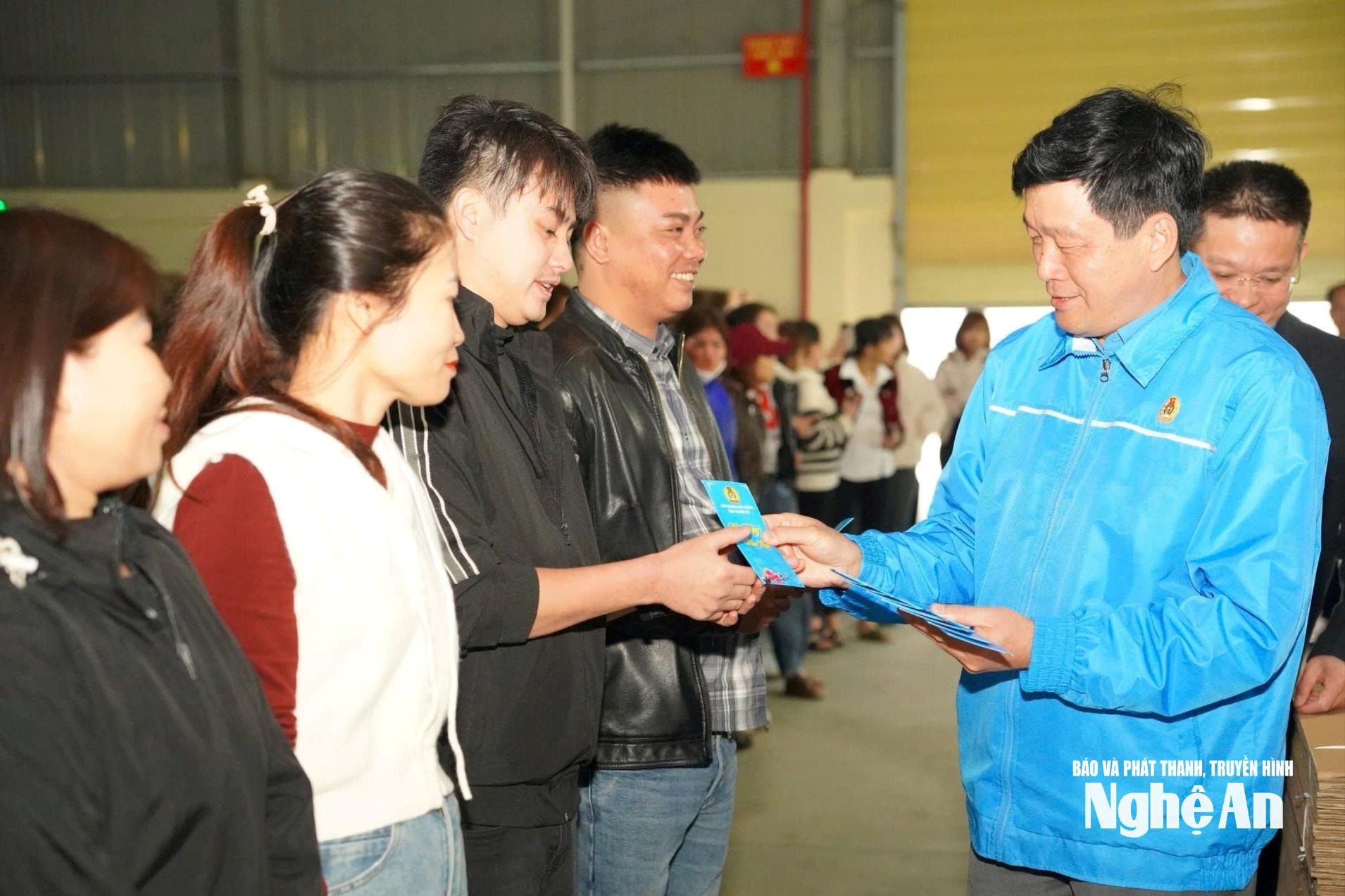
Mr. Nguyen Chi Cong:To address the psychological issue of "comparing" workers' incomes and help them understand the true value of their earnings in the context of the regional minimum wage adjustment at the beginning of 2026, the Nghe An Provincial Trade Union is simultaneously implementing the following three key initiatives:
Firstly, at businesses, we disseminate information and clarify regulations regarding the minimum wage and the obligations and responsibilities of businesses in implementing these regulations. Workers often focus only on the increase in regional wages without considering which region their company belongs to or whether it has complied with the regulations. At the same time, we clearly explain to workers that the minimum wage is only a baseline, while actual income includes productivity-based pay, seniority allowances, attendance bonuses, meal allowances, and social welfare packages…
Secondly, we need to leverage the "arbitrator" role of the Trade Union to ensure legitimacy. In reality, when business owners explain zoning or financial difficulties, workers often become skeptical, leading to resentment. At this point, the Provincial Trade Union requires its officials to have a firm grasp of legal documents and government regulations to directly explain the situation. We make maximum use of official information channels such as the "Nghe An Trade Union" app and the Provincial Trade Union's Facebook page to post instructions on how to calculate the new salary in the simplest and easiest-to-understand way. When workers receive official information from the Trade Union, they will feel more secure, reducing the likelihood of malicious elements exploiting their feelings of resentment to incite illegal strikes.

Thirdly, we need to strengthen negotiations on Collective Bargaining Agreements (CBAs) to bridge regional disparities. The most sustainable approach is through negotiation. We guide grassroots trade unions to proactively propose to employers the inclusion of other benefits such as Tet bonuses, transportation allowances for returning home for the holidays, or increased meal allowances in the agreements.
By 2025, we aim to achieve an 85.4% rate of businesses signing collective bargaining agreements; incorporating these "beyond legal standards" provisions into the agreements so that workers can see that the overall benefits they receive from the care of the trade union and the enterprise are fair and commensurate with their efforts.
In summary, our approach is to promote transparency, use dialogue as a tool to resolve subjective comparisons, and help workers understand that sustainable income must be based on commitment to the company and suitability to real-world conditions.
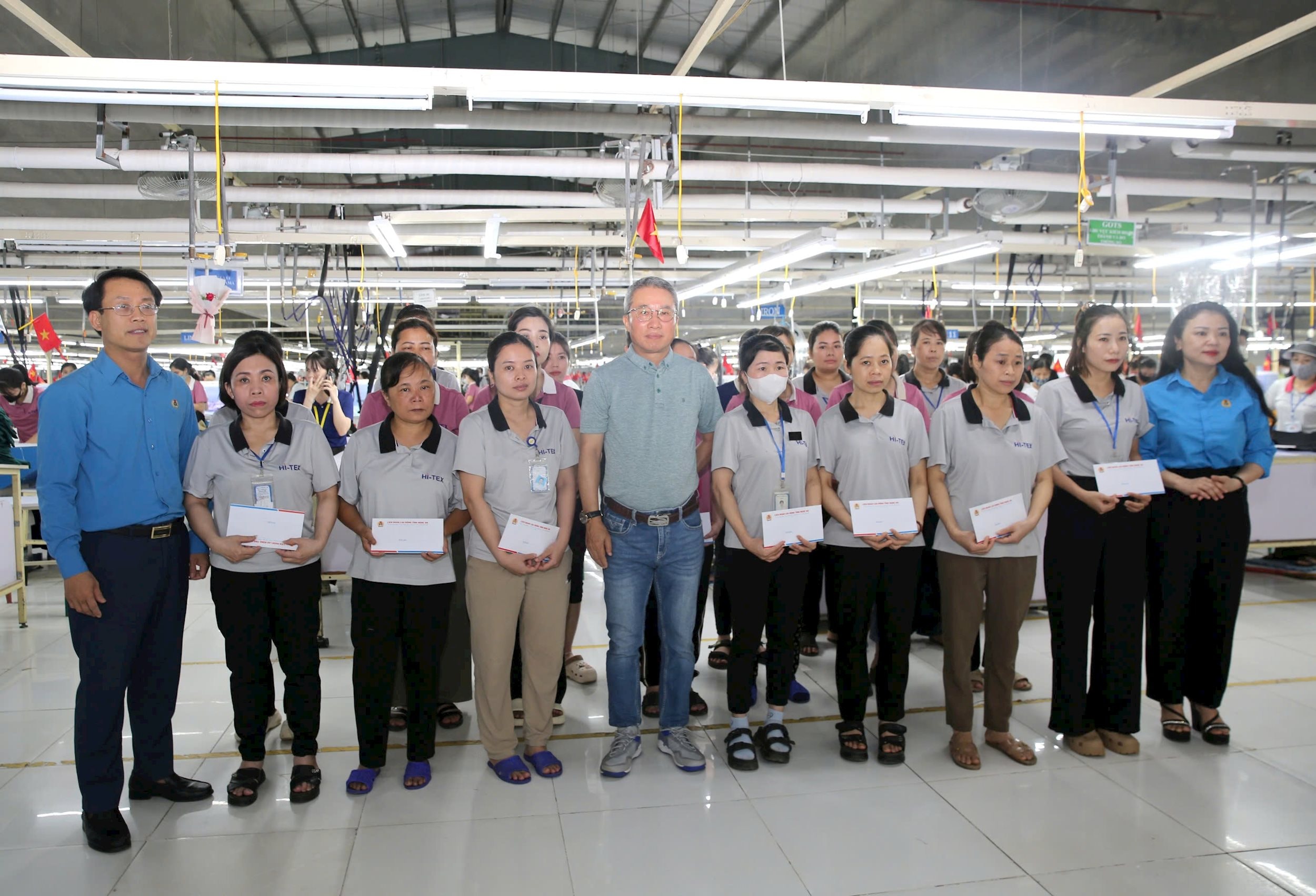
For businesses facing genuine difficulties, the Provincial Trade Union will prioritize allocating social welfare support packages from the Trade Union budget and social contributions. We will bring programs such as "Tet Reunion," "Trade Union Tet Market," and "Trade Union Meal" directly to these factories. Gifts from the Trade Union organization and free bus tickets will help alleviate the financial burden on business owners while ensuring that workers still have a warm and joyful Tet holiday.
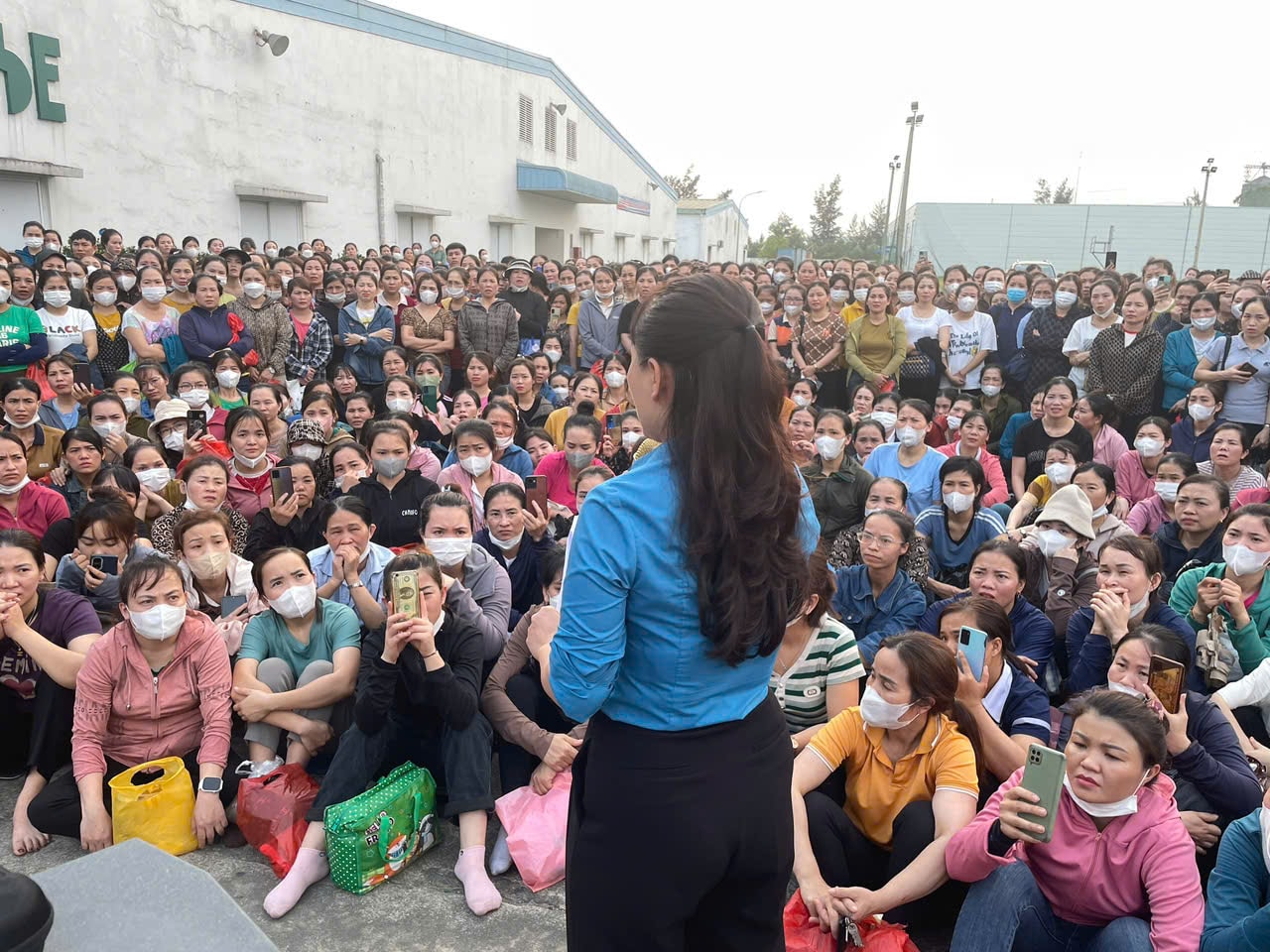
Mr. Nguyen Chi Cong:Resolution 18 on streamlining the organizational structure is a sound policy, but it also presents the Nghe An Trade Union with an unprecedented personnel challenge. Approximately 80% of the newly appointed officials take up their positions at a time when labor relations are highly volatile and complex, posing a significant test of their capabilities.
However, I believe that a lack of experience does not equate to a lack of competence. My greatest expectation for this team is a change in approach: shifting from handling situations based on emotion to operating according to professional procedures. The Provincial Labor Union has issued practical scenarios and provided hands-on guidance so that grassroots officials know exactly what to do when a spontaneous collective work stoppage occurs. Once the procedures are standardized, the initial confusion of newcomers will be replaced by discipline and precision.
Another important support I place my trust in is the advantage of the younger generation's responsiveness in the digital age. Unlike previous generations, most current trade union officials are knowledgeable about social media. In the context of collective work stoppages often originating from Zalo and Facebook groups, this group will be the earliest source of information to understand the thoughts and aspirations of workers. They are the key force for us to identify and resolve unrest from the moment it becomes a matter of grievances in the online space, before it escalates into a mass protest at the factory gates.
Finally, I want to emphasize that new officials never have to operate in isolation. Behind them is a multi-layered support system of the Provincial Trade Union, from the Task Force for Resolving Illegal Strikes to a team of experienced legal experts. In addition, there is coordinated support from functional agencies such as the Commune People's Committee, the Economic Zone Management Board, and the Provincial Police... I expect the new officials to maximize their spirit of daring to think and engage in dialogue, using the sincere language of the workers to persuade them, while always maintaining composure to connect and coordinate with superiors and relevant units in complex situations.
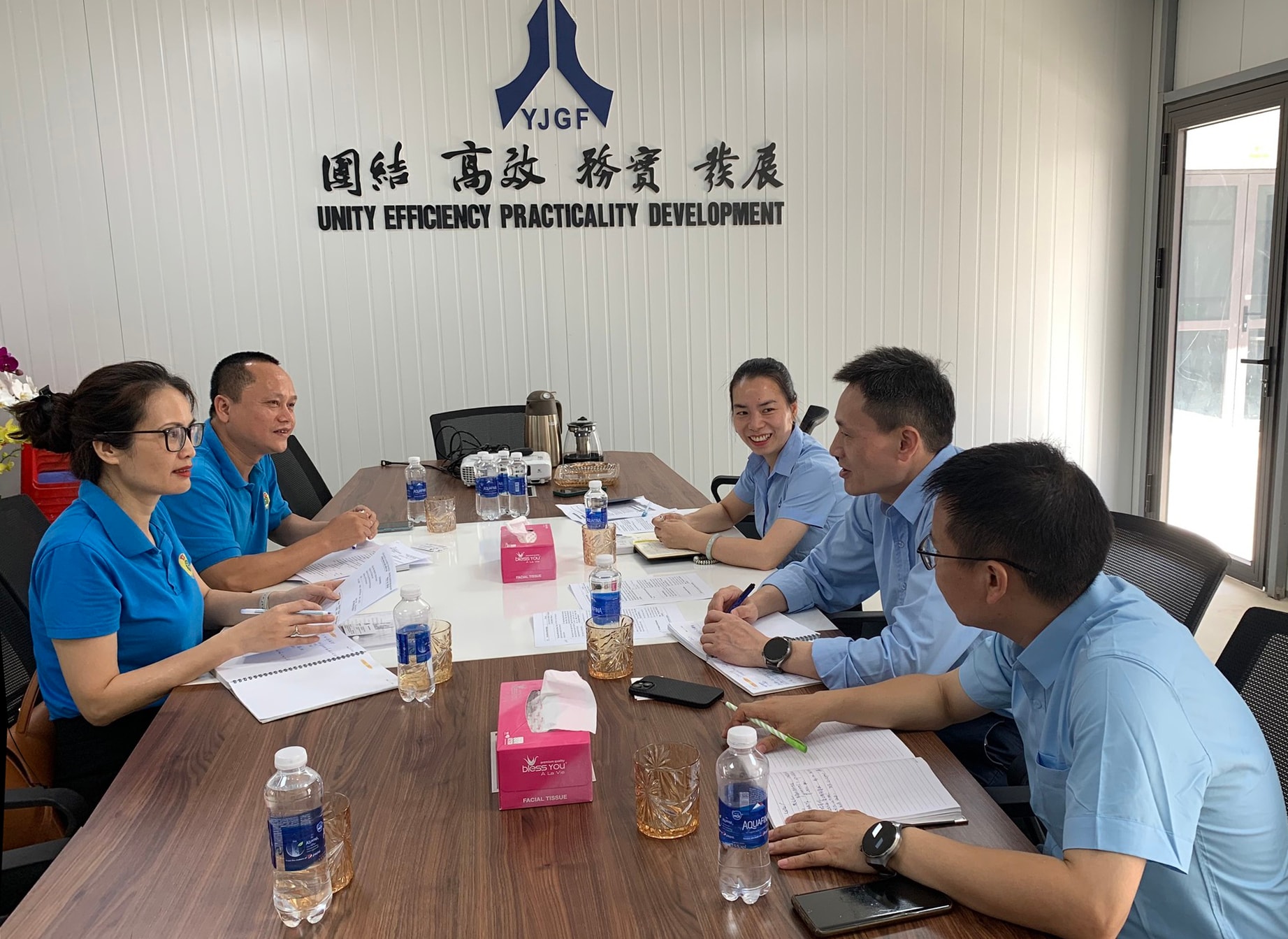
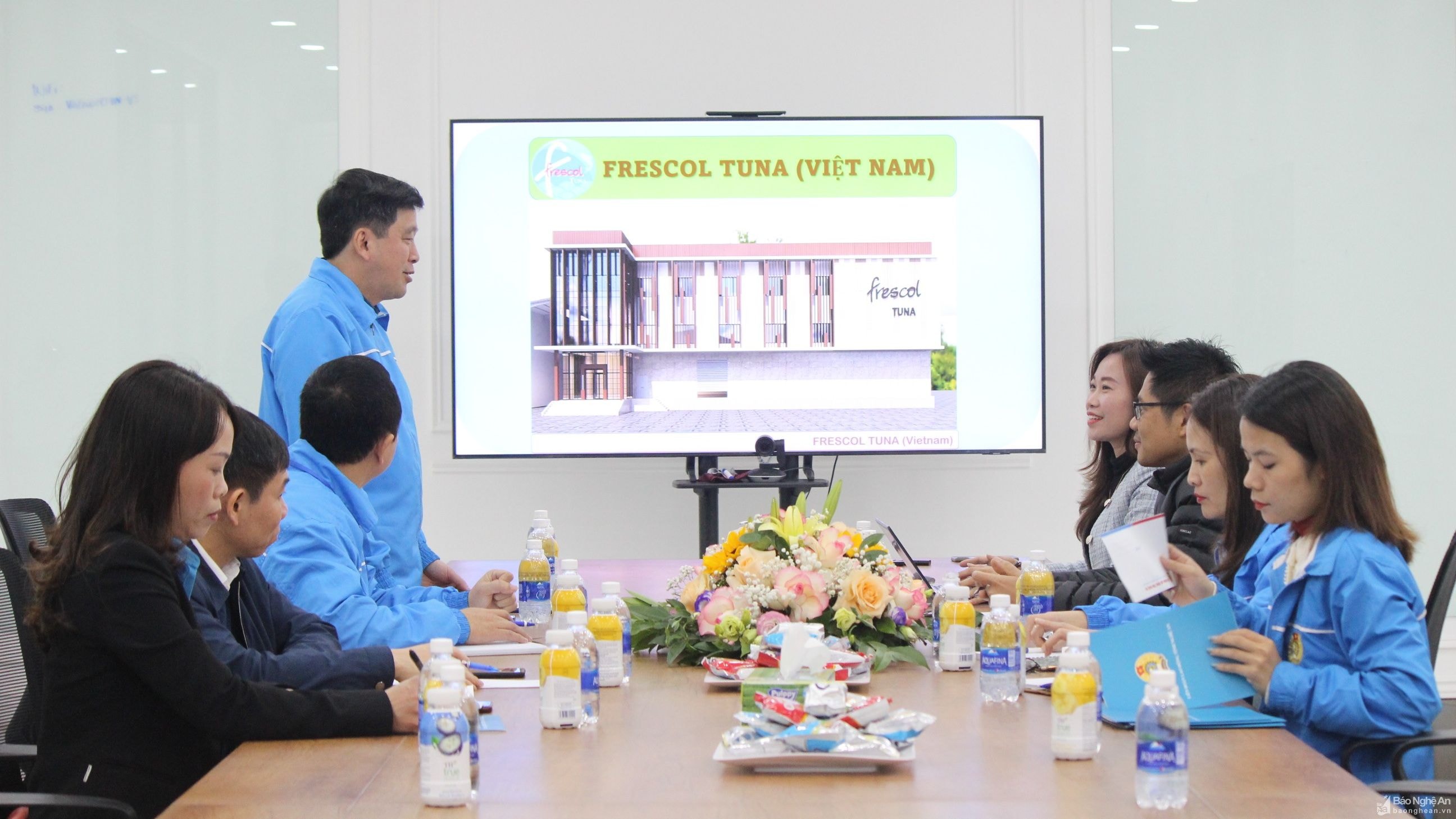
The enthusiasm of youth, combined with scientific processing procedures and support from the system, is the solution to the current worker security problem. We are not only resolving incidents but also building a new generation of trade union officials: professional, modern, and truly working alongside the workers.
Mr. Nguyen Chi Cong:Experience has shown that worker security is not an independent goal but rather the result of a healthy labor relations ecosystem. In this ecosystem, the State, trade unions, and enterprises are three inseparable pillars. To maintain this stability, I propose that the roles of each party need to be more clearly defined.
Workers' security stems from fairness. When the government issues policies and regulations, the role of state management agencies such as relevant departments and the police force is to strictly monitor their implementation. We need more decisive inter-agency inspection teams, not waiting for collective work stoppages to occur before addressing issues, but immediately reviewing and rectifying businesses showing signs of violating wage and bonus regulations or deliberately circumventing the law. When the State maintains discipline and creates a fair playing field, workers will have faith in the law and will not need to resort to spontaneous measures to demand their rights.
At the same time, the role of local authorities and grassroots police forces is also extremely important. For businesses located outside industrial zones, close coordination between the trade union and local authorities will ensure that when signs of unrest appear, local authorities and trade union officials will immediately approach the scene to resolve the issue. The timely presence of the authorities is not only to maintain order but also to protect the legitimate rights of all parties, preventing external instigators from complicating labor relations.
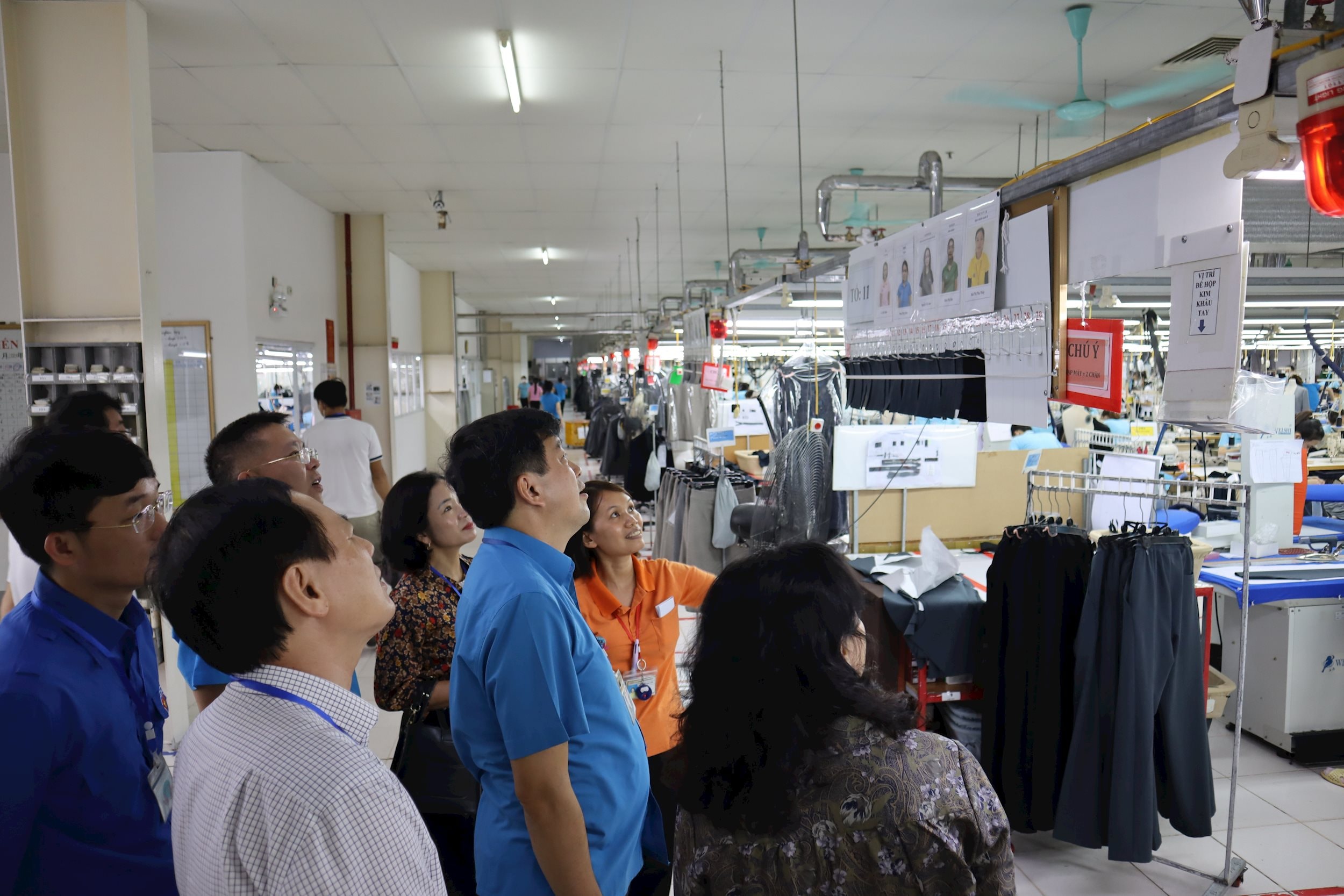
For businesses, I hope some employers will shift their mindset from "reactive" to "self-management and partnership." Businesses need to understand that the cost of caring for workers' well-being and transparency in Tet bonuses is not a loss, but an "investment in stability." A sustainable business is one that values on-site security and proactively establishes regular internal dialogue channels. Don't wait until workers are upset before inviting the trade union to intervene. When businesses proactively disclose their financial situation and sincerely share their difficulties, they create the strongest shield from within the factory.
Ultimately, the role of trade unions must be that of a connector. Unions do not take extreme sides. Our role is to bring workers and businesses closer together through quality collective bargaining agreements.Trade UnionIt will be the party that monitors businesses in fulfilling their commitments, and at the same time advises the State on policies that are directly relevant to the lives of workers.
I believe that when the State is strict, businesses are transparent, and trade unions are genuine, all looking in the same direction for the stability of labor relations and the development of the province, then all instability or conflicts will be resolved in a humane and thorough manner.


