
10 bad money habits you should know to avoid.
Complaining about money to those poorer than yourself, borrowing money and not repaying it on time... these are behaviors that annoy those involved. Below are some common daily transgressions regarding etiquette related to money:
Comment on other people's spending choices.
|

If you invite friends to go on vacation and they decline, comments like, "But your salary is higher than mine," won't change their minds and will only annoy them.Also, don't criticize other people's spending habits behind their backs. Maybe your colleague went to an overly expensive hair salon or bought a cheap souvenir, but that's their choice and their money.
Don't disregard other people's financial situations when making plans.
|
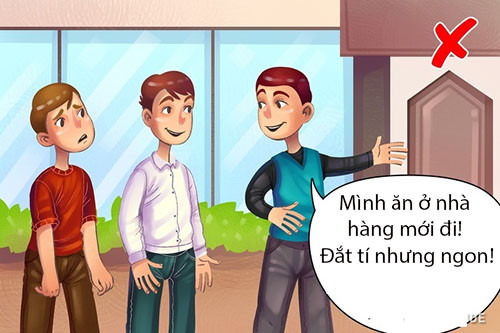
If your friend is paying off debt or saving for an upcoming vacation, don't insist on going to a fancy restaurant. It's better to ask them what they'd like to go to and then agree on a place together.
Don't disregard other people's budgets when soliciting contributions.
|
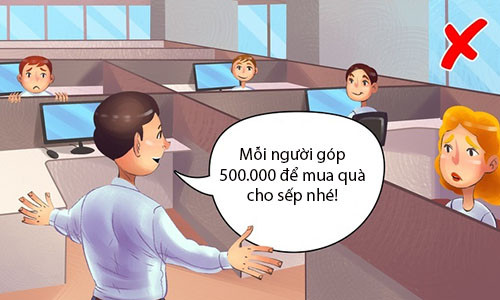
If you want to contribute money to buy a gift for friends or colleagues, don't assume that the amount you want is suitable for everyone. Imagine: someone can only contribute 200,000 VND, but you ask for 500,000 VND – how would they feel? Ask for everyone's opinion on how much they can contribute or consider what amount is reasonable for everyone.
Unfairly splitting the bill when eating out.
|
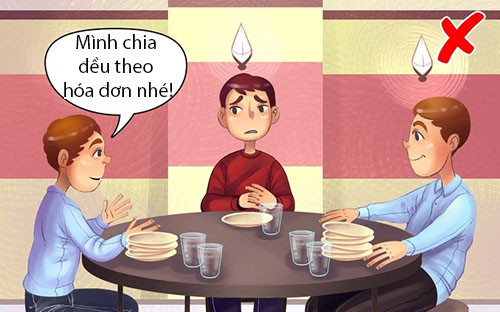
When it comes time to split the bill at a restaurant or bar, make sure that no one who ordered nothing pays. Some people might eat little or even just order a beer instead of an expensive dish, so splitting the bill equally isn't ideal. A simpler approach is for each person to pay for what they ordered.
Don't pay your friends fairly for helping them with something.
|
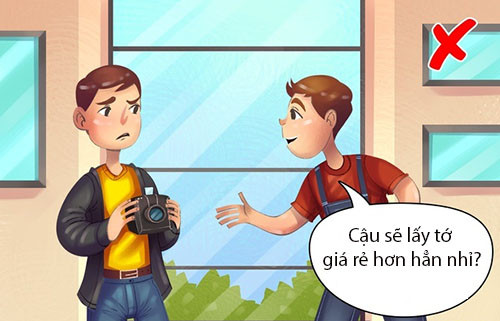
It's great if your friend is a talented photographer or a skilled hairdresser, but a close relationship doesn't automatically mean a discount. They've invested time and effort into their work, so you should pay them fairly.
Complaining about money to people with lower incomes.
|
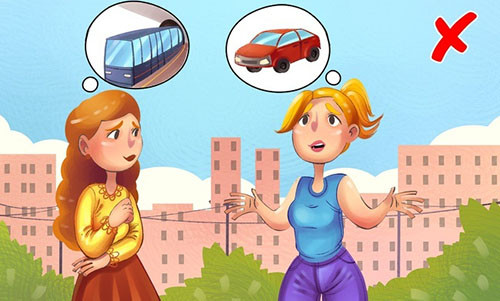
You've been dreaming of the new TV for a long time, but the price is still high, and you have to wait longer. That's not a pleasant feeling, but it's probably even more frustrating for someone who's been saving for two months and still can't afford a microwave, having to listen to your complaints.
Being nosy about the prices of other people's belongings.
|
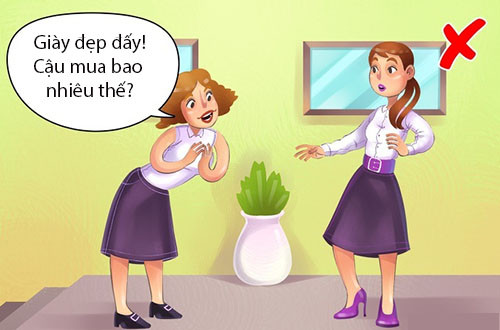
Many people dislike being asked about their salary but don't mind asking questions like, "How much is your rent?" or "Are those shoes expensive?"... Keep these kinds of questions to yourself if you don't want to embarrass others.
If someone asks you questions like that, you don't have to answer; you can simply reply, "I don't like talking about that," or "Why do you want to know?"
Failure to repay debts on time.
|

If you borrow money from someone, you should clearly state when you will repay it and remember the deadline. If you can't remember the exact date, you must inform the other person. Don't take offense if someone refuses to lend you money. Friends are friends; no one is obligated to "finance" you.
Feeling obligated to lend money to others.
|

Some people don't lend money to family and friends, and they have their reasons. If you still want to lend, make sure it doesn't negatively impact your budget and relationships.Don't criticize yourself either. If you feel embarrassed, you can say that you need the money for something or to pay off a debt.
Don't lecture others about money.
|

Even if you intend to help someone, don't advise them on how to spend their money. You may be good at saving and earning money, but advice is only valuable when people need it, so it's better to wait until they ask before giving it.


