
11 things you need to do right now to live longer.
Eating a nutritious diet and exercising regularly can increase your lifespan. Other factors, such as overeating and excessive alcohol consumption, can increase the risk of certain diseases.
Many people believe that lifespan is largely determined by genetics. However, genes play a much smaller role; environmental factors such as diet and lifestyle are key.
Here are 11 habits associated with a long life:
Avoid overeating.
According tographlineThe link between calorie intake and lifespan is currently attracting a great deal of attention. Animal studies suggest that reducing normal calorie intake by 10-50% may help increase maximum lifespan.
Studies on long-lived individuals have also shown a link between low calorie intake, increased longevity, and a lower risk of disease. Furthermore, calorie restriction can help reduce excess body weight and abdominal fat, both of which are associated with shorter lifespans.
However, long-term calorie restriction can have side effects such as increased hunger, low body temperature, and decreased libido.
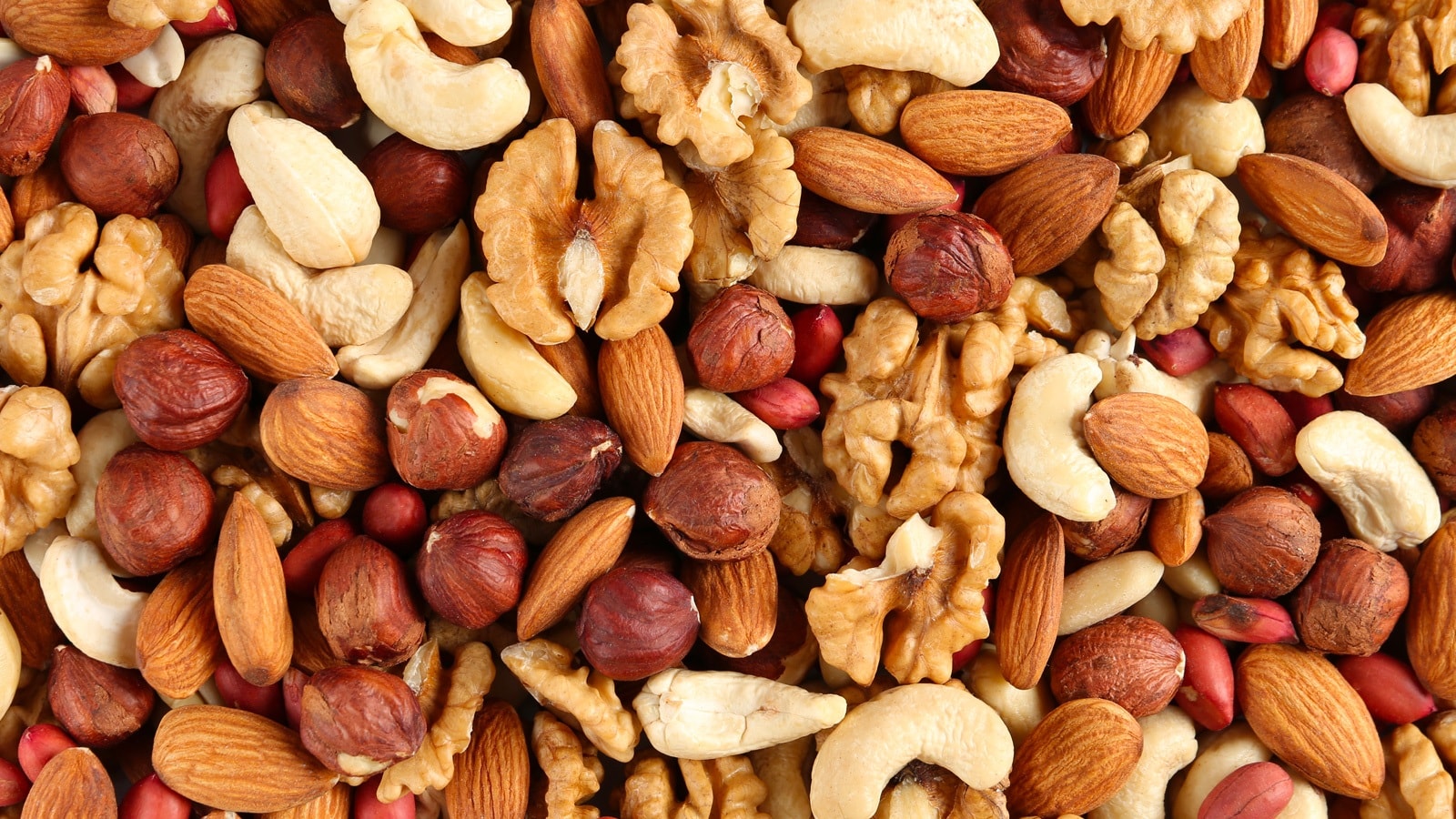
These nuts are rich in protein, fiber, antioxidants, vitamins, and minerals... Photo: Gettyimages
Eat more nuts.
Nuts are incredibly nutritious foods. They are rich in protein, fiber, antioxidants, and beneficial plant compounds. Furthermore, they are a good source of many vitamins and minerals, such as copper, magnesium, potassium, folate, niacin, and vitamins B6 and E.
Several studies suggest that nuts have beneficial effects on heart disease, high blood pressure, inflammation, diabetes, metabolic syndrome, abdominal fat, and even some forms of cancer. One study found that people who consumed at least three servings of nuts per week had a 39% lower risk of premature death.
Try turmeric.
When it comes to anti-aging strategies, turmeric is an excellent choice. That's because this spice contains a powerful bioactive compound called curcumin. Due to its antioxidant and anti-inflammatory properties, curcumin is believed to help maintain brain, heart, and lung function, as well as protect against cancer and age-related diseases.
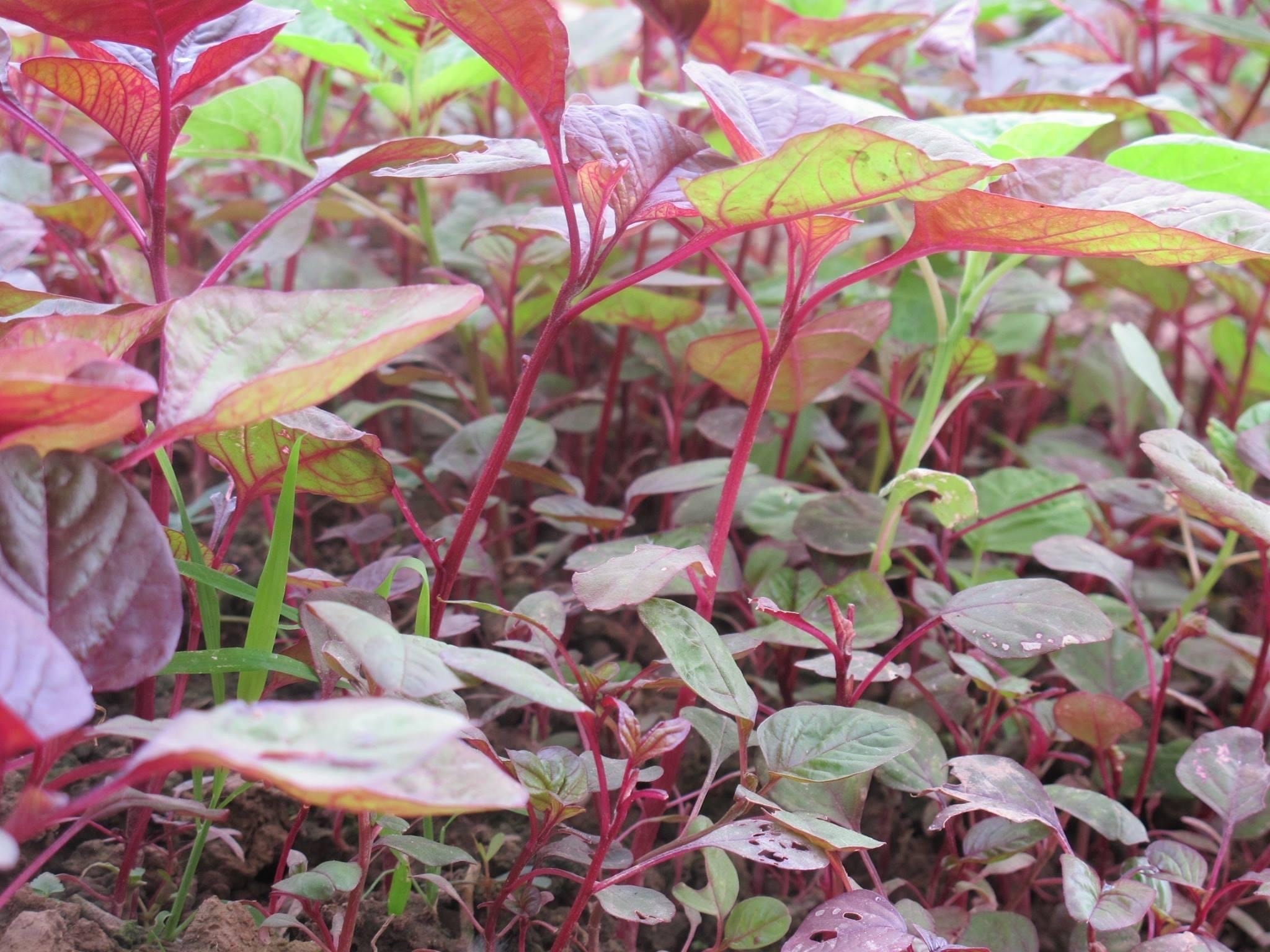
A diet rich in plant-based foods offers many health benefits. (Illustration: NP)
Eating plenty of plant-based foods is good for your health.
Consuming a wide variety of plant-based foods, such as fruits, vegetables, nuts, seeds, whole grains, and legumes, can reduce the risk of disease and increase longevity. Numerous studies link plant-rich diets to a reduced risk of premature death, as well as a reduced risk of cancer, metabolic syndrome, heart disease, depression, and more.
These effects are due to the nutrients and antioxidants in plant-based foods, including polyphenols, carotenoids, folate, and vitamin C.
Maintain physical activity.
It's no surprise that maintaining physical activity can help you stay healthy and live many years longer. Exercising every day can help you achieve benefits that could add up to 3 years to your lifespan. Furthermore, your risk of premature death can decrease by 4% for every 15 minutes of daily physical activity.

Maintaining regular physical activity offers numerous health benefits. Photo: TA
A recent review found that the risk of premature death was 22% lower in people over 60 who exercised, even though they exercised less than the recommended 150 minutes per week. Those who met the recommended 150 minutes had a 28% lower risk of premature death.
Don't smoke.
Smoking is strongly linked to disease and premature death. Overall, smokers may lose up to 10 years of life expectancy and have a three times higher risk of premature death compared to those who have never smoked.
A recent review suggests that quitting smoking before age 40 will prevent almost all smoking-related deaths. Remember, it's never too late to quit. One study reported that people who quit smoking at age 35 may extend their lifespan by up to 8.5 years.
Furthermore, quitting smoking at age 60 can extend your lifespan by up to 3.7 years. In fact, quitting at age 80 can still be beneficial.
Drink alcohol in moderation.
Excessive alcohol consumption is linked to liver, heart, and pancreatic diseases, as well as an increased risk of premature death.
Some studies suggest that wine, when consumed in moderation, is considered particularly beneficial due to its high polyphenol antioxidant content. However, it is important to note that no strong studies indicate that the benefits of moderate wine consumption outweigh the benefits of abstaining from alcohol.
In other words, you don't need to start drinking alcohol if you don't drink regularly.
Prioritize your happiness.
Feeling happy can significantly increase your lifespan. In fact, happier people had a 3.7% lower rate of premature death during the 5-year study period. A review of 35 studies found that happier people may live up to 18% longer than less happy people.
Avoid chronic stress and anxiety.
Anxiety and stress can significantly reduce your lifespan. For example, women who are stressed or anxious are thought to have twice the risk of dying from heart disease, stroke, or lung cancer. Similarly, the risk of premature death is three times higher in anxious or stressed men compared to those who are more relaxed.
If you're feeling stressed, laughter and optimism can be two key components of the solution.
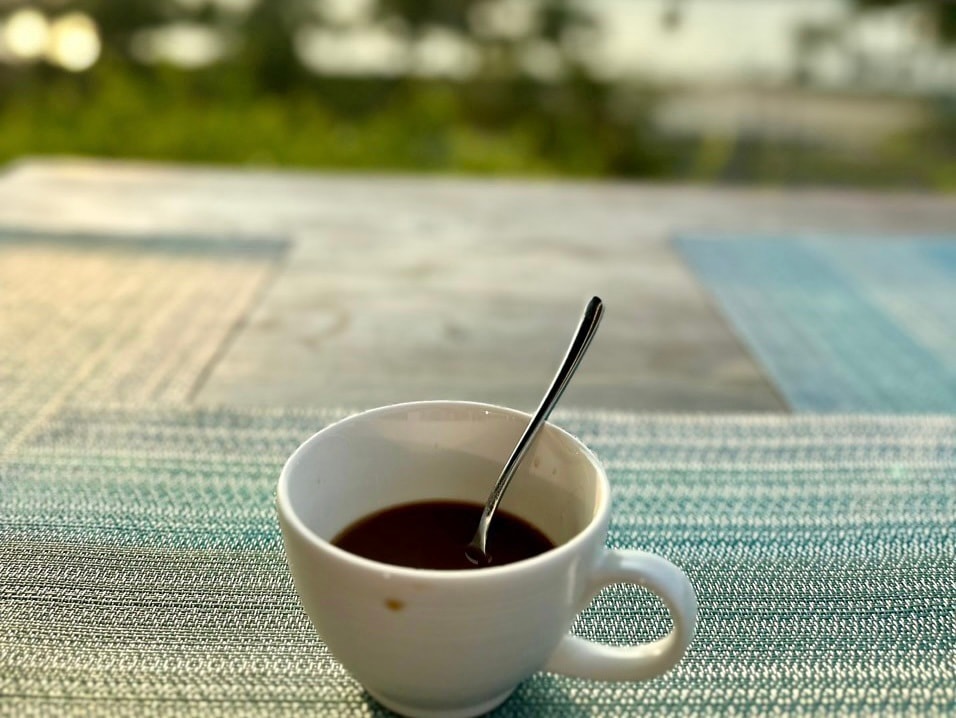
Coffee is a popular beverage that is especially good for the liver. Photo: NP
Drink coffee or tea.
Both coffee and tea have been linked to a reduced risk of chronic diseases. For example, polyphenols and catechins found in green tea may reduce the risk of cancer, diabetes, and heart disease.
Similarly, coffee has been linked to a reduced risk of type 2 diabetes, heart disease, some cancers, and brain diseases such as Alzheimer's and Parkinson's.
In addition, both coffee and tea drinkers benefit from a 20-30% lower risk of premature death compared to non-drinkers.
According to Traditional Medicine Practitioner Phung Tuan Giang, Chairman of the Vietnam Institute for Research and Development of Traditional Medicine, many studies show that green tea is considered one of the top health-beneficial beverages.
"Regularly drinking this tea can reduce the risk of heart disease or Alzheimer's disease, help us maintain better bone mineral density, and prevent eye diseases that affect vision in old age. At the same time, it also helps prevent stroke, fight cancer, combat metabolic disorders, and prolong life," emphasized Traditional Medicine Practitioner Giang.
According to him, antioxidants and other beneficial compounds found in green tea include flavonoids and catechins such as EGCG, quercetin, linoleic acid, theobromine, and theophylline.
Just remember that too much caffeine can also lead to anxiety and insomnia, so you may want to limit your consumption to the recommended limit of 400mg per day, about 4 cups of coffee. Also, it typically takes 6 hours for the effects of caffeine to wear off.
Develop a good sleep routine.
Sleep is crucial for regulating cellular function and helping your body recover. A recent study reported that longevity may be linked to regular sleep habits, such as going to bed and waking up at the same time each day.
Sleep duration also appears to be a factor; too little and too much sleep are both harmful. For example, sleeping less than 5-7 hours per night is associated with a 12% higher risk of premature death, while sleeping more than 8-9 hours per night can reduce your lifespan by up to 38%.
Sleeping too little can also promote inflammation and increase the risk of diabetes, heart disease, and obesity. All of these are linked to a shortened lifespan. On the other hand, sleeping too much can be associated with depression, reduced physical activity, and other factors that can negatively impact your longevity.


