
7 easy-to-make drinks at home that help lower blood fat.
Many different beverages, including green tea, soy milk, and tomato juice, contain compounds that may help lower or control cholesterol levels.
Cholesterol is a type of fat that the body uses to create cells and hormones. High-density lipoprotein (HDL) and low-density lipoprotein (LDL) are two different types of cholesterol.
HDL is the good cholesterol, and you should increase it for optimal health. Conversely, LDL is the bad cholesterol, and lower levels can help improve health. Additionally, drinks that increase HDL or decrease LDL levels may be helpful.
When cholesterol levels are above a certain threshold, it increases the risk of serious health conditions, such as stroke or heart attack. However, optimal levels can vary from person to person.
Here are 7 of the best drinks to improve cholesterol levels:
1. Soy milk
According toMedical News TodaySoybeans are low in saturated fat. Replacing saturated fats with soy products may help lower or control cholesterol levels.
The U.S. Food and Drug Administration (FDA) recommends consuming 25 grams of soy protein daily as part of a diet low in saturated fat and cholesterol to help reduce the risk of heart disease.
Additionally, it is best to consume soybeans in their whole form and minimally processed with little or no added sugar, salt, and fat.
Heart UK recommends consuming 2-3 servings of soy-based foods or drinks daily, with one serving equivalent to 250ml of soy milk. People can check the nutritional information label on soy drinks to see how much soy protein they contain.
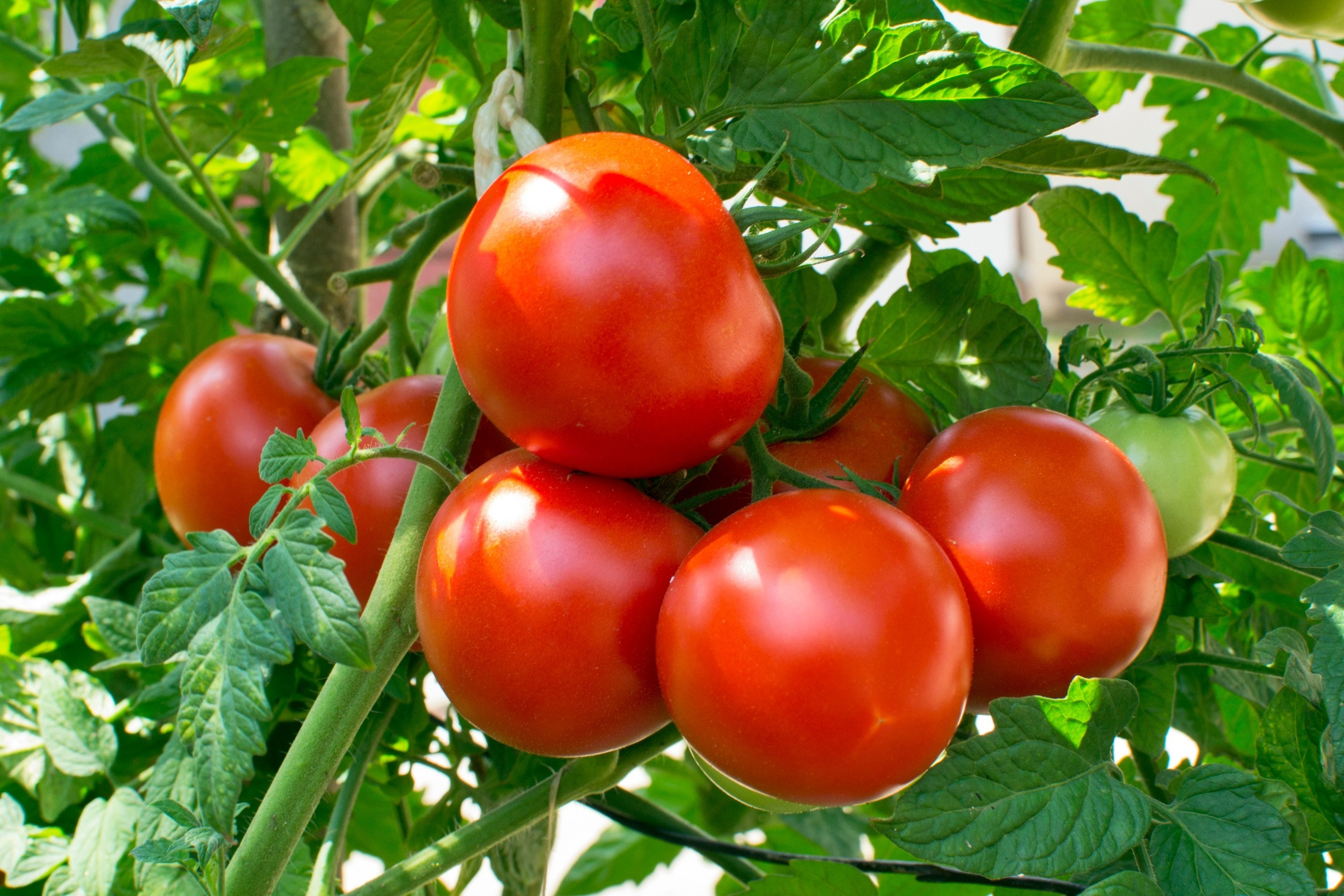
Tomatoes are a nutritious and healthy food. Photo: Istock
2. Tomato juice
Tomatoes are rich in a compound called lycopene, which can improve lipid levels and lower LDL cholesterol. Research shows that processing tomatoes into juice increases their lycopene content. Tomato juice is also rich in fiber, which lowers cholesterol, and niacin.
A 2019 study showed that unsalted tomato juice helped improve serum LDL cholesterol levels in 260 Japanese adults over a year.
3. Fruit smoothiedream
Many types of berries are rich in antioxidants and fiber, which can help lower cholesterol levels. In particular, anthocyanins, a powerful antioxidant found in berries, may help improve cholesterol levels. Berries are also low in calories and fat.
To incorporate berries into your diet, you can make a berry smoothie by mixing two handfuls—about 80 grams—of any berries. Combine the berries with 1/2 cup of milk or low-fat yogurt and 1/2 cup of cold water.
Examples of berries include strawberries, blueberries, blackberries, raspberries, etc.

Strawberries are rich in antioxidants and fiber, which can help lower cholesterol levels. Photo: Hong Hai
4. Itemsdrinks made from cocoa
Cocoa is the main ingredient in dark chocolate. It contains antioxidants that doctors call flavanols, which may improve cholesterol levels. According to a 2022 review, cocoa products may lower LDL and total cholesterol, although they may not significantly affect HDL cholesterol levels.
However, processed chocolate drinks can be high in saturated fat. People may want to limit chocolate with added sugar, salt, and fat.
5. Green tea
Green tea contains catechins and other antioxidant compounds that appear to help lower LDL and total cholesterol levels.
Researchers in a 2020 study examined the effects of epigallocatechin gallate (EGCG), another beneficial antioxidant in green tea, on human, animal, and in vitro (laboratory) models.
In a human model, researchers associated higher green tea consumption with lower LDL cholesterol levels. In an animal model, EGCG reduced levels of a certain enzyme and lowered LDL cholesterol levels.
According to research in a 2021 review, black tea may also have a positive effect on cholesterol.
6. Oatmeal drink
Oats contain beta-glucans, which create a gel-like substance in the gut and interact with bile salts. These soluble fibers may inhibit cholesterol absorption and help lower cholesterol levels.
A 2018 review found that oat-based drinks, such as oat milk, may help lower cholesterol more consistently than solid oat products. A 250ml glass of oat milk can provide 1 gram of beta-glucans.
People can also check the labels on oatmeal drinks to ensure they contain beta-glucans, which may appear as part of the fiber information and the amount they contain per serving.

Among leafy green vegetables, spinach is the most nutrient-rich. Photo: NP
7. Plant-based milk smoothie
Many plant-based milks contain ingredients that may help lower or control cholesterol levels. People can make basic smoothies using soy milk or oat milk.
You can make a soy or oat smoothie by mixing 250ml of soy milk or oat milk with cholesterol-lowering fruits or vegetables, such as 1 banana, a handful of grapes or plums, a slice of mango or melon, 2 small prunes, 1 cup of kale, baby spinach or Swiss chard, or 2/3 cup of pureed pumpkin.


