
8 foods rich in vitamins and minerals that are good for women.
For women, pregnancy, childbirth, or aging can easily lead to deficiencies in essential vitamins and minerals.
1. Essential nutrients that women are prone to deficiency in.
Despite having a normal diet, due to the unique biological characteristics of women—pregnancy, childbirth, breastfeeding, blood loss (due to menstruation), low bone density, etc.—they are always at high risk of deficiency in essential vitamins and minerals.
Besides biological factors, another reason why women are prone to malnutrition is that they often adopt strict diets to lose weight, such as vegetarianism, etc.
Studies show that up to 30% of women are deficient in many important vitamins and minerals, and this risk increases with age. The most important nutrients that women are most likely to be deficient in are vitamins A, B, C, D, E…; and minerals such as iron, calcium, magnesium… Long-term deficiencies in these nutrients can lead to weakness, fatigue, hair loss, muscle cramps, and joint pain in women.

2. Some foods rich in vitamins and minerals that women should include in their diet.2.1. Foods rich in vitamin A
Vitamin A plays a vital role in maintaining vision, nerve function, healthy skin, and women's endocrine/reproductive health, while also supporting the lungs, liver, kidneys, and digestive organs.
Since the body cannot synthesize vitamin A on its own, the safest and most effective way for women to supplement it is by consuming foods rich in vitamin A in their daily meals.
Vitamin A is found in animal-based foods such as eggs, milk, fish, meat, pork liver, kidneys, shrimp, etc.; and plant-based foods such as dark green leafy vegetables (spinach, water spinach, amaranth, pumpkin leaves, etc.); and yellow fruits and vegetables (gac fruit, carrots, pumpkin, papaya, mango, etc.).
2.2. Foods rich in vitamin B
B vitamins, including folate, are crucial for women's metabolism, preventing fatigue, enhancing cognitive function, and are especially essential for a healthy pregnancy.
Women should obtain B vitamins from animal sources such as eggs, fish, meat, milk, and yogurt. Plant sources include spinach and leafy greens, asparagus, citrus fruits, melons, and beans.
Older women, those with anemia, and vegetarians should consult a nutritionist for dietary advice and appropriate supplements to ensure adequate vitamin B intake, as they are at the highest risk of deficiency.
2.3. Foods rich in vitamin C
Vitamin C acts as an antioxidant to neutralize free radicals and reduce the risk of inflammation and disease. Vitamin C is also believed to help slow down the aging process of the skin and may also protect against skin damage and free radical formation caused by exposure to ultraviolet rays.
Studies have also shown the potential of vitamin C in promoting collagen formation, supporting the maintenance of healthy, firm, and elastic skin in women.
Therefore, women should try to prioritize foods rich in vitamin C in their diet, such as broccoli, tomatoes, bell peppers, guava, kiwi, strawberries, etc.
2.4. Foods rich in vitamin D
According to Dr. Phan Bich Nga from the National Institute of Nutrition, vitamin D plays a crucial role in bone development. A deficiency in vitamin D can affect the absorption of essential minerals for bones, such as calcium and phosphorus, thereby increasing the risk of bone-related problems.
Additionally, women who are lactose intolerant, or who do not consume dairy, eggs, and fish, or who follow a vegan diet, are at a higher risk of vitamin D deficiency.
Besides regular exposure to sunlight to encourage the body to produce vitamin D, vitamin D can also be obtained from certain foods such as seafood, liver, eggs, and some foods fortified with vitamin D such as milk, cooking oil, and cereals.
2.5. Foods rich in vitamin E
The positive effects of vitamin E include its ability to support the proper functioning of many organs, enzyme activity, and nerve processes. Additionally, it can help balance cholesterol, repair damaged skin, thicken hair, and balance hormones.
Some foods that are naturally rich in vitamin E include: avocados, meat, fish, milk, green leafy vegetables, almonds, soybeans, etc.
2.6. Iron-rich foods
Iron deficiency and iron-deficiency anemia are the most common nutritional deficiencies worldwide, especially among young women.
Adolescent girls are at the highest risk of iron deficiency, and women in general need to pay attention to adequate iron intake because iron requirements increase during menstruation due to blood loss. It has been found that, globally, about 50% of pregnant women have very low iron levels leading to anemia.
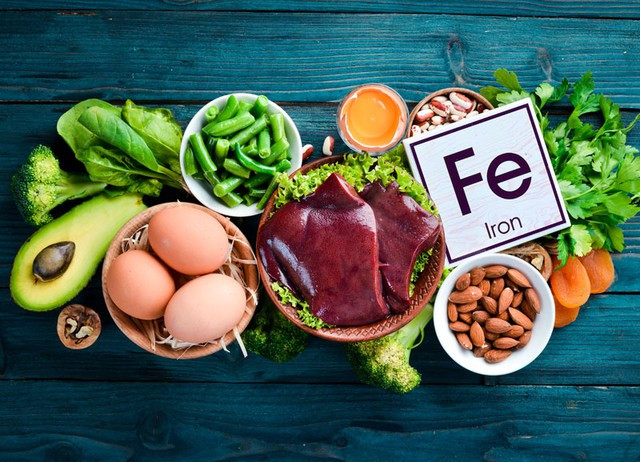
Women need adequate iron and vitamin B12 to prevent anemia, fatigue, and boost immunity. Foods rich in iron include: red meat, beans, egg yolks, whole grain products, nuts, and seafood.
2.7. Calcium-rich foods
Getting enough calcium is important for bone strength, but it's also crucial for regulating heart rhythm, supporting muscle function, controlling blood pressure and cholesterol levels, and many other functions related to nerve signaling.
Calcium, when consumed along with other important nutrients such as vitamin D and magnesium, has been shown to protect against some of the biggest threats to women's health, including heart disease, osteoporosis, diabetes, and cancer.
Therefore, in addition to essential nutrient groups, women should prioritize including calcium-rich foods in their daily diet, such as: shrimp, crab, fish, snails, sesame seeds, soybeans, wood ear mushrooms, spinach, eggs (especially egg yolks), milk and dairy products…
2.8. Foods rich in magnesium
Magnesium is one of the most important minerals in the body, but it is also one of the most commonly deficient. Leg cramps, insomnia, muscle spasms, anxiety, headaches, and digestive problems such as constipation can all be signs of magnesium deficiency. For older women, the risk of deficiency may be even greater.
Although there are many products that help supplement magnesium, nutrition experts recommend that we obtain magnesium-rich foods through our daily diet.
According to the National Institute of Nutrition's recommendations, women need 270-290mg of magnesium per day. To ensure sufficient magnesium intake, women should choose foods such as seafood, meat, dark green leafy vegetables, beans, sesame seeds, peanuts, whole grains, and nuts.


