
8 types of food that should not be stored in the refrigerator.
Many people think that storing food in a cold environment helps keep it fresher. However, for some foods, this is a misconception.
According to family nutritionist Fausta Akech of the company.Healthy U,Although some foods, such as dairy products and citrus fruits, should be refrigerated to prolong their shelf life, there are also foods that should not be stored in such a low-temperature and humid environment.
Ms. Akech also stated that eggs should be refrigerated because they require a constant, stable temperature. However, after refrigeration, eggs need to be kept at that temperature for an extended period because if left at room temperature, they can become damp, creating conditions for bacteria to grow and spoil.
The following 8 foods are not recommended for refrigeration as it can affect their nutritional value and health.
Watermelon
|
After slicing the melon into pieces, you should store them in the refrigerator. (Image)Measure |
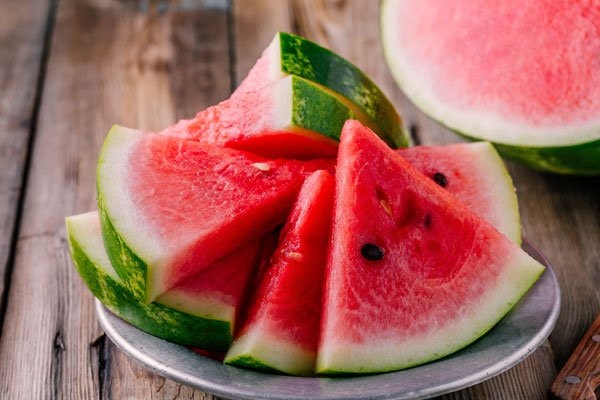
If the watermelon is whole, it's best to store it at room temperature. This will help the watermelon retain its antioxidants. Storing it for longer periods will cause it to lose its original nutritional value.
However, after slicing the melon, you should store it in the refrigerator and wrap it tightly to prevent it from absorbing the odors of other foods.
Pumpkin
When stored in the refrigerator, pumpkins accumulate more moisture and are more prone to rotting. It's important to keep pumpkins in a cool, dry place. To keep pumpkins longer, place them on pieces of cardboard and store them in a corner of the kitchen or basement.
Tomato
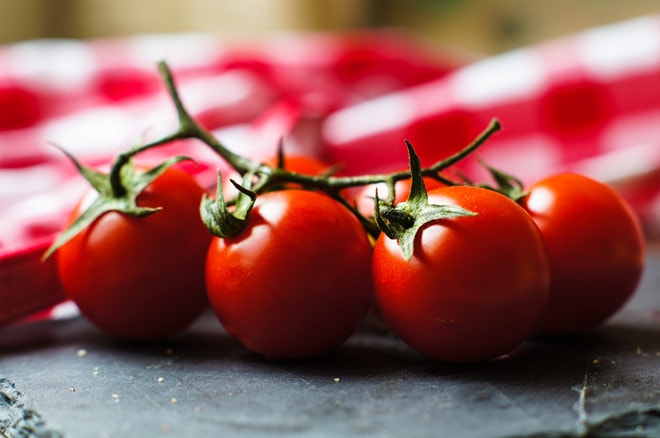
Storing tomatoes in the refrigerator will damage the inner membrane of the tomato, altering its flavor. Generally, refrigerated tomatoes become bland and don't ripen evenly. Therefore, keep them in a cool, dry place; as they ripen, their flavor will also improve.
Ms. Akech added: "Storing tomatoes in the refrigerator will cause them to lose nutrients and flavor, rendering them no longer as nutritious as they once were."
|
Storing tomatoes in the refrigerator will cause them to lose all their nutrients. (Image)ShutterStock |
Bread
Bread is a common food item that is often stored incorrectly – in the refrigerator. Some people believe that room temperature will dry out the bread, but in reality, refrigerating bread will make it dry and tough more quickly.
Potato
Potatoes should be stored in a cool, dry place, such as a pantry. Refrigerating potatoes will convert the starch in them into sugar, making them sweet and causing them to change color after cooking. Additionally, refrigerated potatoes tend to become mushy, rough, and lose nutrients from their starch. Furthermore, you shouldn't wash potatoes before storing them, as the moisture will cause them to spoil more quickly.
Apple
Extremely cool temperatures and high humidity will cause apples to ripen faster. Therefore, store them at normal room temperature.
Banana
If your bananas aren't fully ripe, you shouldn't put them in the refrigerator because the low temperature will cause them to become mushy and turn brown. However, ripe bananas can be stored in the refrigerator without spoiling.
Avocado
Store avocados in open-mouthed paper bags and keep them outside the refrigerator, as low temperatures will hinder the ripening process.
Garlic and dried onions
These two foods should be stored in a cool, dry place because refrigerating them will cause them to sprout, shrivel, or even spoil.
Coffee
The best way to store coffee beans is in an airtight container at room temperature. Refrigerating them will cause the coffee to lose its aroma and may even lead to condensation, ruining the coffee.


