
Alarming increase in law violations among young people.
(Baonghean.vn) - Recently, along with the increase in various types of crimes and social evils, the situation of young people violating the law has become increasingly complex, affecting the security and order situation in Nghe An province.
Numerous violations
In 2023, the People's Procuracy of Thai Hoa town, in coordination with the Criminal Investigation Agency of the town's Police, discovered and handled 8 cases involving students from junior and senior high schools in the area who committed the following acts: Illegally possessing narcotics (methamphetamine, marijuana); Manufacturing firecrackers (matchsticks); Possessing prohibited goods (firecrackers); Violating regulations on road traffic participation; Theft of property; Of these, 2 cases involving 3 defendants were prosecuted, and 7 individuals were fined for administrative violations.
A notable case is that of Cao Xuan T. (born in 2006), residing in Quang Tien ward, Thai Hoa town, who was fined by the Thai Hoa Town Police for the administrative violation of "illegally transporting fireworks" on September 26, 2022.
However, T. showed no remorse and continued to possess seven spherical firecrackers of various colors, wrapped in plastic, each with a diameter of 1.5 cm and attached with a 2 cm long green string. Therefore, on January 3, 2023, the People's Procuracy of Thai Hoa town approved the decision to prosecute Cao Xuan T. for the crime of "Possessing prohibited goods". At the time of prosecution, T. was a student at a high school in the area.

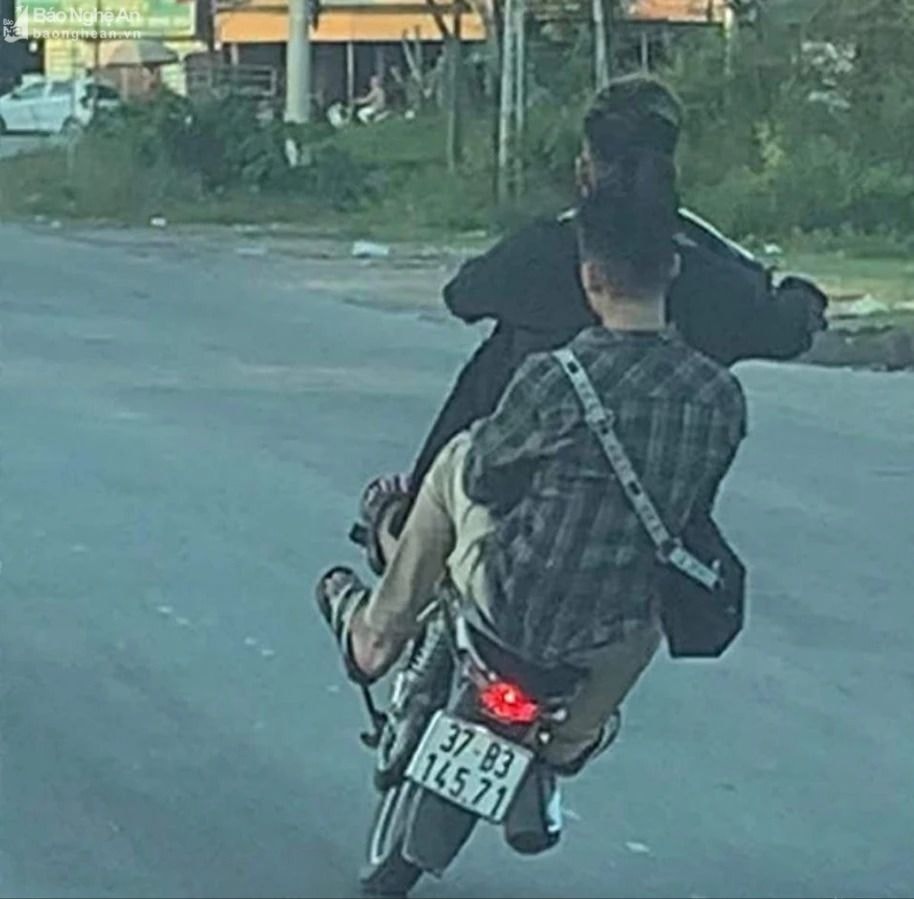
Regarding juvenile delinquency, common behaviors include resolving conflicts with weapons, causing disturbances and fights that disrupt public order; illegal use of firecrackers; drug trafficking and use; school violence; robbery and theft. In addition, there are traffic safety violations such as: driving underage; driving without a license; not wearing a helmet; reckless driving; wheelies; and failing to obey traffic signals…
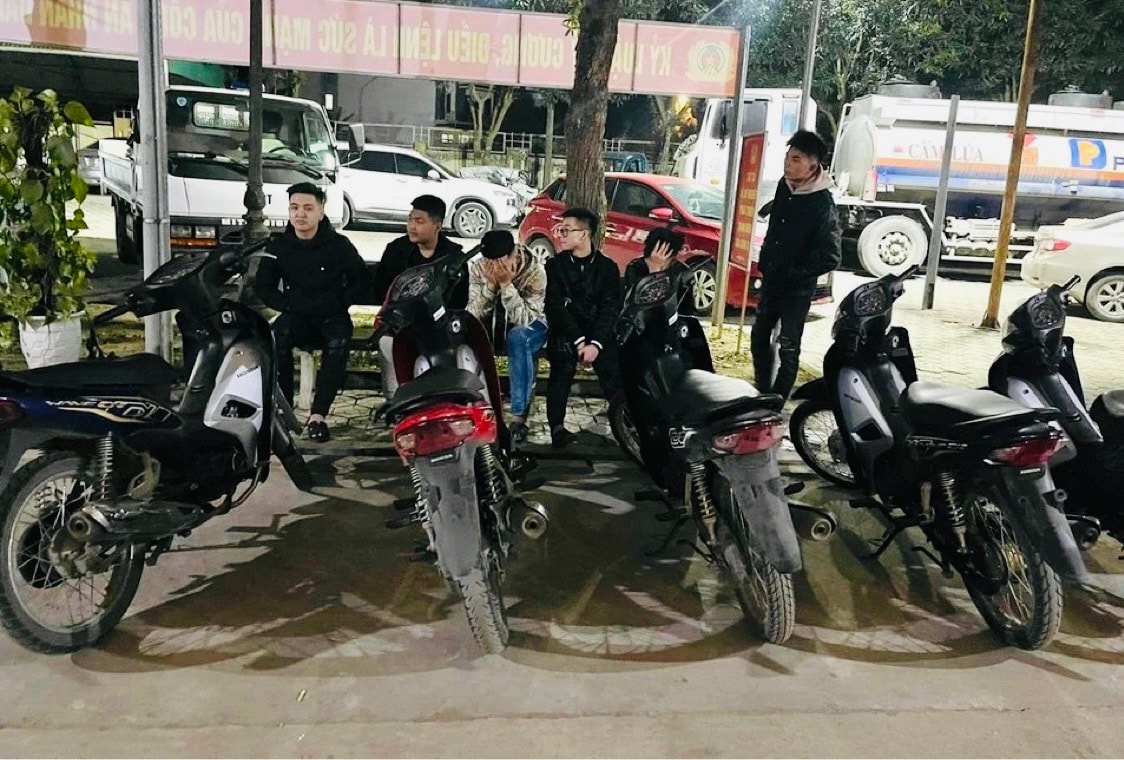
In Nghe An province, from the beginning of the year until now, through patrol and control activities, functional forces have detected and recorded 1,135 cases of students violating traffic safety regulations, with a total fine amount of over 1 billion VND.
In mountainous and border areas, the increasing rate of child marriage is also a concern for local Party committees and authorities. For example, in the remote district of Kỳ Sơn, in 2023, there were 235 cases of child marriage, concentrated mainly in the communes of Na Ngoi, Huồi Tụ, Nậm Càn, Đoọc Mạy, Nậm Cắn... Among these cases, some involved children as young as 13-14 years old, leaving many negative consequences for families and society.
According to authorities, there are many reasons leading to law violations and crimes committed by young people and students. The main reasons include a lack of legal knowledge, a lack of life skills, impulsiveness, and a lack of experience in preventing and avoiding risks and illegal actions by others.
Subjectively, teenagers and students are at an age of psychological, physiological, and physical development, enjoying self-expression and self-affirmation, and eager to explore new things. However, they lack resilience and life experience, while daily exposure to the negative aspects of social media platforms leads to them being lured and manipulated by malicious individuals.
In addition, there are impacts from the family, such as difficult economic circumstances, parental divorce, parental law violations, parents working far away, lack of attention and education from relatives, and lax supervision. On the other hand, currently, the dissemination and education of law in schools is not regular, and the forms and content are not appropriate. Youth organizations at all levels have not yet fully played their leading role in educating the ideology, morality, and lifestyle of young people.
Coordination among local departments, agencies, and organizations in managing, rehabilitating, and educating delinquent individuals in the area is still not close or harmonious, resulting in low effectiveness.
Strengthen preventive measures.
To curb violations and crimes among young people and students, in recent times, the dissemination and education of law in schools throughout Nghe An province has been a focus of attention for all levels and sectors. This aims to educate students on ethics and lifestyle, prevent and deter social evils from infiltrating schools, and foster an awareness of living and working in accordance with the Constitution and laws from an early age.
Accordingly, the Education sector has directed schools to coordinate with relevant agencies to integrate legal awareness content into regular lessons and extracurricular activities; and to organize students and parents to sign pledges not to violate social vices, traffic safety regulations, and regulations regarding firecrackers.
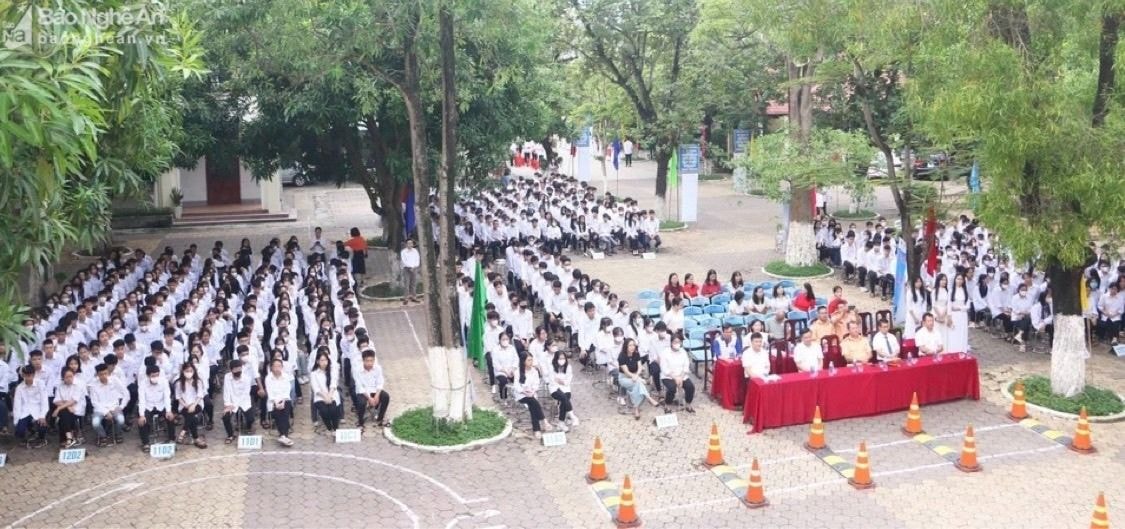
Youth Union organizations at all levels focus on innovating the content and form of legal dissemination and education to suit the psychological characteristics of each group of young people. Many models and methods in the work of disseminating and educating young people about the law have proven effective, following the motto "promoting the good and eliminating the bad," such as: the "Self-managed school gate for traffic safety" model; safe ferry crossings; youth-managed roads for security and order; mock trials; youth volunteer teams, etc.
In mountainous areas, the Border Guard force has actively coordinated with schools to promote activities to raise awareness and legal consciousness among students, such as the "Border Region Lesson" model, the "Border Region Newsletter," or activities to disseminate legal information to 9th-grade students.
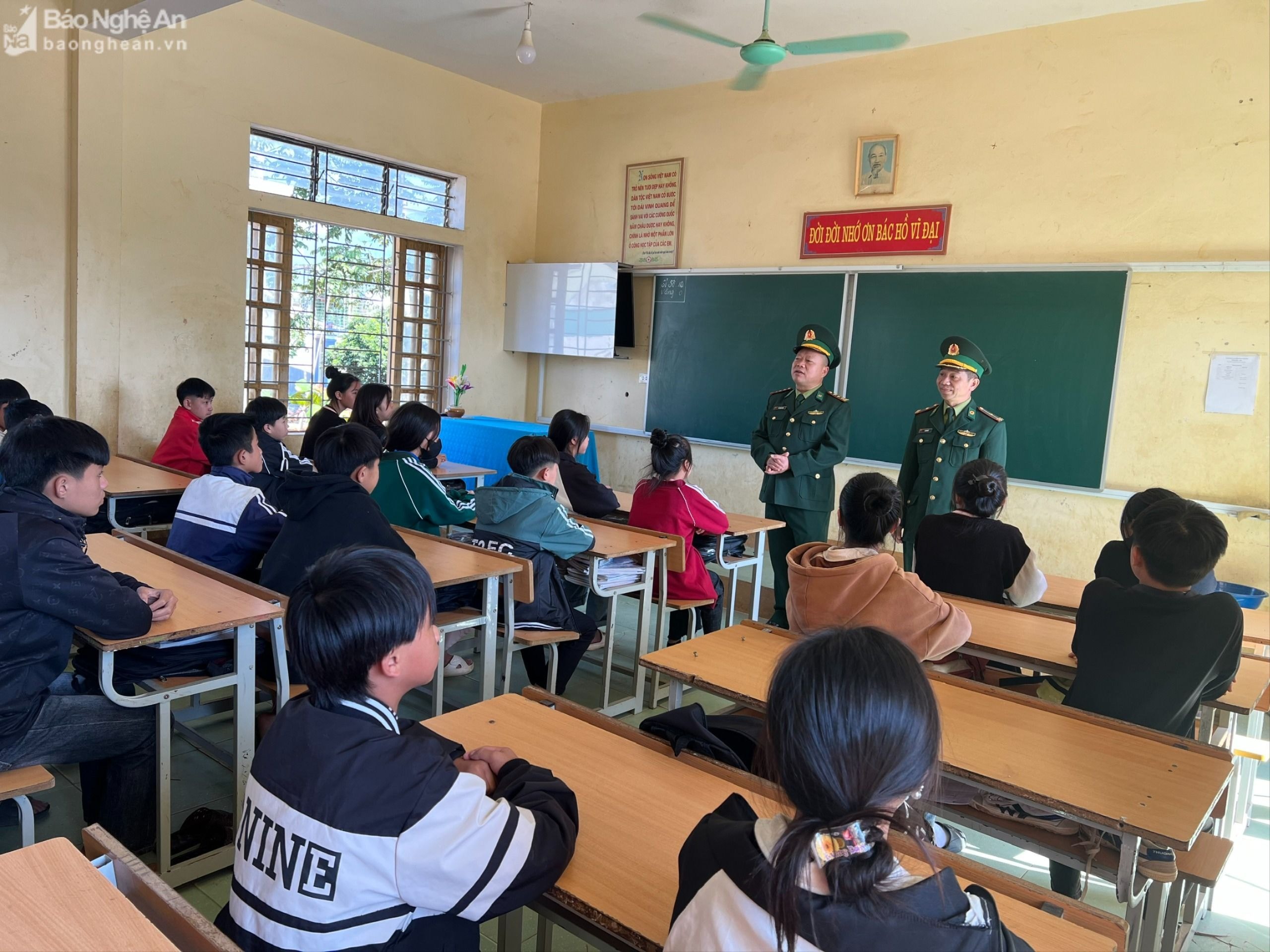
Lieutenant Colonel Hoang Thanh Quang, Political Officer of Tri Le Border Guard Station (Que Phong), said: In the Tri Le area, drug trafficking; illegal exploitation and transportation of forest products and minerals; illegal possession and use of homemade weapons; and violations of border regulations frequently occur. Therefore, along with professional measures, the unit always pays attention to propaganda and dissemination of laws, especially to young people in the highlands.
In 2023, the border guard station coordinated with relevant departments and localities to organize 20 sessions of legal education and dissemination for the people, reaching 2,157 attendees. Specifically, 30 sessions were held for 630 students in grades 8 and 9. The main topics included border regulations, the Border Guard Law, the Law on Drug Prevention and Control, human trafficking, the Law on Marriage and Family, prevention of child marriage, and the eradication of poisonous plants.
Specifically for young people and students who violate traffic safety regulations, in addition to strong measures such as increased patrols and direct enforcement, local police have infiltrated social media to monitor groups and use images and videos provided by citizens to investigate and take action. At the same time, they are coordinating with schools, organizations, and associations to promote visual awareness campaigns within schools; combining these methods with social media applications to make the information easier for students to remember, understand, and implement.
However, to prevent and deter law violations among teenagers and students, and to ensure school security and safety, it requires not only stronger and more coordinated efforts from relevant authorities, the education sector, and the entire political system, but also close attention, management, and supervision of children from each family; including managing and monitoring their use of social media.
In reality, malicious individuals often use social media to entice and incite young people to participate in illegal activities. A segment of young people, due to a lack of understanding, habitually like, share, and comment on harmful and toxic information without carefully reading or verifying the information, creating loopholes for malicious elements to exploit and spread false information on social media, causing public instability.
Therefore, it is necessary to strengthen the dissemination and promotion of the Cybersecurity Law and control the use of social media by young people and students.


