
Green treasures in Na Hang
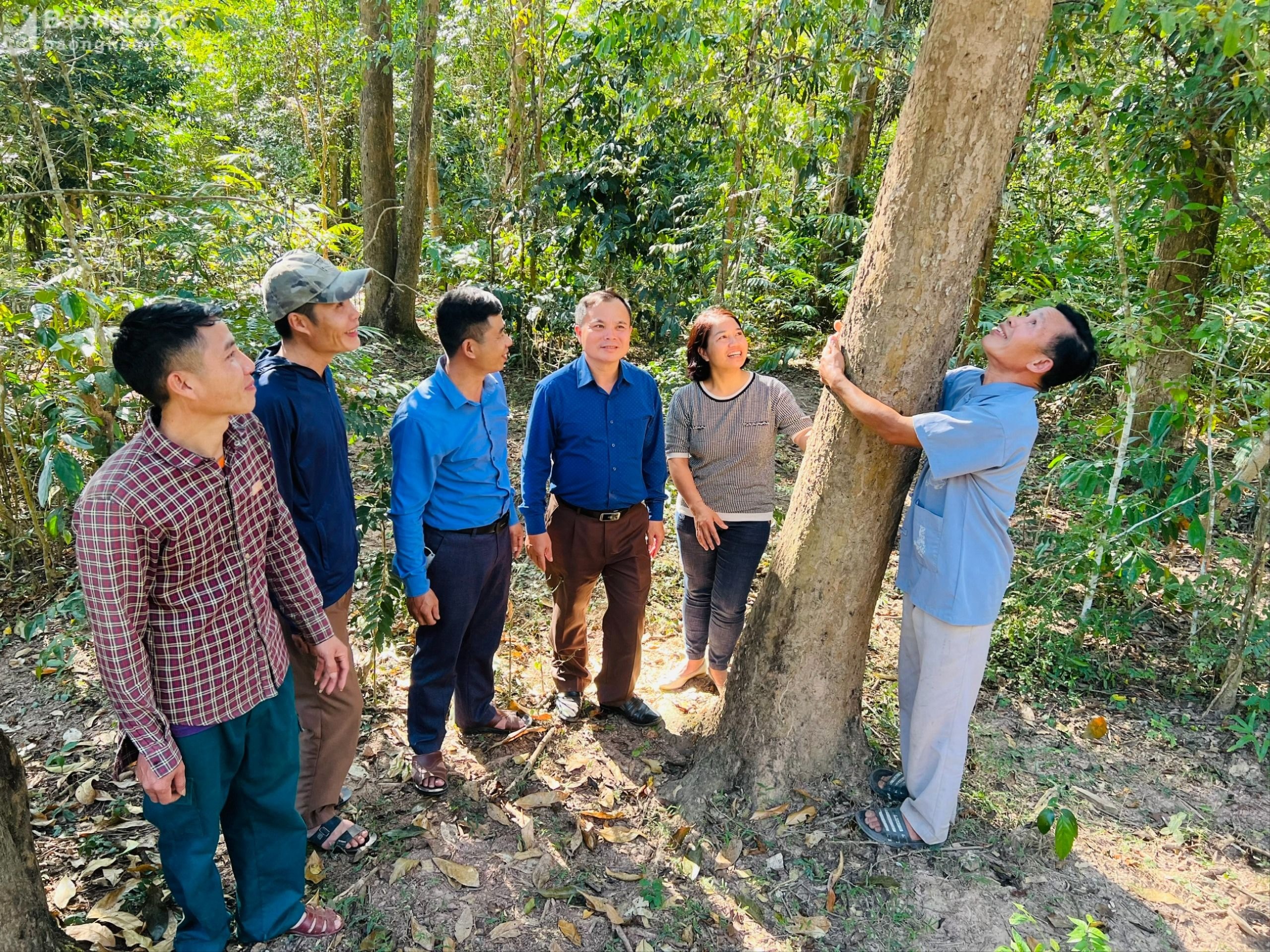
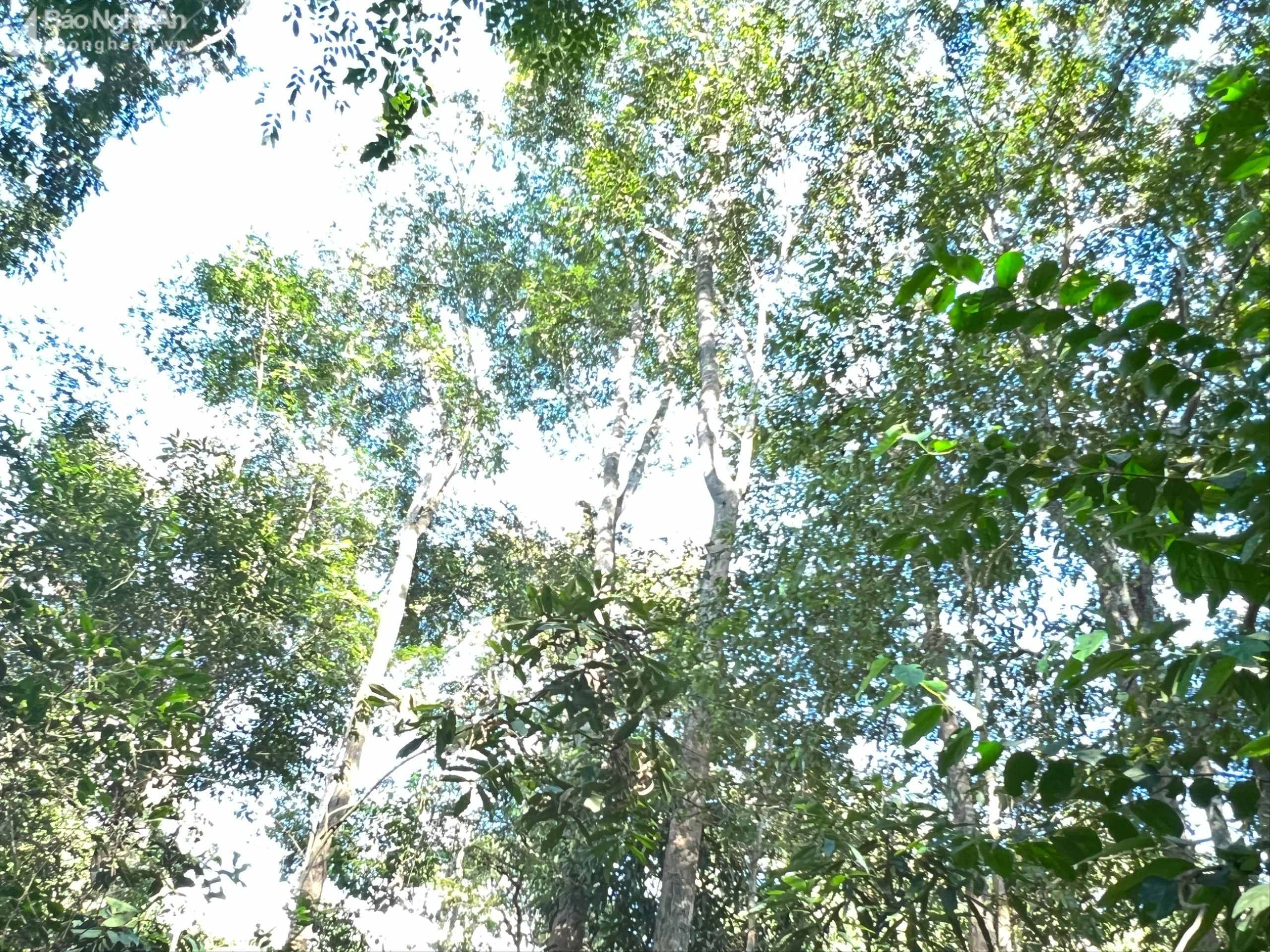
(Baonghean.vn) - We visited Na Hang village, Mai Son border commune (Tuong Duong district), where local officials and respected community leaders guided us to see a pristine clove forest with hundreds of trees reaching towards the sun.
Establish a village agreement to protect the forest.
Wrapping his arms around the gnarled, dark brown-barked clove trees with their upright trunks and roots deeply embedded in the soil, absorbing the life-giving sap of the earth and sky, and emitting a gentle woody fragrance, Mr. Kha Van Tuan - a former leader of Mai Son commune and one of the first residents of the Thai ethnic minority village of Na Hang - said: When the village was first established in 1994, this forest only had small clove trees growing naturally. Thanks to the villagers' awareness of protection and preservation over the past 30 years, it now has a vast primary forest with hundreds of large and small clove trees.
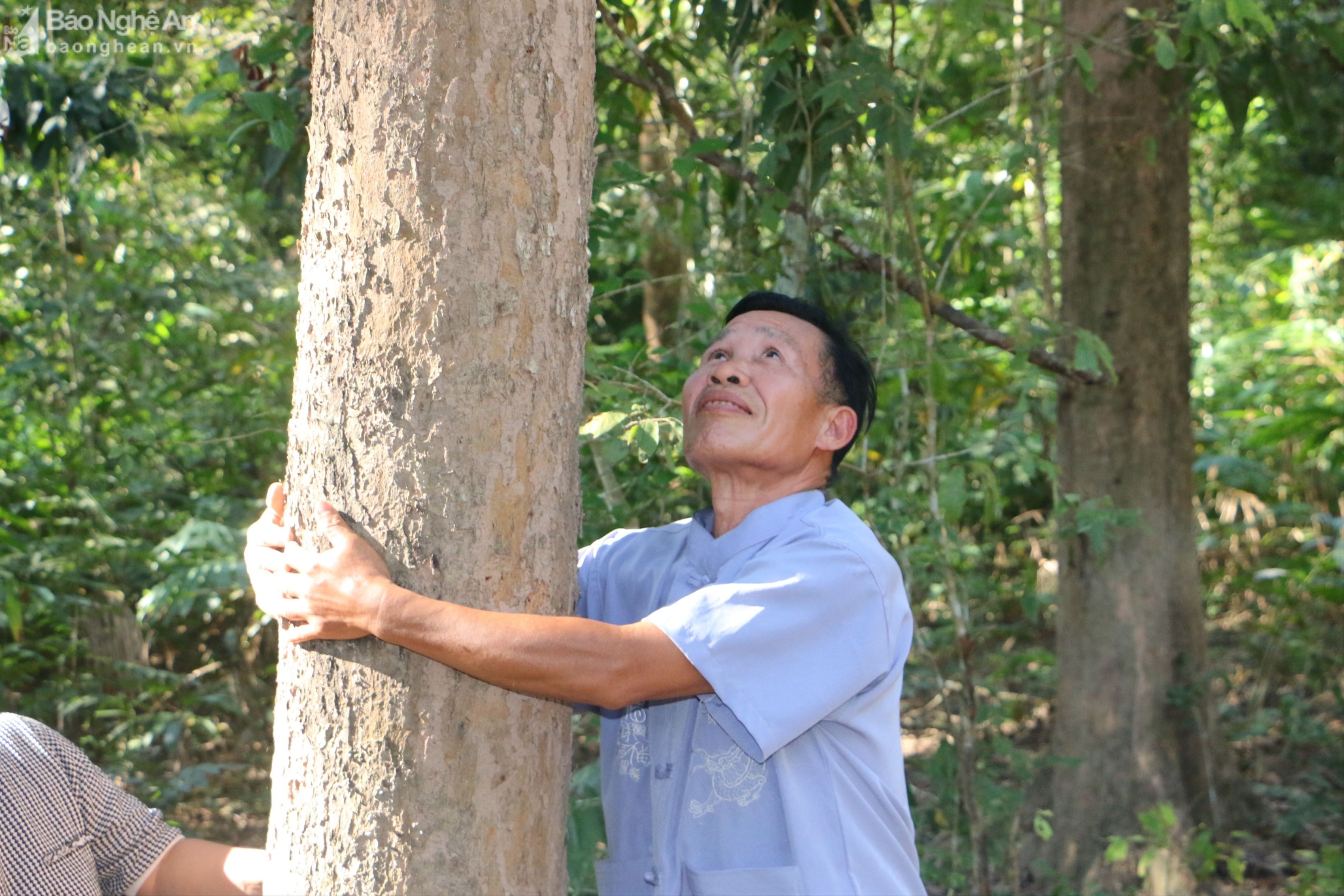
"It would take at least a day to walk through this entire clove forest. Some trees that were only the size of an arm before are now so large that a person's arms can't encircle them!" Mr. Tuan said proudly.
Admiring this precious forest, dubbed a "green treasure," we were even more captivated by the story of the Thai ethnic people in this border region who are dedicated to preserving it.
Previously, Na Hang village was a production area for Huoi Xa and Huoi To villages. Initially, only a few households built temporary houses for farming and livestock raising, primarily rice cultivation. When Na Hang village was established, there were only 15 households, but it gradually grew to 29 households with 135 people, belonging to 5 clans: Luong, Vi, Kha, Lo, and Lo. The lives of the villagers depended on slash-and-burn agriculture, forestry, livestock raising, and forest product exploitation.
In the early days, there was only one three-person Party cell here, consisting of Mr. Kha Van Tuan, Mr. Vi Van Vinh, and Mr. Luong Van Toan. Mr. Kha Van Tuan, who was then elected village head, along with the village elders and respected individuals, propagated to the people the importance of the forest – a shared asset that everyone has a responsibility to protect, especially the sandalwood forest. This is because sandalwood is a valuable type of wood, belonging to the agarwood family, with leaves and bark emitting a distinctive, strong herbal fragrance; its color and grain are very beautiful, and it has high economic value.
To preserve and protect this "treasure" of the village from being cut down by illegal loggers, for decades, the management board and people of Na Hang village have reminded each other to protect the entire forest area.
The "secret" to preserving the forest for the people of Na Hang village lies in their forest protection regulations. Initially, these were just oral agreements passed down through generations, but the people unanimously abide by them.
Later, to promote the self-governance role of the local community, protect natural resources, and preserve forests in conjunction with the implementation of grassroots democracy, the people of Na Hang village jointly established a written village charter, with input from the government and relevant agencies, which included specific provisions on forest protection and development.
Preserving valuable assets for future generations.
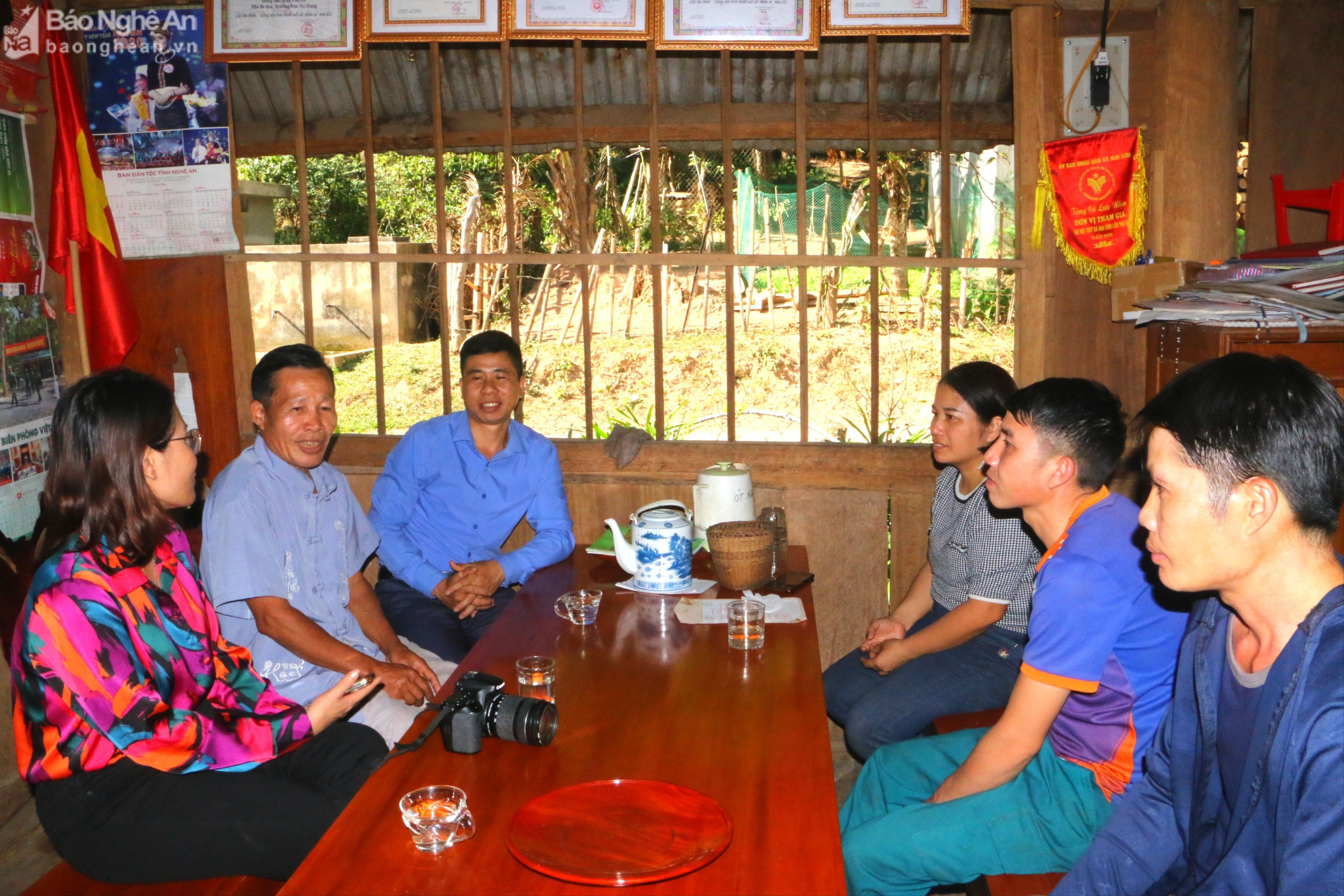
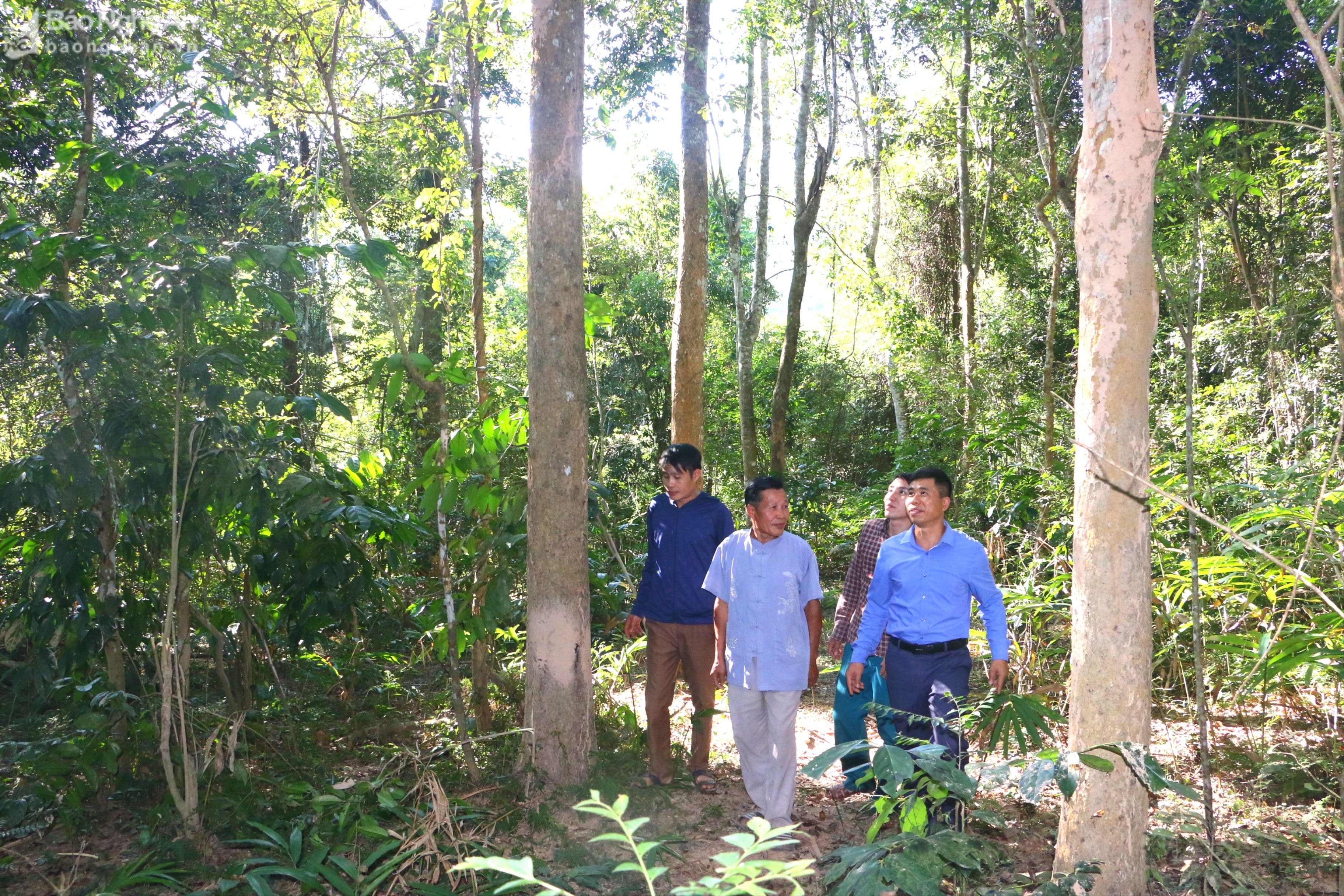
Following the young couple, the Party Branch Secretary and Village Head, Kha Van Ba (born in 1987) and Kha Van Ot (born in 1990), along small trails deep into the clove forest, we continued our story of forest conservation. We learned that Na Hang village has established two forest protection teams, each consisting of 7-9 households; twice a month, these teams coordinate with the village management board and forest rangers to conduct patrols.
“Currently, the entire village is protecting and caring for 100 hectares of clove forest and 170.3 hectares of production forest. The villagers absolutely do not cut down trees or clear land for farming in forested areas, with the view of preserving valuable assets for future generations. Anyone who violates this will be severely punished according to the village regulations. Major violations will be reported to the commune government and local forest rangers for handling according to the law,” said Kha Van Ba, Secretary of the Na Hang Village Party Branch.
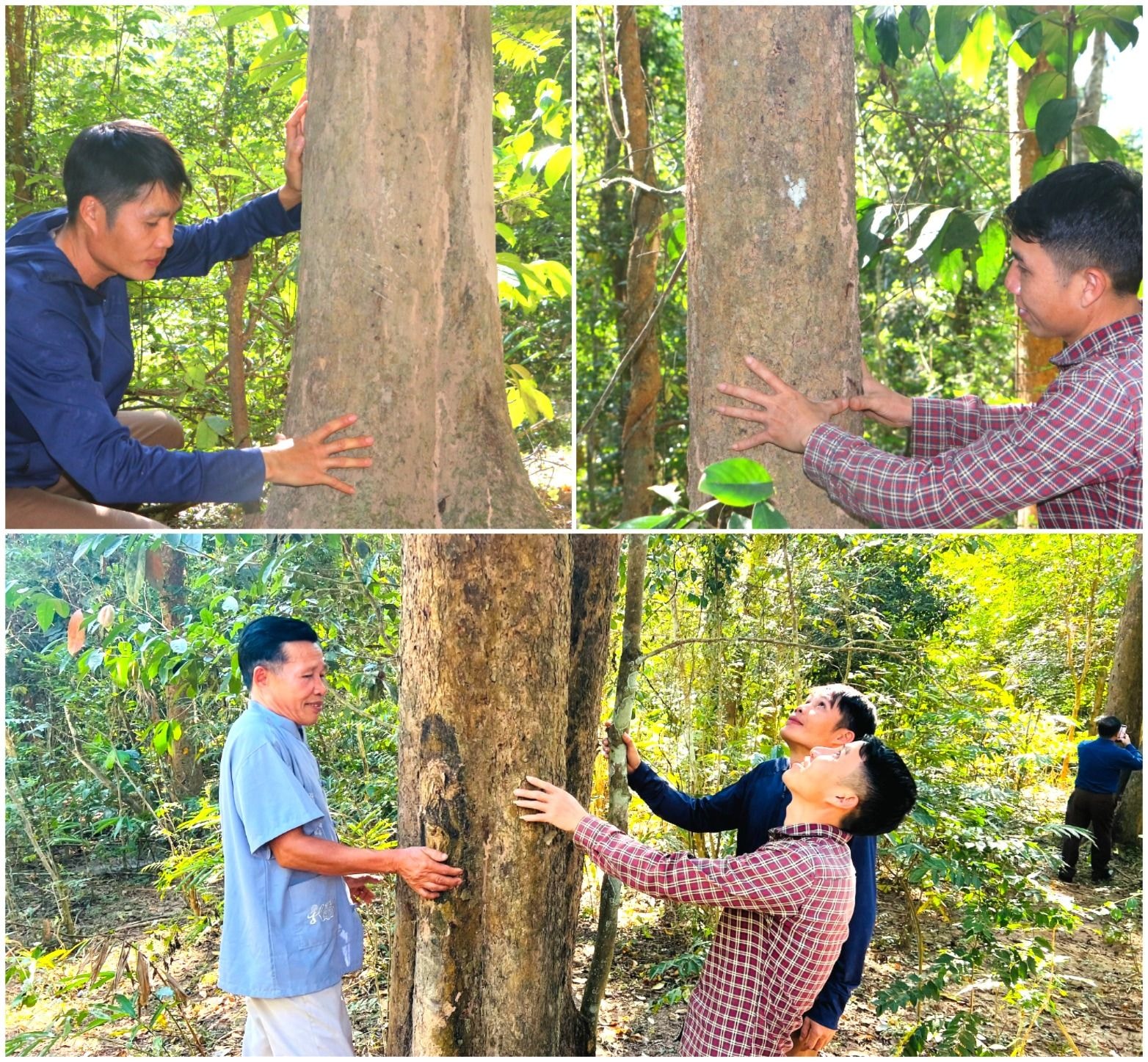
“Since childhood, we have heard our elders instruct us not to cut down trees in the forest for trade or sale, but to work together to care for and preserve it. Only trees that break naturally are allowed to be harvested by the villagers for building houses. Any family in the village that tries to cut down trees in the forest while building a house will be heavily fined,” added Kha Van Ot, the head of Na Hang village.
According to the village elders, the awareness of preserving the forest has been ingrained in the people's blood for generations. In recent years, Na Hang village has also benefited from the policy of payment for forest environmental services, further motivating them to raise awareness and responsibility in forest management and protection.
“Because they are deeply connected to the forest, live with the forest, and benefit from it, the people of Na Hang village consider preserving the forest as ensuring peace and prosperity for their village. This is also a typical example of ‘effective people mobilization’ in the locality,” said Mr. Lo Anh Dien, Deputy Secretary of the Party Committee of Mai Son commune.
To reassure the villagers and encourage them to protect and maintain the forest, the Party Branch and the Management Board of Na Hang village actively propagate and mobilize the people to develop household economies, eradicate hunger and reduce poverty; utilize flat land along streams and creeks to grow vegetables and beans; and build economic models (raising goats, buffaloes, cows, poultry, garden-pond-livestock models, etc.).
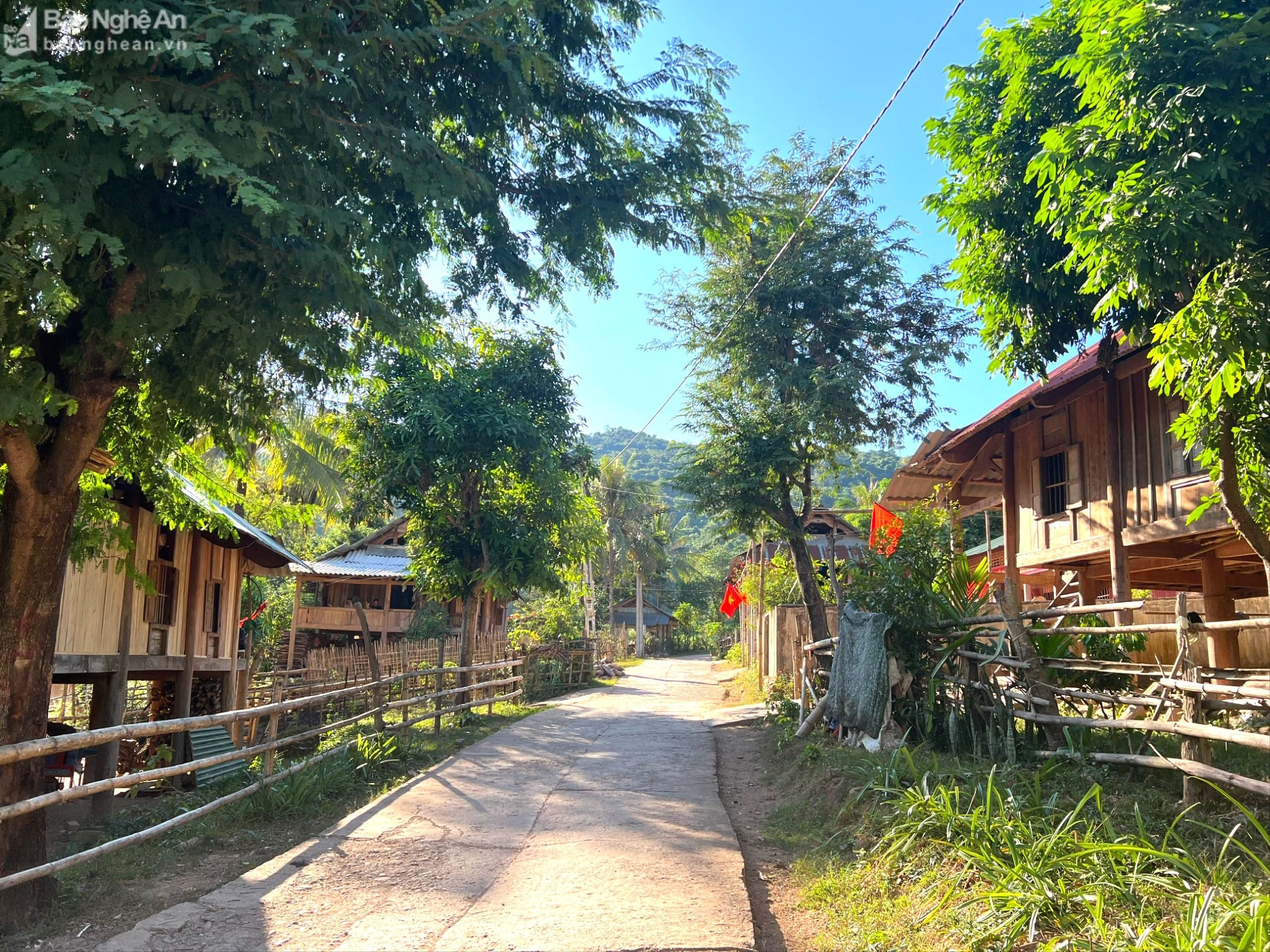
As a result, the lives of the people have become increasingly prosperous. In particular, thanks to their collective efforts in protecting the forest, the people of Na Hang village have been rewarded by nature, living amidst lush greenery, fresh air, and precious trees that continue to thrive in the vast forest...


