
School-related depression - the need for support and understanding.
(Baonghean.vn) - School-age children experience many psychological and physiological changes, making them vulnerable to various influences from studies, friends, and other relationships. At this age, they need support and positive encouragement to avoid negative psychological impacts and reduce the risk of depression.
The story was recorded at the hospital.
In early December, a 17-year-old female student, currently in 11th grade at a public high school in Nghe An, was hospitalized at the Nghe An Psychiatric Hospital. At her age, she would normally be treated in the Pediatrics - Geriatrics department. However, due to the severity of her condition, including suicidal thoughts, she was transferred to the Women's Psychiatry department for treatment.
After nearly two weeks of treatment, the patient, who was previously withdrawn, sad, and depressed, has shown positive changes and cooperated with the doctors during examinations. She has also become more open, beginning to share her thoughts.
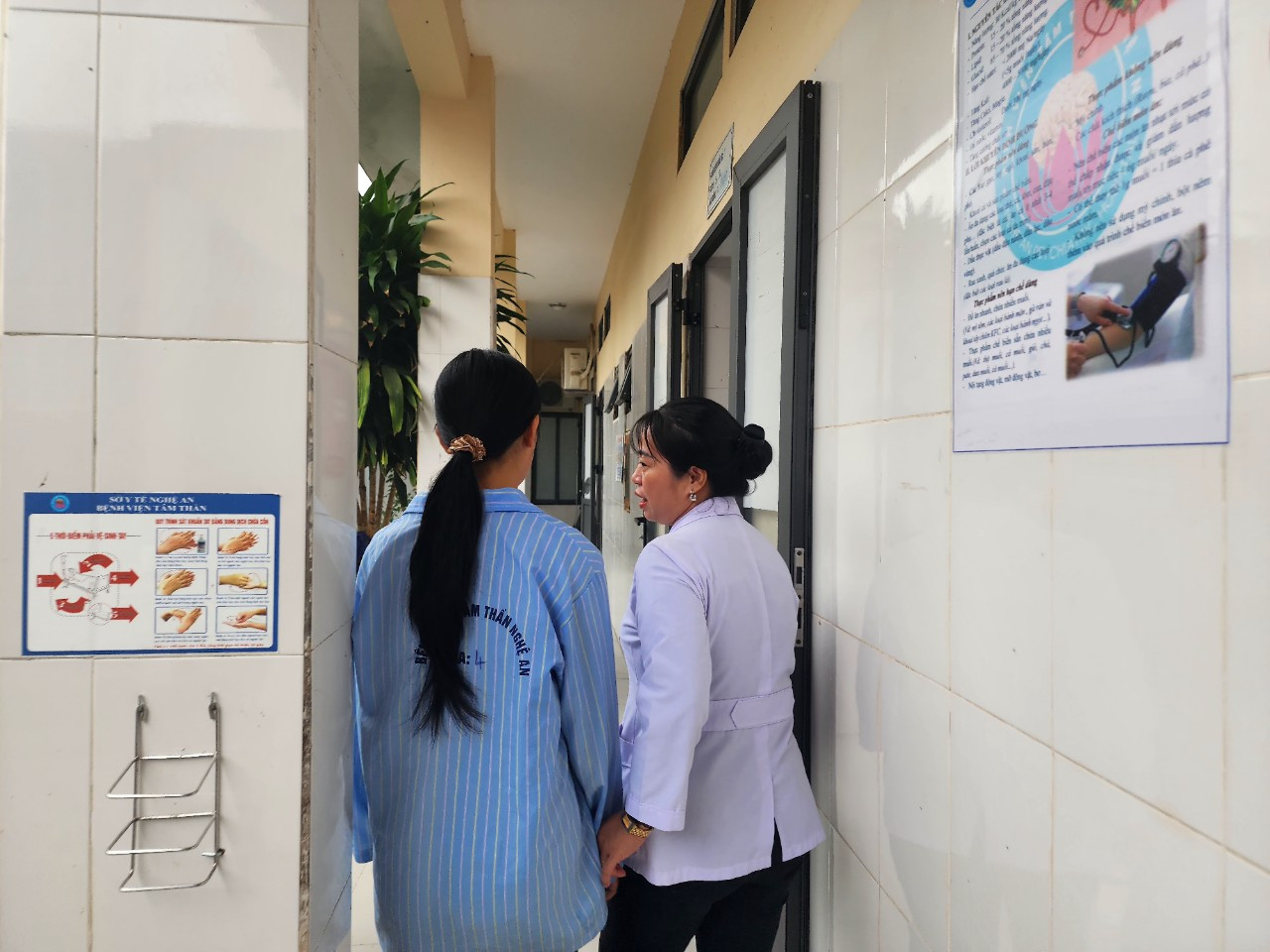
Accompanying her child during treatment at Nghe An Psychiatric Hospital, Ms. Nguyen Thi L. said that she was heartbroken to have to bring her child to the hospital in an abnormal psychological state. Previously, the family was complacent and did not notice any unusual signs in their child because they saw that the child went to school, ate, played, and talked normally every day.
The unusual symptoms were only discovered four months ago when the family noticed the child was lazy in studying, spending all day using her phone and staying locked in her room. Fearing her child would perform poorly in school, the mother scolded her and tried to take away her phone, but the child reacted negatively, even lying down on the floor. Worried about her health, the family took her to Nghe An Friendship General Hospital and Bach Mai Hospital, but they still couldn't determine her condition because during examinations, the child kept asking her mother to leave the room.
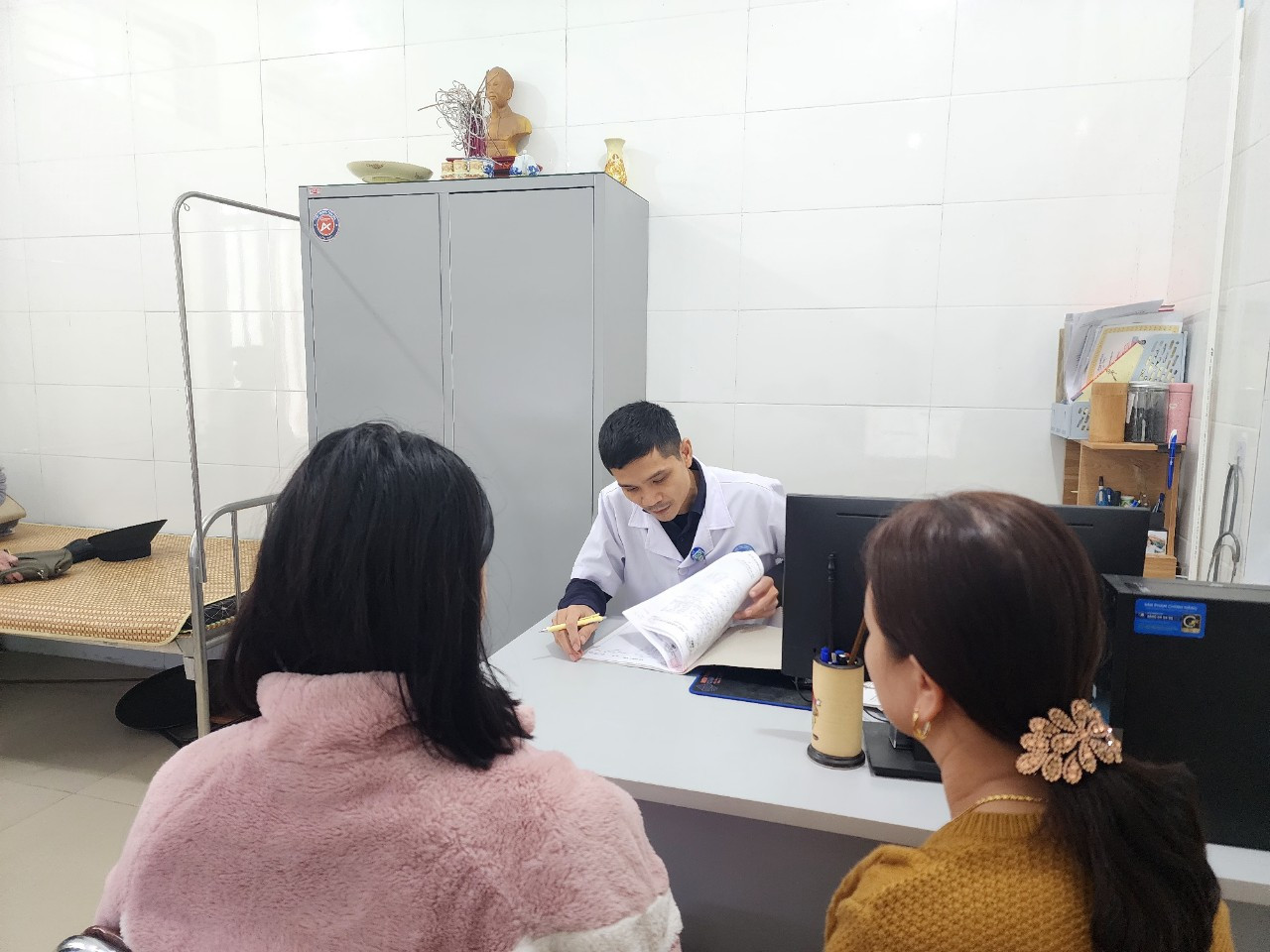
Recently, the child's condition has worsened, sometimes becoming uncontrollable emotionally, so the family decided to take her to the hospital for treatment. After being admitted, the mother only then learned that her child was suffering from depression...
During the examination and treatment process at the Nghe An Psychiatric Hospital, this parent also stated: "Actually, my child may have had abnormal psychological developments since the 8th grade when the family sent her to study with her aunt in Dak Lak. At that time, the change in living environment, coupled with her aunt's strictness, caused her to constantly feel repressed. In high school, she was often teased, ridiculed, and isolated by her classmates, which worsened her condition. Meanwhile, her parents and siblings did not regularly share and support her, so her condition worsened, leading to feelings of inferiority, self-consciousness, anxiety, fear, and depression..."
Another case is also being treated by doctors at Nghe An Psychiatric Hospital. The patient is currently in 11th grade at a specialized school in Vinh City and suffers from obsessive-compulsive disorder. This illness appeared in this patient 3 or 4 years ago with many unusual symptoms. For example, this patient is often obsessed with the number 7 and tries to do anything, including studying, playing, or participating in activities, seven times in a row. This greatly affects the patient's studies; for instance, a line of poetry must be written seven times before it can be expressed in a different way. The family has taken the patient to many places for treatment, but the illness has not improved.
This patient requested outpatient treatment instead of inpatient care. However, our concern is that as the patient progresses through higher grades and the academic pressure increases, the illness tends to recur more frequently and significantly impact their health. If the illness persists, it could lead to other complications. The patient also admitted to facing considerable pressure regarding academic achievement due to the demanding learning environment at the specialized high school.
School-related illnesses
Since the beginning of the year, Nghe An Psychiatric Hospital has admitted 144 patients under 18 years old for examination and inpatient treatment with various symptoms.mental disordersAmong school-aged children, while the number is not large compared to the overall student population, it indicates that mental health issues are no longer rare. A significant number of these students have experienced severe symptoms and have even contemplated suicide.

Elaborating on this, Dr. Tran Dinh Ngoc, Head of the Psychiatry Department at Nghe An Psychiatric Hospital, stated: "The number of patients admitted to our hospital is getting younger and younger, mostly between 14 and 23 years old, many of whom suffer from depression due to stress and school violence. Notably, the number of students in urban areas suffering from depression is higher than in rural areas, possibly because they often face more academic pressure and lack time for recreation and rejuvenation. In addition, they are influenced by external factors such as video games, social media, and various social relationships."
In reality, the number of students currently receiving treatment in hospitals is only a small fraction. Meanwhile, the number of students suffering from mental health issues and depression in schools is increasing. Moreover, there have been cases where, by the time the illness is discovered, the condition has progressed to a severe stage, or the students have engaged in negative behaviors such as suicide, and it is too late to save them.
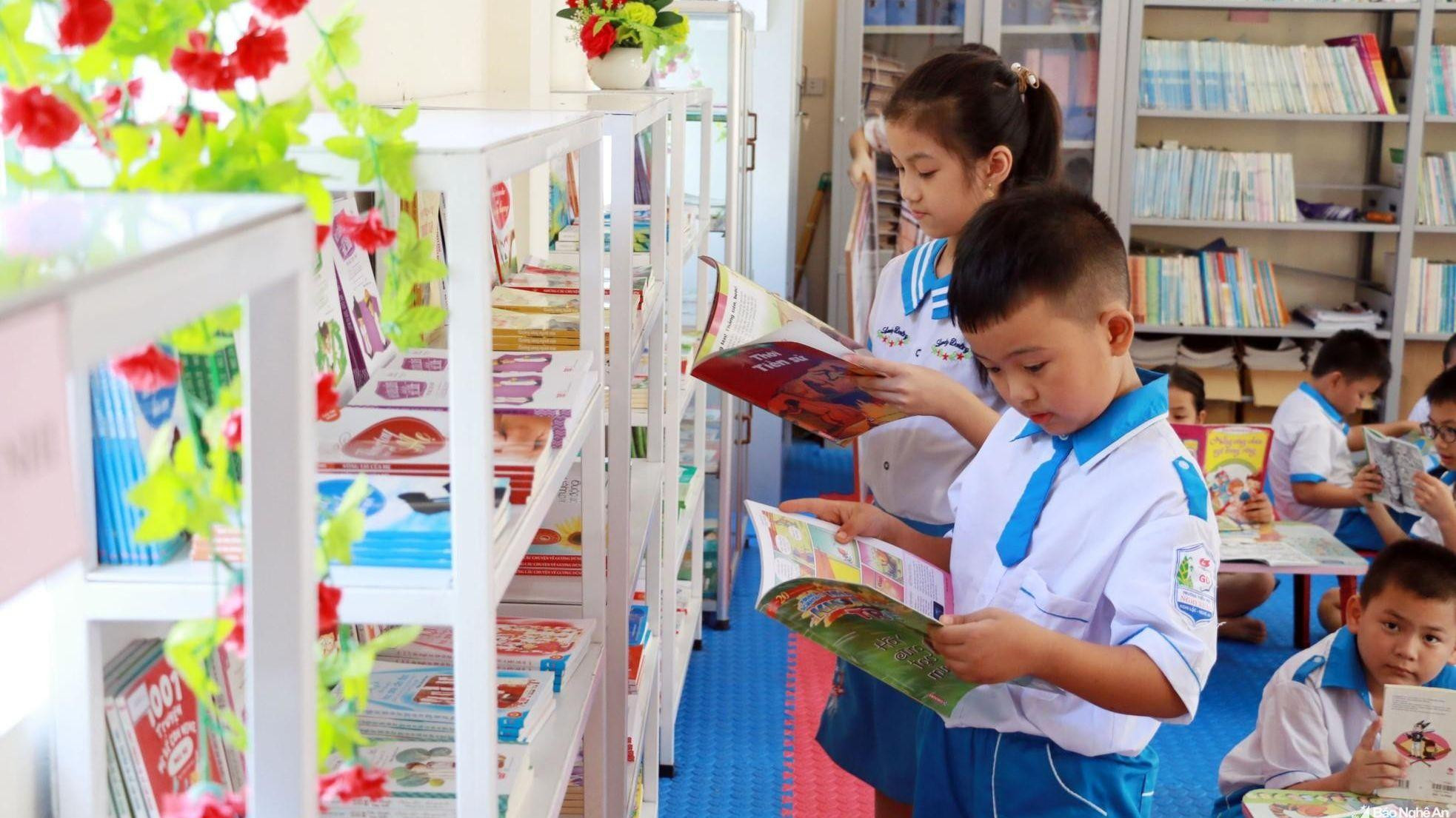
At Nam Yen Thanh High School (Yen Thanh district), a group of students recently worked on a project about supporting students in overcoming psychological issues and depression. The project stemmed from the reality that some students at the school were beginning to exhibit abnormal psychological behaviors, speech, and conduct, posing significant risks to their health and personal development.
School psychology plays a crucial role in maintaining and stabilizing students' mental well-being, helping them to think, reflect, and perceive surrounding issues correctly. At our school, we consistently emphasize to homeroom teachers, class representatives, and the student council the importance of regularly understanding students' feelings. If any unusual signs are detected, they should inform the school and parents so that appropriate support and assistance can be provided.
Over the years, Ms. Nguyen Thi Vinh - Deputy Principal of Dai Son Secondary School (Do Luong) - and her colleagues have also implemented an innovative project on solutions to improve psychological disorders in students' learning and lives.
Through practical analysis, teacher Nguyen Thi Vinh added that: School depression is becoming increasingly evident and widespread because students at this age are easily influenced by surrounding factors. When subjected to too much pressure from family, friends, academics, etc., they are prone to negative thinking. To mitigate this situation, I believe that psychological counseling plays a particularly important role. Through counseling, students can develop life skills, strengthen their willpower, confidence, and resilience, adopt appropriate behaviors in social relationships, and improve their character. At the same time, it helps identify, advise, and assist students in finding suitable solutions, minimizing potential negative impacts.

Regarding psychological disorders and depression in school-aged children, Dr. Tran Dinh Ngoc believes that it can be easily detected with typical symptoms such as behavioral disturbances, including sleep disturbances or insomnia. Eating habits may be irregular, and children may lose their appetite. In addition, they may experience other symptoms such as feelings of sadness and decreased interest in things they may have previously enjoyed, such as shopping, beauty treatments, or sports. They may also exhibit reduced energy levels and a lack of motivation. Furthermore, they may show signs of decreased academic performance, a negative outlook on life, low self-esteem, reluctance to go to crowded places, and tremors or sweating.
For students exhibiting these symptoms, Dr. Ngoc advises that, in addition to visiting reputable medical facilities for check-ups, examinations, and treatment, the most important thing is family support: For school-aged children, parental attention is paramount. The more closely parents interact and communicate with their children, the more comfortable and open they will feel. We shouldn't view them as children needing constant instruction, but rather as friends, guiding them from an adult perspective. Furthermore, children should be given time to relax and engage in physical activity to improve their health and emotional well-being.


