
How to restart your Android phone when the power button isn't working.
When the power button on an Android phone breaks or becomes unresponsive, many people worry about how to restart their device. However, there are simple tips to help you quickly resolve this situation.
Restarting your Android phone is considered one of the simplest yet most effective solutions for common performance issues. Restarting frees up cache memory, closes unnecessary background apps, and deletes junk files, resulting in smoother phone performance.
For most users, the most familiar operation is pressing and holding the power button, or combining it with the volume button depending on the model, to open the shutdown menu or restart the device.
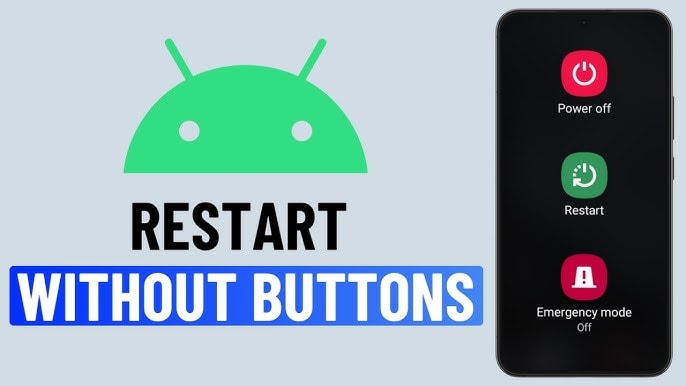
However, if the power or volume buttons malfunction, many people will find themselves in a dilemma, thinking there's no other way to operate the device. In reality, the Android operating system has built-in alternative methods that allow users to restart their phones without installing any external applications.
Restart your Android phone via "Quick Settings".
On many current Android phones, especially Google Pixel and Samsung, users can quickly restart their device without using the physical buttons.
Instead of holding down the power and volume buttons, you can simply access the "Quick Settings" panel – a familiar area located right at the top of the home screen. To open this panel, simply swipe down from the top edge of the screen twice in quick succession to display all the options.
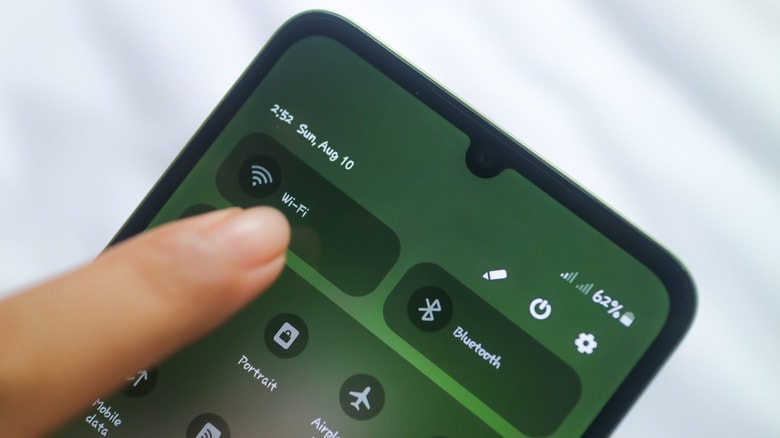
When the "Quick Settings" panel appears, users will easily notice the power icon, usually displayed as a circle with a vertical line inside. Depending on the device, this icon may be located in the upper right corner or at the bottom of the panel.
Simply tapping the icon will bring up the power menu, offering familiar options like "Restart" or "Power Off." This is a quick and easy method, especially useful when the physical power button is difficult to press or broken.
However, not all Android smartphones are equipped with this feature. For example, newer Motorola and OnePlus models, such as the OnePlus 13 and OnePlus 13R, do not include a power icon in "Quick Settings." With such devices, users are forced to find alternative methods. One of these is the "Accessibility" menu, which is a default feature available on all Android phones.
Thanks to this, regardless of the brand of device you use, restarting your phone can be easily done through the "Accessibility" section, ensuring flexibility for users in many situations.
Restart your Android phone using the "Accessibility" menu.
Most modern Android phones are equipped with various accessibility features to assist users in specific situations, such as when they have difficulty operating physical buttons.
Among them, the "Accessibility" menu is a useful tool, often likened to a "second Quick Settings panel," allowing quick access to many system functions. A key difference is that this menu always includes a virtual power button, making it easy for users to restart or turn off the device without relying on the physical button.
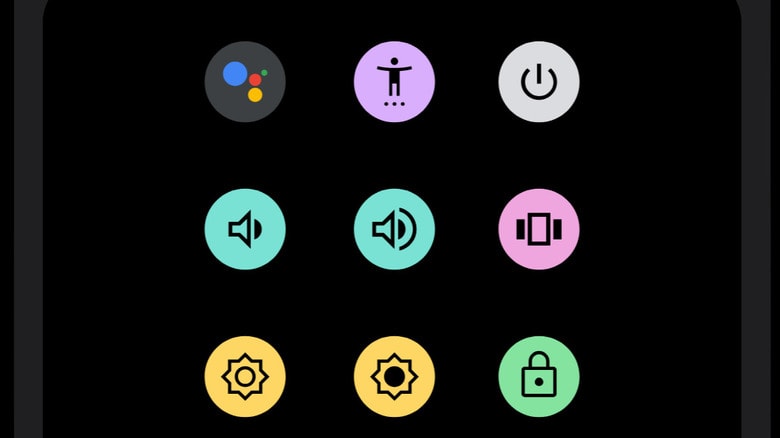
To use it, users first need to activate the "Accessibility" menu shortcut, which is hidden by default. The setup process is quite simple: go toSettingnewsAccessibilitynewsAccessibility menuThen, choose how to display the shortcut. You can set it as a floating button on the screen or integrate it into the navigation bar at the bottom edge of the phone.
Once the shortcut is enabled, simply tapping the icon will bring up the "Accessibility" menu interface, which includes a virtual power button. From here, you can open the power menu and select "Restart" or "Power Off" just like when using the physical buttons.
This solution is especially useful for those who own phones that don't support a power icon in the "Quick Settings" menu, or in cases where the physical power button is stuck, unresponsive, or difficult to operate.
With the Android operating system integrating this feature across all devices, the "Accessibility" menu becomes a flexible and reliable option for users in many different situations.


