
Signs of a faulty tire pressure sensor and how to fix it.
During operation, a faulty tire pressure sensor can cause the vehicle to operate inefficiently and may even damage the tires.
Therefore, knowing how to identify the signs of a faulty tire pressure sensor and how to fix it is something every driver needs to know.
Tire pressure monitoring systems (TPMS) are now a common feature on most vehicles. These systems use sensors to monitor the internal tire pressure and provide real-time tire pressure information to an alert system, helping drivers stay informed.
However, there are many reasons why TPMS systems may give inaccurate tire pressure readings.
According to experts, tire pressure sensors are electronic devices and can therefore malfunction for various reasons. Specifically, these include sensor lifespan, temperature, dirt, accidental impacts, and inconsistent power supply. Therefore, during use, the vehicle may experience some symptoms of tire pressure sensor failure.
Signs of a faulty tire pressure sensor.
One sign of a faulty tire pressure sensor is inaccurate pressure readings. Specifically, the sensor may provide a reading that is significantly higher or lower than the actual tire pressure. Drivers can monitor this reading via the tire pressure sensor system's display on the dashboard or using a separate tire pressure gauge if it's an aftermarket accessory.
A malfunctioning pressure sensor can trigger the tire pressure warning light on the dashboard. The warning light may appear as a tire-shaped icon with an exclamation mark or the letters "TPMS". This light usually indicates a fault in the tire pressure monitoring system.
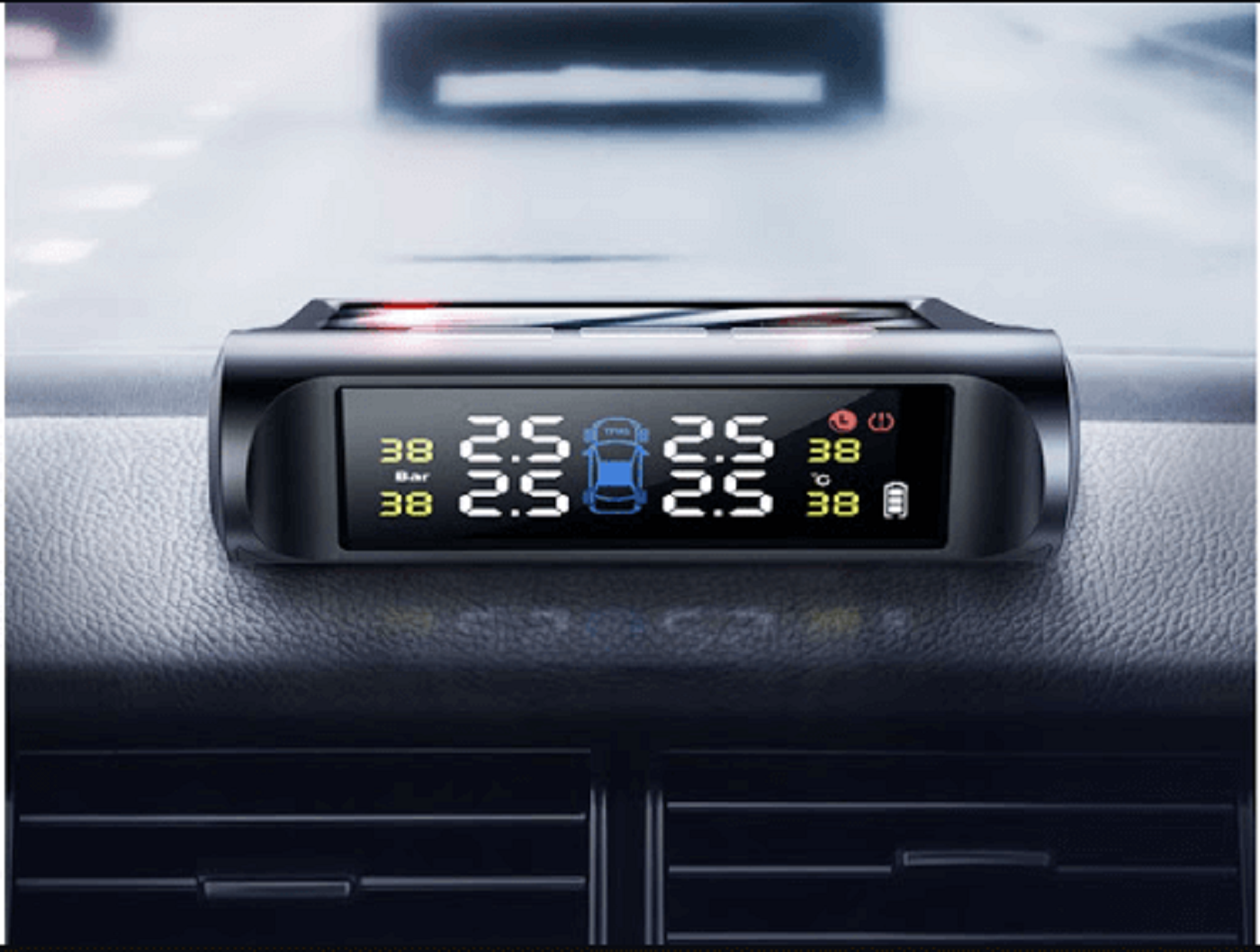
The car's dashboard continuously displays a low tire pressure warning, even though the tires themselves appear to be in normal condition. Furthermore, when tire pressure and temperature change, the readings on the screen remain unchanged.
How to fix it
Automakers affix a label indicating the standard tire pressure specifications for each model. This information is usually found on the side of the front door or on the fuel cap. Alternatively, users can also find tire pressure information in their owner's manual.
- Users can use a portable tire pressure gauge to check if their tires are at the manufacturer's recommended pressure. If the tires are overinflated, drivers need to release some air to the correct level, and inflate them if they are underinflated.
Next, the driver needs to reset the tire pressure monitoring system on the car. Some cars have a built-in reset button, but others require access to the control panel for resetting, so before using the car, drivers should carefully read the owner's manual to know how to do it.
Please note that after resetting the tire pressure system, you need to drive for at least 15 minutes for the warning light to turn off or the tire pressure readings to return to normal.
- Drivers should also visually inspect the tire pressure sensors for faults or damage caused by physical impact, corrosion, or loose connections.
- Replace the sensor battery: According to the manufacturer's design, the average lifespan of a sensor battery is 2 to 6 years. After this period, if the sensor valve is not transmitting data to the car's dashboard or the separate tire pressure sensor display unit, it is very likely that the sensor valve battery has run out.
When the sensor valve's battery is low, the display will show "L0" at the location corresponding to that valve's position. In this case, the user will have to remove the valve to replace the battery.


