
Extra tutoring and supplementary classes: What do parents and teachers in Nghe An have to say?
Extracurricular tutoring and supplementary teaching are real needs and are being organized in various forms both inside and outside of schools. Therefore, the Ministry of Education and Training's draft regulations on managing extracurricular tutoring and supplementary teaching are receiving considerable attention from teachers and parents.
Extra tutoring - a real need.
From the time her child entered first grade until now, in ninth grade, Ms. Tran Thi Huong from Hung Loc commune (Vinh city) has enrolled her child in at least two extra classes in academics every year. The extra tutoring became more demanding towards the end of elementary school, when she decided to have her child take the entrance exam for Dang Thai Mai Secondary School.
In junior high school, in addition to the three extra subjects – Math, Literature, and English – to prepare for the 10th grade entrance exam, her daughter also enrolled in an English class to prepare for the specialized entrance exam. The extra classes filled seven days a week, but the mother and daughter were still worried.
I find the exams highly competitive, and the questions are designed to differentiate students' abilities. Therefore, if my child only studies at school, it's difficult to guarantee sufficient knowledge to achieve high scores on the exams, so extra tutoring is still necessary.
Ms. Tran Thi Huong, Hung Loc commune (Vinh city)
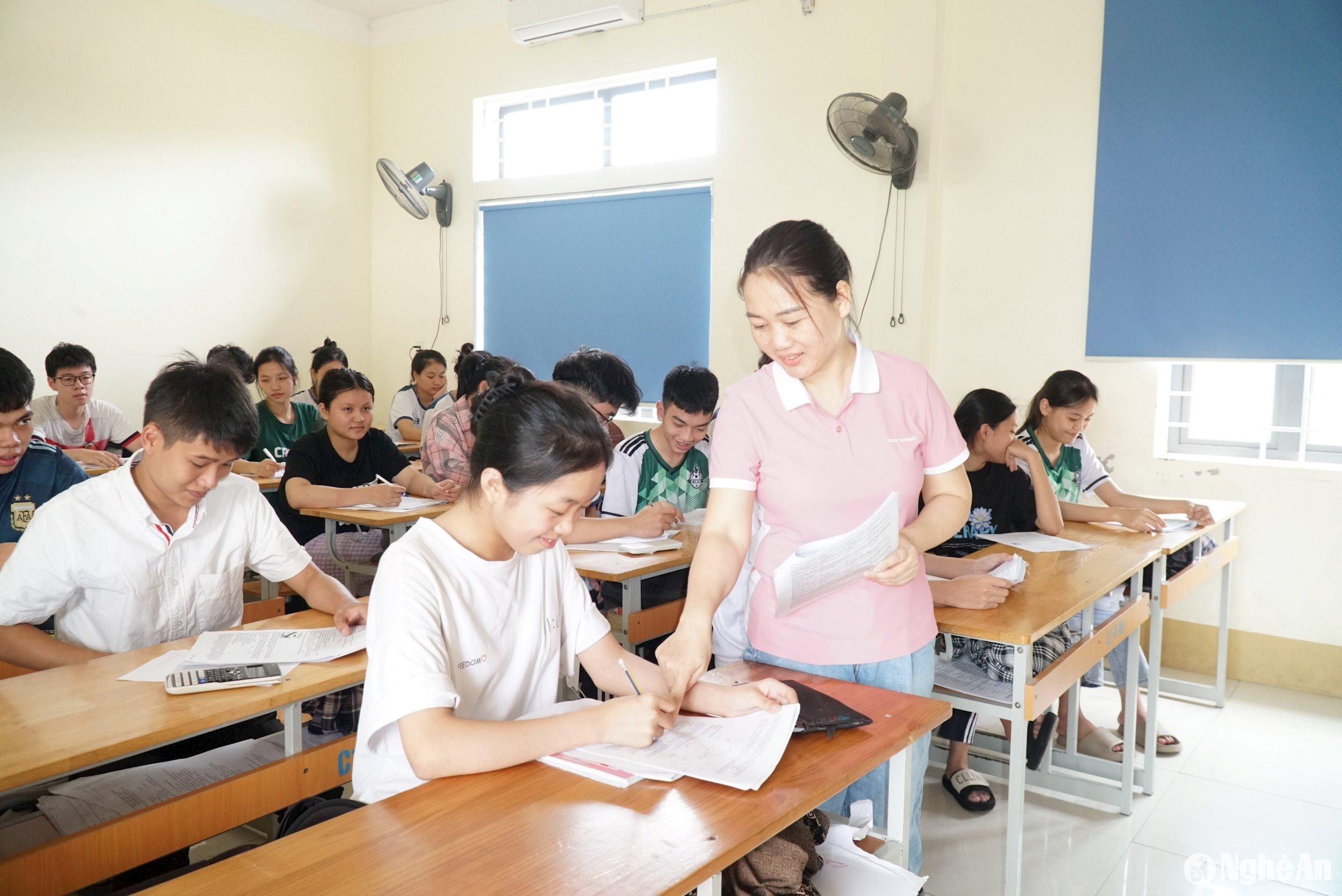
It's calledextra classesHowever, it seems that extracurricular activities have now become the "main focus" of education for many students, especially those in urban areas and central districts. To enroll their children in these extra classes, many parents have to go to great lengths to find teachers, accepting to spend dozens of times more than the tuition fees for regular school classes.
In Vinh City, the average price for a tutoring session currently ranges from 70,000 to 100,000 VND per session for most grade levels. However, for students specializing in a particular subject, taking extra English classes, or preparing for language proficiency exams, some classes charge 150,000 to 200,000 VND per session, with classes potentially having 30-40 students.
Despite the high tuition fees and the difficulty in securing admission, many parents in districts such as Dien Chau, Yen Thanh, Do Luong, and Nghi Loc are willing to rent vehicles and travel dozens of kilometers so their children can study with renowned teachers in Vinh City. As a result, the cost of these extra lessons doubles.
Besides hiring renowned teachers, many parents choose to enroll their children in private tutoring centers or other educational institutions. The current problem is that although these are educational facilities with teachers, students, and their own curricula and lesson plans, and some centers have over 1,000 students, quality control at these centers is currently lax.
Even the Department of Education and Training doesn't regulate it, because nowadays, tutoring outside of school is a type of business that doesn't require any specific conditions.
Responsibilities of the school and teachers
In addition to extra classes outside of school, supplementary classes are also offered at most schools. Accordingly, junior high school students typically study three subjects: Literature, Mathematics, and English. At the high school level, besides the two main subjects of Mathematics and Literature, students can register for additional subjects based on their planned graduation exam subjects for university admission.
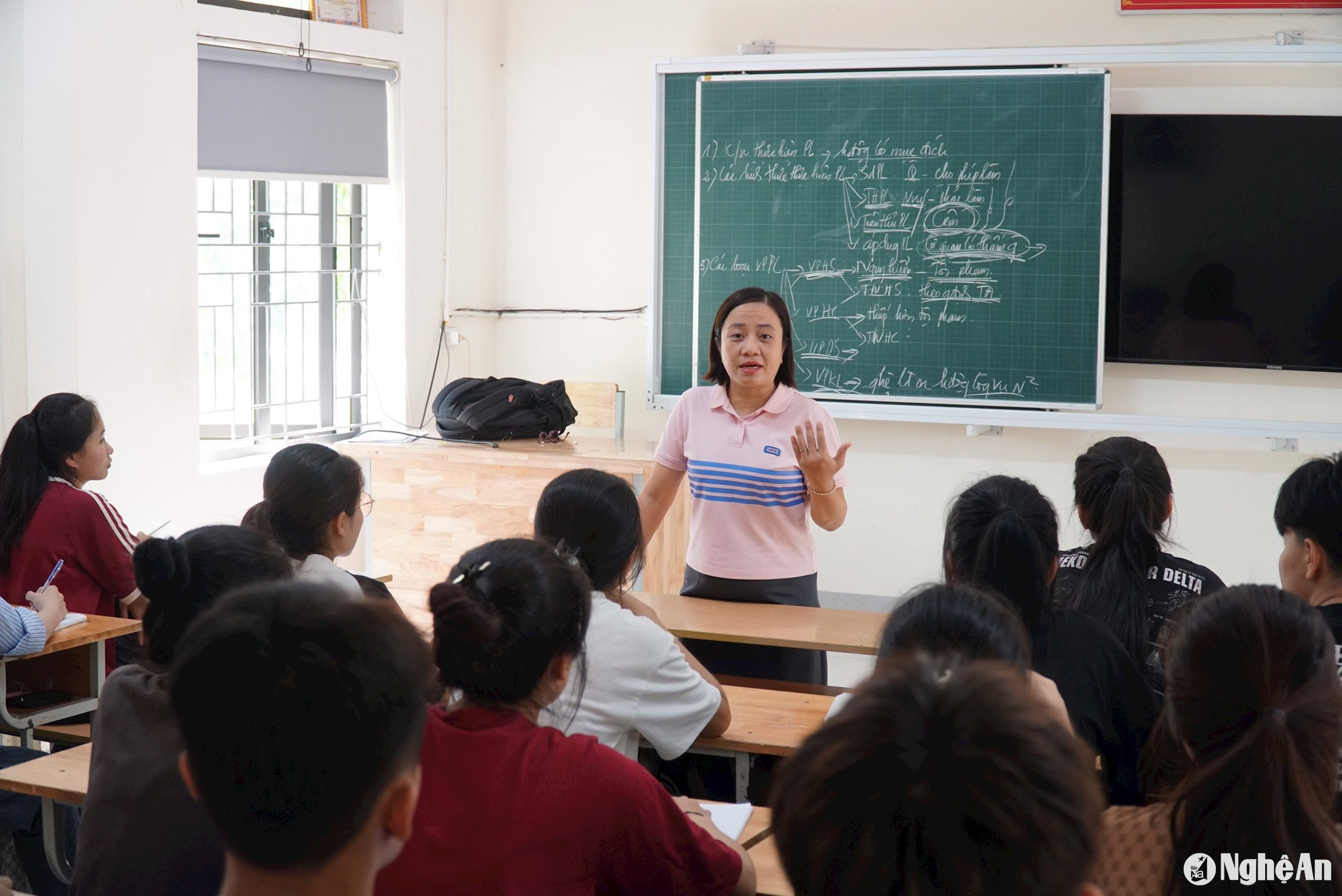
Regarding the issue of extracurricular tutoring, at the end of August, the Ministry of Education and Training issued a draft regulation on extracurricular tutoring with several new points. Previously, students who wanted extracurricular tutoring had to submit an application to the school. However, the new regulation requires that before offering extracurricular tutoring, subject departments must meet to reach a consensus and propose to the school principal the extracurricular tutoring for the subjects they are responsible for. After developing the plan, school representatives must meet with representatives of the parent committee to agree on which subjects and grade levels will receive extracurricular tutoring. Based on this, the school allows students to voluntarily register, then assigns classes and teachers to teach.
According to the Ministry of Education and Training, this change aims to create uniformity in organizing extra classes and tutoring, while simultaneously ensuring practicality, transparency, and the best interests of students.
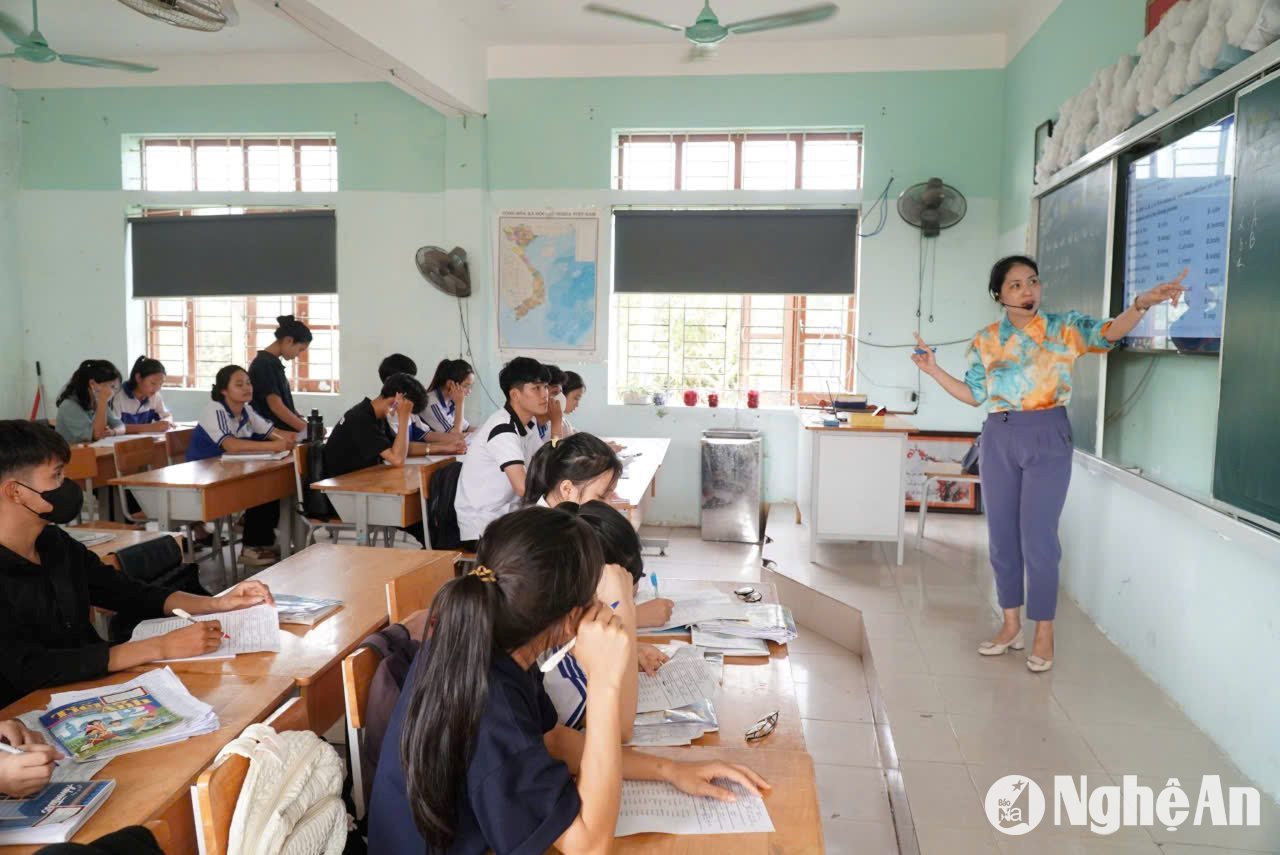
Furthermore, the Ministry of Education and Training specifies the teaching time and the organization of educational activities according to the school's plan, which is no more than 35 lessons/week for primary school; no more than 42 lessons/week for lower secondary school; and no more than 48 lessons/week for upper secondary school. Regarding teachers participating in extracurricular tutoring, the new draft has removed the regulation explicitly prohibiting public school teachers from organizing extracurricular tutoring, but they may participate in tutoring outside of school.
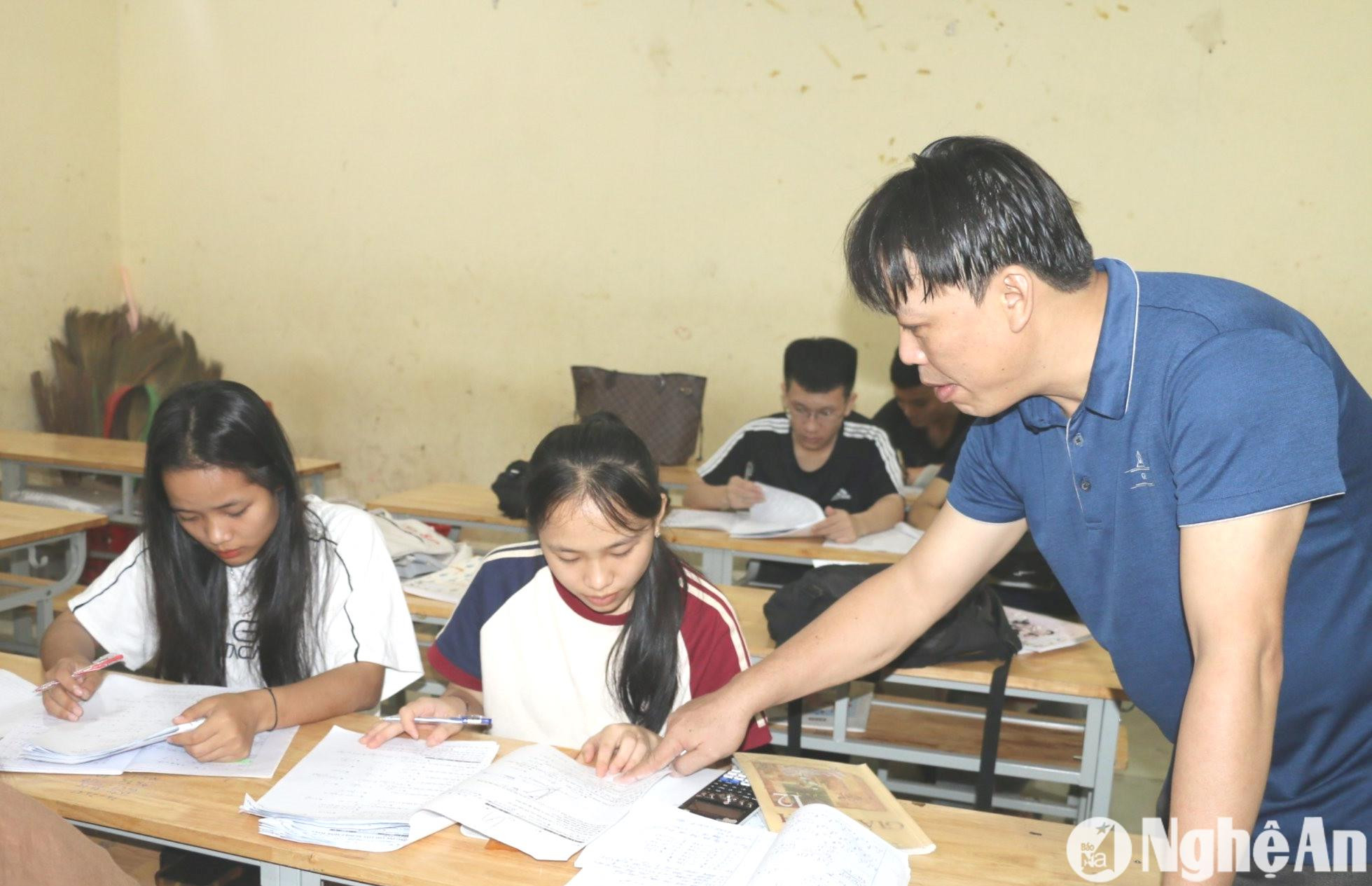
Instead, public school teachers now provide extracurricular tutoring to students they teach in regular classes without needing permission from the principal. However, they must report this to the principal, compile a list of these students, and commit to not using any form of coercion to attend the tutoring sessions. Teachers must also commit to not using examples, questions, or exercises taught in the tutoring sessions for student assessment.
Regarding this draft, many teachers affirmed that these new regulations are appropriate for the current conditions. Teachers themselves will also have the opportunity to contribute, develop their talents and intellect, and earn additional income in a legitimate way.
For a long time, there have been many conflicting opinions regarding tutoring and extra classes. However, I believe that extra classes should be based on "need," meaning that academically gifted students want to receive advanced tutoring, while weaker students want remedial instruction to improve, and extra classes must achieve their stated goals. In this way, parents and students will achieve better academic results, and teachers will also benefit both materially and spiritually from their efforts.
Teacher Le Van Thanh - Principal of Dang Thai Mai High School (Thanh Chuong)
At Dang Thai Mai High School (Thanh Chuong district), extracurricular tutoring has long been conducted according to three principles: voluntary participation from parents, teaching only necessary subjects for the graduation exam, and teaching only knowledge that the regular curriculum does not have enough time for. In practice, the school currently charges 20,000 VND per session, with approximately 80% going directly to the teachers. This fee is within the regulations of the Department of Education and Training…
In reality, despite relatively low tuition fees and limited options for students in rural areas, enrollment rates in many schools are only slightly above 50%. For 12th-grade students in particular, even when teachers voluntarily offer free extra tutoring, they still need to be encouraged to attend.
According to Mr. Le Van Thanh, Principal of Dang Thai Mai Secondary School, tutoring is also a "measure" of teachers' competence: The fact that students can "choose" their teachers when registering also requires teachers to make efforts, strive, and improve their expertise to demonstrate their capabilities.
From a management perspective, Mr. Nguyen Manh Ha - Head of the Political and Ideological Education Department - Continuing Education Department of the Department of Education and Training, also agrees with this new draft, because in reality, there is still a widespread problem of extra tutoring. Some public school teachers neglect classroom teaching and focus on teaching in extra classes, creating periodic tests that closely match the extra class curriculum…
Therefore, if tutoring is strictly managed, it will enhance the responsibility of teachers and ensure the rights of students. Mr. Nguyen Manh Ha also agreed that tutoring should be recognized as a real need for both teachers and students. Therefore, in addition to strengthening the management of tutoring within schools and by teachers in public schools, there needs to be additional mechanisms and supervision for tutoring conducted by independent organizations outside of schools.
Currently, there are no regulations governing extracurricular tutoring centers, making inspection, supervision, and enforcement very difficult. Perhaps it would be advisable to classify extracurricular tutoring as a conditional business activity. This would allow relevant agencies and departments to coordinate and manage it, similar to how they manage language centers and life skills centers.
Mr. Nguyen Manh Ha - Head of the Political and Ideological Affairs and Continuing Education Department, Department of Education and Training


