
Pepper prices today, August 10, 2025: Continuing to rise slightly.
Today, August 10th, domestic pepper prices are at 140,000 - 142,000 VND/kg, a slight increase of 1,000 VND/kg compared to yesterday. Domestic pepper prices are currently at their highest level in 5 years, up approximately 15-18% compared to the same period last year.
Domestic pepper prices
Today's pepper prices in key growing regions continued to rise slightly compared to yesterday. As a result, the average domestic pepper price is between 140,000 VND/kg and 142,000 VND/kg.
In the Central Highlands region, today's pepper price in Dak Lak increased slightly by 1000 VND/kg compared to yesterday, currently standing at 142,000 VND/kg.
Today's pepper price in Gia Lai increased by 1000 VND/kg compared to yesterday, currently standing at 140,000 VND/kg.
Today's pepper price in Lam Dong (formerly Dak Nong) increased by 1000 VND/kg compared to yesterday, currently standing at 142,000 VND/kg.
In the Southeast region, today's pepper price in Ho Chi Minh City (formerly Ba Ria - Vung Tau) is 140,000 VND/kg, an increase of 1,000 VND/kg compared to yesterday. Dong Nai also saw an increase of 1,000 VND/kg compared to yesterday, reaching 140,000 VND/kg.
Additionally, today's pepper price in Dong Nai (formerly Binh Phuoc) increased by 1000 VND/kg compared to yesterday, currently standing at 140,000 VND/kg.
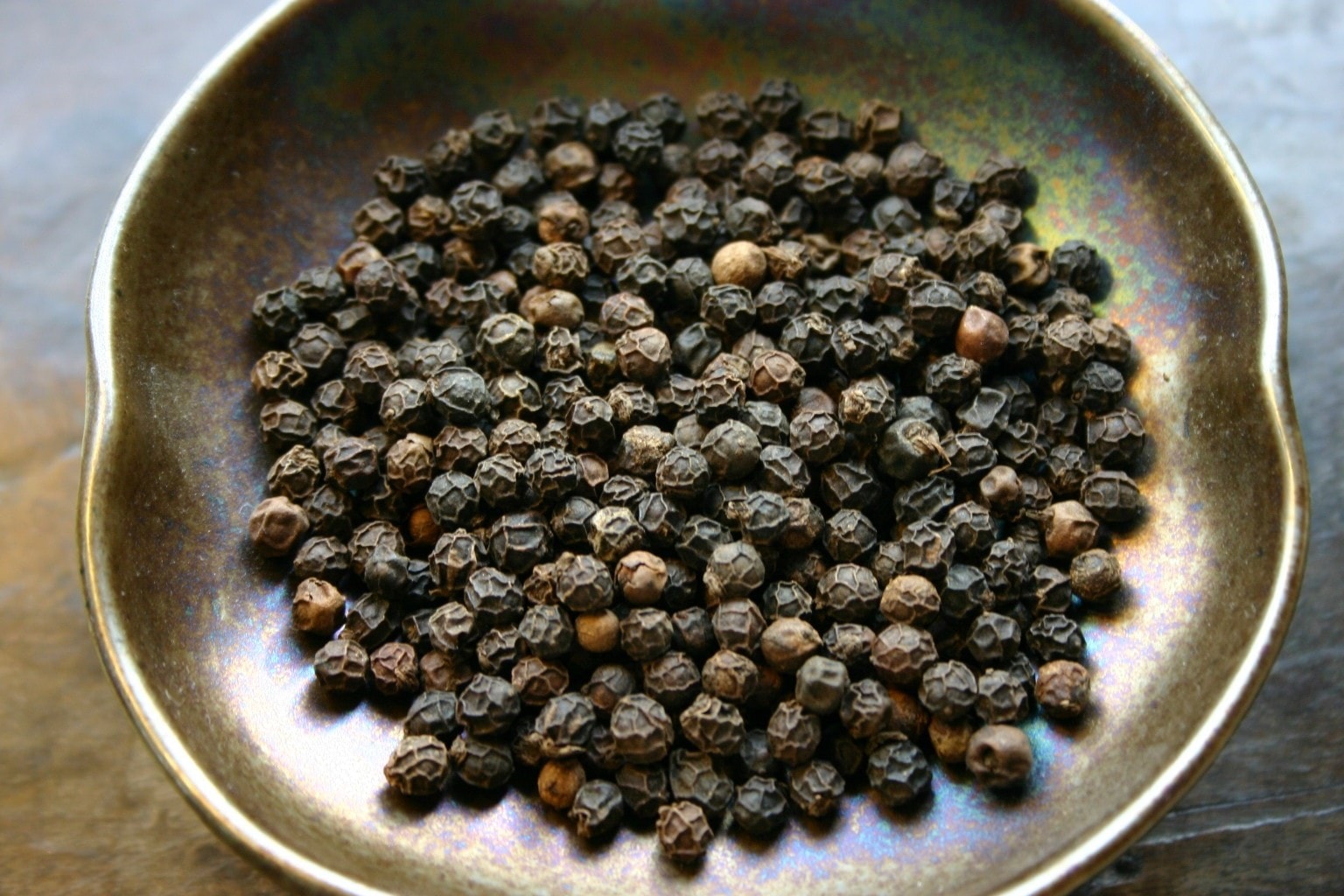
Domestic pepper prices are at their highest level in five years, up approximately 15-18% year-on-year. Farmers are encouraged to renovate aging pepper plantations, adopt sustainable farming practices, manage pests and diseases effectively, and use fertilizers rationally to reduce costs. Export businesses should focus on investing in deep processing and clean processing to meet the stringent requirements of high-end markets such as the EU, the US, and the Middle East.
Leveraging tariff preferences from free trade agreements such as EVFTA and CPTPP is crucial. Furthermore, building a brand for Vietnamese pepper with clear traceability is essential. Combining short-term benefits with a long-term strategy will help the pepper industry maintain growth, secure its leading position, and enhance its value in the international market.
According to IPC's forecast, from September to December, as Vietnam's net exports declined sharply in the first half of the year, the ability to supply from existing inventories may improve. This is a factor supporting supply for the latter part of the year.
Indonesia and Brazil are also entering their peak harvesting season. Stronger participation from all three main suppliers—Vietnam, Indonesia, and Brazil—could make the pepper export market more vibrant in the second half of 2025.
Today's pepper prices (August 10th) in the world market.
On the world market, based on quotations from exporting companies and export prices in various countries, the International Pepper Association (IPC) has updated the prices of various types of pepper traded on the international market on August 8th (local time) as follows:
Indonesian Lampung black pepper prices remained unchanged from yesterday at US$7,147/tonne. Additionally, Muntok white pepper prices also remained unchanged from yesterday at US$9,991/tonne.
The price of Brazilian ASTA black pepper remained unchanged from yesterday at $6,000 per ton.
Malaysian ASTA black pepper prices rose slightly compared to yesterday, currently at US$9,250/tonne (up 0.54%). Meanwhile, the price of ASTA white pepper from the same country remained unchanged at US$12,500/tonne.
Prices for all types of Vietnamese pepper remained unchanged compared to yesterday. Specifically, the price of Vietnamese black pepper (500 gr/l) reached US$6,240/ton; and the price of black pepper (550 gr/l) reached US$6,370/ton.
Similarly, the price of Vietnamese white pepper remained unchanged from yesterday at $8,950 per ton.
According to a new IPC report, the northern Brazilian harvest is expected to begin in September, as many exporters prepare to bring their goods to market. Inventories are currently low due to stable exports in the preceding period. As the harvest enters its peak, export activity is likely to pick up again.
In Indonesia, the new crop yield is projected to decrease, with some businesses estimating a drop of up to 30%. Harvesting takes place from late July to mid-August. Exports will continue during this period, but high domestic demand may reduce the amount available for export, thus impacting prices.
In Vietnam, the 2025 crop season was generally favorable and harvesting was completed in April. The start of the rainy season has brought positive conditions for flowering, creating expectations for a promising 2026 crop season if the weather remains favorable.
However, prolonged heatwaves remain a risk factor that can affect the health of pepper plants and reduce yields, requiring growers to pay more attention to garden care and protection measures.


