
Seafood prices are being manipulated, causing fishermen to suffer losses.
(Baonghean.vn) - A "paradox" is unfolding: while fuel prices have more than doubled in just six months, the price of seafood after harvesting has not increased, and in some cases, has even halved. This is the reason why fishermen in Nghe An are losing money the more they go out to sea.
Private traders force down prices.
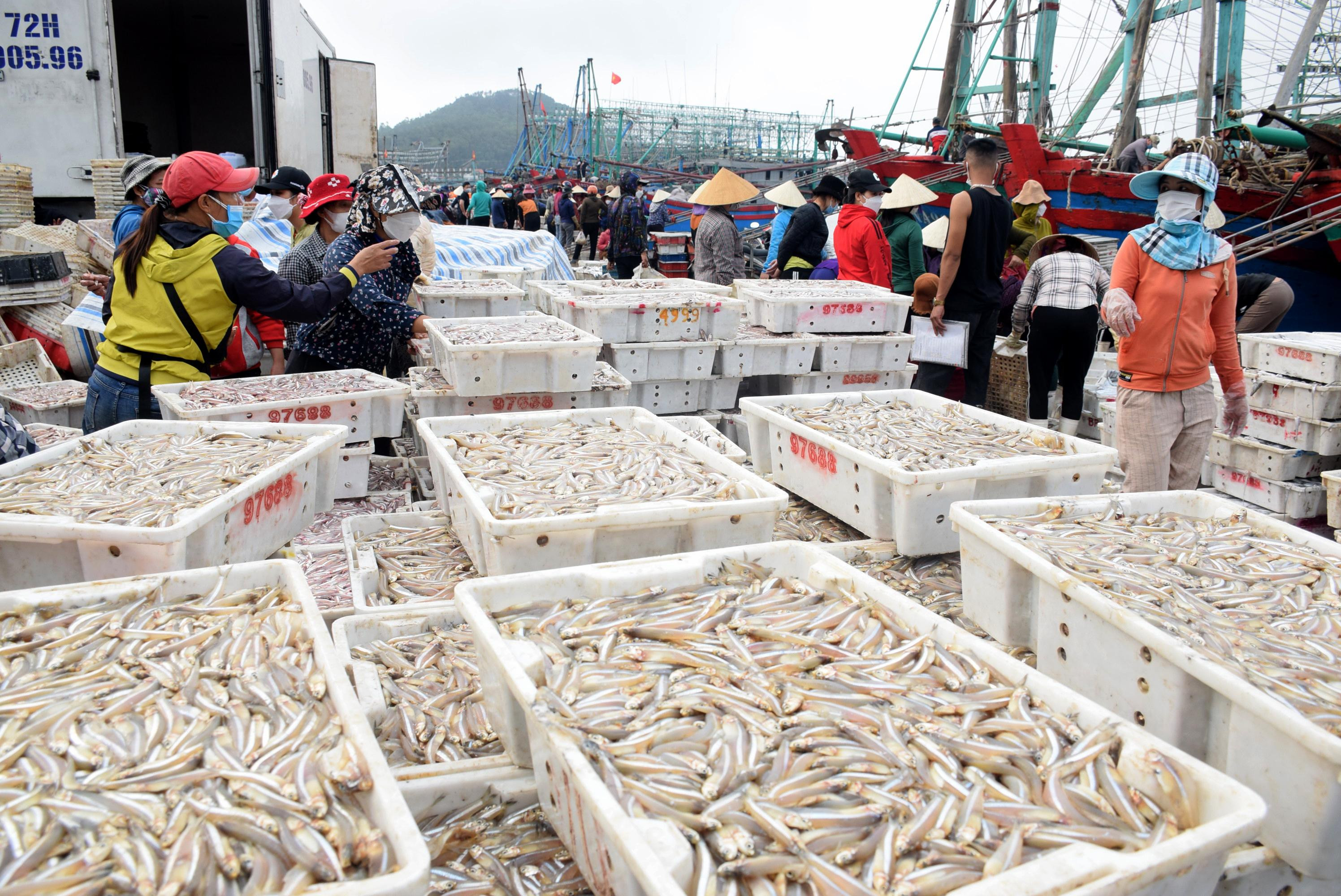 |
| When a large number of boats return, traders will lower the purchase price of seafood. Photo: Xuan Hoang |
Fisherman Dinh Trong Chuong from Tien Thuy commune (Quynh Luu district) said that when the boat was nearing the port, there was already...tradersThey wait for buyers and set their own prices; sometimes the price drops, but the fishermen have to accept it. The seafood traders are mainly those who supply the cold storage facilities in the district, and they come up with many reasons to lower prices.
"The high price of oil, coupled with the fact that seafood prices at the fishing port are even falling, is causing fishermen to suffer losses after each fishing trip. Perhaps, we need large enterprises to come in and purchase the seafood in order to maintain price stability," fisherman Dinh Trong Chuong wondered.
Mr. Nguyen Duc Dong - ManagerLach Quen fishing portAccording to him: Usually, fishing boats return to port twice a month, in the middle and at the end of the month. The boats that return earlier can sell at a better price, but when the boats return in large numbers, traders lower the price. In the first few months of this year, the price of tuna even dropped by more than half; previously it was priced at 80,000 - 120,000 VND/kg, but now it's only 30,000 - 40,000 VND/kg. Because seafood prices haven't increased, while fuel prices have skyrocketed, most boats suffer losses after each trip, and the number of boats docked ashore is increasing.
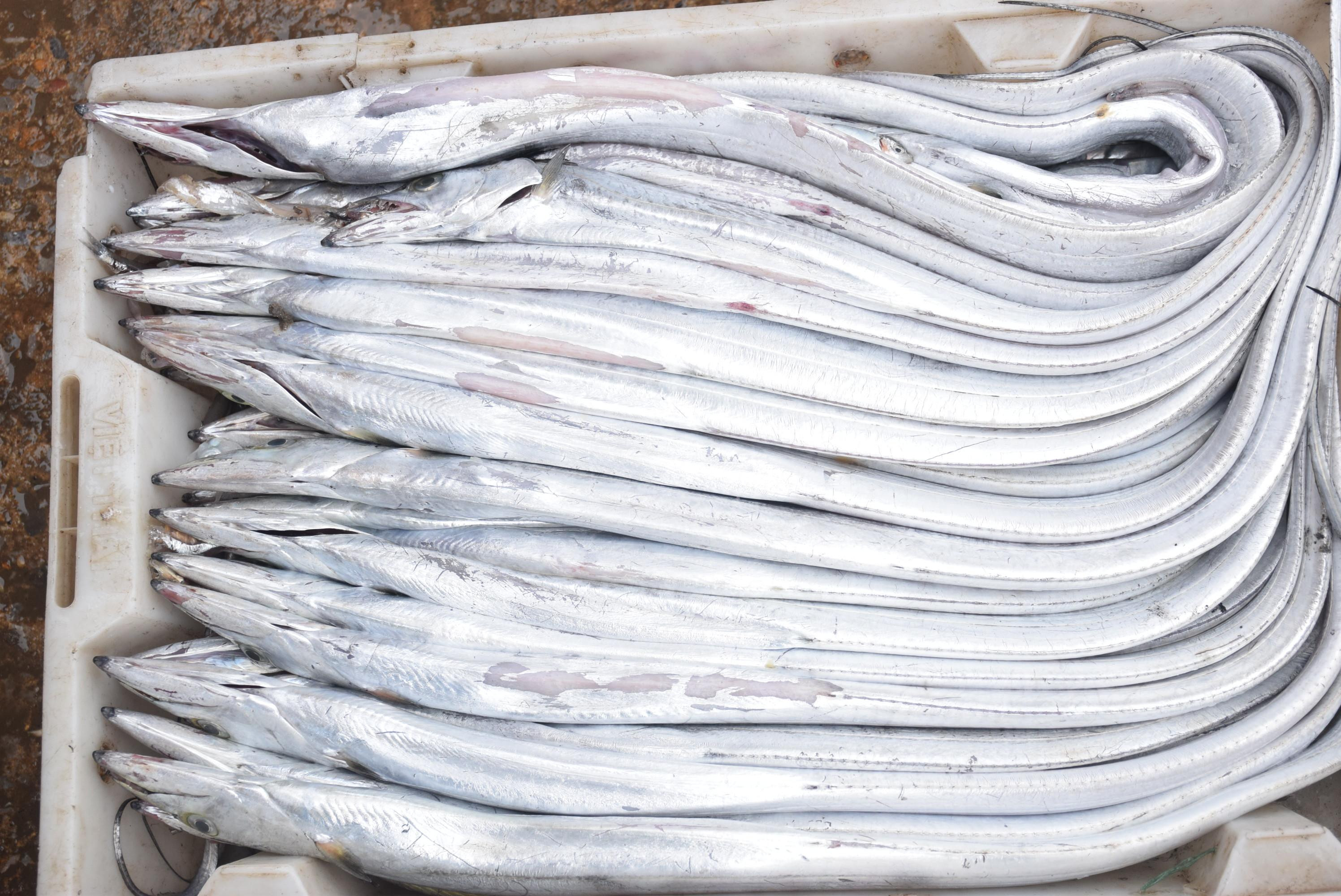 |
Mackerel prices have dropped sharply, the biggest drop in the past six months. Photo: Xuan Hoang |
Meanwhile, according to the buyers' "argument," the drop in seafood prices is due to the Chinese market freezing up because of the "Zero Covid" policy.
According to Mr. Le Xuan Tu, manager of a cold storage facility in Hamlet 6, Quynh Nghia Commune (Quynh Luu District), the reason why the purchase price of seafood from fishermen has not increased is because the export market to China is not yet open. Most frozen seafood currently has to be transported to Ho Chi Minh City and other southern provinces for consumption. Meanwhile, the high price of fuel has caused a sudden increase in transportation costs, forcing cold storage facilities to reduce input prices.
"In spite ofseafood production"In the first six months of the year, there wasn't much, and at times we even lacked sufficient input, but we couldn't increase the purchase price for the farmers because we had to bear all the transportation costs," Mr. Tu said.
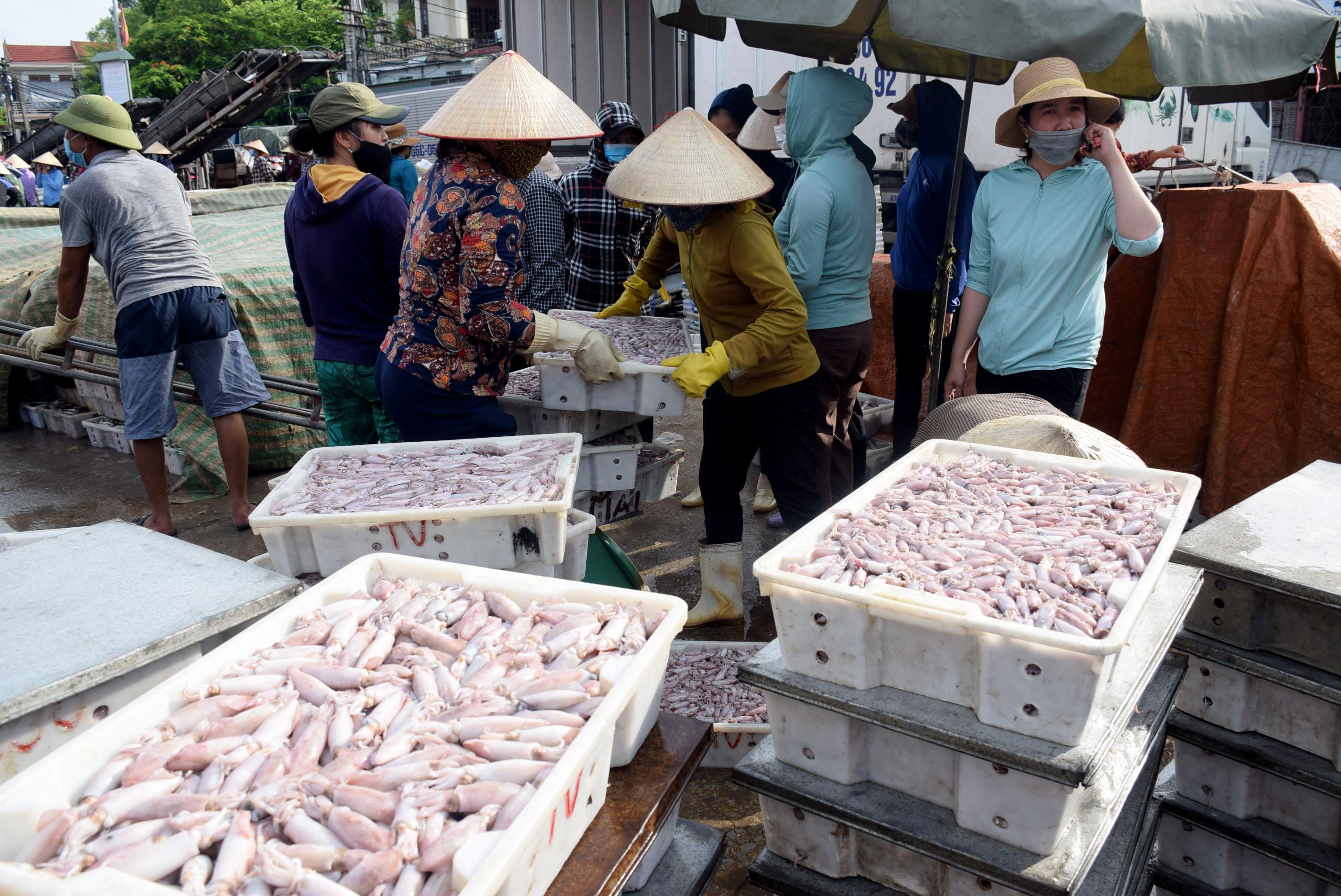 |
| While fuel prices have doubled, seafood prices have fallen, which is the main reason for fishermen's losses. Photo: Xuan Hoang |
Surveys reveal that price manipulation by private traders is occurring at all fishing ports in Quynh Luu district and Hoang Mai town, which are the areas with the highest number of large-capacity fishing vessels and seafood catches in the province. Fishermen say they are completely powerless, as 100% of their catch depends on traders.
We need a large company to buy all the products.
Nghe An currently has 3,422 fishing vessels operating at sea (including 1,170 vessels with a maximum length of 15m or more), of which 1,621 are gillnet fishing vessels, 589 are purse seine fishing vessels, 704 are purse seine and trawling vessels, and 348 are other fishing vessels, with 17,014 direct laborers on board. The annual seafood catch exceeds 170,000 tons.
Besides creating jobs for tens of thousands of coastal workers and contributing to socio-economic development, fishing vessels also have the responsibility of protecting the country's seas and islands. Therefore, the Party and State always encourage fishermen to stay at sea. However, the sudden increase in fuel prices has directly affected fishermen's incomes.
The report from the Department of Agriculture and Rural Development also confirmed that gasoline and diesel prices have continuously increased by over 70%, and the prices of supplies and equipment for seafood exploitation have also increased (ice, food, fishing gear, labor), but the selling price of seafood in the first months of 2022 has not increased, causing difficulties for fishing activities, with many fishing boats remaining docked.
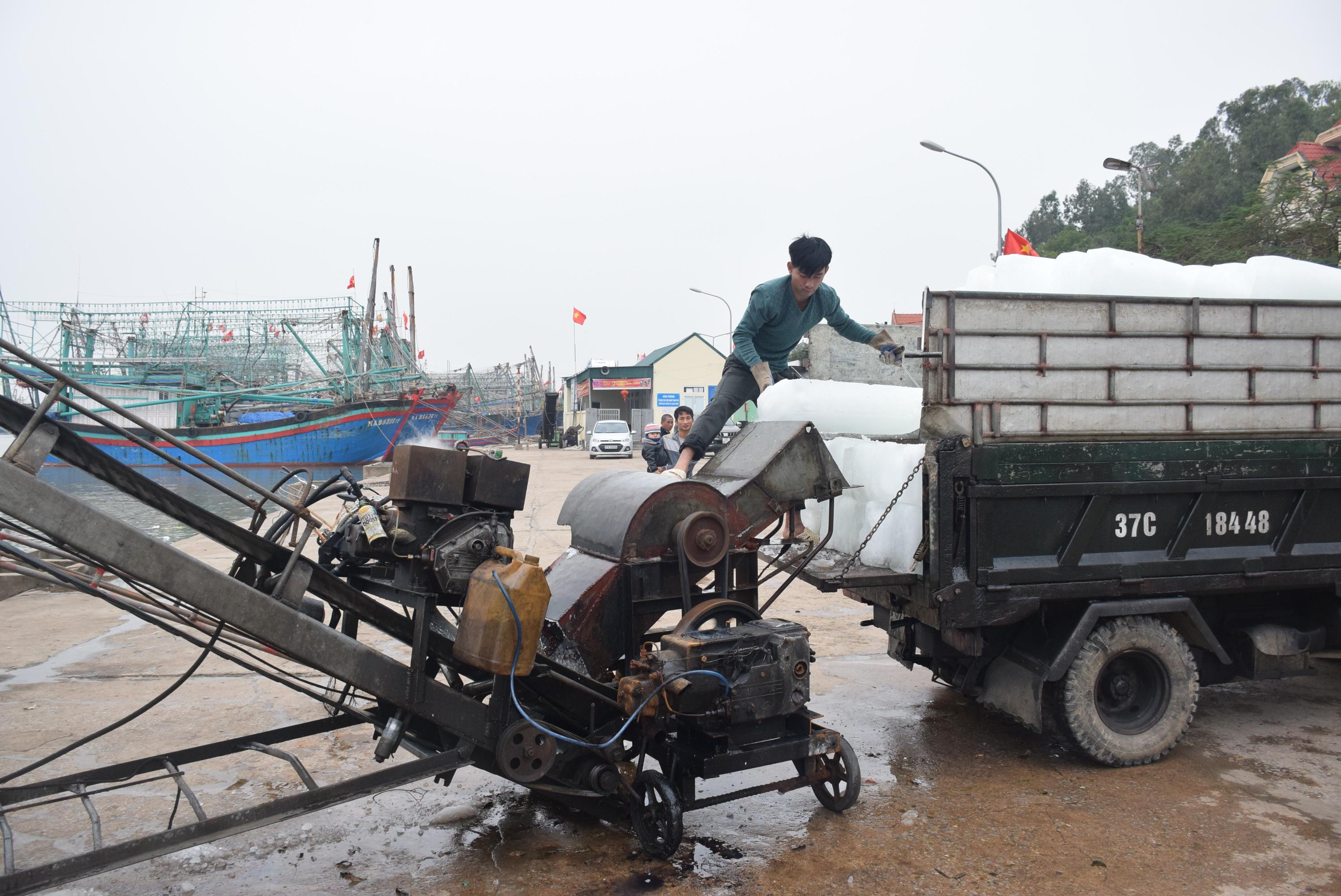 |
Rising oil prices have led to increases in the prices of other materials used in the fishing industry. Photo: Xuan Hoang |
For example, the purse seine fishing industry, mainly concentrated in Quynh Luu district and a small number in Hoang Mai town, had an average cost of 120-140 million VND per fishing trip before 2020, with an income of 6-7 million VND per worker per month. However, from the beginning of 2021 until now, due to...gasoline and diesel pricesThe continuous increase in costs has raised the price of each fishing trip by 40-60 million VND, significantly impacting the profits of fishermen, leading to most fishing boats going out to sea less frequently; currently, only 10-20% of fishing boats are profitable, but the income of laborers has decreased to 4-5 million VND/person/month; 40-50% of fishing boats are operating at a loss and are idle.
At a meeting of the Provincial People's Committee at the end of June to discuss solutions to overcome difficulties for fishermen, representatives from several communes, including Quynh Lap (Hoang Mai town), Tien Thuy, Quynh Nghia, and Quynh Long (Quynh Luu district), stated that the practice of private traders manipulating seafood prices has been ongoing. To stabilize the market for seafood after harvesting, in addition to investing in upgrading fishing ports, the province needs to attract large enterprises to process and purchase seafood from fishermen on a stable basis.
Mr. Tran Xuan Hoc, Deputy Director of the Department of Agriculture and Rural Development, stated that, until now, the majority of seafood after harvesting has been purchased by traders to supply small-scale freezing facilities in the province. In the future, the Department of Agriculture and Rural Development will continue to call upon these traders to participate.businessesInvestors are building and developing a supply chain encompassing exploitation, logistics services, aquaculture, preservation, processing, and consumption of seafood products to enhance product value and stabilize prices.


