
Hamas returns bodies of 4 hostages, Israel releases Palestinian prisoners.
On February 27, Reuters reported that Hamas had returned the bodies of four Israeli hostages while awaiting the release of hundreds of Palestinian prisoners by Israel. The exchange, conducted overnight, was the final one under the fragile ceasefire agreement in Gaza.
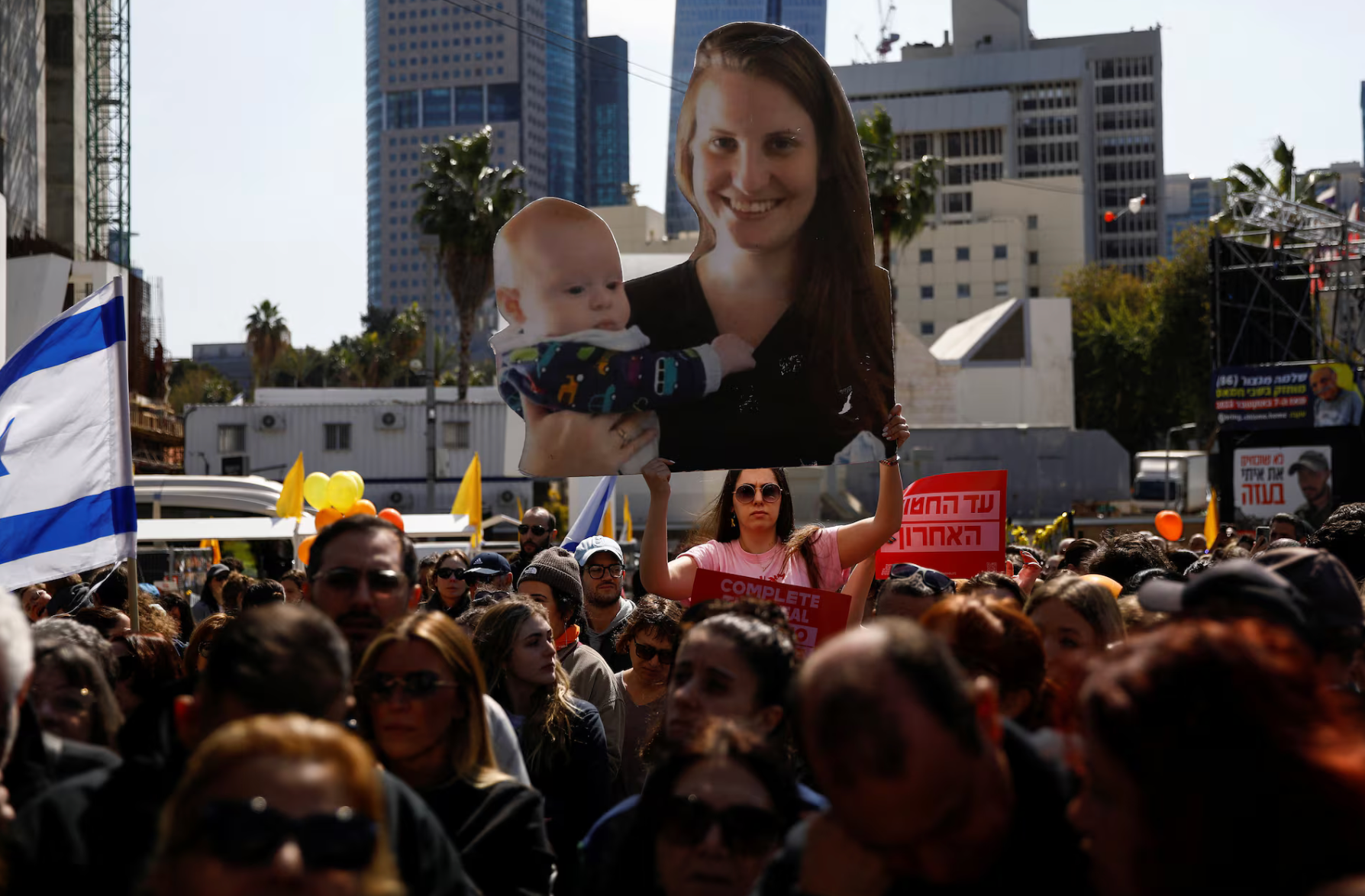
Return the bodies of hostages.
The ceasefire, which took effect on January 19, has generally been maintained, despite numerous obstacles. However, the first phase of the agreement is expected to conclude this week, and the fate of the next phase, aimed at ending the war, remains unclear.
Hamas said on February 27 that it was ready to begin negotiations for a second phase and that the only way the remaining hostages could be freed was through a commitment to a ceasefire.
After days of deadlock, Egyptian mediators on February 26 secured the release of the bodies of the last four hostages in the first phase of the agreement, in exchange for 620 Palestinians detained by Israeli forces in Gaza or held in Israeli prisons.
The office of Prime Minister Benjamin Netanyahu announced that early on February 27, Israel had received coffins containing the remains of four hostages.
Hamas had previously identified the bodies as those of Tsachi Idan, Itzhak Elgarat, Ohad Yahalomi, and Shlomo Mantzur, all of whom were abducted in the October 7, 2023 attack from homes near Gaza.
The bodies are undergoing initial identification on Israeli territory, and official notification will be sent to the hostages' families once the process is complete, Netanyahu's office said in a statement.
The repatriation agreement had also been delayed earlier after Hamas returned the remains of an unidentified Palestinian woman instead of Shiri Bibas, before finally returning the correct body the following day. Medical personnel said the unidentified woman's body was returned to a hospital in Gaza on February 27.
According to the Israeli Ministry of Health, a full forensic examination to determine the cause of death of the last four bodies returned to Israel will be conducted later. According to Israeli authorities, approximately 30 hostages have died in Gaza, some murdered by their captors, and others killed in Israeli attacks.
Release Palestinian prisoners
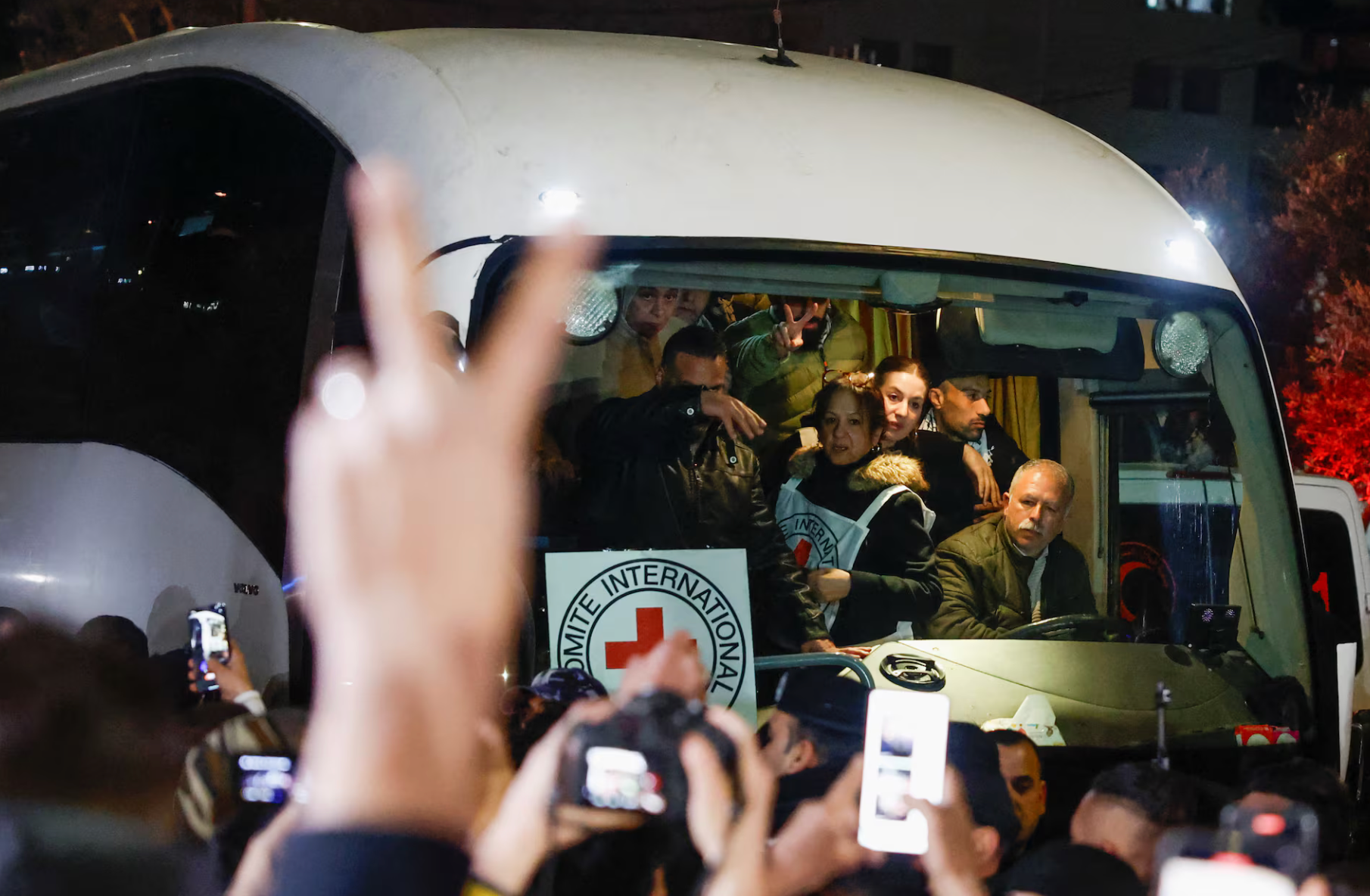
According to a Hamas source, the Palestinian prisoners expected to be released include 445 men and 24 women and minors captured in Gaza, as well as 151 prisoners serving life sentences for deadly attacks against Israelis.
A bus carrying several released Palestinian prisoners left the Israeli Ofer prison in the occupied West Bank and headed to the Palestinian city of Ramallah shortly afterward, according to live footage.
The group disembarked from the vehicle to the cheers of hundreds gathered outside, and some of the released men – wearing blue jackets and keffiyeh headscarves – were hailed by the crowd.
Bilal Yassin, 42, told Reuters that he had been held captive in Israel for 20 years. The West Bank native said he had faced oppression and terrible conditions during that time. "Our sacrifices and time in prison were not in vain," Yassin said. "We always believed in the Palestinian resistance."
According to a source from Hamas and Egyptian media, nearly 100 other Palestinian prisoners have been handed over to Egypt, where they will remain until another country accepts them.
Ambulances then arrived at the European Hospital in Khan Younis, southern Gaza, early on the morning of February 27, carrying the released Palestinian prisoners, who would undergo health checks.
In total, according to Hamas, 580 prisoners and detainees will be released in Gaza. The buses, escorted by the Red Cross, are expected to arrive in the next few hours.
The initial phase of the ceasefire included the exchange of a total of 33 Israeli hostages for approximately 2,000 Palestinian prisoners and detainees, as well as the withdrawal of Israeli troops from several positions in Gaza and an increase in humanitarian aid.
However, with the 42-day ceasefire scheduled to end on March 1st, it remains unclear whether the ceasefire will be extended to allow for the release of more of the remaining 59 hostages, or whether negotiations for a second phase of the agreement can begin.


