
The era of chaotic certificate-based awards for students is over.
The proliferation of certificates and awards is a concern for many parents and the public at the end of each semester or school year. However, with the evaluation method outlined in Circular 22, this situation has been somewhat mitigated, aiming for more substantive and comprehensive awards.
Students have many opportunities to improve their grades.
According to the 2018 General Education ProgramIn addition to midterm and final exam scores, students studying Literature will receive 4 additional points for regular assessment. Previously, grading was mainly through 15-minute tests and oral exams, but now it can be more flexible through practical exercises such as group assignments, individual assignments, or if students perform well during a class, teachers can also give them extra points.
With this grading method, Ms. Nguyen Thi Giang, a Literature teacher at Mai Hung Secondary School in Hoang Mai town, has also made many changes in how she assesses students: "I often assign group homework so that students can prepare for the lesson beforehand. During the official lesson, each group can come up to answer questions, and other groups will provide feedback and comments. Through this activity, students will develop their skills, and the teacher will assess and grade students comprehensively."
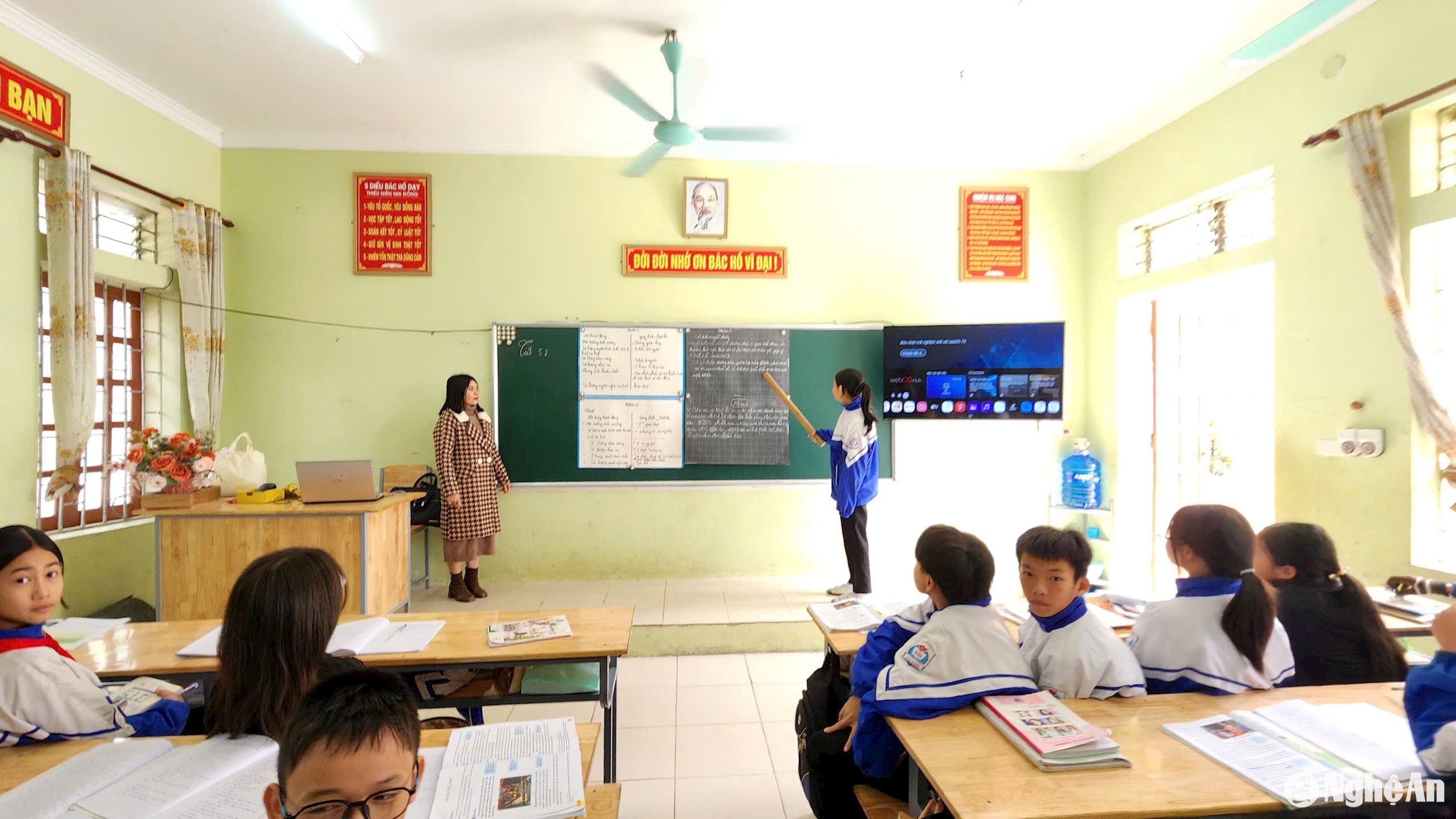
Instead of solely evaluating academic results, Circular 22/2021/TT-BGDĐT stipulates that the evaluation of secondary school students under the 2018 General Education Program is carried out using methods that assess both student conduct and academic performance. Furthermore, evaluating student academic performance using scores can be done in various ways, not simply through tests as before.
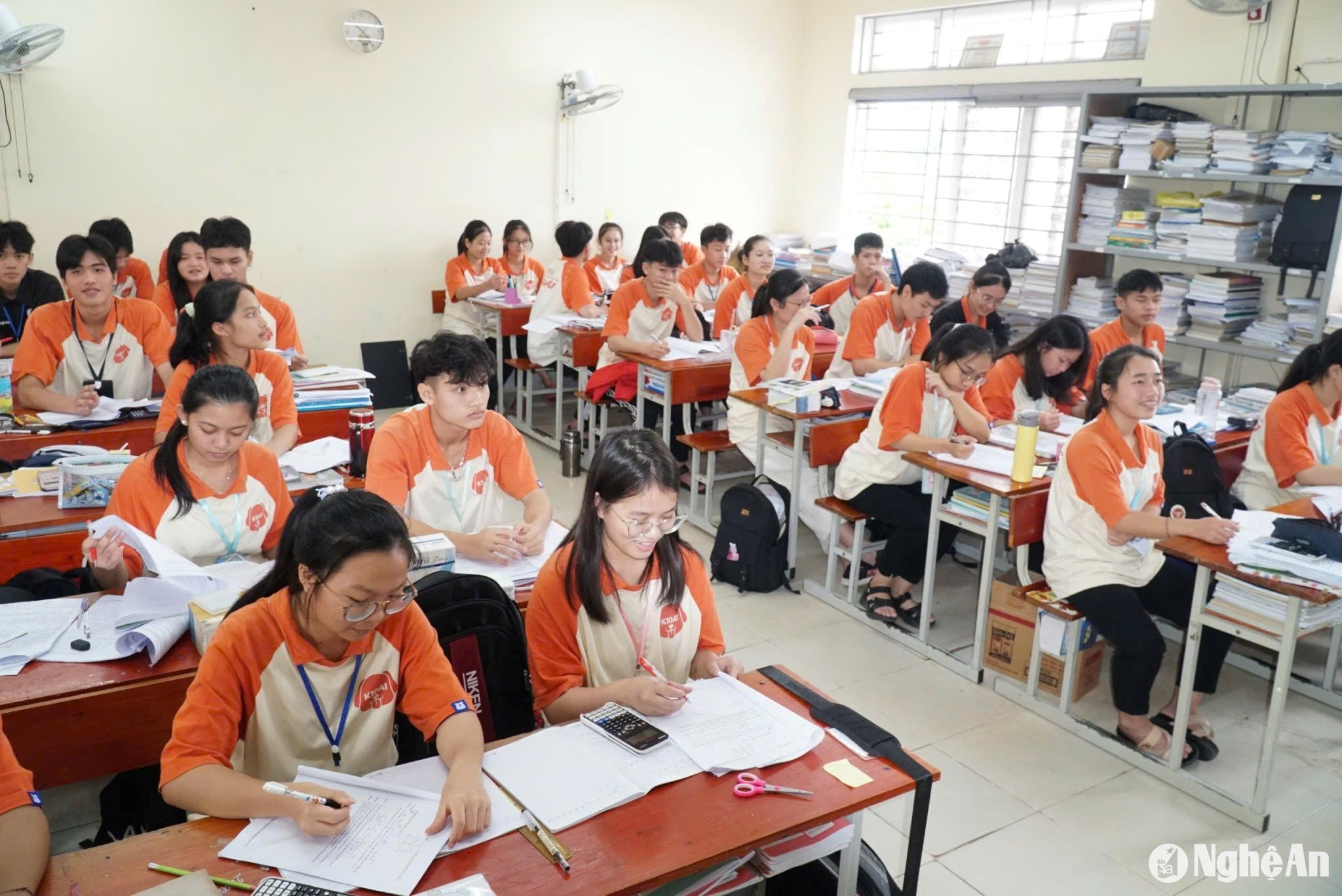
After three years of implementing this system at the high school level, Mr. Dau Nguyen Hung – a math teacher at Ethnic Boarding High School No. 2 – stated: "We have many ways to assess students' learning outcomes, such as through classroom activities, tests, or the learning process. In addition, we regularly evaluate students' application of knowledge to practical situations to assess their abilities."
For midterm and final exams, in addition to tests based on the exam matrix and guidelines from the Department and the Ministry, we will also have a score based on learning projects. In my opinion, this new assessment method is positive and helps students improve their scores.
Reduce the "quantity" but "improve" the quality of awards.
Class 8C, under the supervision of teacher Hoang Thi Hoai, is not a selective class at Long Lam Secondary School (Nam Dan). Therefore, despite many efforts last school year, none of the students in the class achieved an excellent academic rating.
Regarding this change, teacher Hoang Thi Hoai said: "Previously, if students were classified as good or excellent, the percentage of students receiving certificates of merit each year reached 50-60%. However, according to the classification regulations in Circular 22, students are classified as good - fair - satisfactory - unsatisfactory, and only students with an average subject score of 8 or higher and at least 6 subjects with scores of at least 8 are considered to have good academic performance. Therefore, the number of students achieving this result is very small. In fact, in my class, during the 2023-2024 school year, there were 3 students with an average score above 8 but one subject with a score below 8, so they did not receive any awards."
According to Ms. Nguyen Thi Phuoc Nhuan, Deputy Principal of Long Lam Secondary School, the percentage of students achieving excellent or higher grades each year is only about 10-15%, and the number of students achieving outstanding results (scoring 9 or higher) is very small.
The new assessment method evaluates students both during their learning process and based on their academic performance across all subjects, resulting in a limited number of students meeting all the criteria.
The school also recognizes that students must be evaluated based on their true abilities and merits, rather than focusing on quantity. Only students who genuinely meet the criteria will receive awards.
.jpg)
At Nghi Duc Secondary School (Vinh City), Principal Nguyen Viet Phuong also acknowledged that after changing the student assessment method according to Circular 22, the number of students receiving awards annually decreased significantly from 70-75% to 20-25%. Although the result is much lower, after many years of management experience and an objective assessment, Mr. Phuong believes this is a positive sign.
"As soon as Circular 22 was issued, we disseminated it to parents and students so that families could see the innovative spirit of this Circular. At the same time, we also wanted parents to know that only truly excellent and outstanding students would be rewarded. This might reduce the number of recipients, but conversely, it becomes a motivation for students to strive for excellence."
Those who receive awards will see this as a well-deserved reward for their hard work and effort. Those who do not yet meet the criteria will have to strive harder in both their studies and personal development, avoiding the situation where they only focus on a few subjects to prepare for the 10th grade entrance exam. Instead, to be awarded, they must study consistently and excel in all subjects."
Mr. Nguyen Viet Phuong - Principal of Nghi Duc Secondary School (Vinh City)
The 2024-2025 school year is the fourth year of implementing student assessment according to Circular 22. The aim is to determine the level of completion of students' learning and training tasks according to the required standards stipulated in the 2018 General Education Program.
In addition, evaluating high school students according to Circular 22 also provides accurate and timely information for students to adjust their training and learning activities, and for education administrators and teachers to adjust their teaching activities.
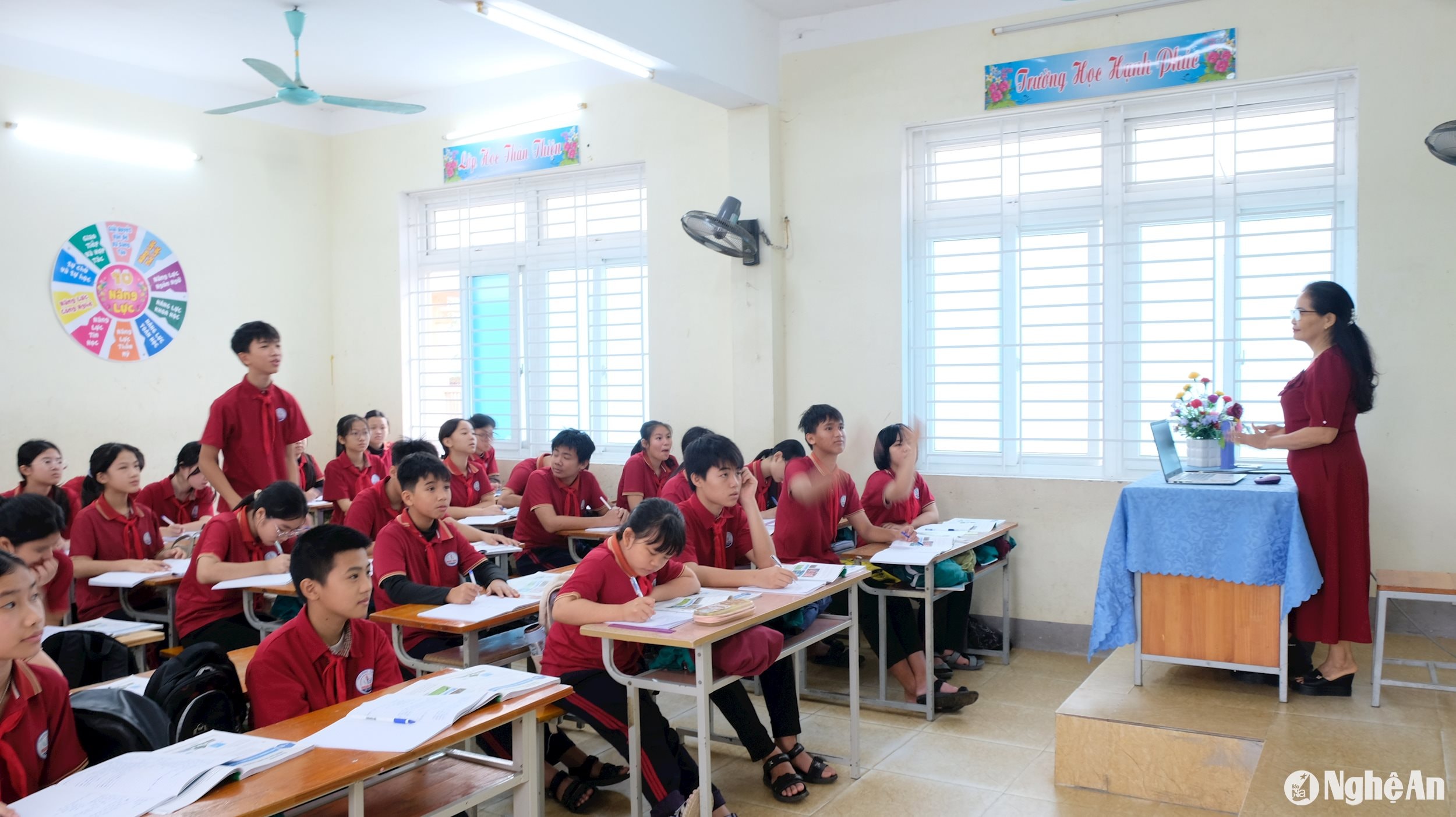
In Nghe An, after more than 3 years of implementing the assessment according to Circular 22, Mr. Nguyen Tien Dung - Head of the Secondary Education Department - Department of Education and Training affirmed that the new assessment method has many optimal points for comprehensively evaluating students.
Circular 22 assesses students based on their competencies in each subject, with a focus on recognizing student progress.
Therefore, with multiple scores (regular scores), students have more opportunities and different ways to express themselves and improve their scores, unlike the fixed grading system of previous tests.
Mr. Nguyen Tien Dung – Head of Secondary Education Department – Department of Education and Training
Mr. Nguyen Tien Dung also compared and pointed out the differences in the way awards and certificates of merit are given to students according to Circular 22. Previously, subjects like Mathematics and Literature were weighted with a coefficient of 2, while other subjects were weighted with a coefficient of 1. However, currently, all subjects are weighted with the same coefficient, and students are only awarded if they are considered excellent (average score above 8 and at least 6 subjects above 8) or outstanding (average score above 9 and at least 6 subjects above 9). This creates equality across subjects, requiring students to develop evenly and comprehensively.
In addition, Circular 22 also provides a more flexible approach to rewarding students who show exceptional progress and effort in certain subjects. This ensures timely and genuine encouragement and motivation for students, while avoiding the chaotic situation of an excessive number of certificates of merit that existed previously.


