
When Facebook changes its algorithm
These past few days, the social media community has been buzzing about posts on their walls receiving little interaction. Some accounts even have incredibly high follower counts, yet their posts are rarely seen. Sometimes, even after following and being friends with someone, posts never appear on shared pages. Everyone is scrambling, wondering what's wrong with Facebook. Nothing's wrong; Facebook, under pressure from other social networks, has had to adapt to better suit current user trends.
While Facebook was initially created with the mission of connecting people and building a space for meeting and sharing, that mission is no longer its core focus. In its development strategy, facing competition from TikTok, the social network that once revolutionized the world is now becoming a global content discovery, entertainment, and consumption machine, powered by AI, with recommendation algorithms almost identical to TikTok's.
Most noticeably, the way content is distributed has completely changed, no longer prioritizing friends or followers. AI algorithms decide who gets to see your content, based on thousands of behavioral signals such as watch time, rewatches, comments, topics of interest, etc. From there, the AI will allocate impressions to posts.
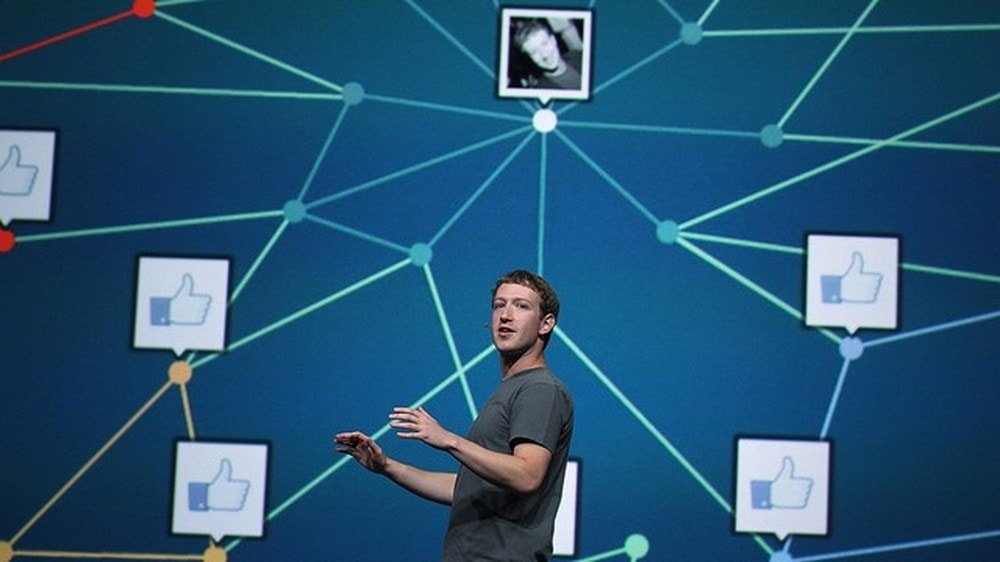
However, the biggest change is that Reels has become the main distribution channel. Any engaging video can be recommended to millions of strangers, even if they've never followed or interacted with you. Simultaneously, Facebook will prioritize original content and penalize copied content. This demonstrates respect for copyright and protection of content creators on the platform. Facebook will heavily reward genuine creators and reduce the reach of reposted or unoriginal posts.
But perhaps what users of this social network care about most is Facebook's push to monetize and rank creative content. The social network is turning creativity into a "professional occupation," with rewards, badges, and real earning opportunities. The number of followers is no longer as important as the quality of content and the time viewers spend with the audience.
This means that from reading to viewing, the viewing element is now the crucial factor for your account to attract user attention and for Facebook to decide on its display. Thus, it's clear that Facebook has transformed from a "connection center" to a "discovery center." But from a digital media perspective, this is an opportunity for users, no longer limited by their circle of friends; with good content, you can reach millions of completely new people.
From this point on, social media users must also consciously shift from a "virtual" way of playing to a "real" way, meaning they must strategize to avoid being left behind, at least among their friends. When Facebook restructures its entire platform towards an AI-first approach, meaning everything revolves around user behavior, we must understand the most valuable signals, including: Average watch time – the longer viewers stay, the more the video is promoted; Completion rate – especially with short Reels; Rewatch – if viewers rewind, it's a signal of "high-quality content"; Genuine interaction: Content-based comments, shares, and saves; Intent & topic: The system automatically suggests content relevant to the user's interests, regardless of whether they follow you; Originality: Prioritizing genuine authors and significantly reducing the reach of copied content.
These factors demonstrate Facebook's breakthrough in perfecting what is considered the world's most widely used social network. In this "major overhaul," Facebook is moving towards a shared commercial model, meaning a win-win situation between the platform and its users. Users are no longer carefree but must view their personal profiles as their second home in the digital space. There, users themselves must nurture it by exploring and staying relevant. This involves focusing on video or Reels – and having a strong "hook" in the first three seconds. The story must have an emotional flow and an anchor point that makes viewers want to continue watching.
From this shift, content creators on Facebook began paying attention to techniques for maintaining views, such as: emotionally engaging storytelling; point-of-view (POV) with twists (personal perspective, unexpected ending); mini-series of 3-5 episodes (keeping viewers engaged longer); authentic behind-the-scenes – sharing real-life experiences; and original, personal, and emotionally resonant content as a prerequisite. Gone are the days of gimmicky, vulgar clickbait; the social media platform is now moving towards using users' genuine emotions as a measure to give "virtual" pages a "real" life.
This also gives users a chance to re-examine their own online behavior. Habits lead to behavior. And when Facebook changes, habits and behaviors change with it. Facebook itself has compiled statistics on user habits from usage behavior, and from there, it has provided key points for users to study and change how they post, build content, and create videos, such as: creating curiosity in the first 3 seconds; clearly stating the value in 3-10 seconds; having a catchy point to maintain the emotional impact; encouraging genuine and in-depth comments; clear titles and tags; easy-to-read thumbnails on mobile; showcasing personal touches and unique style; linking news/articles/videos to pages or websites to track viewing time; and always testing creative content.
Therefore, when Facebook changes its algorithm, we shouldn't be afraid of that change, because it's a rebirth for honest users who create genuine content. Facebook is no longer just a place to "post statuses for fun," but a global stage where every video and every story has the opportunity to spread throughout the community. Good content, genuine emotions, and real value will naturally find their way to viewers.


