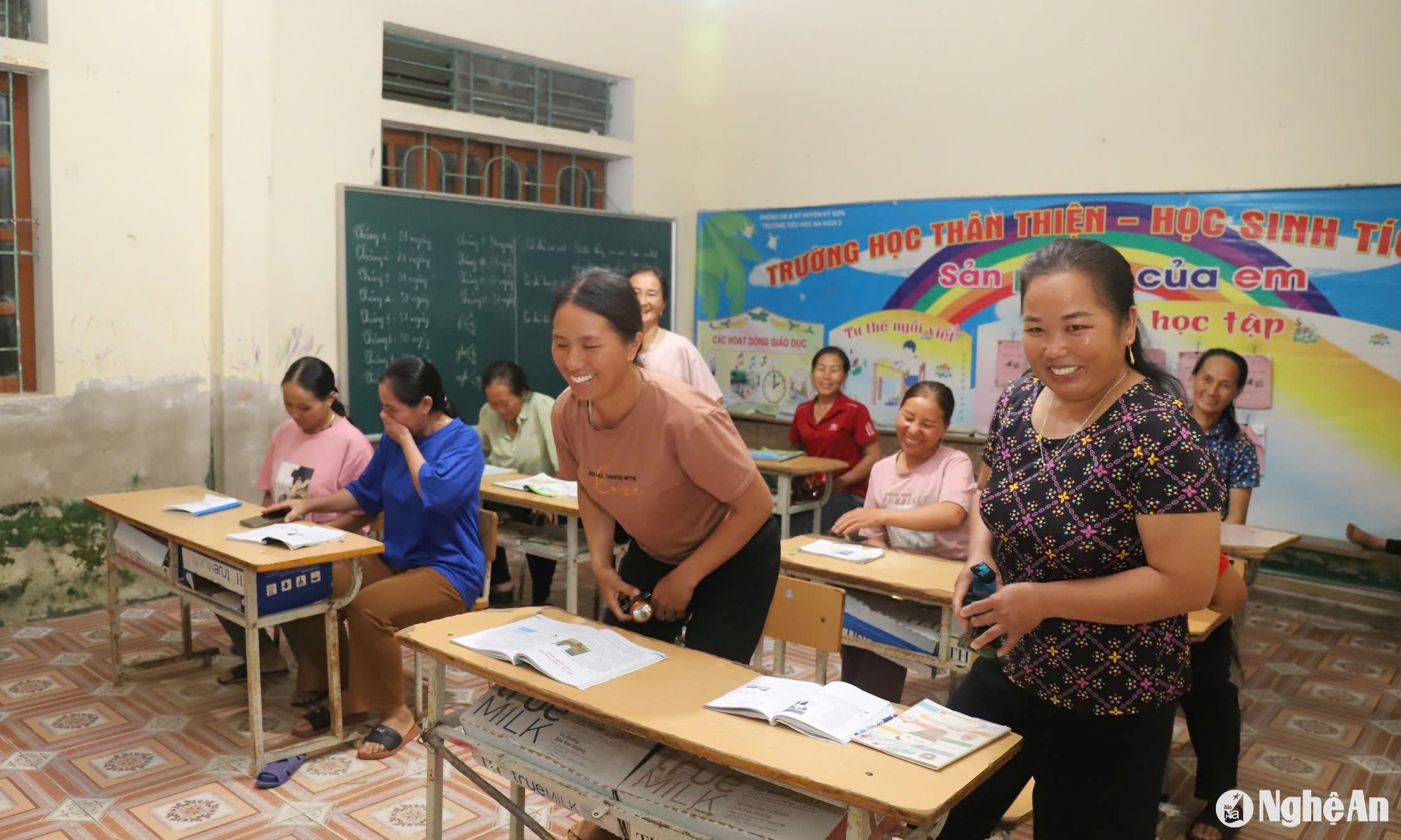
Part 2: Learning to read and write gets you socializing and exchanging gifts!
Getting students to attend literacy classes is difficult enough, but maintaining attendance until the end of the course is even more challenging. To overcome this difficulty, teachers have to go to each student's home to call them when it's time for class; they even encourage students with gifts and help with household chores to get them to attend.

My Ha - Tien HungNovember 20, 2024
Getting students to attend literacy classes is difficult enough, but maintaining attendance until the end of the course is even more challenging. To overcome this difficulty, teachers have to go to each student's home to call them when it's time for class; they even encourage students with gifts and help with household chores to get them to attend.

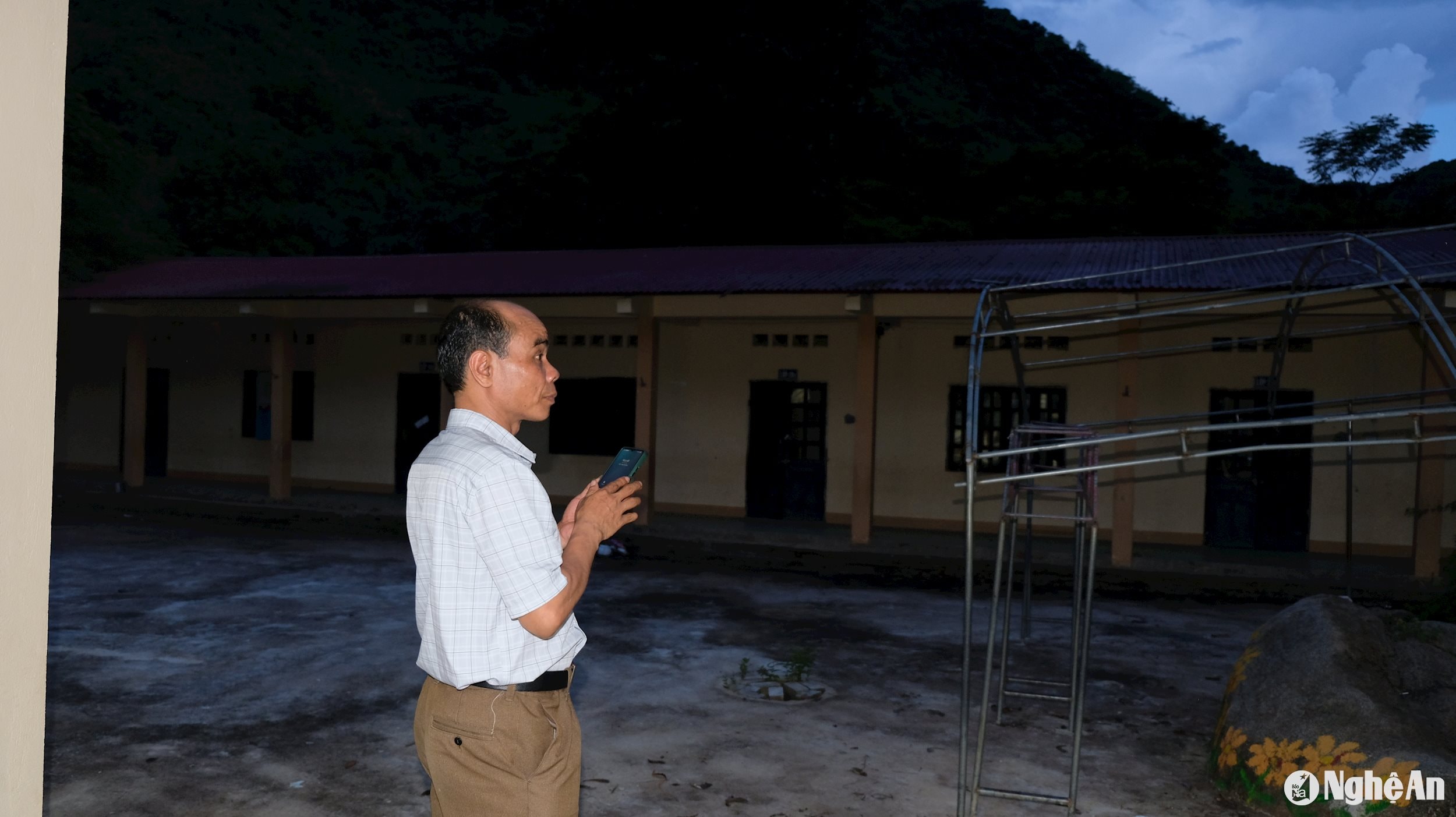
"Why haven't you arrived at class yet?" asked Teacher Cụt Hồng Quân (Xá Lượng Primary School, Tương Dương District) on the phone, urging his students to come to class. It was nearly half an hour past the scheduled class time, but none of the nearly 20 students had shown up. Teacher Quân had to call each student individually. For those without phones, he had to ride his motorbike around the village to find them.
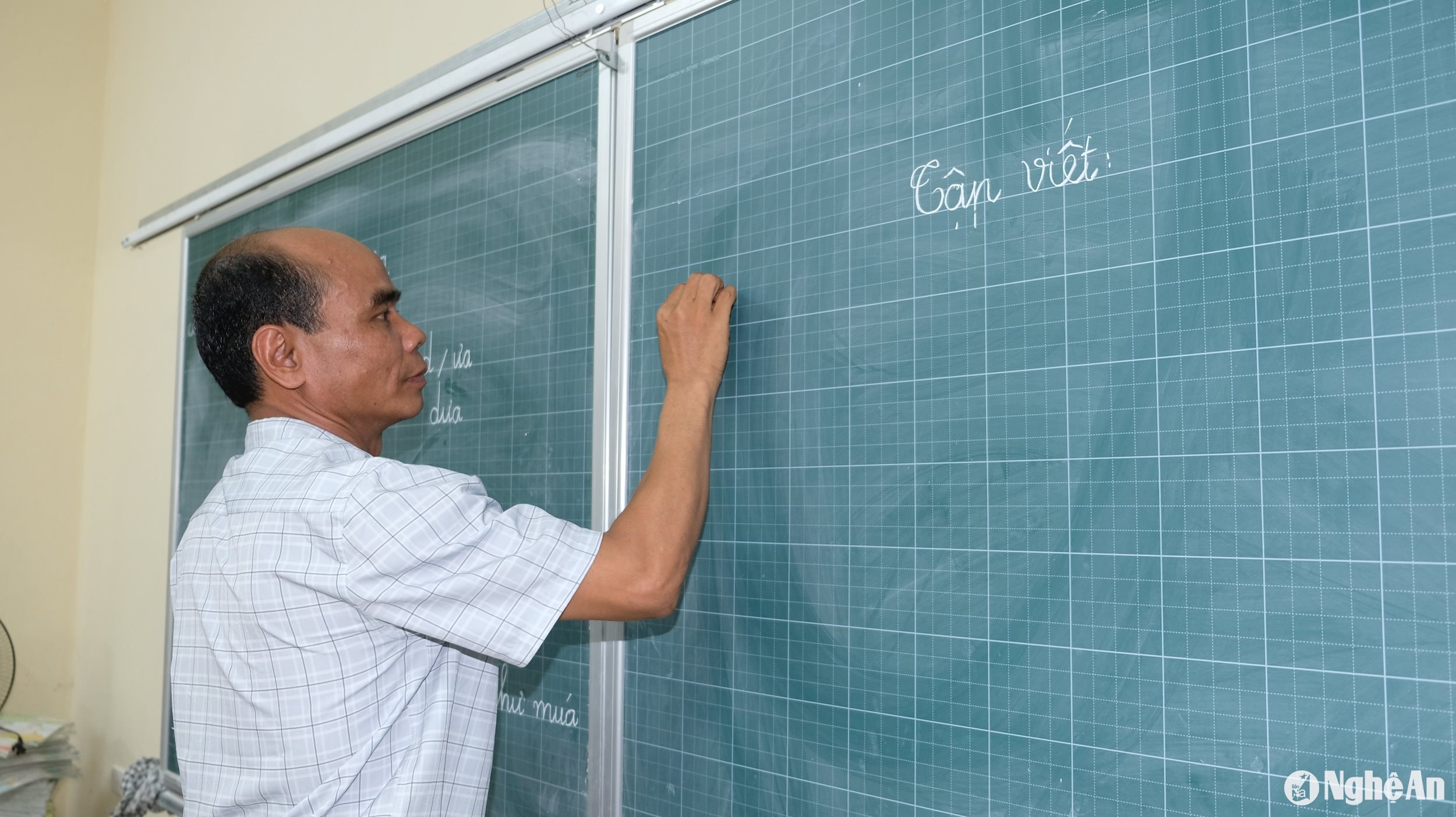
Teacher Quân is one of two teachers at Xá Lượng Primary School assigned to teach literacy classes in Na Bè village. Following Teacher Quân as he searches for students, one understands just how challenging literacy work is in the highlands. “I’m still cooking,” student Lộc Thị Vân (33 years old) called from her house when Teacher Quân personally came to call her to class. Vân said that although she desperately wanted to learn to read and write, she was late for class due to work commitments. After hearing her student’s reply, Teacher Quân went on to call others. As a Khơ Mú person living in Na Bè village, Teacher Quân knew most of his students’ homes. However, getting them to class on time was still a significant challenge.
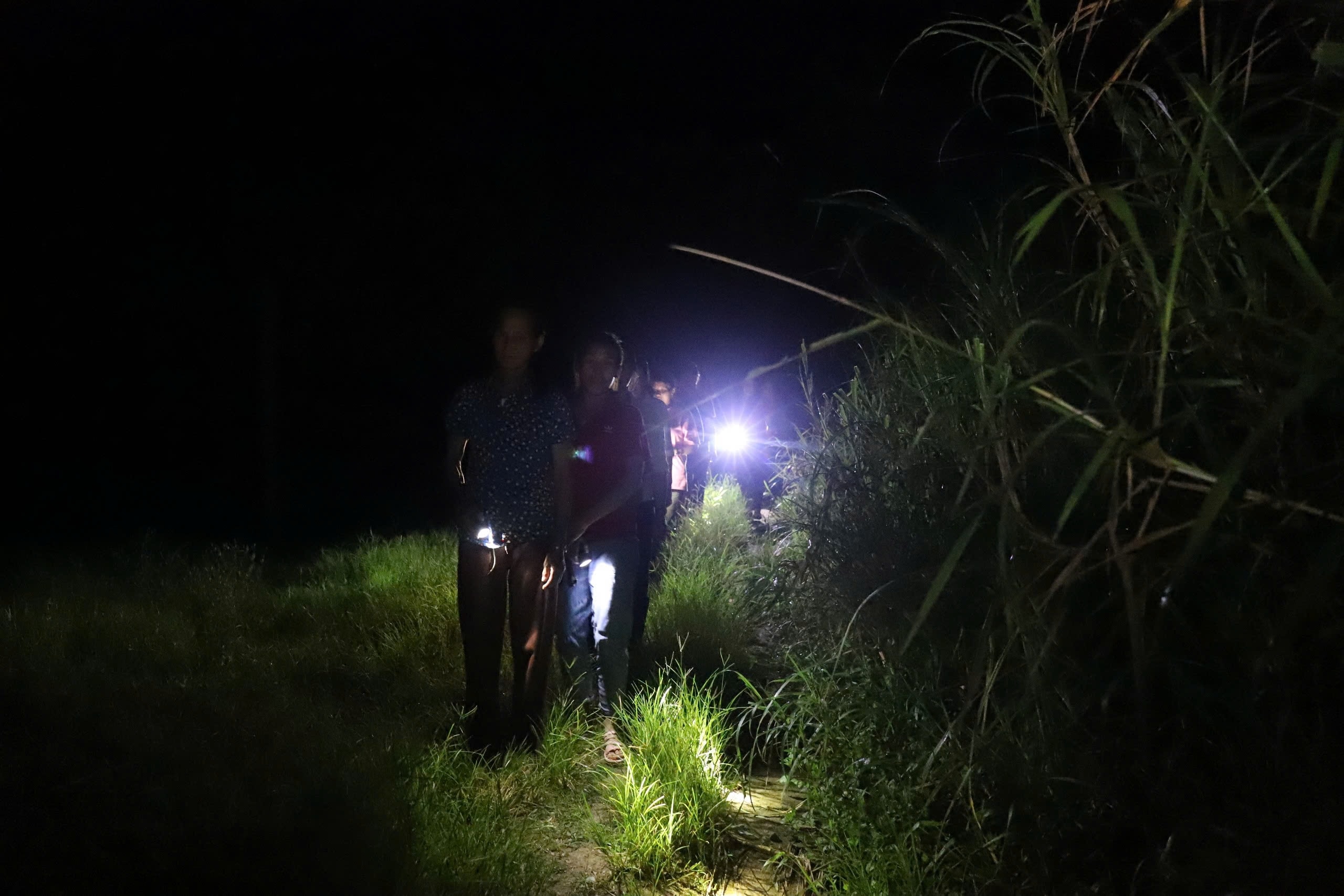
This class started over three months ago. Initially, there were over 30 students, mostly Khmu women from Na Be village and Mong women from Hop Thanh village. However, many left to work in factories, leaving only about 20 students. Because the students have to work in the fields during the day, the class runs from 7 PM to 9 PM. However, they often come to class late every night.
Almost every night, some students are absent. Although the class is scheduled for 7 PM, it usually doesn't start until half an hour later, and sometimes they have to rely on the village's loudspeaker to call the students."
Teacher Cụt Hồng Quân, Xá Lượng Primary School (Tương Dương District)
As one of the earliest students to arrive at class, Vu Y Xe (34 years old, from Hop Thanh village) said: "To get to class on time, I have to bring my child with me. Every day I go to class, I have to bring my child along because there's no one at home to look after her. My husband is a doctor, but I'm illiterate, so I feel insecure. Before, I applied for jobs at many companies, but because I was illiterate, no one would hire me." At the beginning of this summer, after learning that some people in her village were attending literacy classes, even though she was eight months pregnant, Vu Y Xe still asked the teachers to let her attend. Since then, Vu Y Xe hasn't missed a single class. Sometimes, she visits her parents in Ky Son district, hundreds of kilometers away, but she still makes sure to return early to attend class.
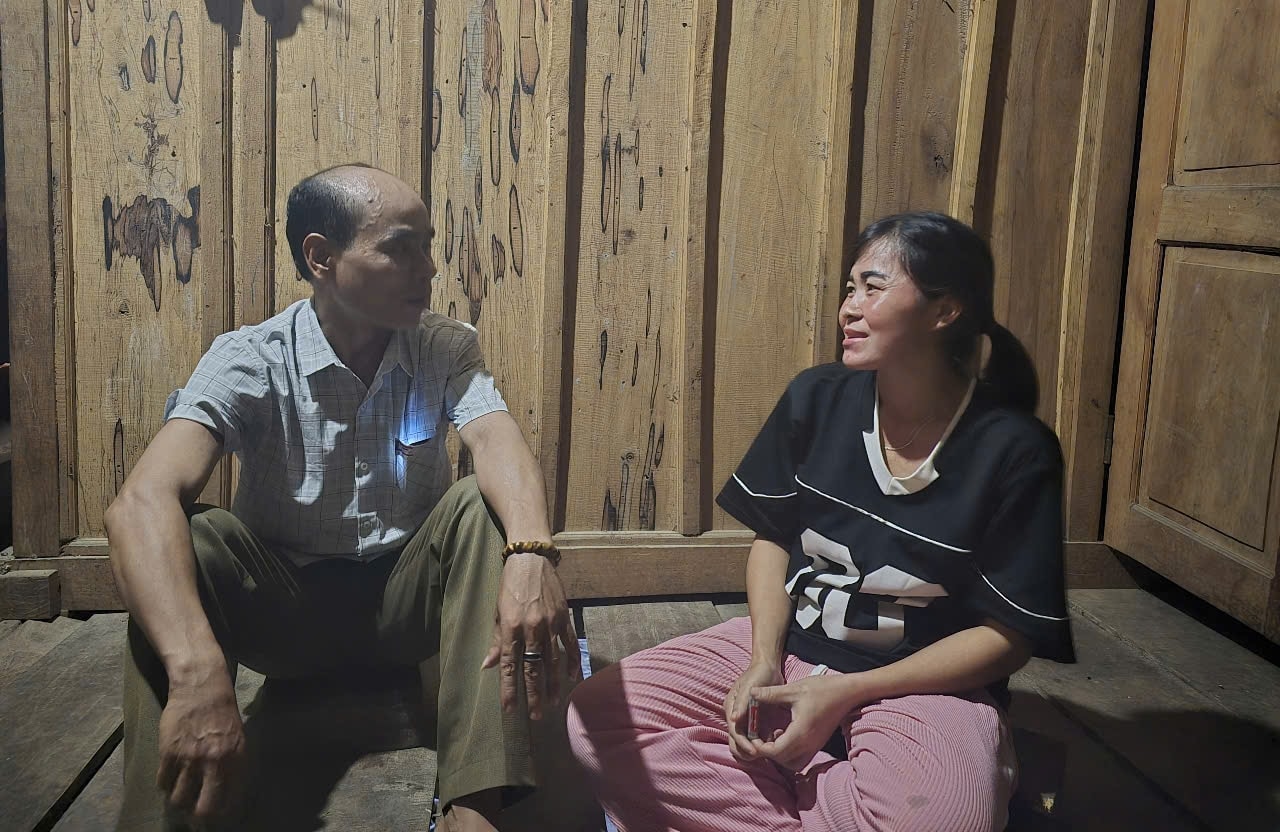
Vu Y Xe is a rare case of someone who attends school diligently. “Because of their age, it’s very difficult for them to learn, and missing even a few classes makes it very hard to continue. With this situation, I don’t know how many people will be able to finish the program. We’ve tried our best to encourage them,” shared teacher Quan. “Here, the illiteracy rate among men is very high, but the classes are mostly attended by women. Eradicating illiteracy among men in mountainous areas is extremely difficult. They have very high levels of self-consciousness and pride, making it very hard to persuade older men to attend literacy classes,” added teacher Quan.

According to representatives from the Education and Training Department of Tuong Duong district, in 2023, 100% of communes and towns achieved Level 2 literacy standards, reducing the Level 2 illiteracy rate among those aged 15-35 to 1.2%. The annual target is to have 40-60 people participate in literacy programs using appropriate learning methods, especially in the communes of Luong Minh, Nhon Mai, Tam Hop, and Xa Luong. Currently, a significant number of illiterate people remain in the community. Meanwhile, encouraging students to attend classes regularly is very challenging.
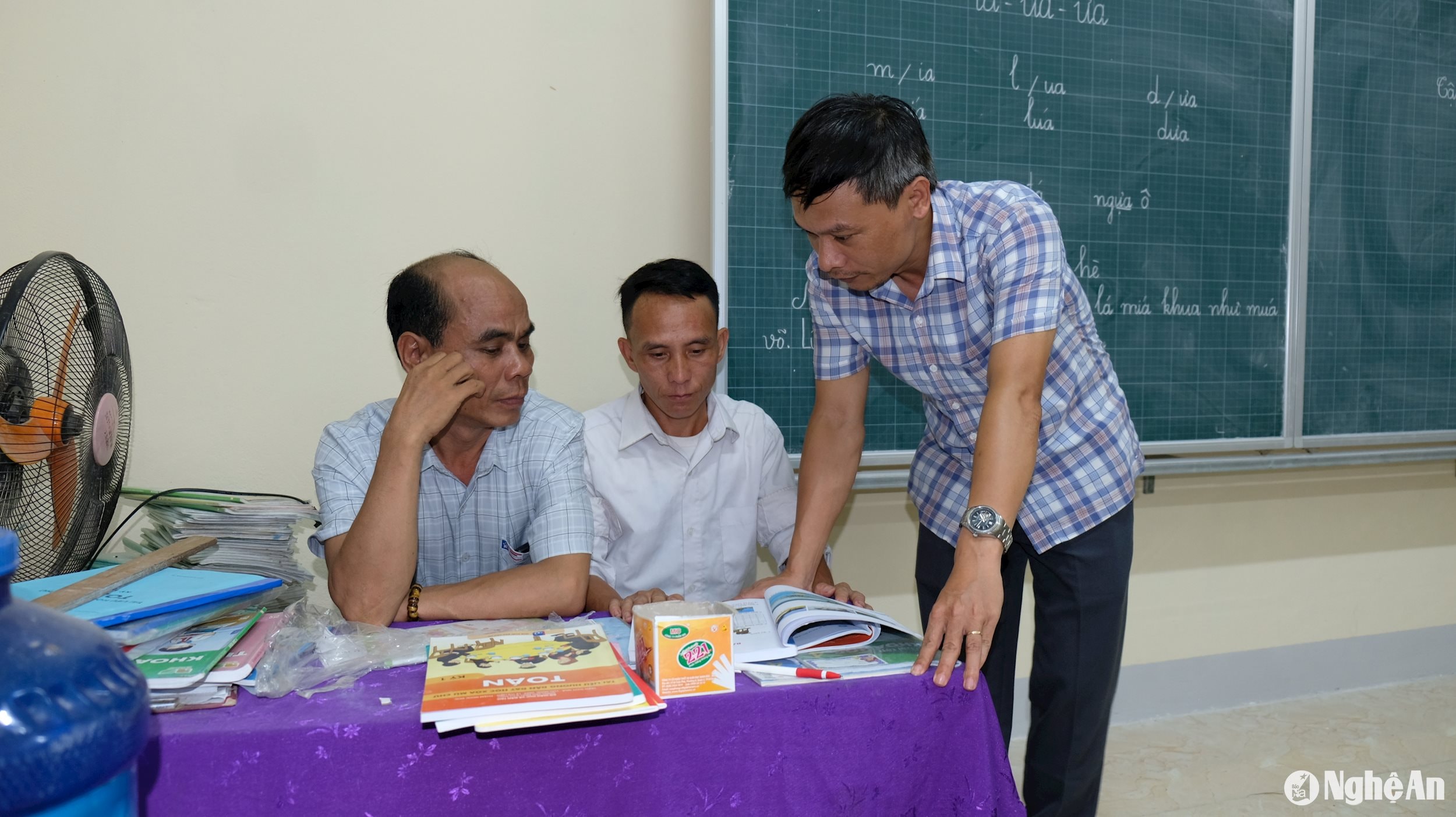
Similar to Tuong Duong district, Ky Son district has two literacy classes opened by the District Education and Training Department, which have just completed phase 1. However, opening phase 2 is facing many difficulties due to a lack of students. "The literacy program has two phases, but most students only complete phase 1 and then stop. Now they're all working in factories, and it's impossible to go to their homes to encourage them to continue studying," said a representative from the Ky Son District Education and Training Department.
Sharing his experience in encouraging students to attend literacy classes, Lieutenant Colonel Nguyen Nhu Hong, Deputy Political Commissar of the 4th Economic-Defense Brigade (stationed in Ky Son), said that first and foremost, it is necessary to coordinate well with local Party committees, authorities, schools, and village management boards where students reside to integrate the program more effectively, especially in disseminating information and persuading husbands, children, and families to create the best conditions for students to attend classes fully, as well as have time to review and do homework at home. Meanwhile, teachers must also be familiar with the customs and traditions of the local people.
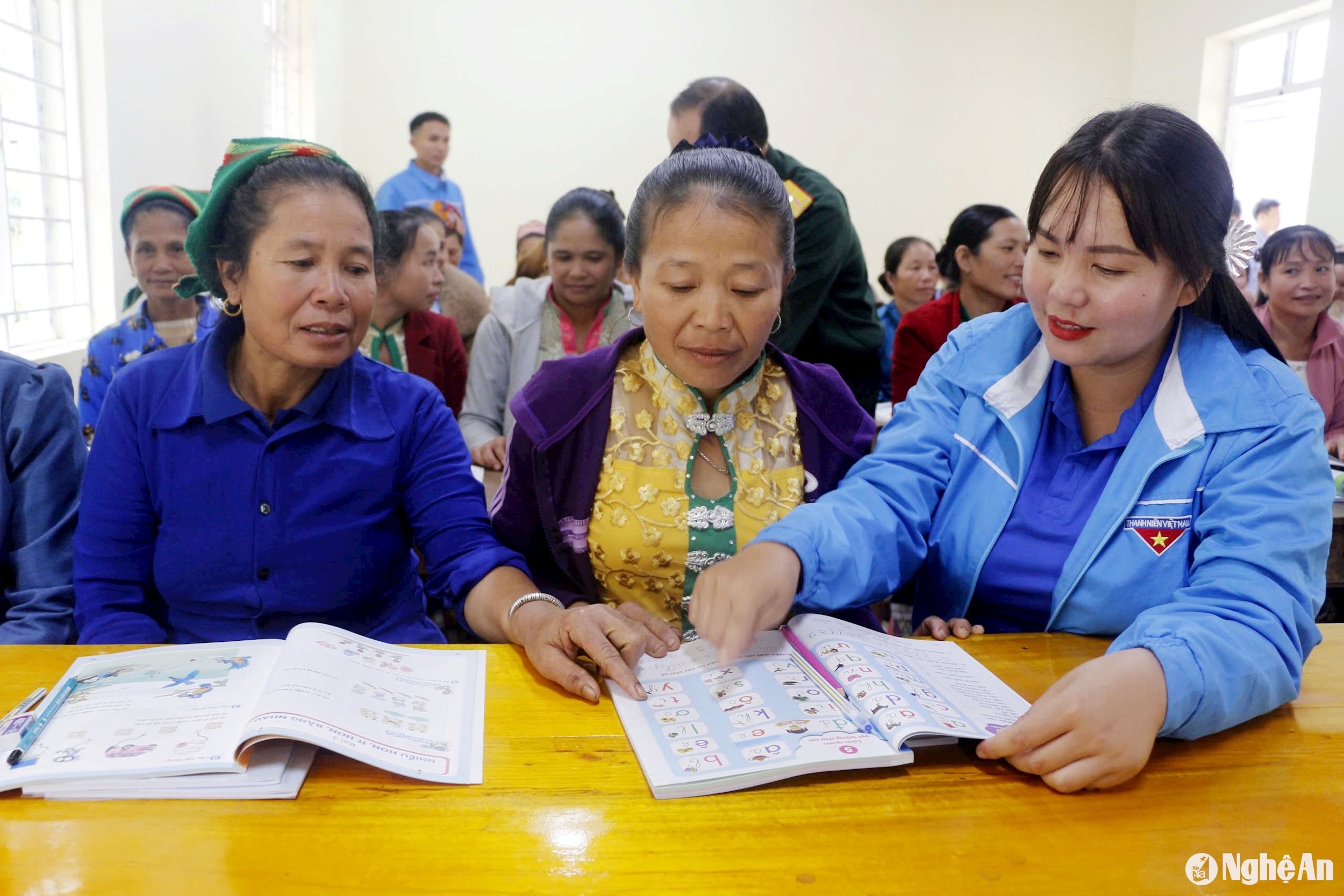
“First, based on the local request, we formed a survey team to visit each village and household to understand the situation, circumstances, and characteristics of each student in order to find the best way to organize the recruitment and teaching. We met with each person to persuade them, sometimes spending days socializing and eating with them,” Lieutenant Colonel Hong said, adding that in addition to providing all the necessary equipment for the students during the course, those attending the class also received gifts. The gifts included raincoats, sandals, flashlights, etc., to make it more convenient for the students to come to class.
“In fact, there were many cases where students used the excuse of being busy with farming or house construction to avoid class, so we immediately mobilized our forces to help them so they could have time to study. In some cases, students were sick and had to go to the hospital, so we visited them in the hospital, and as soon as they were discharged, they came back to class right away. In the classroom, the teachers also incorporated many programs, creating a fun atmosphere to give the students more motivation,” Lieutenant Colonel Hong added.