
Revisiting the 'case of the century' that shook American history.
On June 17, 1994, after a dramatic chase that was watched on live television by millions of viewers, former American football star OJ Simpson surrendered to Los Angeles police. Simpson was charged with the murder of his ex-wife, Nicole Brown, and her lover five days earlier.
|
| OJ Simpson. Photo: Daily Star |
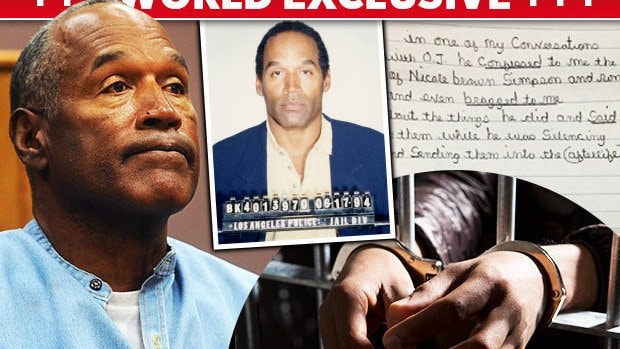
The trial of OJ Simpson shocked American public opinion, making the former football star the most famous criminal defendant in the country's history. The case attracted so much public attention that renowned talk show host Larry King once declared on CNN: "If we have an interview with God, but OJ is free, then we'll have to cancel our appointment with God!"
|
| The two victims were Nicole Brown and Ronald Goldman. Photo: Los Angeles Times |
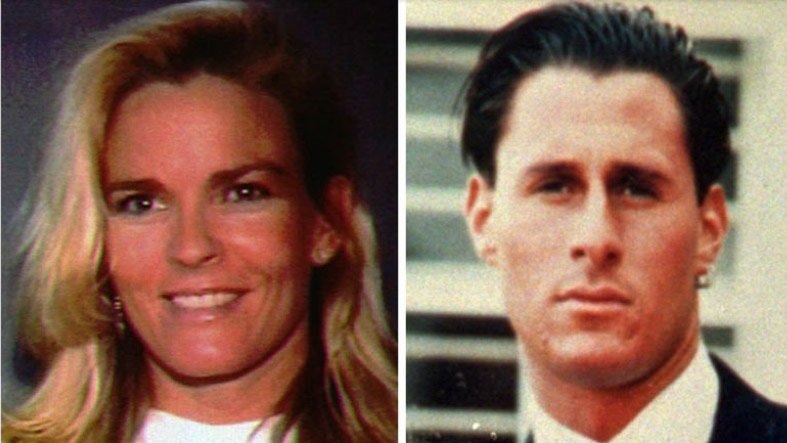
The trouble began when Nicole Brown and her lover, Ronald Goldman, were found dead with multiple stab wounds on June 12, 1994. Police suspected Simpson, 47, of murdering his ex-wife and her lover.
|
| Police investigate at the crime scene. Photo: AP |
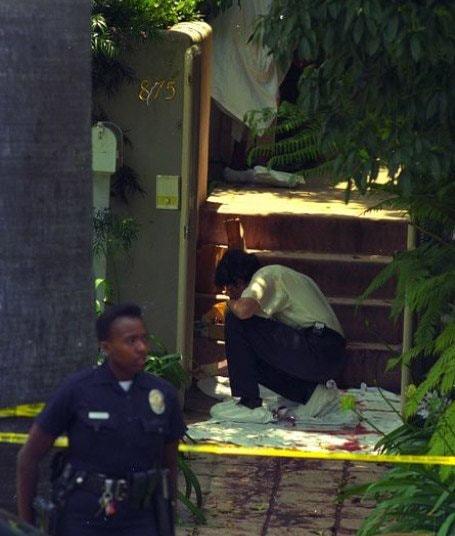
Early in the morning of June 17, 1994, after learning that authorities were preparing to file formal charges against him, the former football star tried to flee Los Angeles. However, police located Simpson in a white Ford Bronco driven by his friend, former professional football player Al Cowlings.
When speaking to police representatives on his cell phone, Simpson explained that he had a gun and was prepared to commit suicide. Authorities were forced to agree not to use force to stop the vehicle.
Several news outlets dispatched helicopters to closely follow and update on the developments of the case. The entire thrilling police chase of Simpson was broadcast live on television, attracting millions of viewers.
According to witnesses, a convoy of police cars relentlessly pursued the white car driven by Cowlings on several Los Angeles streets, while Simpson sat huddled in the back seat with a gun pointed at his head.
|
| Photo: NYTimes |
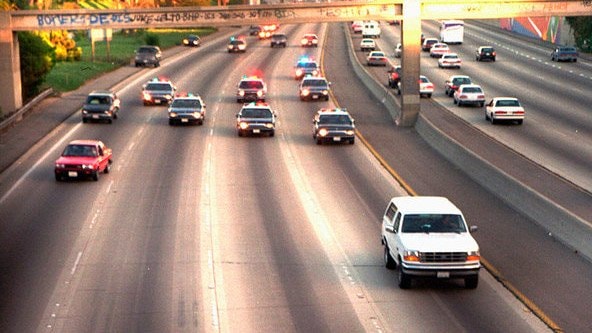
Finally, after nearly nine hours of "cat and mouse," Simpson's car returned to his residence in Rockingham. It took another 90 minutes of tense confrontation before he surrendered. A search of the car and Simpson yielded a gun, a fake beard and mustache, and Simpson's passport.
|
| OJ Simpson during his arrest by police in 1994. Photo: Los Angeles Times |

Simpson's first criminal trial on January 24, 1995, was considered the most well-attended trial in American history. For nearly nine months afterward, more than half the American population watched the trial of the former football star every time it took place.
This was also the longest trial in California history, with legal fees reaching $20 million. Official statistics show that 91% of American television viewers followed the trial; 142 million people listened to the sentencing via radio and television. Some studies even suggest that the US lost over $25 billion due to workers being distracted from their jobs to follow this trial.
|
| Defendant Simpson in court in 1994. Photo: Reuters |

Beyond being the focus of media attention, Simpson's trial also deeply divided American public opinion and raised many doubts about the country's justice system. In opinion polls, a majority of African Americans believed the former football star, a Black man, was completely innocent. Meanwhile, the vast majority of white people believed he was the culprit.
|
| Simpson after being acquitted on October 3, 1995. Photo: Los Angeles Times |
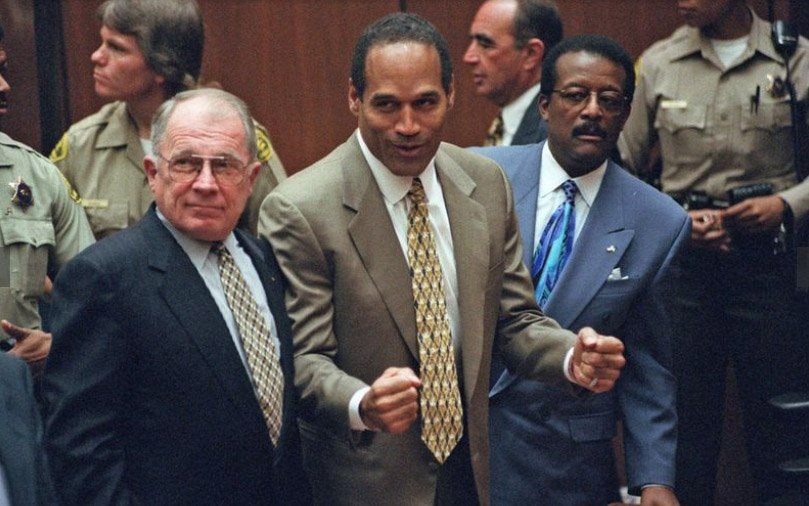
Due to a lack of compelling evidence to convict Simpson, on October 3, 1995, a jury consisting of nine African Americans, two white people, and one Latino person acquitted Simpson.
The criminal trial ended, but the law hadn't let Simpson off the hook. A year later, on October 23, 1996, he was again a defendant in a civil trial concerning the murders of Nicole Brown and Ronald Goldman in Santa Monica, California. This time, the purpose of the trial was simply to determine whether the defendant was more likely to have committed the crime.
|
| Photo: AP |
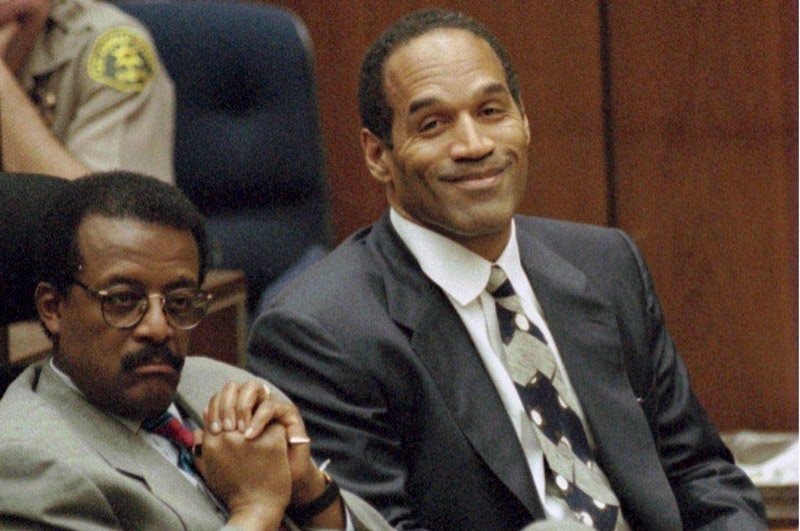
Finally, on February 4, 1997, a jury consisting of one Black, one Latino, one Asian, and nine white individuals concluded that Simpson was guilty of several charges related to the murders of his ex-wife and her lover. The court ordered Simpson to pay $33.5 million in restitution to the victims' families.
However, in reality, the victims' families received virtually no compensation from the former basketball star because he went bankrupt, owed money to lawyers, and even mortgaged his Rockingham mansion to pay huge legal fees, which was still not enough.
Later, Simpson lived off a $4 million pension fund he established during his football career. Each month, he received over $20,000 from the fund, an amount the court could not touch. Simpson also moved to Florida to avoid the seizure of funds intended for compensation as ordered by a civil court in California.
|
| Photo: The Times |
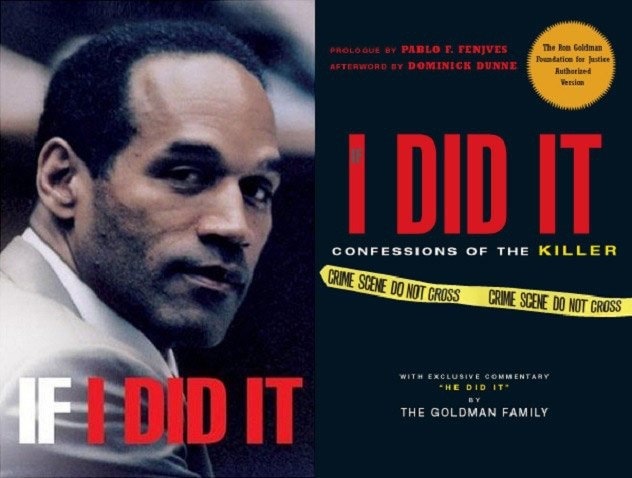
In 2006, Simpson wrote the book "If I Did It." The book contains detailed descriptions of "imaginary" actions Simpson might have taken if he wanted to murder his ex-wife and her lover. The book was scheduled for publication but was later canceled due to concerns about public outrage.
|
| Simpson appeared in court in 2008. Photo: AP |
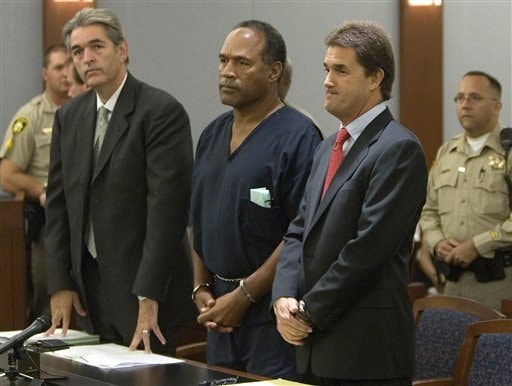
In September 2007, Simpson's name was mentioned again when he and eight others participated in an armed robbery at the Palace Hotel in Las Vegas. With a long criminal record, Simpson, then 60 years old, was denied bail and charged with 12 counts ranging from kidnapping, assault, and robbery to murder. In December 2008, the former basketball star was sentenced to 33 years in prison.
|
| The former football star on the day he received his pardon in 2017. Photo: NBC |

However, after serving a minimum of nine years in a prison in Lovelock, Nevada, Simpson, 70, was granted amnesty and released early on October 1, 2017, due to good behavior.


