
A perspective on advanced schools.
(Baonghean.vn) - The humanistic aspect of building advanced schools is evident in the fact that it opens up opportunities to awaken the potential of learners. However, the most important thing in building advanced schools is consistency.
In the face of industrialization, modernization, and international integration, improving the quality of education and human resources is recognized as a top priority. It is undeniable that our education system has achieved significant successes in recent years. However, upon closer examination, there are still many issues that cause concern and dissatisfaction within the education sector, including numerous complaints about the quality of education and training, from primary and university levels to postgraduate studies. These shortcomings mainly stem from the fragmented and often haphazard thinking about education and skills, as well as the management models. The development of advanced school models can be considered one of the efforts to overcome these "flaws."
The humanistic aspect of building advanced schools is evident in the fact that it opens opportunities to awaken the potential of learners. A society that knows how to govern effectively first and foremost knows how to create opportunities and conditions for people to unleash their positive energies, to perfect their character, affirm themselves, and contribute. Advanced schools, with their superior qualities and the outstanding achievements of their students, will create a "role model" effect to stimulate the formation of a truly learning society. Of course, intellectual potential alone is not enough; financial potential and capacity are also crucial. And this may be the most concerning aspect.
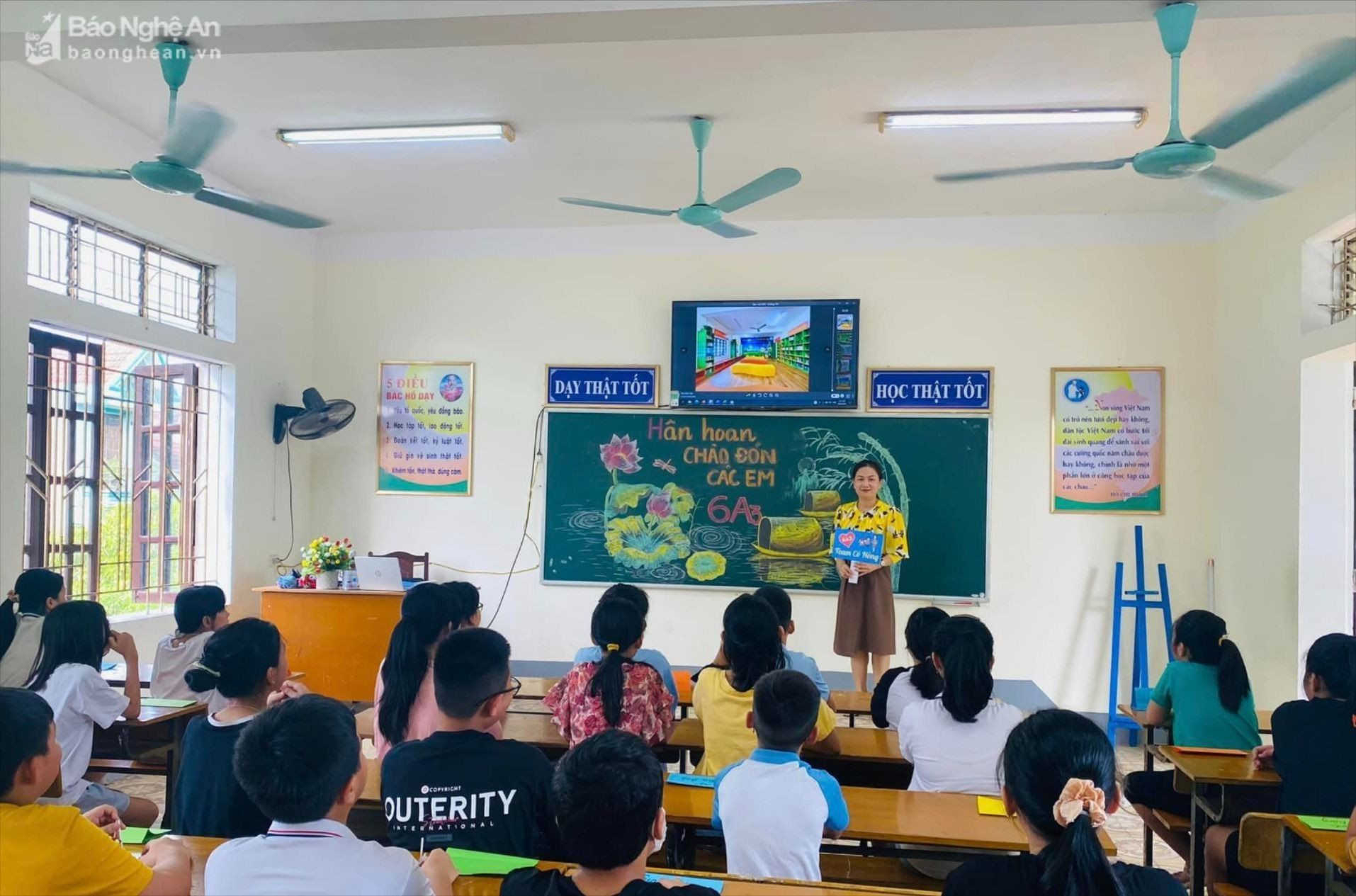
However, all these humanistic values can only be achieved by applying strict "rules," even those that are considered harsh in strategy and tactics, such as transparency in finances, student affairs, and especially in the recruitment of personnel involved in the education process. And this is truly not easy, as not all managers, officials, and employees in this environment can meet the quality requirements. The criteria for selecting officials are precarious if one relies solely on academic records, degrees, and awards in an environment where accuracy and fairness are not absolute, if not outright flawed.
Furthermore, upgrading a traditional school (even one that already meets national standards) to an advanced school raises a question about staffing, as it's unlikely that 100% of the existing staff and employees will have the necessary skills to meet the new, somewhat drastic, requirements. Even the selection of subjects is a challenge, especially those with a high degree of practicality and related to physical activity.
The most important thing in building advanced schools is consistency. A fragmented approach will lead to obvious shortcomings. In such a system, opportunities for some people will close off opportunities for others. Building top-performing schools in only a few areas will result in students, even those with comparable intelligence, having to move to more distant locations due to financial constraints. This, first and foremost, creates difficulties for them in terms of transportation and adapting to a new environment.
From another perspective, building advanced schools in a haphazard manner also creates injustices in access to services, opportunities for skill development and knowledge acquisition, and the journey to the future, such as the chance to compete for admission to prestigious universities, and of course, subsequent job opportunities... Because if students study at truly advanced schools, they will have more opportunities in their future endeavors, opportunities that were previously distributed equally among everyone.
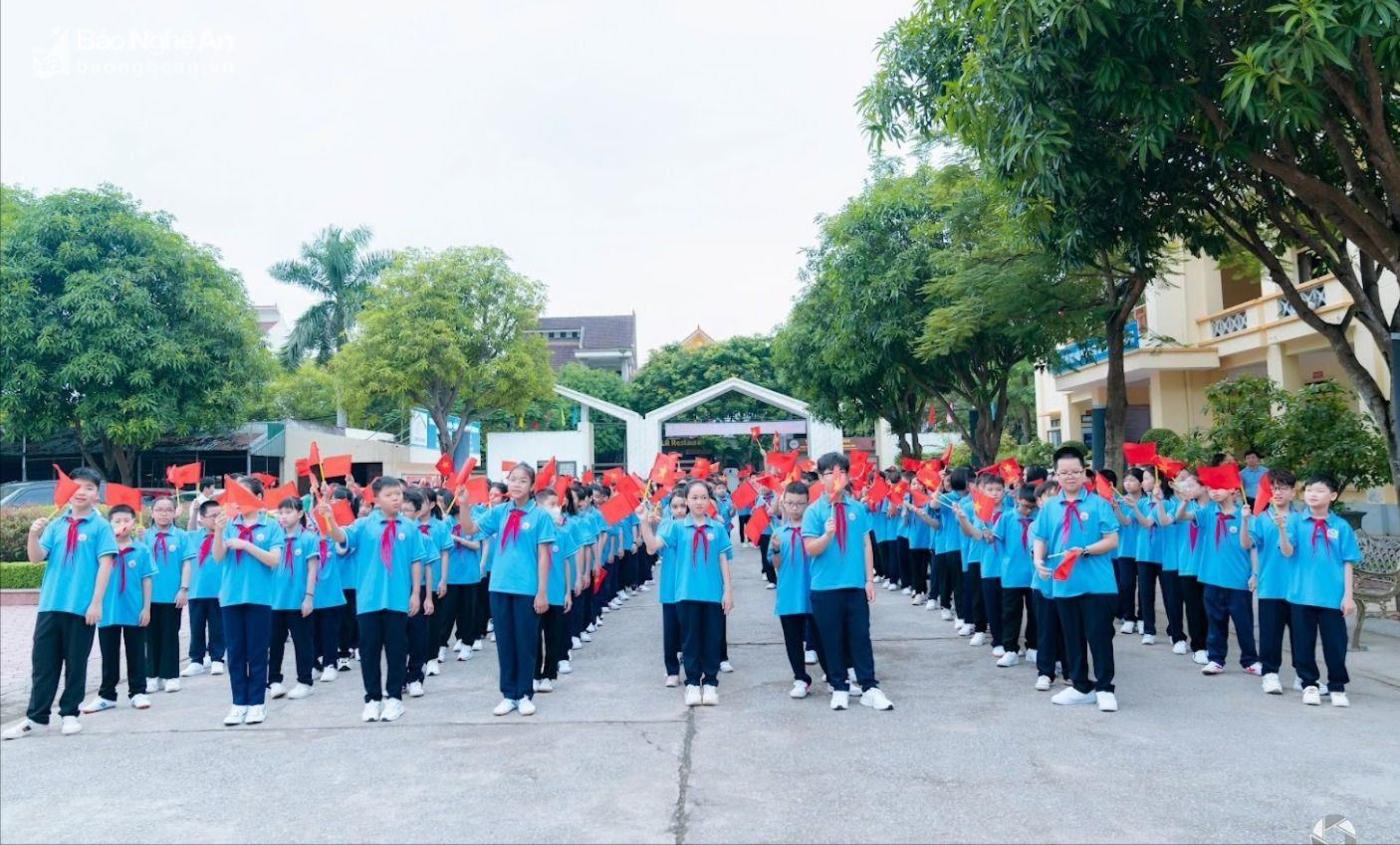
Furthermore, the uneven construction of advanced schools will contribute to discrimination among students in a society where this is quite common; it can also create income gaps between people in the same profession, job, or salary level... It can also affect traffic, social order, geocultural structure, and the universalization of education in various areas...


